About this artwork
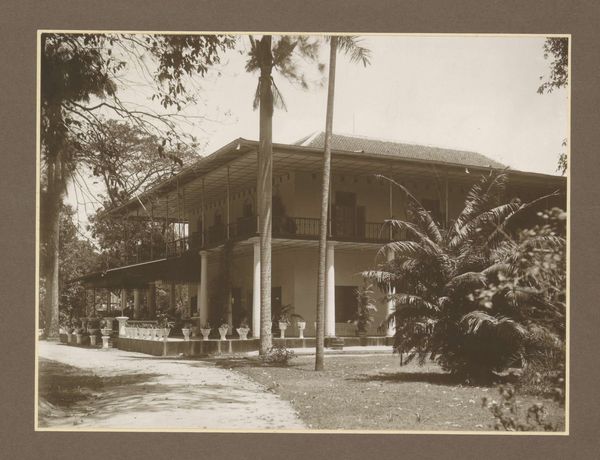
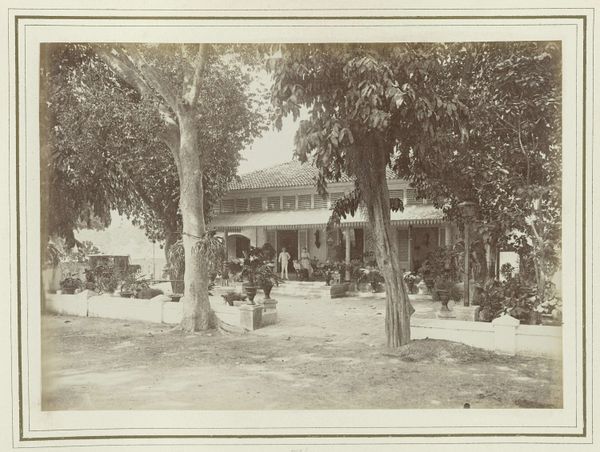
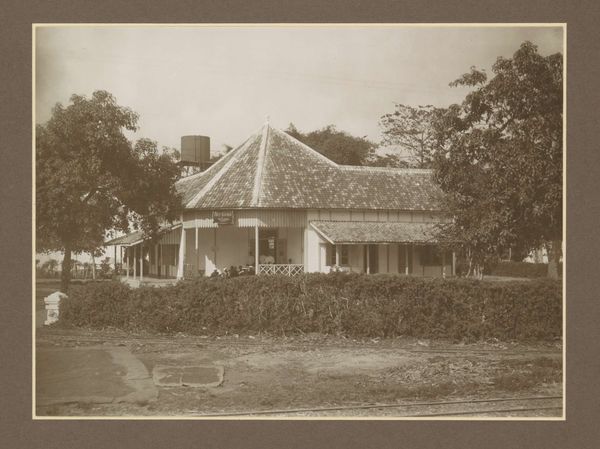
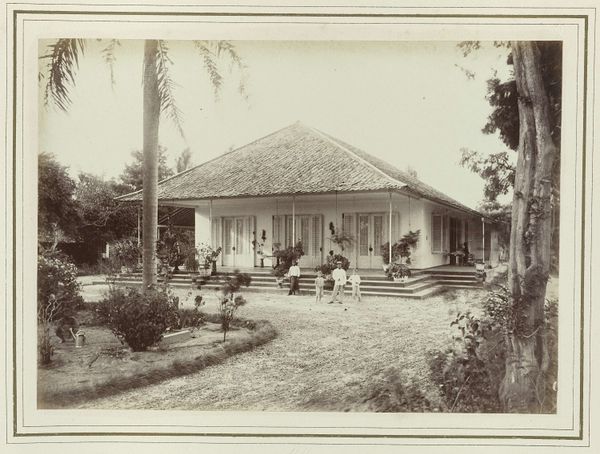
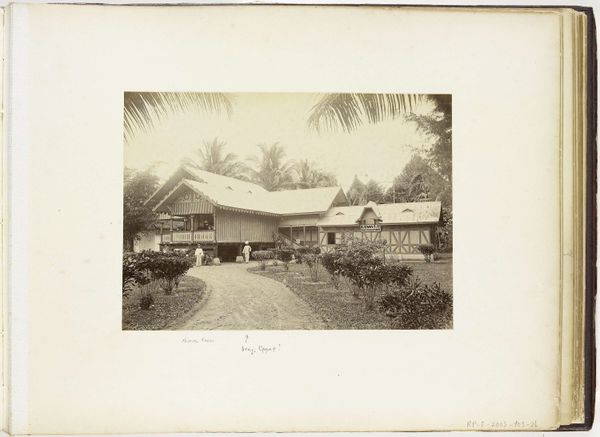
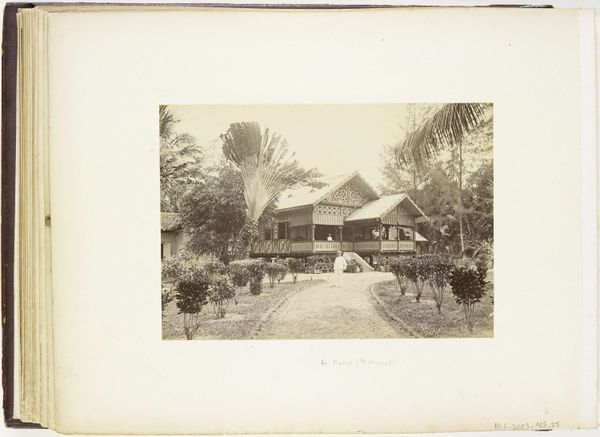
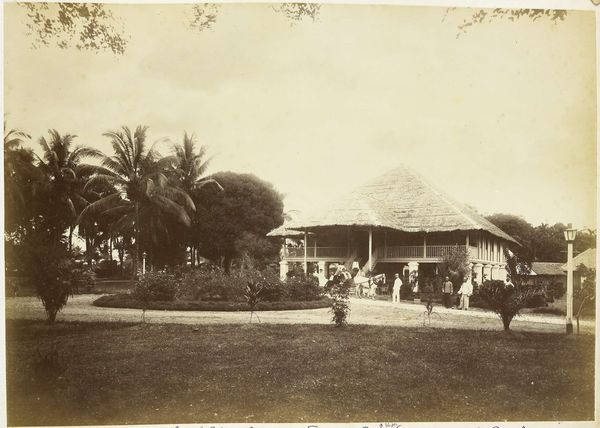
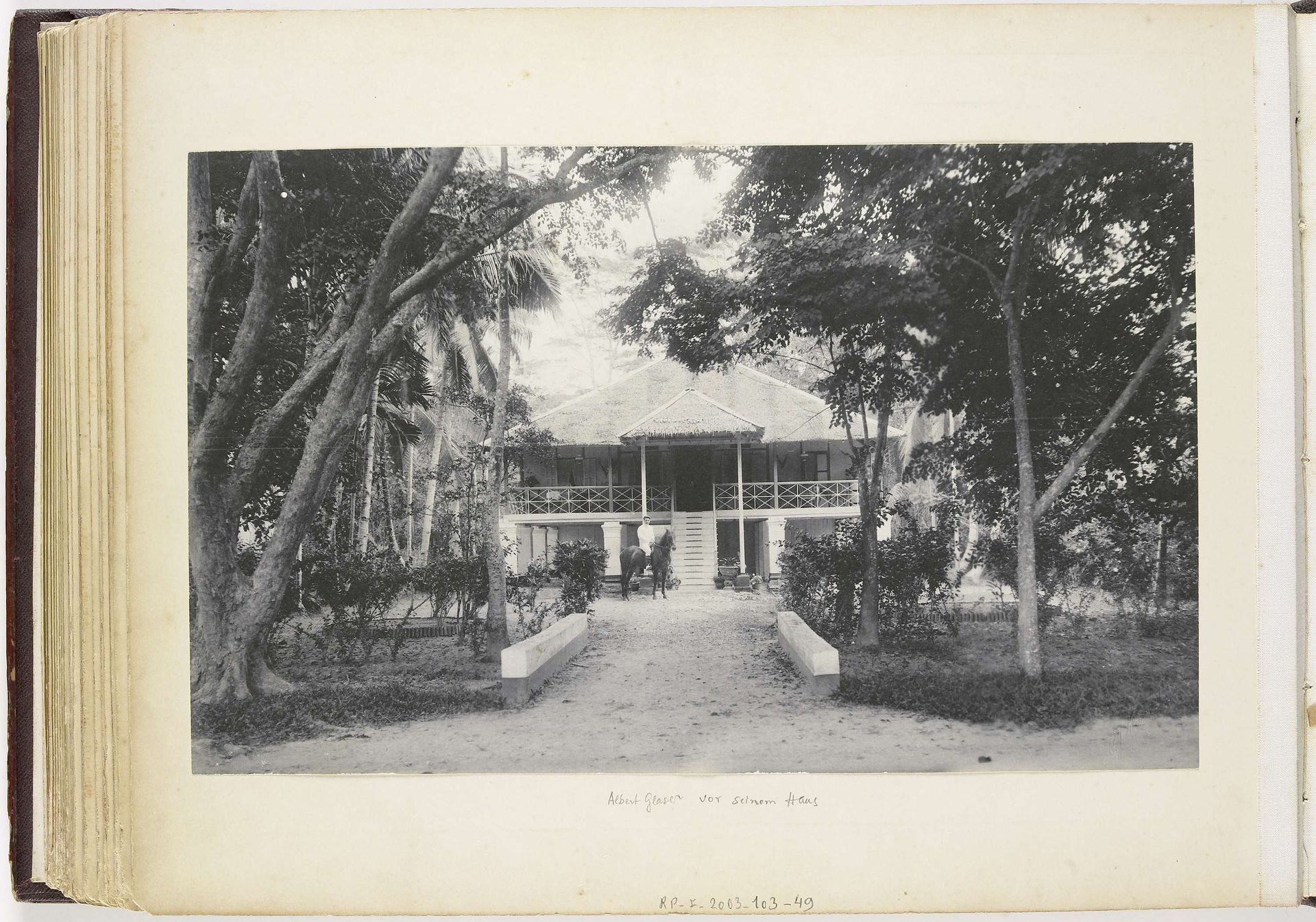
This is a photograph of Albert Glaser’s house in Langkat, Sumatra, captured by Carl J. Kleingrothe. The image’s visual language speaks of the intricate dance between civilization and nature, where the house emerges from the lush Sumatran landscape. Look at how the path and the veranda invite entry, a classical symbol of domesticity and order. Yet, surrounding it is the untamed forest, a motif resonating with primal, untamed forces. This interplay reminds one of similar contrasts seen throughout art history, for instance, the Garden of Eden. Here, paradise is lost with the advent of knowledge, representing a departure from pure, natural existence to a life of consciousness and self-awareness. The house, framed and embraced by nature, evokes a deep, subconscious desire to reconcile these opposing forces within us. It's a visual representation of a cultural memory, continually resurfacing and evolving, urging us to find harmony between our constructed worlds and the natural one.
Portret van van Albert Glaser voor zijn huis, Langkat Sumatra
c. 1900

Carl J. Kleingrothe
1864 - 1925Location
RijksmuseumArtwork details
- Medium
- photography, photomontage, gelatin-silver-print
- Dimensions
- height 180 mm, width 290 mm
- Location
- Rijksmuseum
- Copyright
- Rijks Museum: Open Domain
Tags
Comments
Share your thoughts
About this artwork
This is a photograph of Albert Glaser’s house in Langkat, Sumatra, captured by Carl J. Kleingrothe. The image’s visual language speaks of the intricate dance between civilization and nature, where the house emerges from the lush Sumatran landscape. Look at how the path and the veranda invite entry, a classical symbol of domesticity and order. Yet, surrounding it is the untamed forest, a motif resonating with primal, untamed forces. This interplay reminds one of similar contrasts seen throughout art history, for instance, the Garden of Eden. Here, paradise is lost with the advent of knowledge, representing a departure from pure, natural existence to a life of consciousness and self-awareness. The house, framed and embraced by nature, evokes a deep, subconscious desire to reconcile these opposing forces within us. It's a visual representation of a cultural memory, continually resurfacing and evolving, urging us to find harmony between our constructed worlds and the natural one.
Comments
Share your thoughts