About this artwork
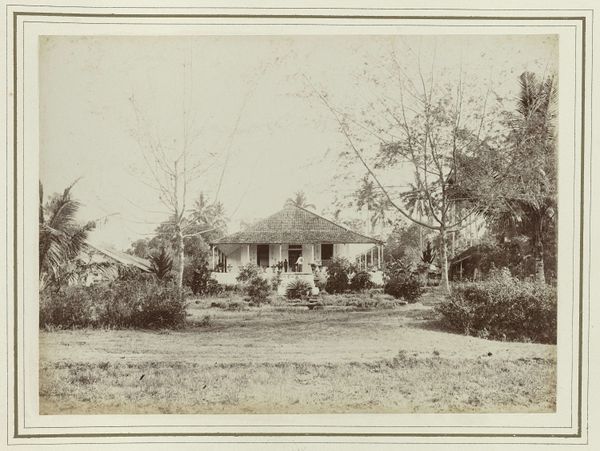
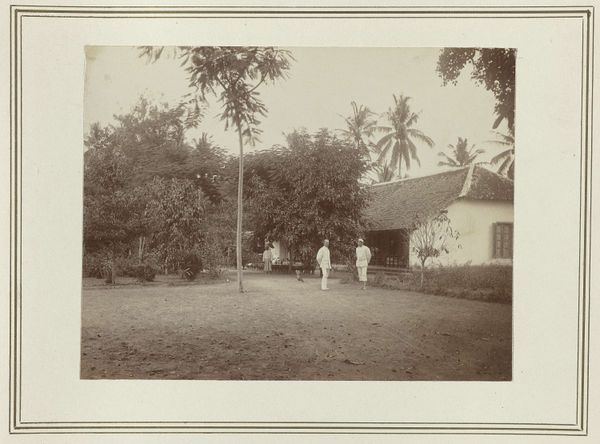
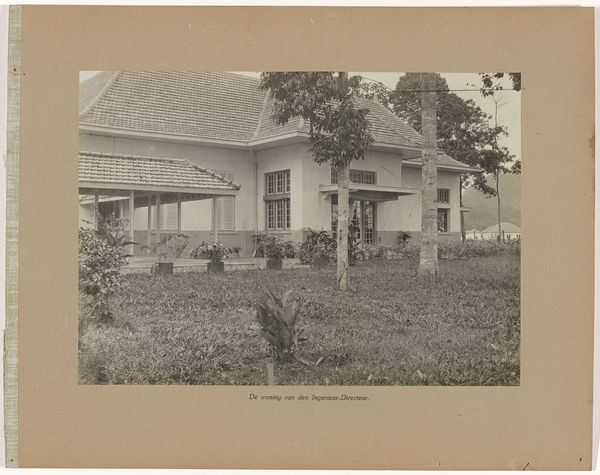
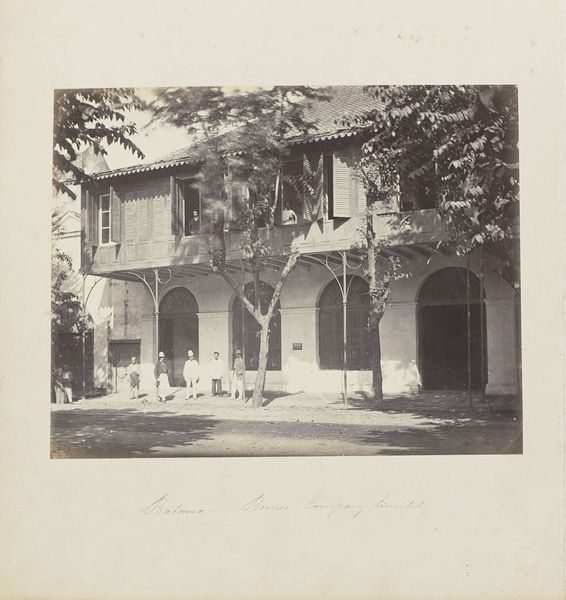
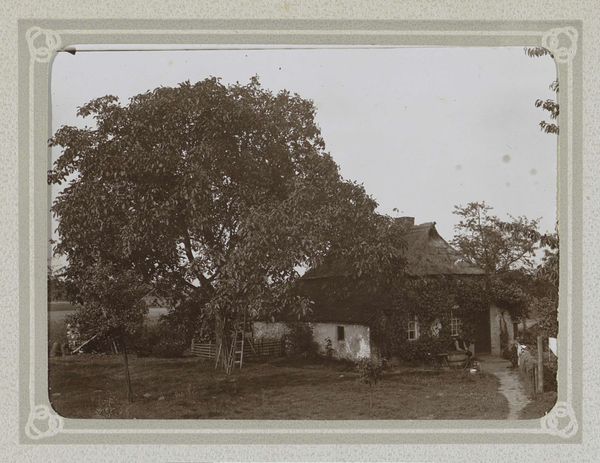
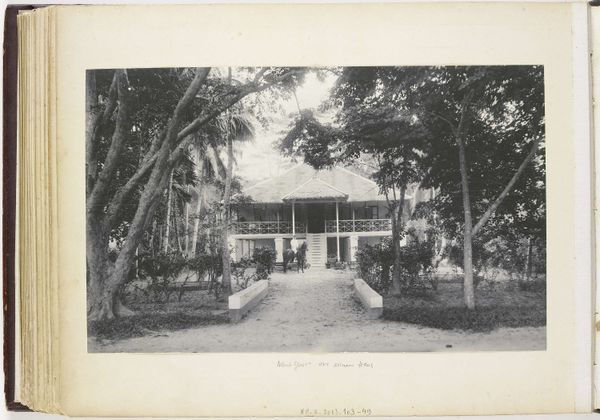
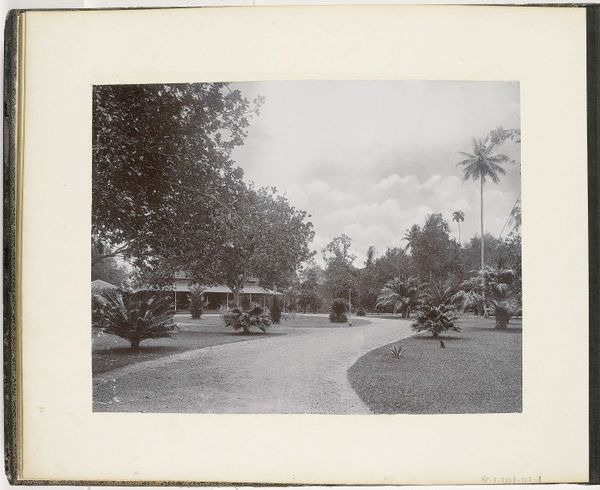
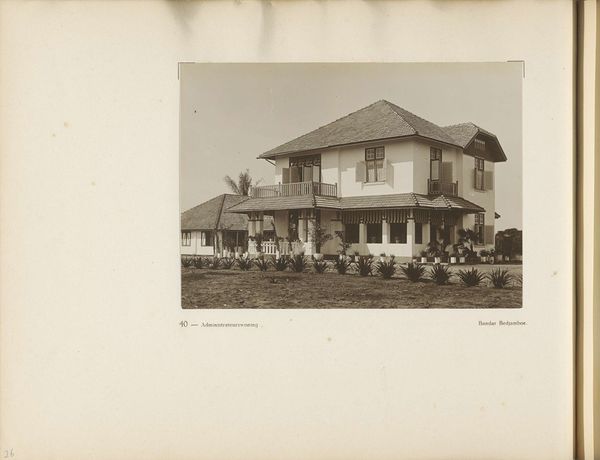
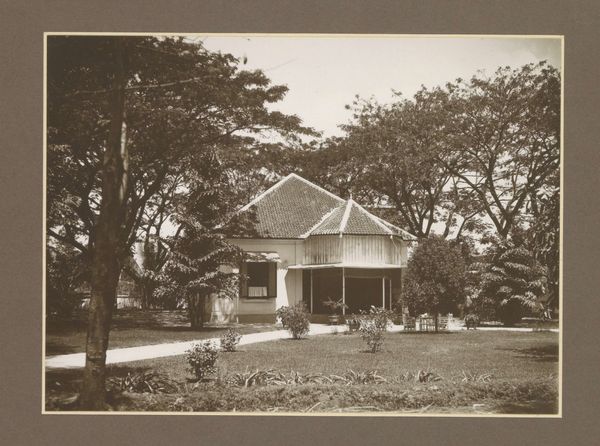
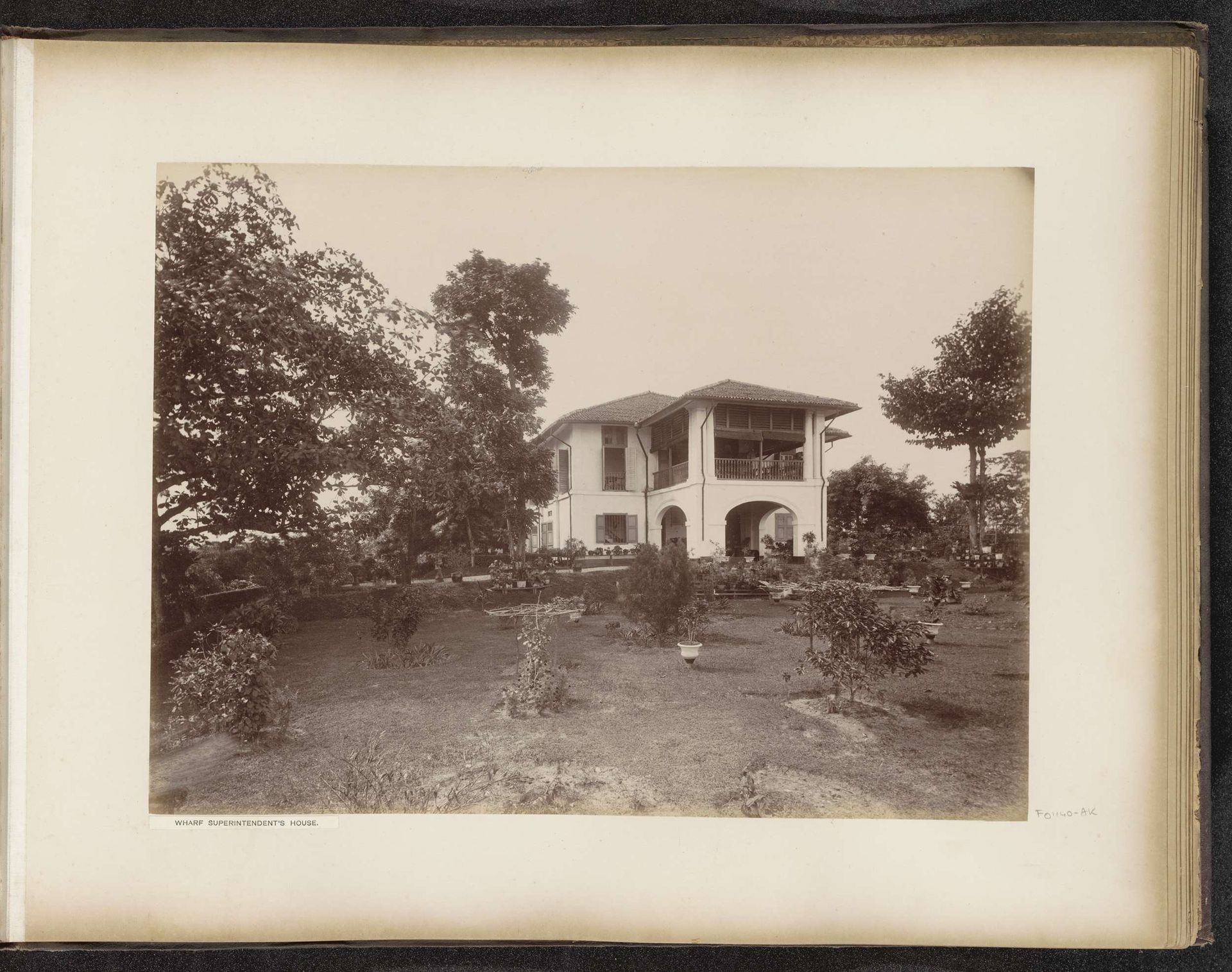
This is a photograph by G.R. Lambert & Co. of the Tanjong Pagar Dock Company superintendent's house in Singapore. It's interesting to consider the photograph itself as a carefully constructed object, as it was a relatively new technology at the time. The tones are sepia, achieved through chemical processes. And of course, the image shows a house, a building being itself an assertion of design and labor. The house has an elegant colonial style, with elevated living quarters and open-air balconies, likely built by local workers under European supervision. The building material would have been sourced locally, and the house is set within manicured gardens. This is all to say, this image is a potent symbol of colonial power and its impact on local economies and workforces. So next time you see a photograph, remember that it, like any other object, is the result of materials, making, and social context.
Opzichterswoning van de Tanjong Pagar Dock Co. Ltd. in Singapore before 1905

G.R. Lambert & Co.
@grlambertco2Location
RijksmuseumArtwork details
- Medium
- photography, albumen-print, architecture
- Dimensions
- height 268 mm, width 359 mm
- Location
- Rijksmuseum
- Copyright
- Rijks Museum: Open Domain
Tags
garden
landscape
photography
orientalism
albumen-print
architecture
Comments
No comments
About this artwork
This is a photograph by G.R. Lambert & Co. of the Tanjong Pagar Dock Company superintendent's house in Singapore. It's interesting to consider the photograph itself as a carefully constructed object, as it was a relatively new technology at the time. The tones are sepia, achieved through chemical processes. And of course, the image shows a house, a building being itself an assertion of design and labor. The house has an elegant colonial style, with elevated living quarters and open-air balconies, likely built by local workers under European supervision. The building material would have been sourced locally, and the house is set within manicured gardens. This is all to say, this image is a potent symbol of colonial power and its impact on local economies and workforces. So next time you see a photograph, remember that it, like any other object, is the result of materials, making, and social context.
Comments
No comments