About this artwork
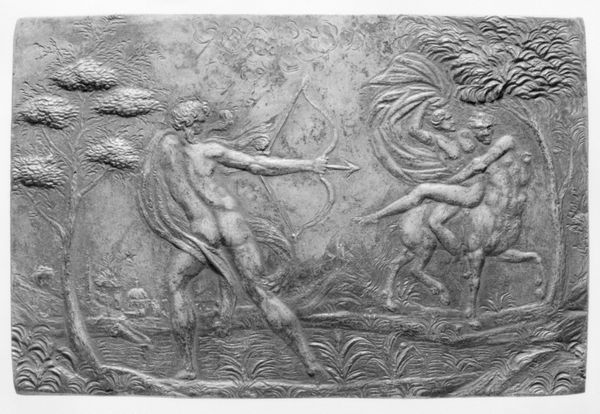
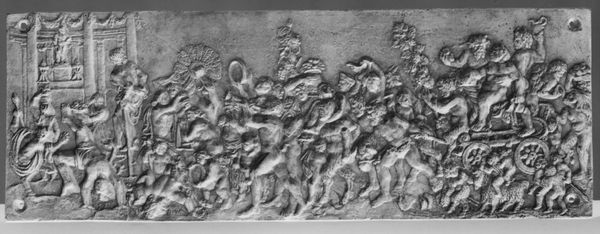
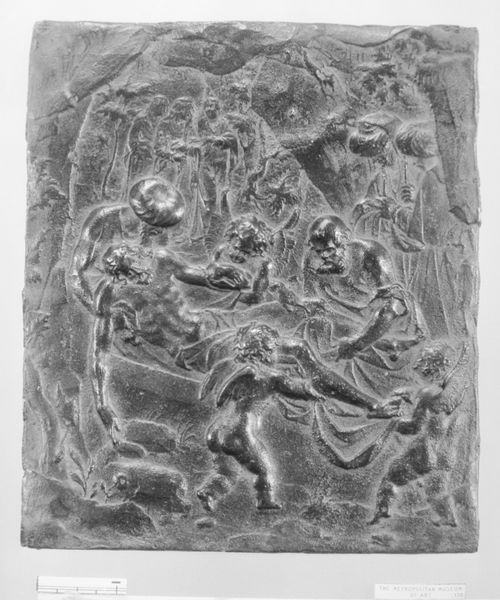
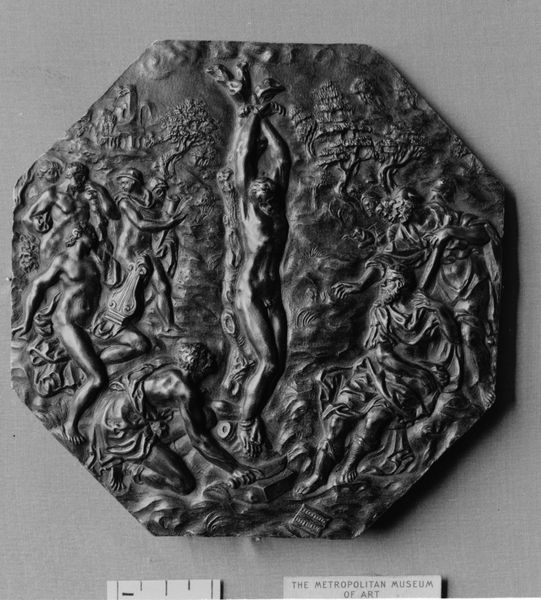
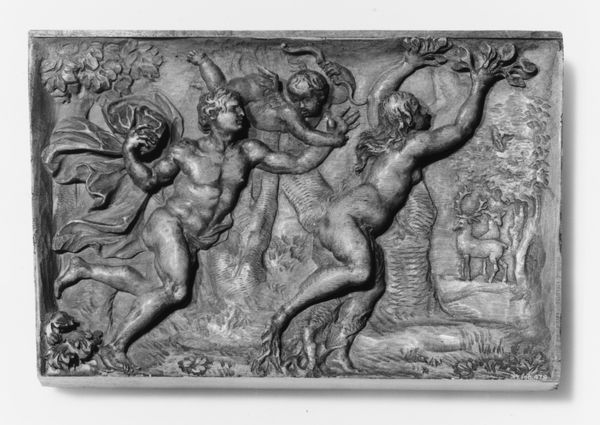
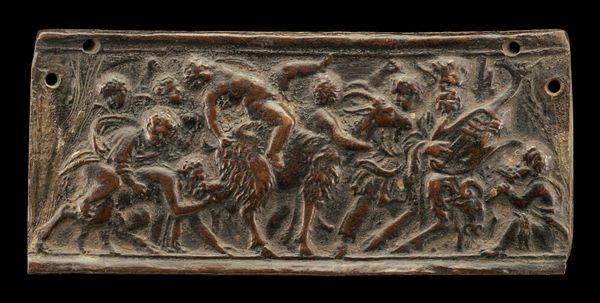
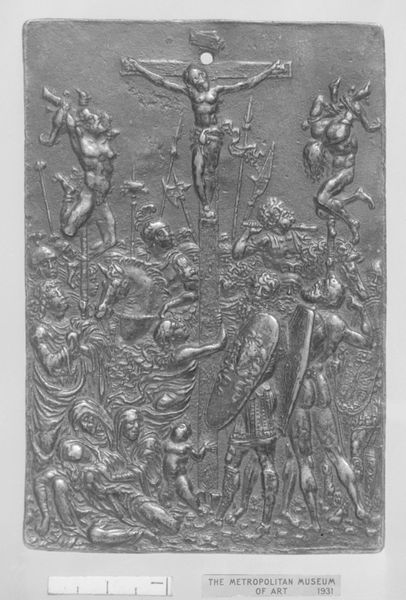
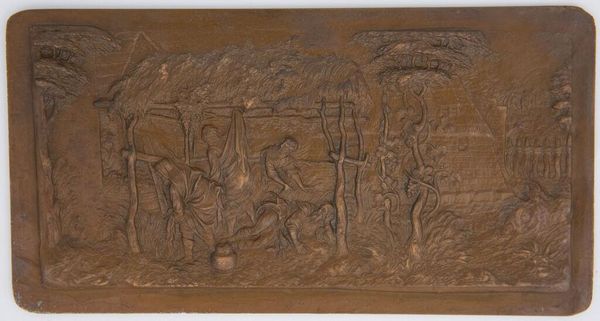
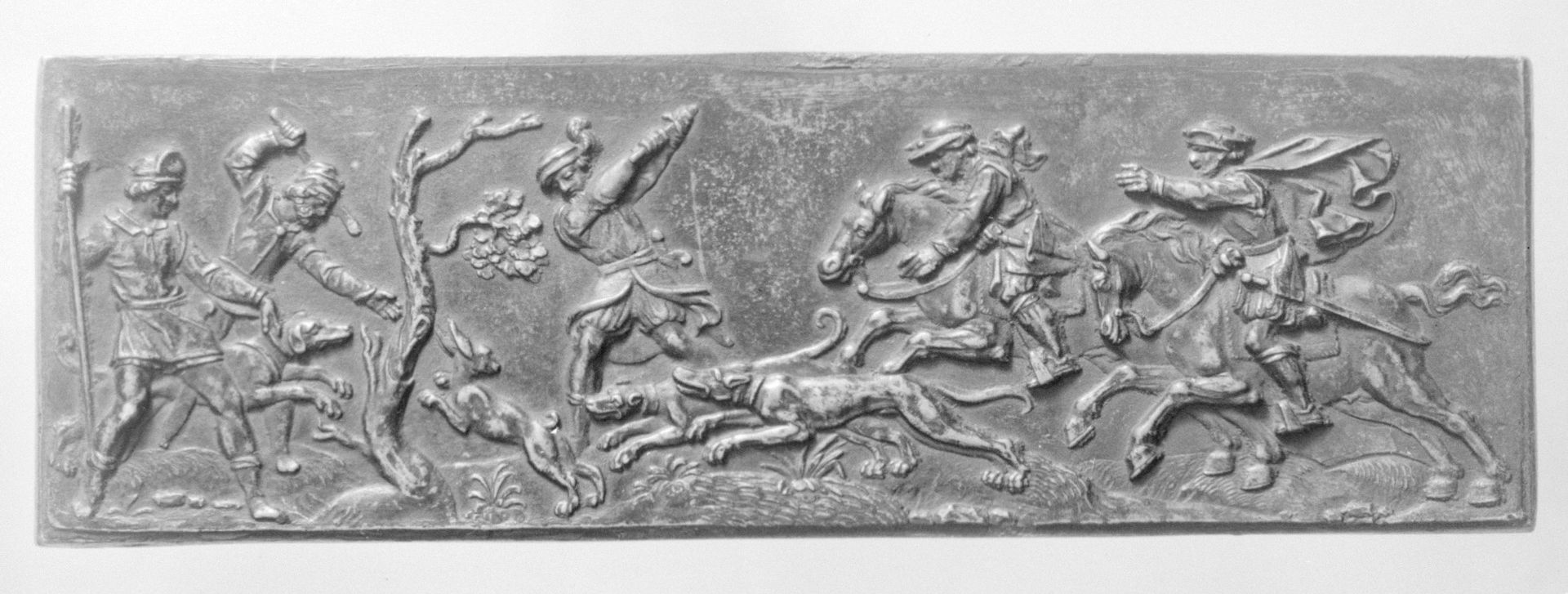
This Hunting Scene was made by Pankraz Labenwolf, in sixteenth-century Germany, using cast bronze. The artist has captured the drama of the hunt in shallow relief. Notice how Labenwolf used the inherent qualities of bronze: its weightiness to convey a sense of permanence, its malleability to capture fine details like the hunter's garments and the dogs' musculature. This wasn't just about artistic expression; it was also a display of technical skill. Bronze casting in this period was a labor-intensive process involving mold-making, smelting, and finishing, often done in workshops with specialized artisans. Labenwolf himself came from a family of metalworkers. The choice of bronze, a costly material, suggests this plaque was intended for a wealthy patron, someone who appreciated both the artistry and the expense involved. It's a fascinating example of how the materials and making processes are closely tied to social status and cultural values.
Hunting scene
1565 - 1585


Artwork details
- Medium
- metal, relief, bronze, sculpture
- Dimensions
- 2 3/4 × 8 3/4 in. (7 × 22.2 cm)
- Location
- Metropolitan Museum of Art, New York, NY
- Copyright
- Public Domain
Tags
Comments
Share your thoughts
About this artwork
This Hunting Scene was made by Pankraz Labenwolf, in sixteenth-century Germany, using cast bronze. The artist has captured the drama of the hunt in shallow relief. Notice how Labenwolf used the inherent qualities of bronze: its weightiness to convey a sense of permanence, its malleability to capture fine details like the hunter's garments and the dogs' musculature. This wasn't just about artistic expression; it was also a display of technical skill. Bronze casting in this period was a labor-intensive process involving mold-making, smelting, and finishing, often done in workshops with specialized artisans. Labenwolf himself came from a family of metalworkers. The choice of bronze, a costly material, suggests this plaque was intended for a wealthy patron, someone who appreciated both the artistry and the expense involved. It's a fascinating example of how the materials and making processes are closely tied to social status and cultural values.
Comments
Share your thoughts