About this artwork
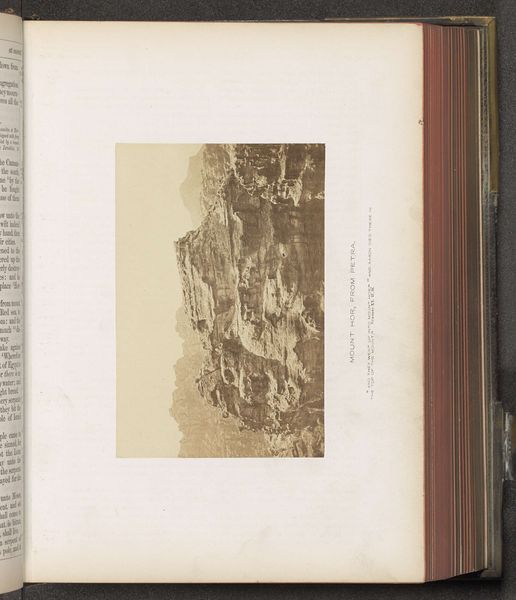
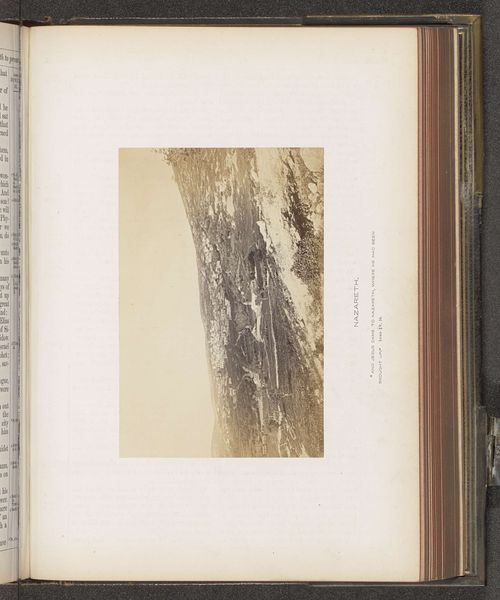
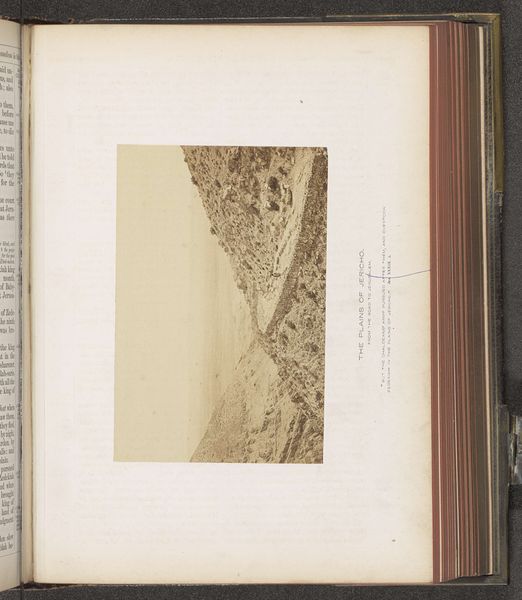
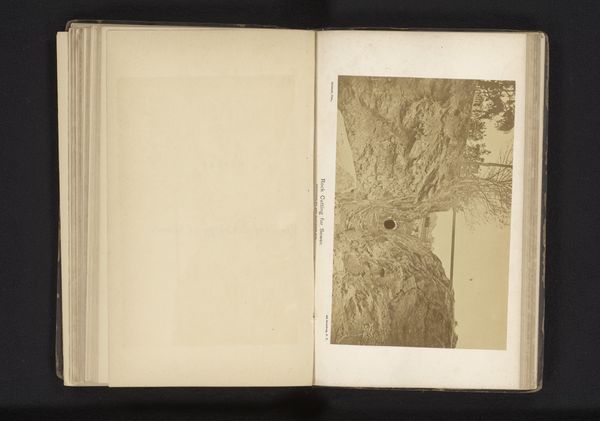
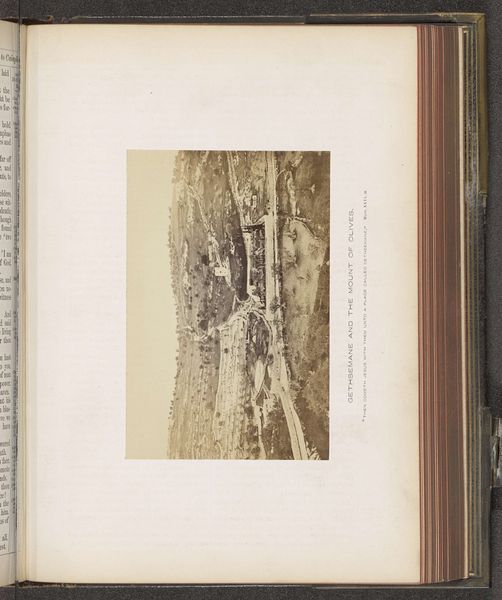
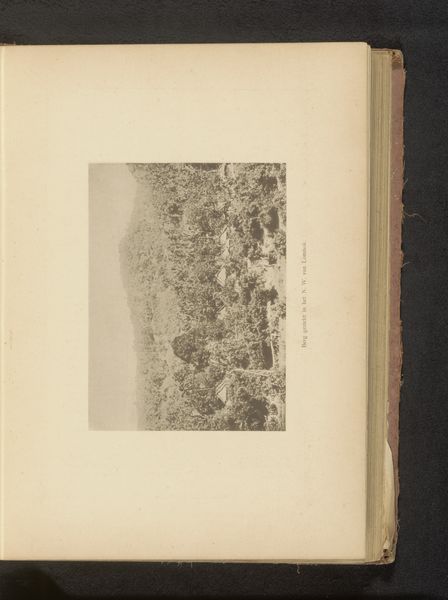
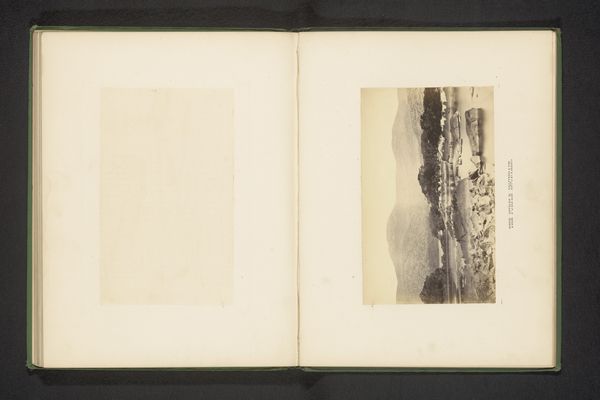
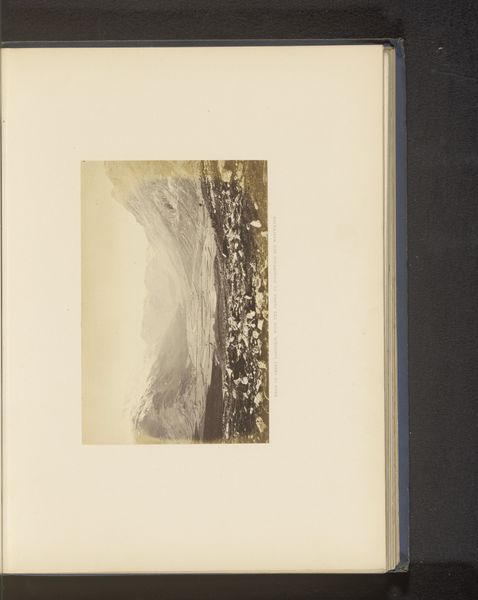
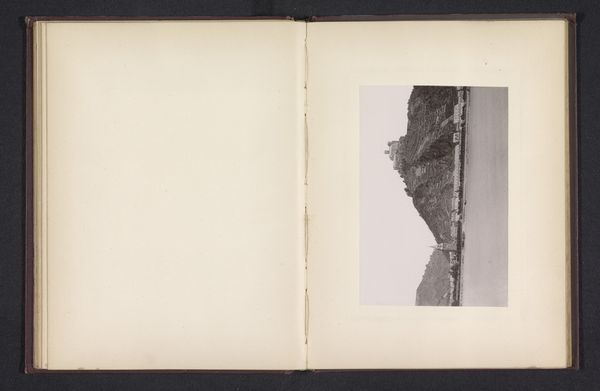
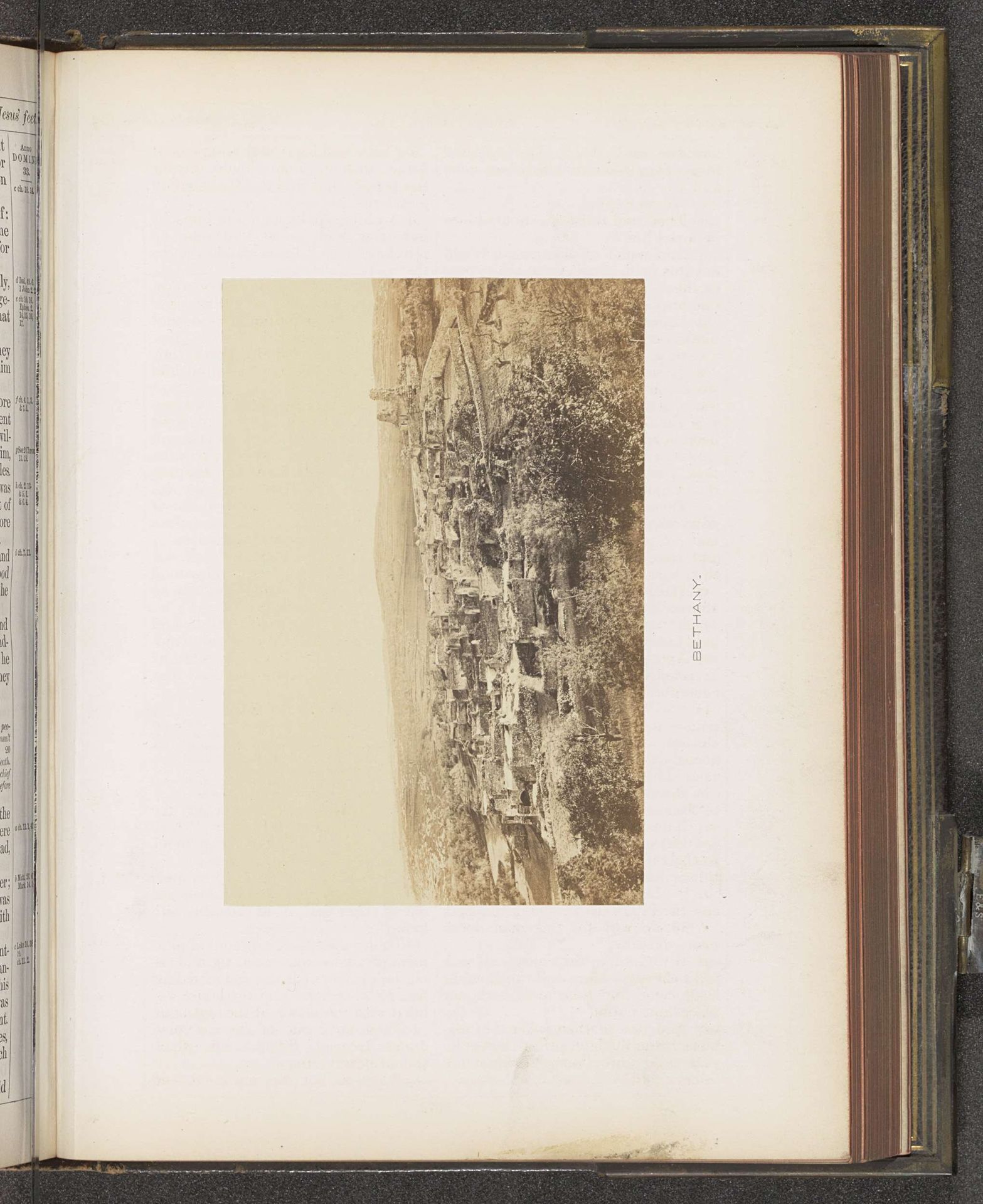
This photograph, "Landschap met ruïnes, aangeduid als Bethanië" or Landscape with ruins, identified as Bethany, was created by Francis Frith. It shows a landscape dominated by the sharp, angular forms of ruined structures. The composition invites us to consider the interplay between light and shadow across the textured surfaces of stone and foliage. Frith uses the formal elements of photography to structure a discourse on time and memory. The ruins can be seen as a signifier, charged with cultural and historical significance. They destabilize the common perception of space, as the present is filled with vestiges of the past. Note how Frith's work challenges fixed meanings. The image provides not just a view of a physical location, but also an invitation to consider broader themes such as the passage of time, and the layering of history on the landscape. This photograph encourages us to recognize that the aesthetic dimension of art is deeply entwined with historical and philosophical dialogues.
Landschap met ruïnes, aangeduid als Bethanië
c. 1850 - 1865

Francis Frith
1822 - 1898Location
RijksmuseumArtwork details
- Medium
- photography, albumen-print
- Dimensions
- height 105 mm, width 157 mm
- Location
- Rijksmuseum
- Copyright
- Rijks Museum: Open Domain
Tags
Comments
Share your thoughts
About this artwork
This photograph, "Landschap met ruïnes, aangeduid als Bethanië" or Landscape with ruins, identified as Bethany, was created by Francis Frith. It shows a landscape dominated by the sharp, angular forms of ruined structures. The composition invites us to consider the interplay between light and shadow across the textured surfaces of stone and foliage. Frith uses the formal elements of photography to structure a discourse on time and memory. The ruins can be seen as a signifier, charged with cultural and historical significance. They destabilize the common perception of space, as the present is filled with vestiges of the past. Note how Frith's work challenges fixed meanings. The image provides not just a view of a physical location, but also an invitation to consider broader themes such as the passage of time, and the layering of history on the landscape. This photograph encourages us to recognize that the aesthetic dimension of art is deeply entwined with historical and philosophical dialogues.
Comments
Share your thoughts