About this artwork
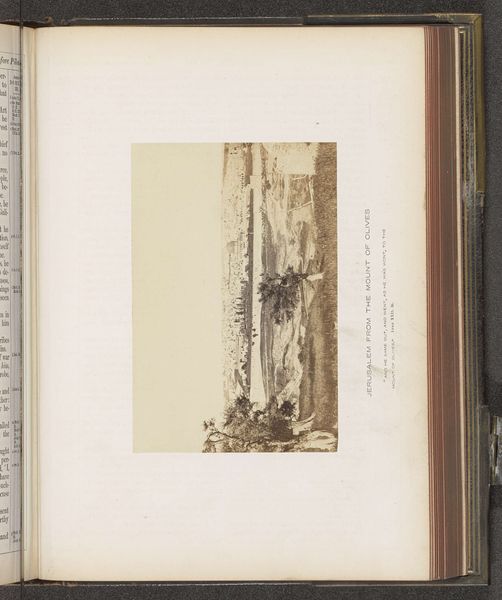
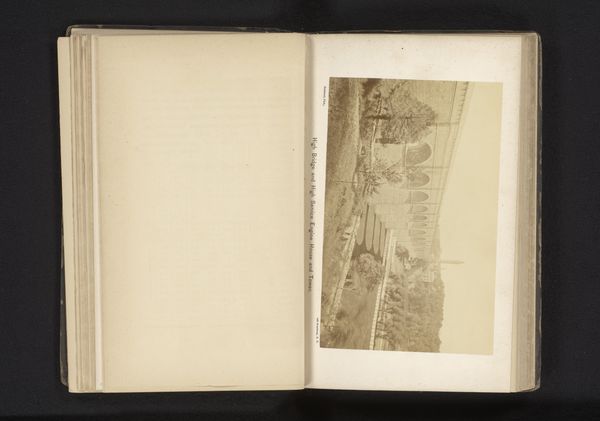
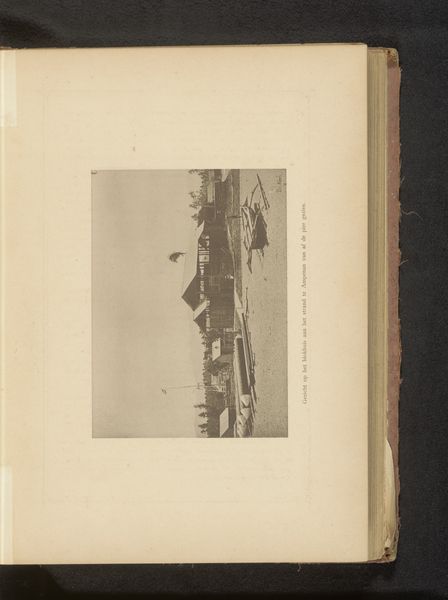
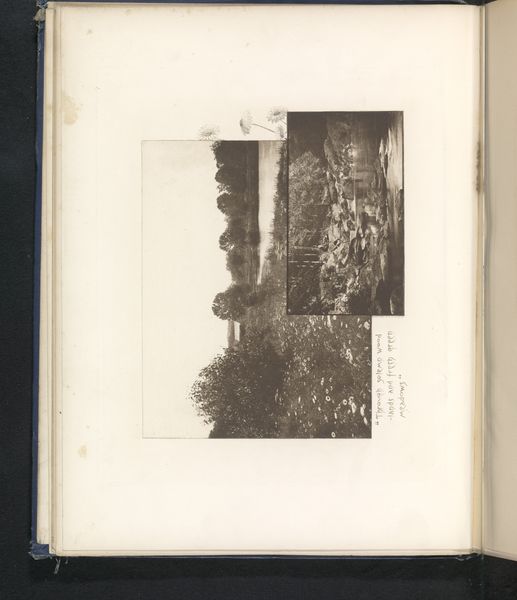
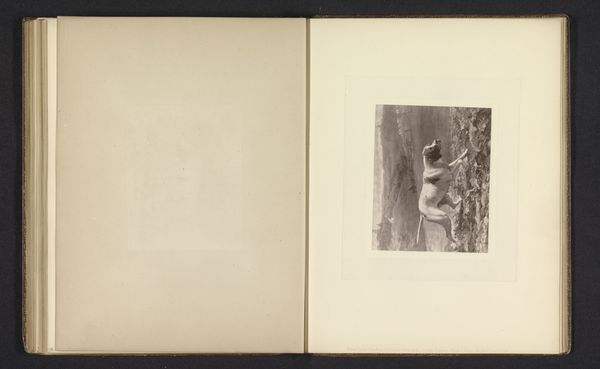
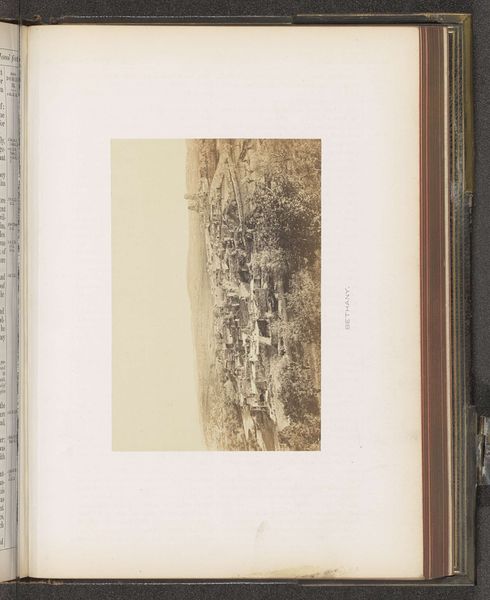
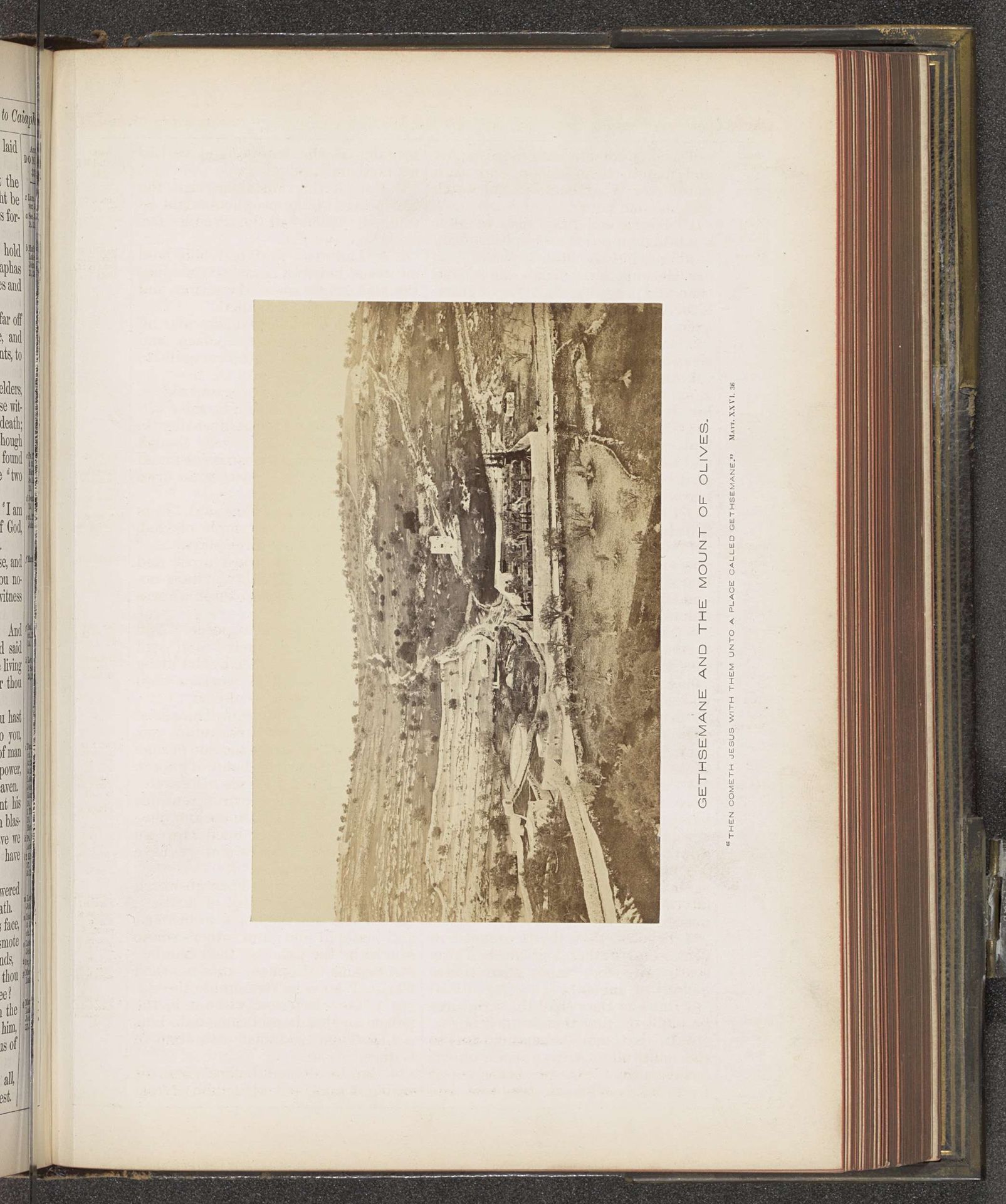
This photograph of the Mount of Olives was taken by Francis Frith sometime in the mid-19th century, using the collodion process. This technique, popular at the time, involved coating a glass plate with a light-sensitive emulsion, then exposing it in a camera. The resulting image, a collodion negative, would then be printed onto paper. Frith was one of the first photographers to extensively document the Middle East. What's interesting here is the industrialization of image-making – the mass production of photographs for a growing market of consumers eager to see the world. Frith's company employed many people, reflecting the changing nature of labor and the rise of a visual culture tied to commerce. Think about the amount of work involved, from setting up the shot in a distant land, to the darkroom processes, to the distribution of the final product. This photograph is a testament to the power of photography to shape our understanding of the world, and to the complex relationship between art, industry, and consumption.
Gezicht op de Olijfberg en het hof van Getsemane
c. 1850 - 1865

Francis Frith
1822 - 1898Location
RijksmuseumArtwork details
- Medium
- photography, photomontage, gelatin-silver-print
- Dimensions
- height 101 mm, width 154 mm
- Location
- Rijksmuseum
- Copyright
- Rijks Museum: Open Domain
Tags
Comments
Share your thoughts
About this artwork
This photograph of the Mount of Olives was taken by Francis Frith sometime in the mid-19th century, using the collodion process. This technique, popular at the time, involved coating a glass plate with a light-sensitive emulsion, then exposing it in a camera. The resulting image, a collodion negative, would then be printed onto paper. Frith was one of the first photographers to extensively document the Middle East. What's interesting here is the industrialization of image-making – the mass production of photographs for a growing market of consumers eager to see the world. Frith's company employed many people, reflecting the changing nature of labor and the rise of a visual culture tied to commerce. Think about the amount of work involved, from setting up the shot in a distant land, to the darkroom processes, to the distribution of the final product. This photograph is a testament to the power of photography to shape our understanding of the world, and to the complex relationship between art, industry, and consumption.
Comments
Share your thoughts