About this artwork
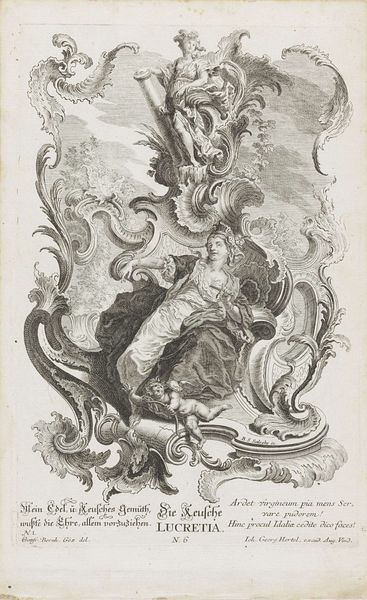
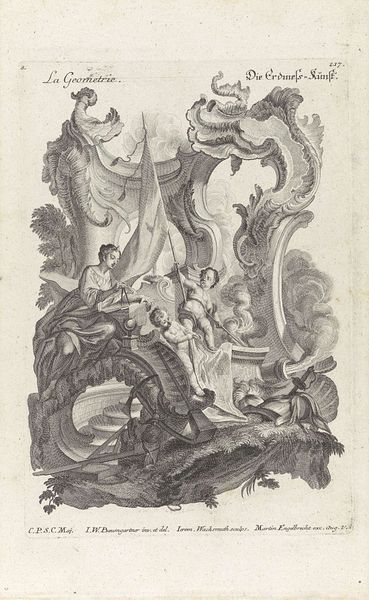
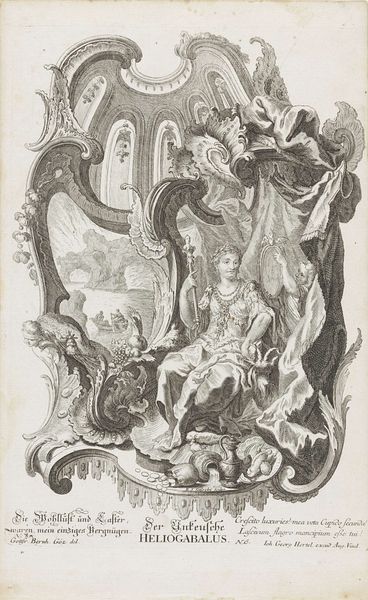
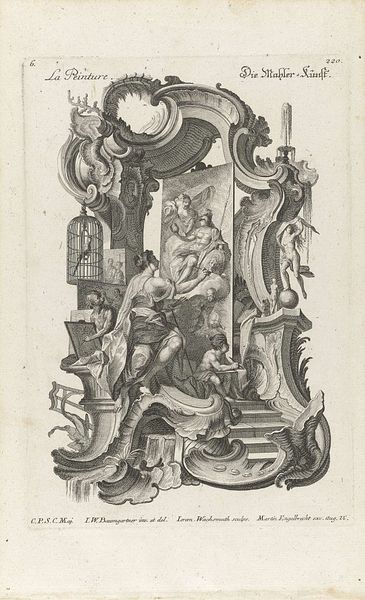
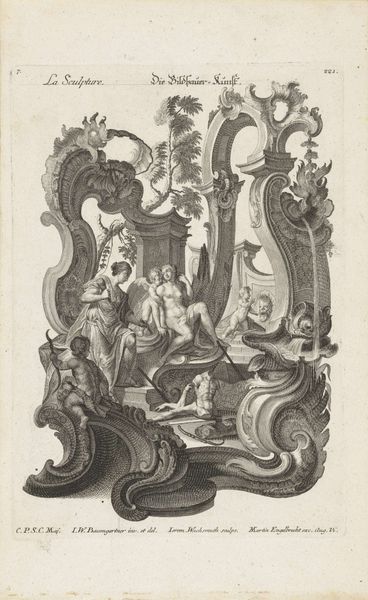
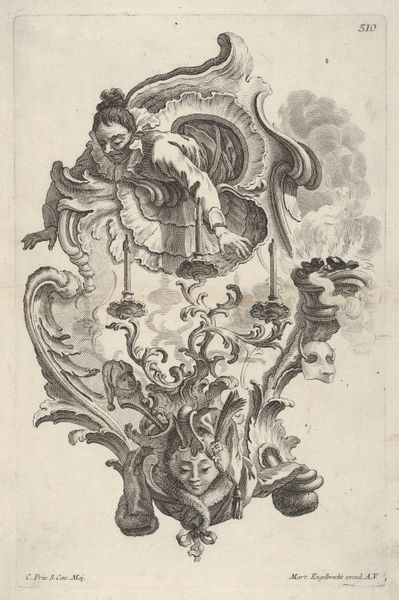
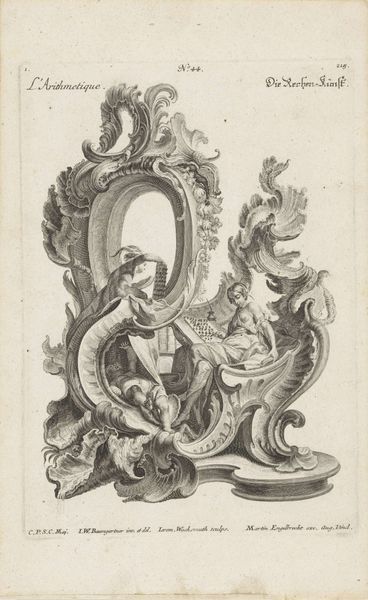
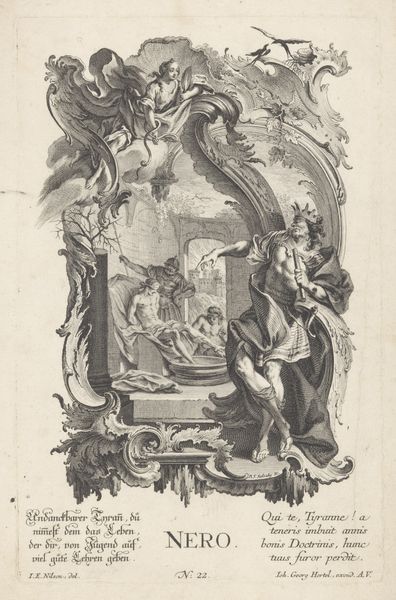
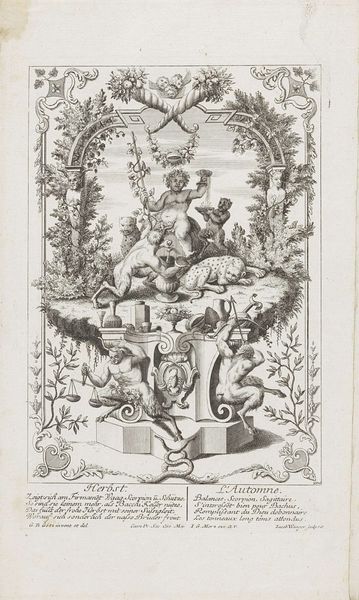
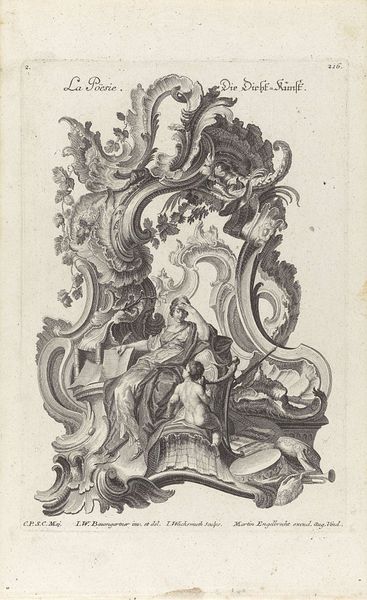
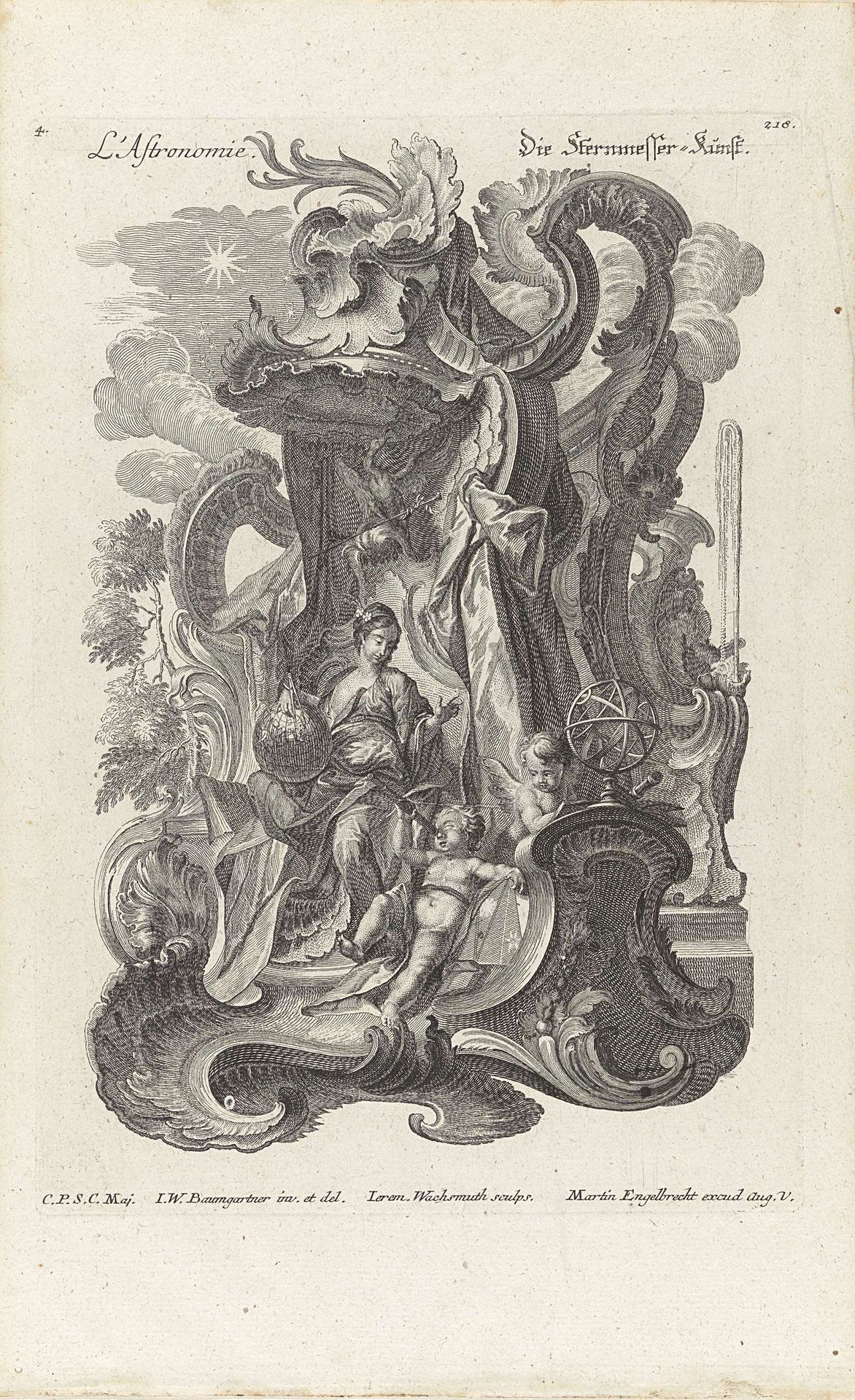
This print, Rocaille with the Personification of Astronomy, was made by Jeremias Wachsmuth in the 18th century. Its primary material is ink on paper, brought into being through a process called engraving. Notice the extraordinary detail, achieved by carefully incising lines into a metal plate, inking it, and then pressing paper onto the surface. Wachsmuth’s skill in this process allows for a remarkable range of tonal variation, and it is this that gives the print its visual richness. But let’s also consider the social context. Engraving like this was essential for disseminating knowledge. It was a reproductive technique, used to spread visual information widely and relatively cheaply. Prints like this made scientific concepts accessible, and contributed to the Enlightenment project of democratizing knowledge. The labor-intensive process also highlights the crucial role of skilled artisans in this historical moment, who used their craft to fuel intellectual progress.
Rocaille met de personificatie van de Sterrenkunde (Astronomie)
1719 - 1749

Jeremias Wachsmuth
1712 - 1771Location
RijksmuseumArtwork details
- Dimensions
- height 282 mm, width 200 mm
- Location
- Rijksmuseum
- Copyright
- Rijks Museum: Open Domain
Comments
Share your thoughts
About this artwork
This print, Rocaille with the Personification of Astronomy, was made by Jeremias Wachsmuth in the 18th century. Its primary material is ink on paper, brought into being through a process called engraving. Notice the extraordinary detail, achieved by carefully incising lines into a metal plate, inking it, and then pressing paper onto the surface. Wachsmuth’s skill in this process allows for a remarkable range of tonal variation, and it is this that gives the print its visual richness. But let’s also consider the social context. Engraving like this was essential for disseminating knowledge. It was a reproductive technique, used to spread visual information widely and relatively cheaply. Prints like this made scientific concepts accessible, and contributed to the Enlightenment project of democratizing knowledge. The labor-intensive process also highlights the crucial role of skilled artisans in this historical moment, who used their craft to fuel intellectual progress.
Comments
Share your thoughts