About this artwork
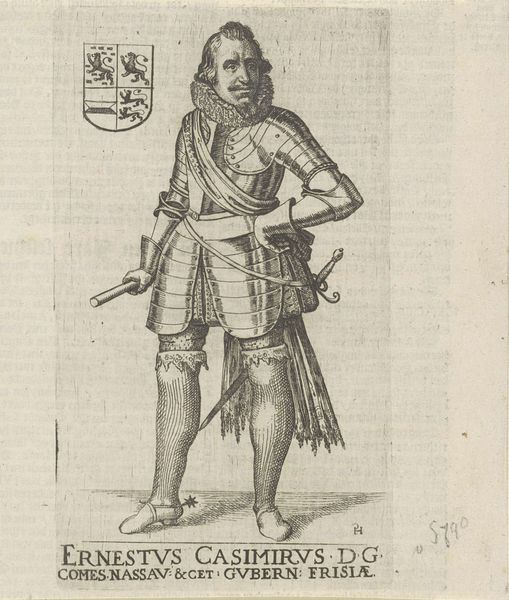
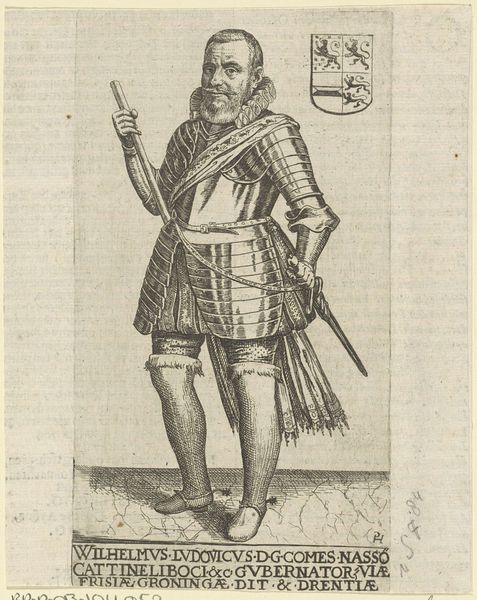
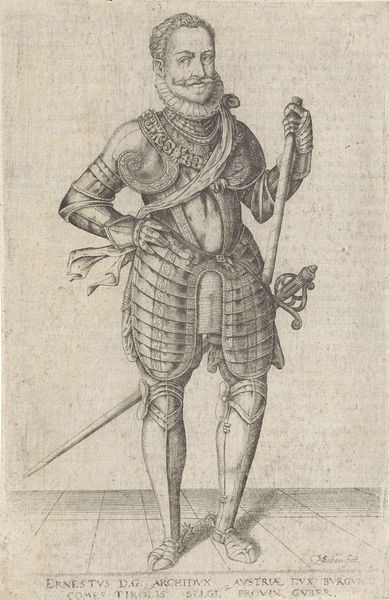
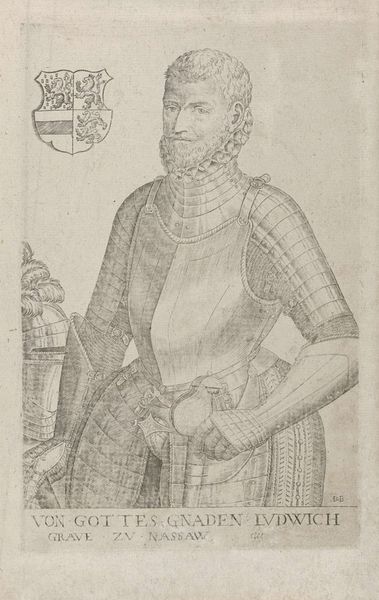
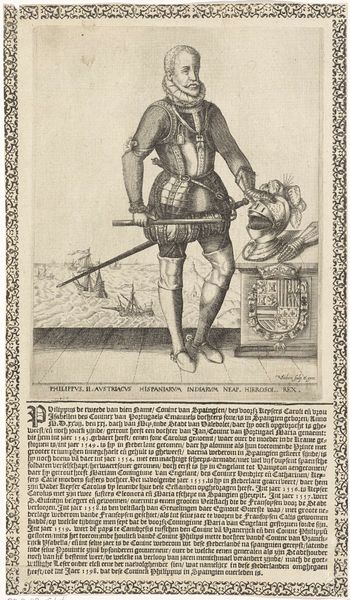
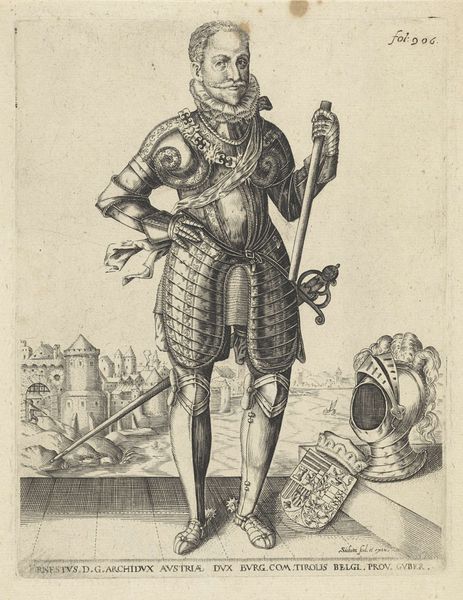
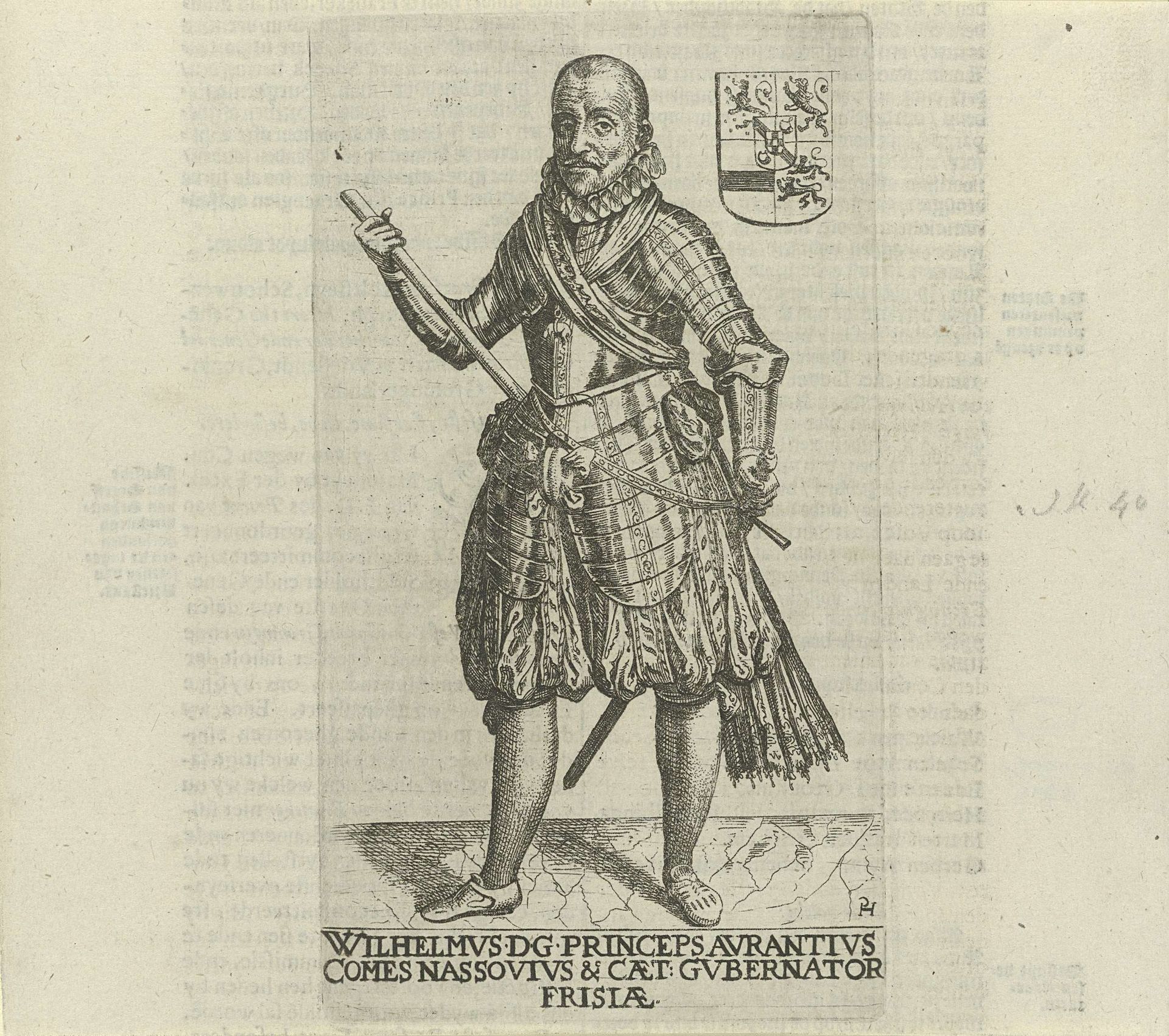
Pieter Feddes van Harlingen created this portrait of Willem I, Prince of Orange with engraving. The fine, precise lines are the essence of this printmaking technique. A metal plate, likely copper, was painstakingly incised, filled with ink, and then pressed onto paper, transferring the image. Look closely, and you can see how the cross-hatching of lines defines the form and texture of Willem's armor, creating a sense of depth. The material qualities of the metal plate and the artist's skilled handling of the engraving tools directly influence the print's aesthetic. Engraving was not just a means of artistic expression; it was a crucial method for disseminating information and imagery in the early modern period. Prints like these made portraits accessible to a wider audience, contributing to the construction of public figures. This work challenges traditional distinctions between art and craft, emphasizing the importance of understanding materials, making, and the broader social context in which it was created.
Portret van Willem I, prins van Oranje 1622

Pieter Feddes van Harlingen
1614Location
RijksmuseumArtwork details
- Medium
- print, engraving
- Dimensions
- height 162 mm, width 91 mm
- Location
- Rijksmuseum
- Copyright
- Rijks Museum: Open Domain
Tags
portrait
baroque
old engraving style
figuration
line
history-painting
engraving
Comments
No comments
About this artwork
Pieter Feddes van Harlingen created this portrait of Willem I, Prince of Orange with engraving. The fine, precise lines are the essence of this printmaking technique. A metal plate, likely copper, was painstakingly incised, filled with ink, and then pressed onto paper, transferring the image. Look closely, and you can see how the cross-hatching of lines defines the form and texture of Willem's armor, creating a sense of depth. The material qualities of the metal plate and the artist's skilled handling of the engraving tools directly influence the print's aesthetic. Engraving was not just a means of artistic expression; it was a crucial method for disseminating information and imagery in the early modern period. Prints like these made portraits accessible to a wider audience, contributing to the construction of public figures. This work challenges traditional distinctions between art and craft, emphasizing the importance of understanding materials, making, and the broader social context in which it was created.
Comments
No comments