About this artwork
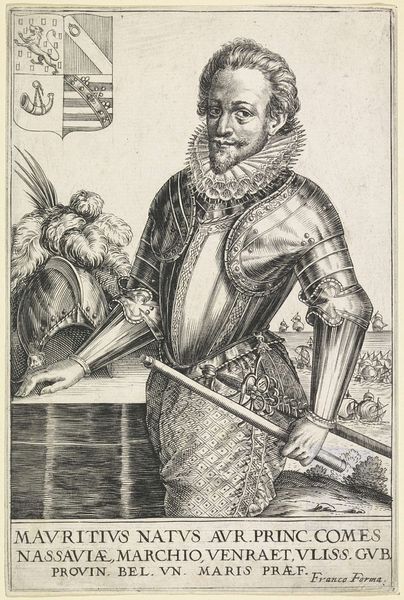
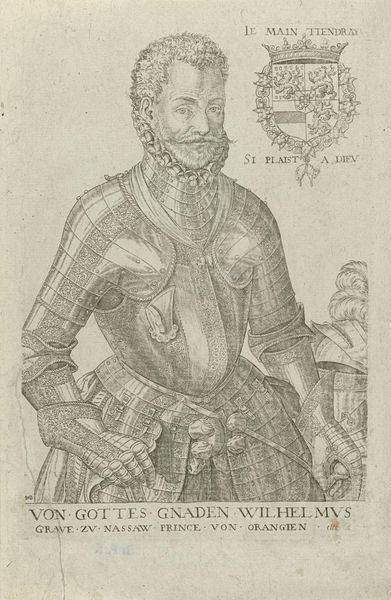
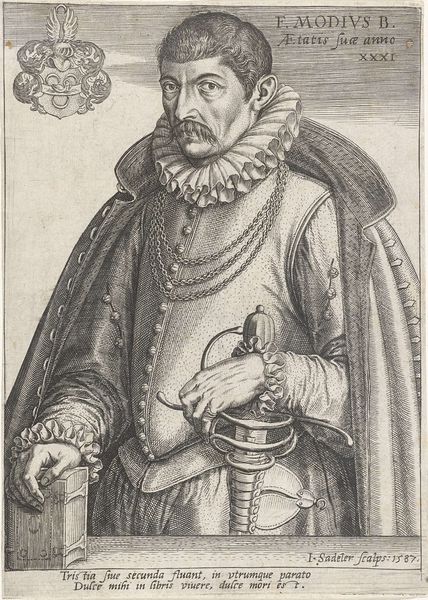
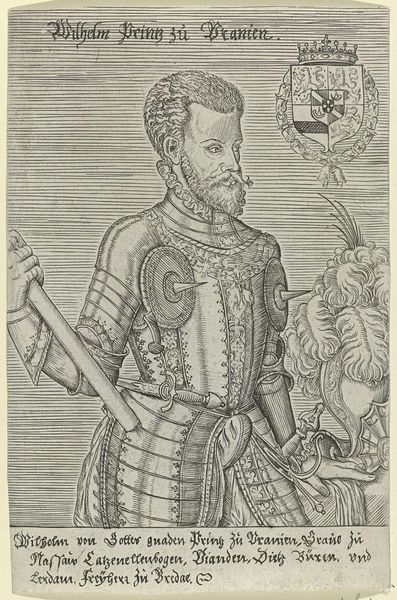
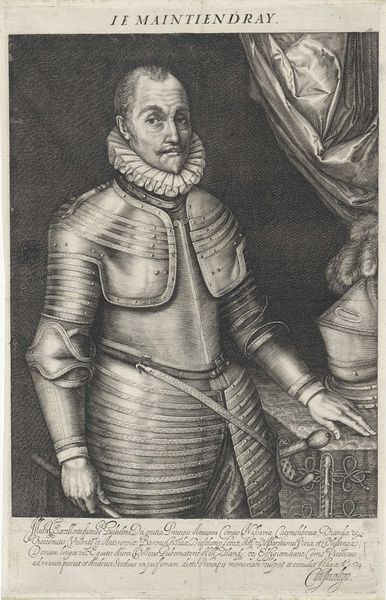
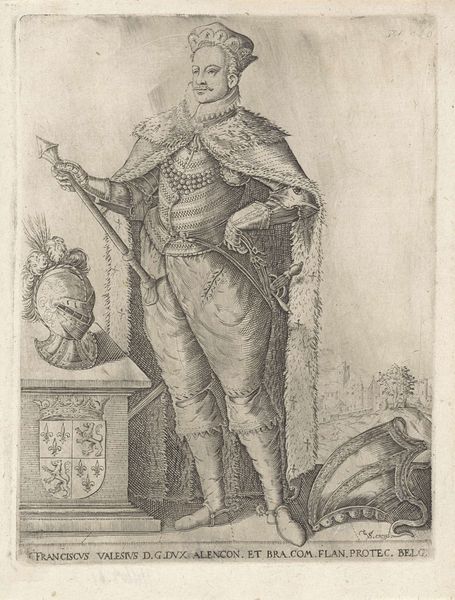
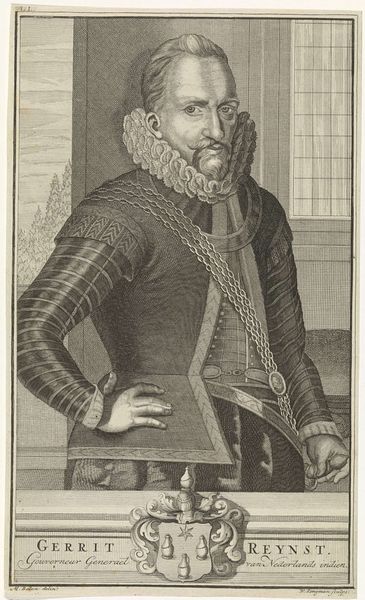
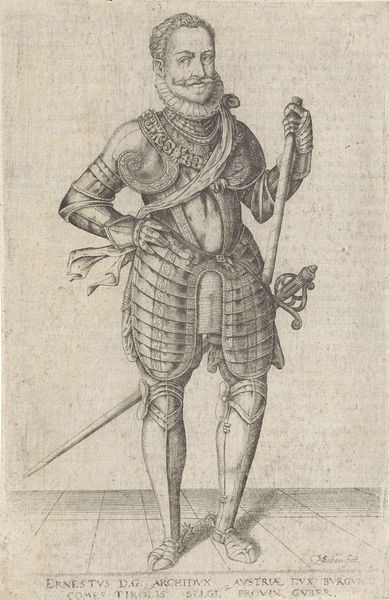
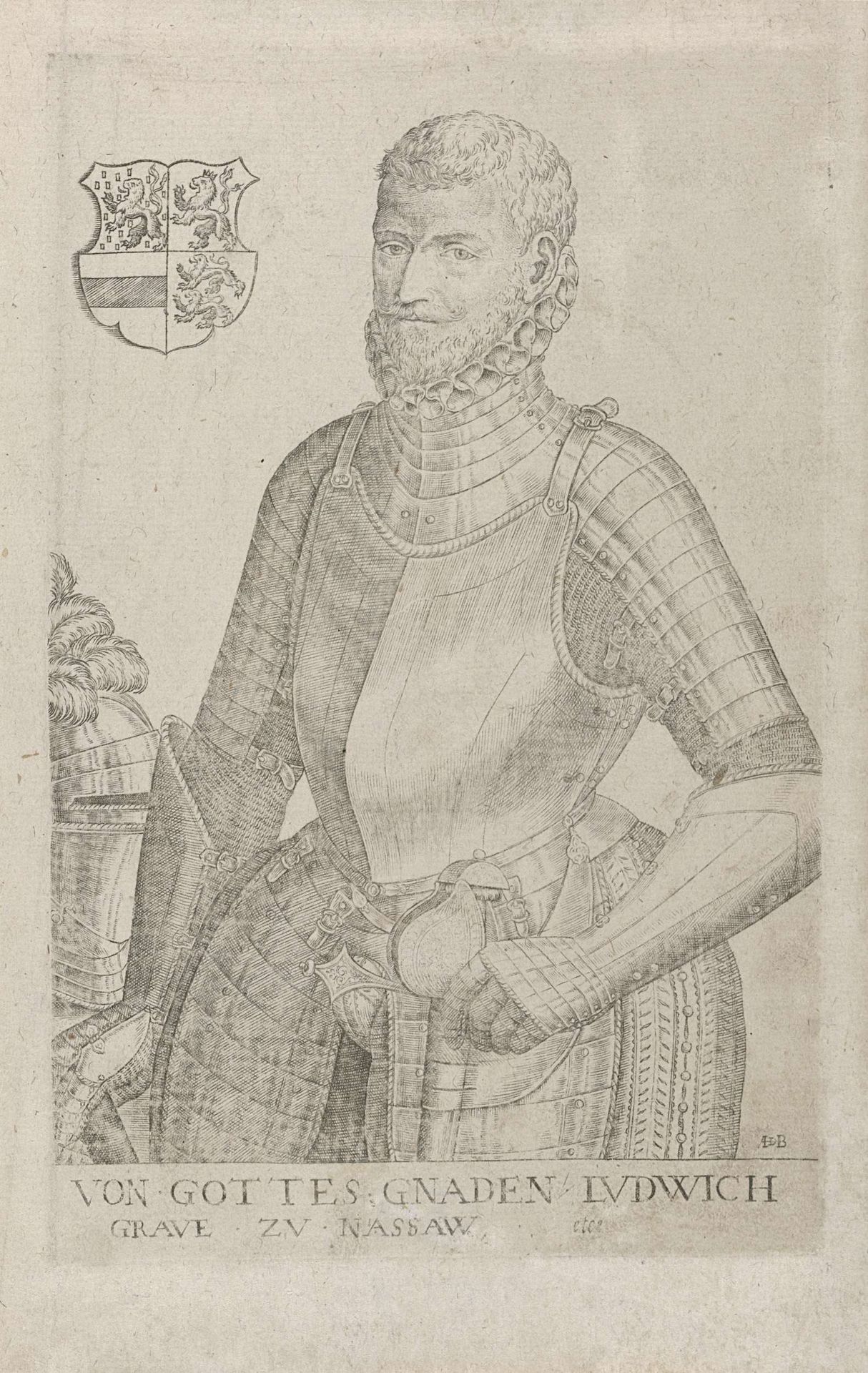
This is Abraham de Bruyn's portrait of Lodewijk, Count of Nassau, created in the late 16th century. Lodewijk is depicted in full armor, a symbol of his status and role as a military leader during a tumultuous period in European history. Lodewijk's identity as a nobleman is clearly signaled through the symbols of power and authority, from his family crest to his protective battle gear. But it also reflects the complex intersections of class, religion, and politics during the Reformation. As a key figure in the Dutch Revolt against Spanish rule, Lodewijk fought for religious freedom and self-determination. Yet, it's also a story of aristocratic power and the privileges afforded to those of noble birth. Consider how portraits like these reinforced the social hierarchy and shaped perceptions of leadership and valor. It invites us to reflect on how identity is constructed through both personal attributes and historical circumstances.
Portret van Lodewijk, graaf van Nassau
c. 1553 - 1587

Abraham de Bruyn
1540 - 1587Location
RijksmuseumArtwork details
- Medium
- print, engraving
- Dimensions
- height 209 mm, width 132 mm
- Location
- Rijksmuseum
- Copyright
- Rijks Museum: Open Domain
Tags
portrait
old engraving style
11_renaissance
northern-renaissance
engraving
Comments
Be the first to share your thoughts about this work.
About this artwork
This is Abraham de Bruyn's portrait of Lodewijk, Count of Nassau, created in the late 16th century. Lodewijk is depicted in full armor, a symbol of his status and role as a military leader during a tumultuous period in European history. Lodewijk's identity as a nobleman is clearly signaled through the symbols of power and authority, from his family crest to his protective battle gear. But it also reflects the complex intersections of class, religion, and politics during the Reformation. As a key figure in the Dutch Revolt against Spanish rule, Lodewijk fought for religious freedom and self-determination. Yet, it's also a story of aristocratic power and the privileges afforded to those of noble birth. Consider how portraits like these reinforced the social hierarchy and shaped perceptions of leadership and valor. It invites us to reflect on how identity is constructed through both personal attributes and historical circumstances.
Comments
Be the first to share your thoughts about this work.