About this artwork
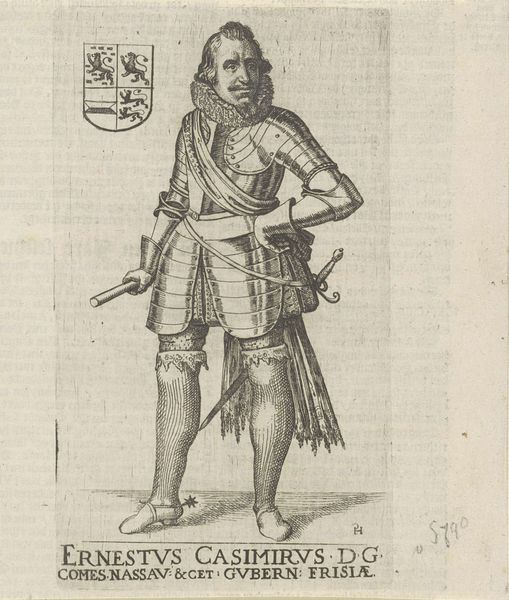
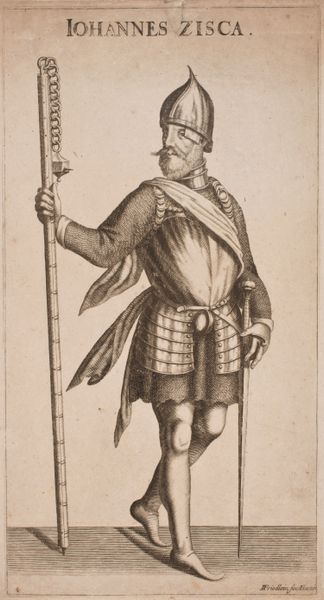
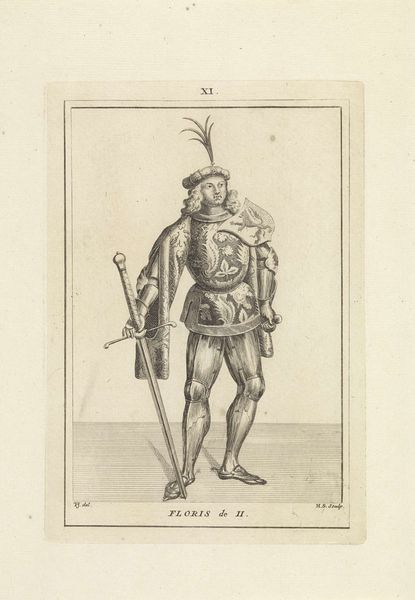
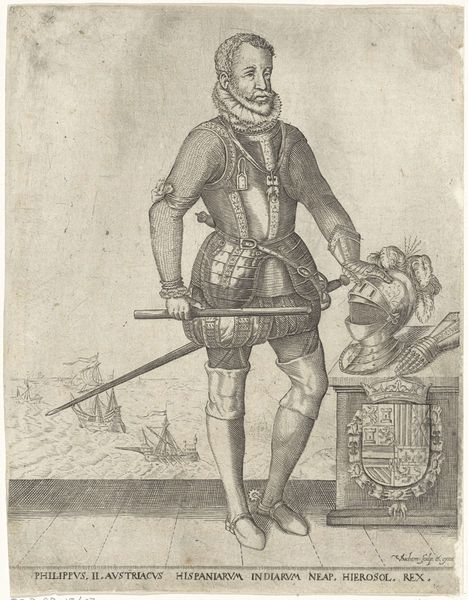
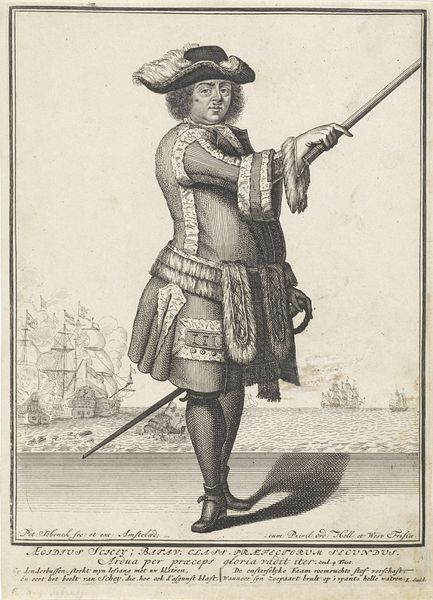
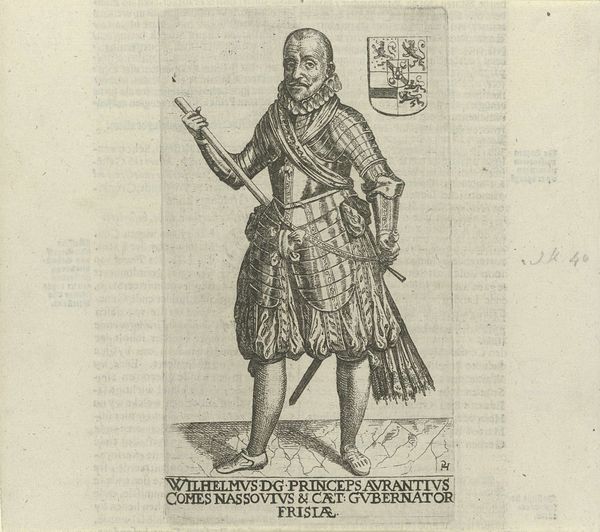
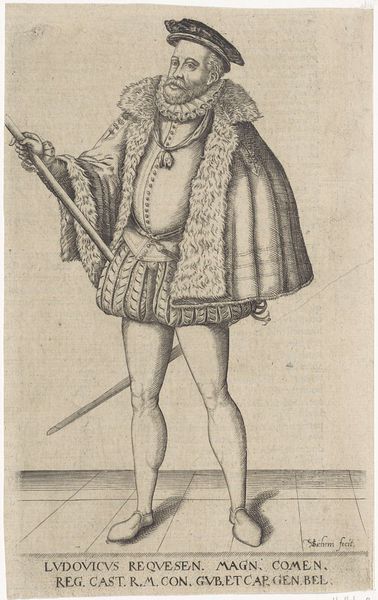
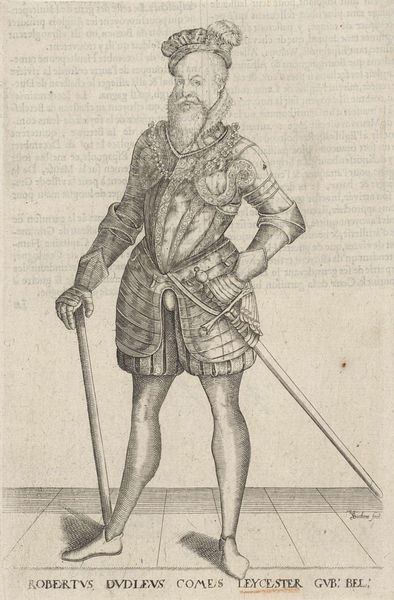
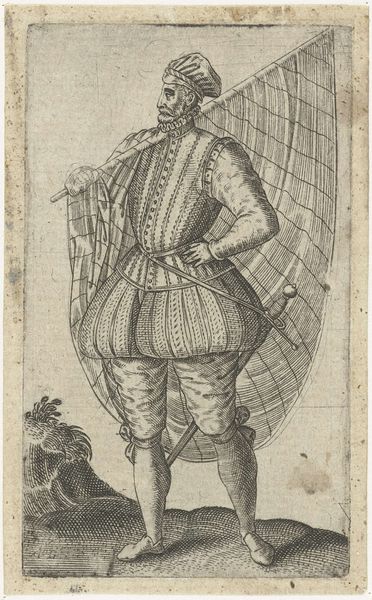
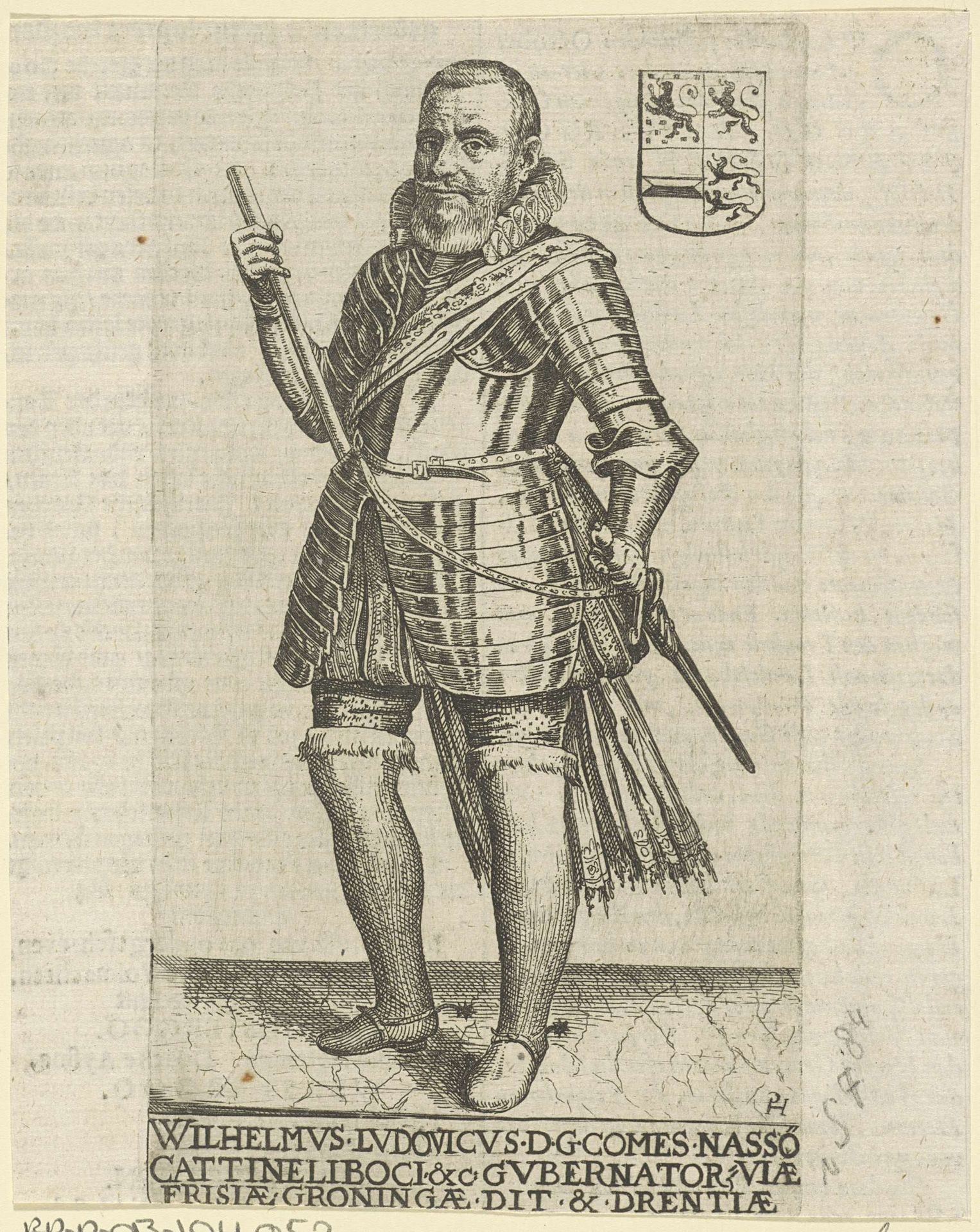
This small engraving shows Willem Lodewijk, Count of Nassau-Dillenburg, and was made by Pieter Feddes van Harlingen in the Netherlands. The portrait represents Lodewijk in full military regalia; an image which served to solidify his authority and status during a turbulent period in Dutch history. The print would have circulated widely, functioning as a form of political communication. Note the Latin inscription, a visual cue that would have reinforced Lodewijk's image as an educated and enlightened leader. The choice of Latin speaks to the cultural conventions of the time, in which the classical world was a touchstone for the powerful. To fully understand this image, we need to look at Dutch social structures of the 17th century. By examining prints like this, alongside other historical sources, we can gain insight into the ways in which power was negotiated and expressed through visual culture.
Portret van Willem Lodewijk, graaf van Nassau-Dillenburg
1622

Pieter Feddes van Harlingen
1614Location
RijksmuseumArtwork details
- Medium
- engraving
- Dimensions
- height 161 mm, width 130 mm
- Location
- Rijksmuseum
- Copyright
- Rijks Museum: Open Domain
Tags
Comments
Share your thoughts
About this artwork
This small engraving shows Willem Lodewijk, Count of Nassau-Dillenburg, and was made by Pieter Feddes van Harlingen in the Netherlands. The portrait represents Lodewijk in full military regalia; an image which served to solidify his authority and status during a turbulent period in Dutch history. The print would have circulated widely, functioning as a form of political communication. Note the Latin inscription, a visual cue that would have reinforced Lodewijk's image as an educated and enlightened leader. The choice of Latin speaks to the cultural conventions of the time, in which the classical world was a touchstone for the powerful. To fully understand this image, we need to look at Dutch social structures of the 17th century. By examining prints like this, alongside other historical sources, we can gain insight into the ways in which power was negotiated and expressed through visual culture.
Comments
Share your thoughts