About this artwork
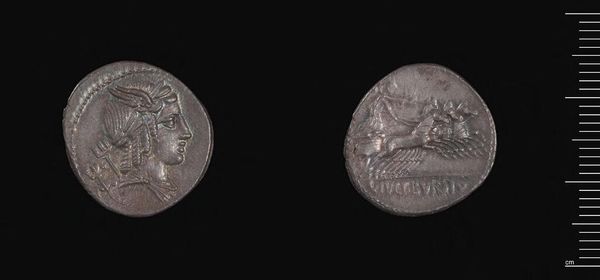
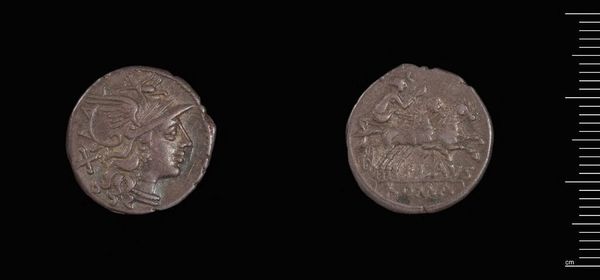
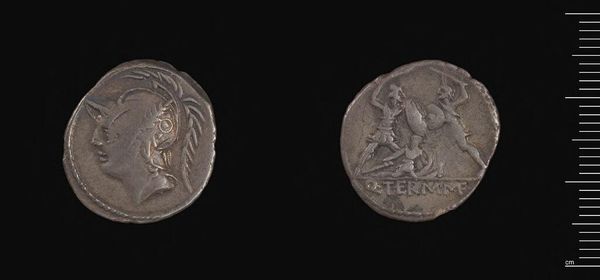
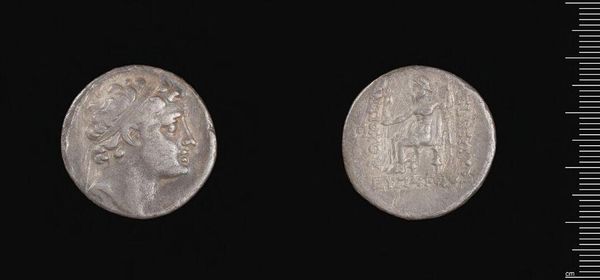
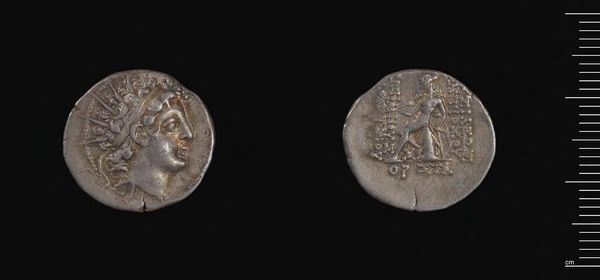
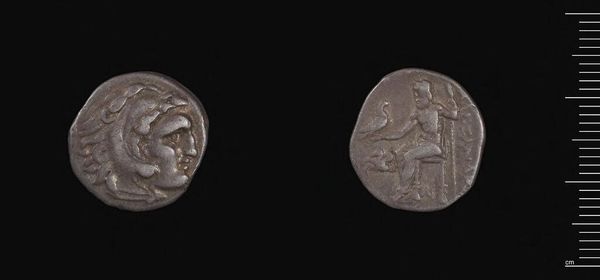
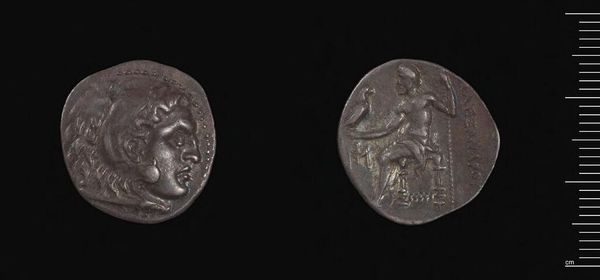
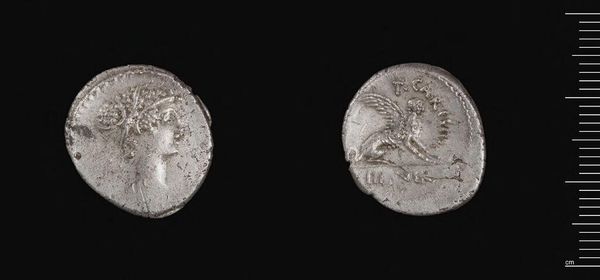
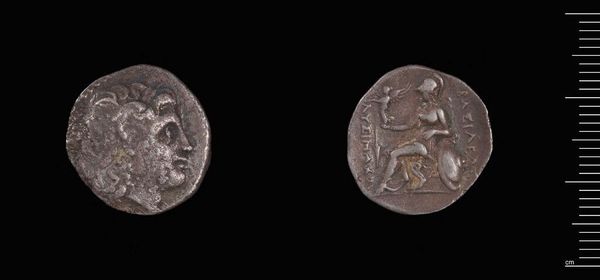
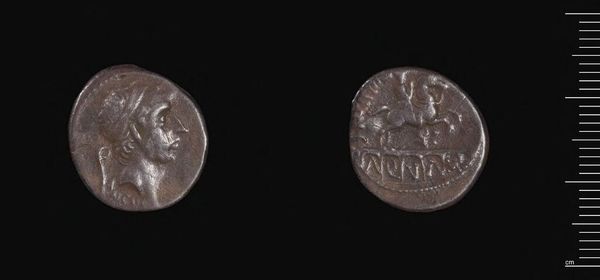
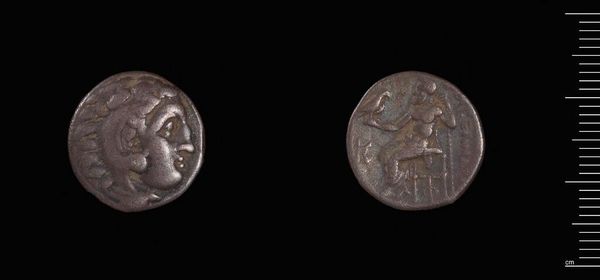
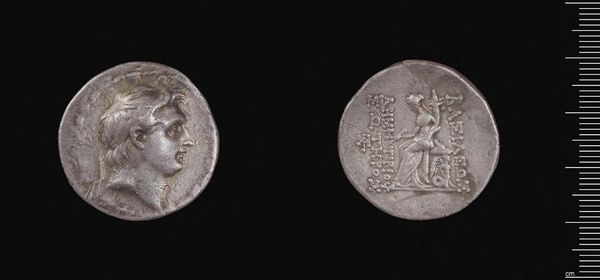
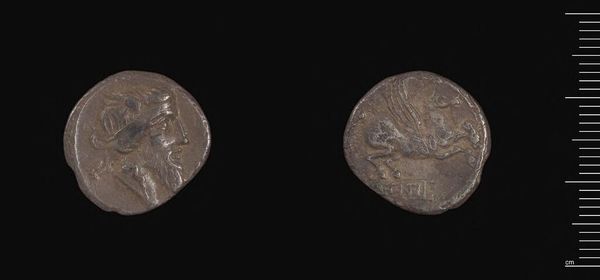
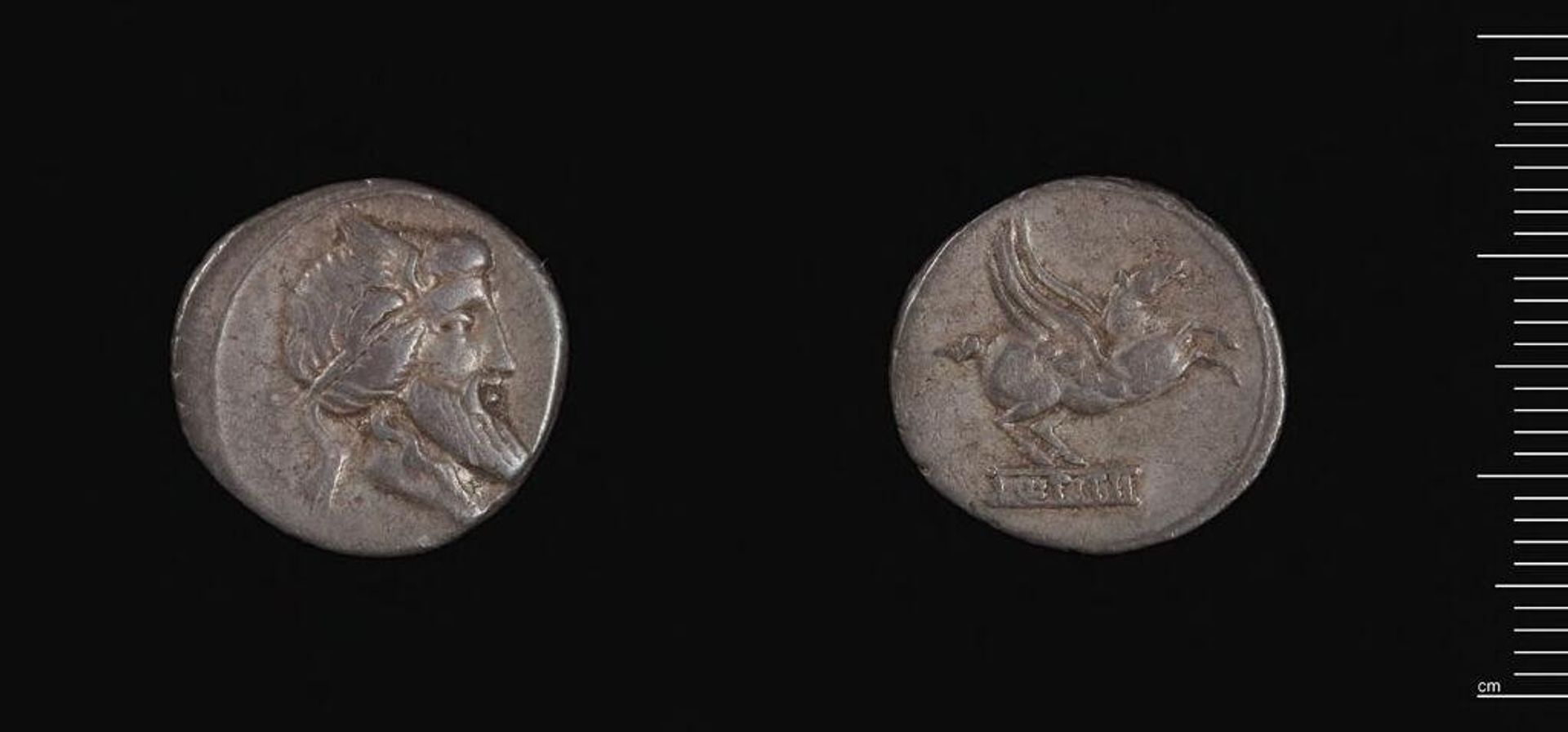
Editor: This is a Denarius of Q. Titius Mutto, Rome. The silver coin features a bearded head and a winged horse. I'm struck by how these small objects can carry so much history. What symbols do you see at play here? Curator: Consider the iconography of Janus, the two-faced god, often interpreted as looking to the past and future simultaneously. What memories did this imagery evoke for the Romans? Did the Pegasus represent aspiration, or perhaps a connection to mythical narratives? Editor: So, the coin wasn't just currency, but a vessel for cultural memory? Curator: Precisely. These images acted as potent reminders of identity and values, shaping the collective psyche. Think about the psychological power such symbols held in daily exchange. Editor: It’s amazing to think about the layers of meaning embedded in such a small object. Thanks!
Denarius of Q. Titius Mutto, Rome
90-87 BCE

Artwork details
- Dimensions
- 3.83 g
- Location
- Harvard Art Museums
- Copyright
- CC0 1.0
Comments
Share your thoughts
About this artwork
Editor: This is a Denarius of Q. Titius Mutto, Rome. The silver coin features a bearded head and a winged horse. I'm struck by how these small objects can carry so much history. What symbols do you see at play here? Curator: Consider the iconography of Janus, the two-faced god, often interpreted as looking to the past and future simultaneously. What memories did this imagery evoke for the Romans? Did the Pegasus represent aspiration, or perhaps a connection to mythical narratives? Editor: So, the coin wasn't just currency, but a vessel for cultural memory? Curator: Precisely. These images acted as potent reminders of identity and values, shaping the collective psyche. Think about the psychological power such symbols held in daily exchange. Editor: It’s amazing to think about the layers of meaning embedded in such a small object. Thanks!
Comments
Share your thoughts