About this artwork
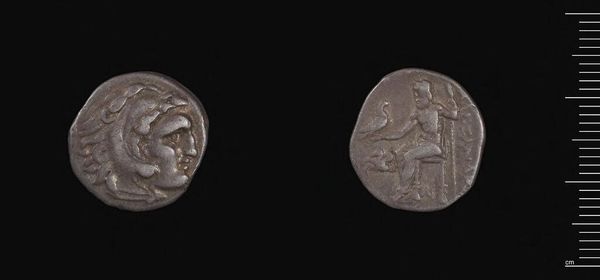
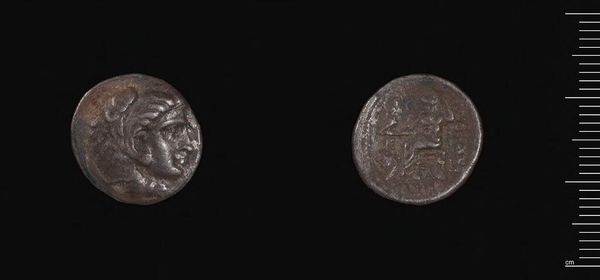
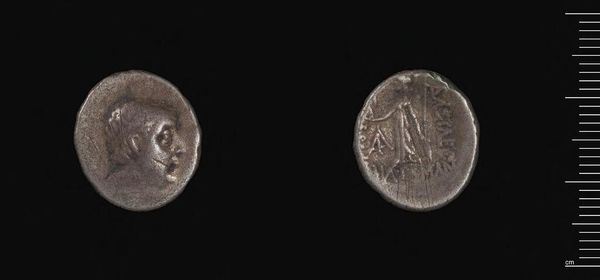
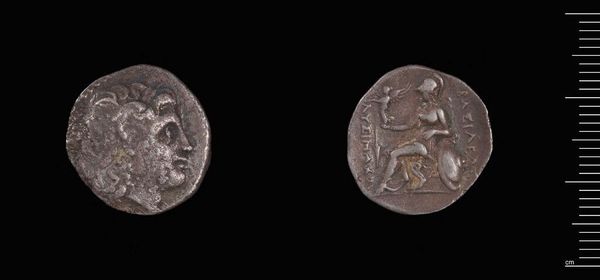
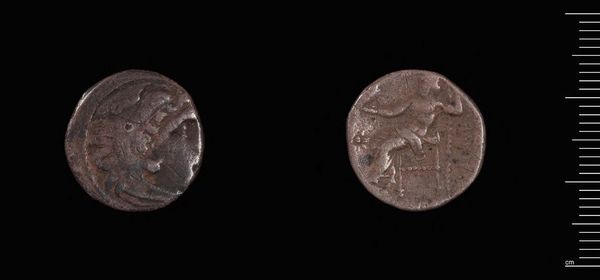
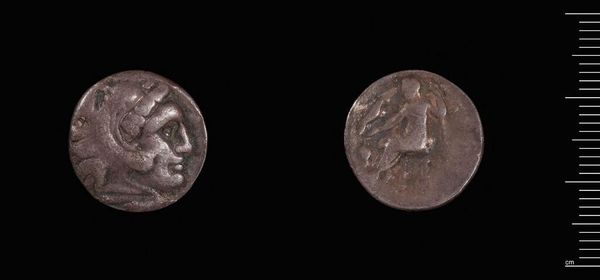
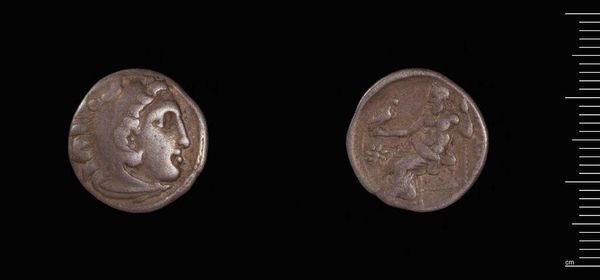
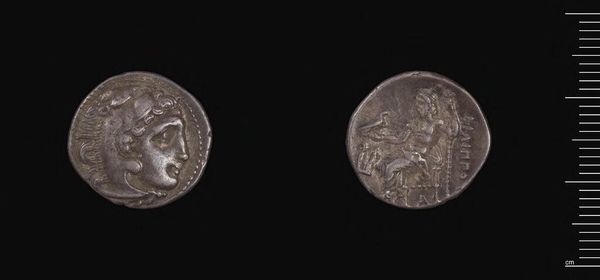
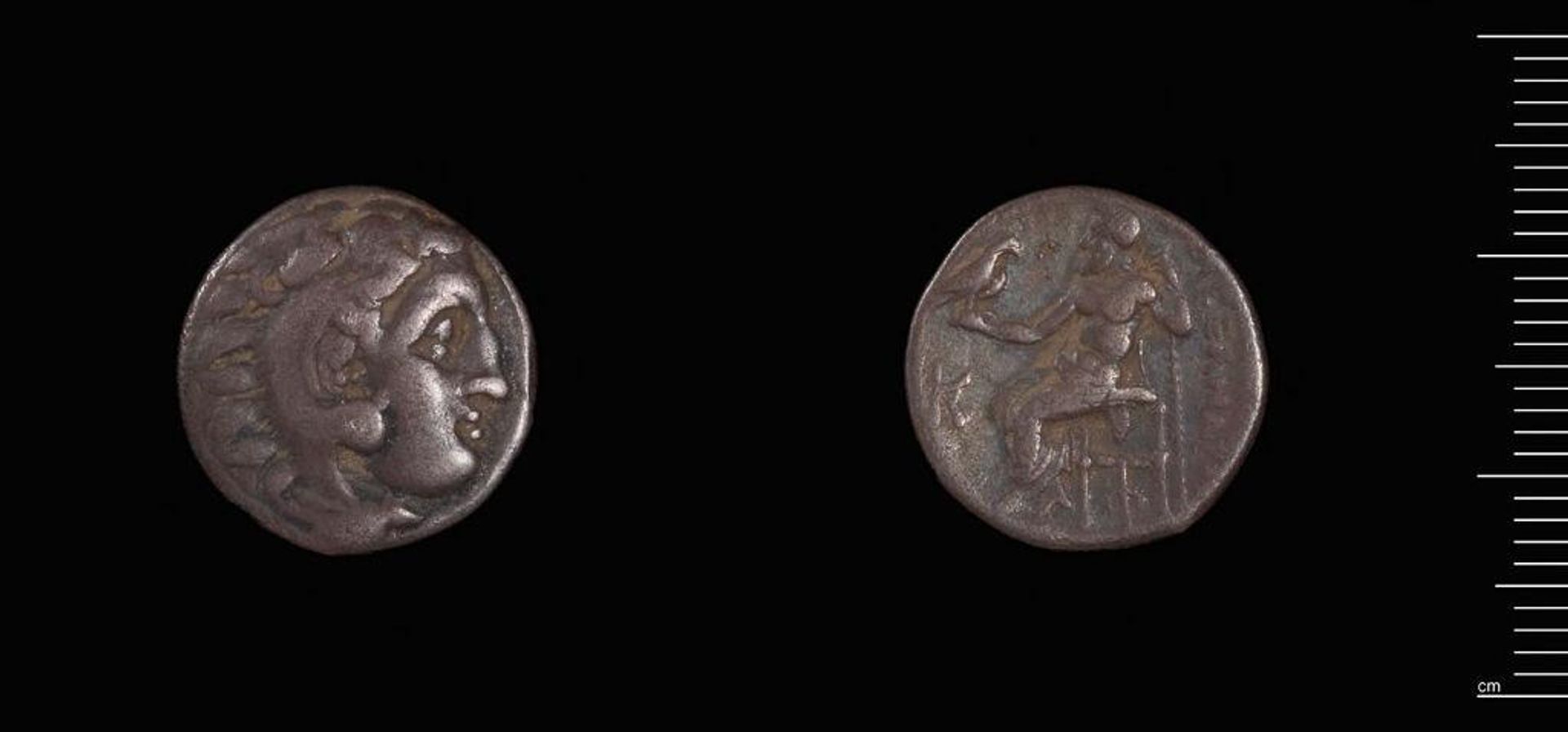
Curator: This is a silver Drachm, attributed to Alexander the Great. It is believed to originate from Kolophon. Editor: It's so small, yet it feels monumental. I'm immediately struck by the level of detail achieved on such a tiny surface. Curator: Indeed. The imagery resonates deeply. On one side, we see Herakles, a figure symbolizing strength and divine lineage. On the reverse, Zeus is enthroned, representing power and authority. Editor: Alexander consciously adopted these symbols to align himself with heroic and divine narratives. It's potent propaganda, linking his rule to established mythical power structures. Curator: Precisely! The coin becomes more than currency; it's a portable statement of legitimacy and ambition in his vast empire. Editor: It is a reminder of how visual culture can be a powerful tool for shaping perception and cementing political authority.
Drachm of Alexander the Great, Kolophon(?)
c. 310

Artwork details
- Dimensions
- 4.09 g
- Location
- Harvard Art Museums
- Copyright
- CC0 1.0
Comments
Share your thoughts
About this artwork
Curator: This is a silver Drachm, attributed to Alexander the Great. It is believed to originate from Kolophon. Editor: It's so small, yet it feels monumental. I'm immediately struck by the level of detail achieved on such a tiny surface. Curator: Indeed. The imagery resonates deeply. On one side, we see Herakles, a figure symbolizing strength and divine lineage. On the reverse, Zeus is enthroned, representing power and authority. Editor: Alexander consciously adopted these symbols to align himself with heroic and divine narratives. It's potent propaganda, linking his rule to established mythical power structures. Curator: Precisely! The coin becomes more than currency; it's a portable statement of legitimacy and ambition in his vast empire. Editor: It is a reminder of how visual culture can be a powerful tool for shaping perception and cementing political authority.
Comments
Share your thoughts