About this artwork
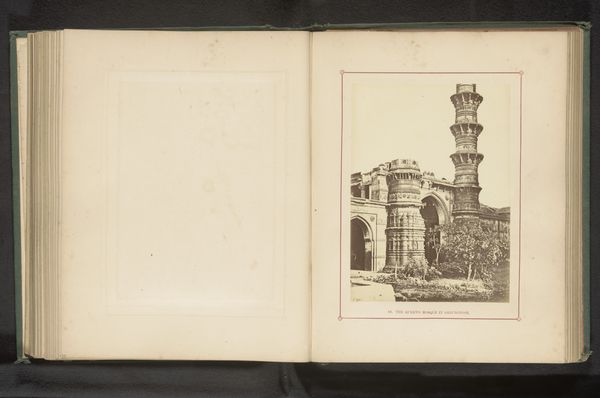
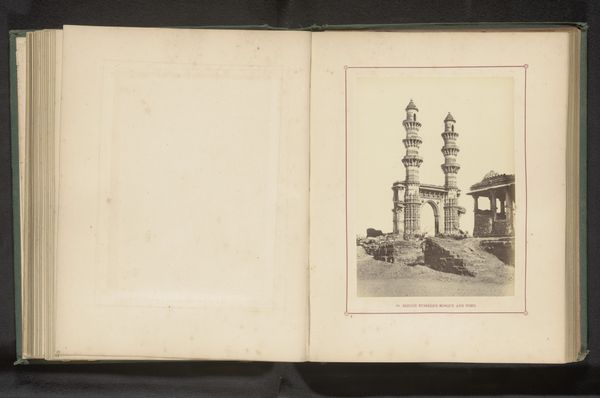
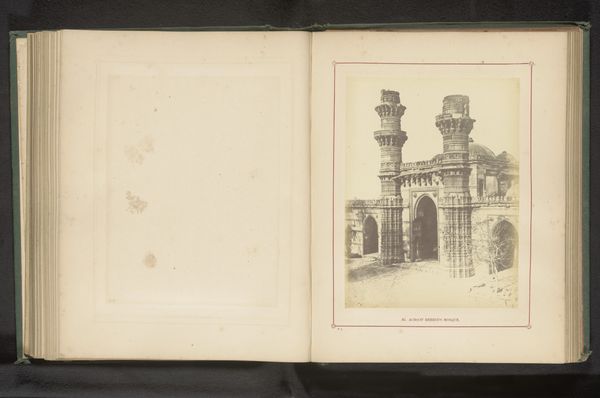
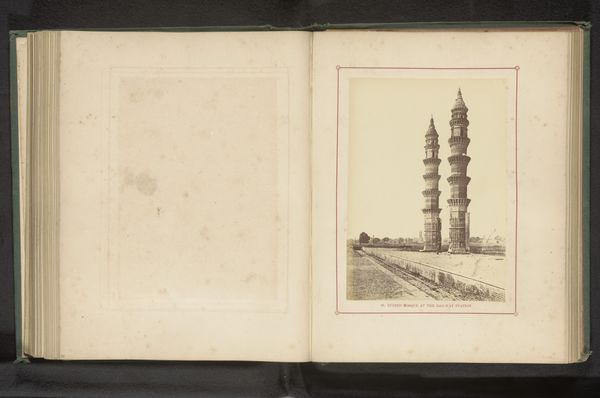
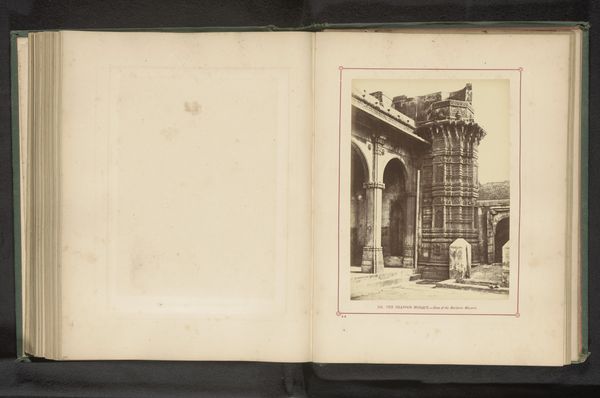
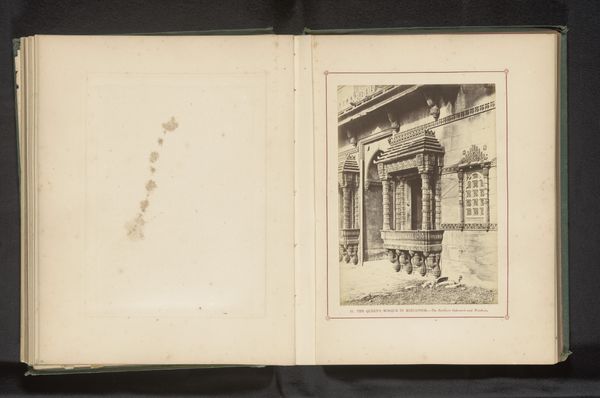
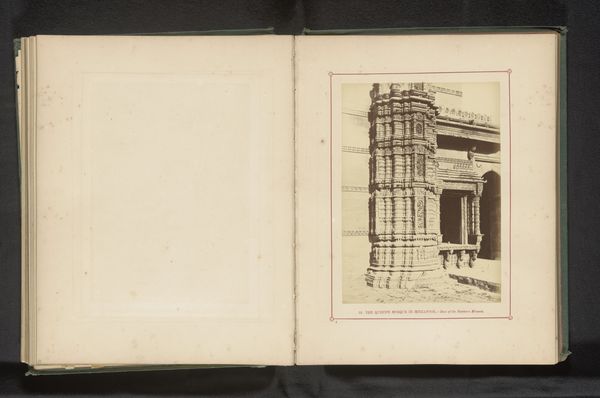
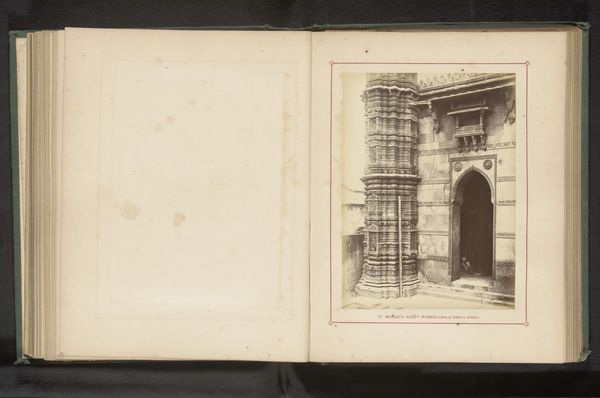
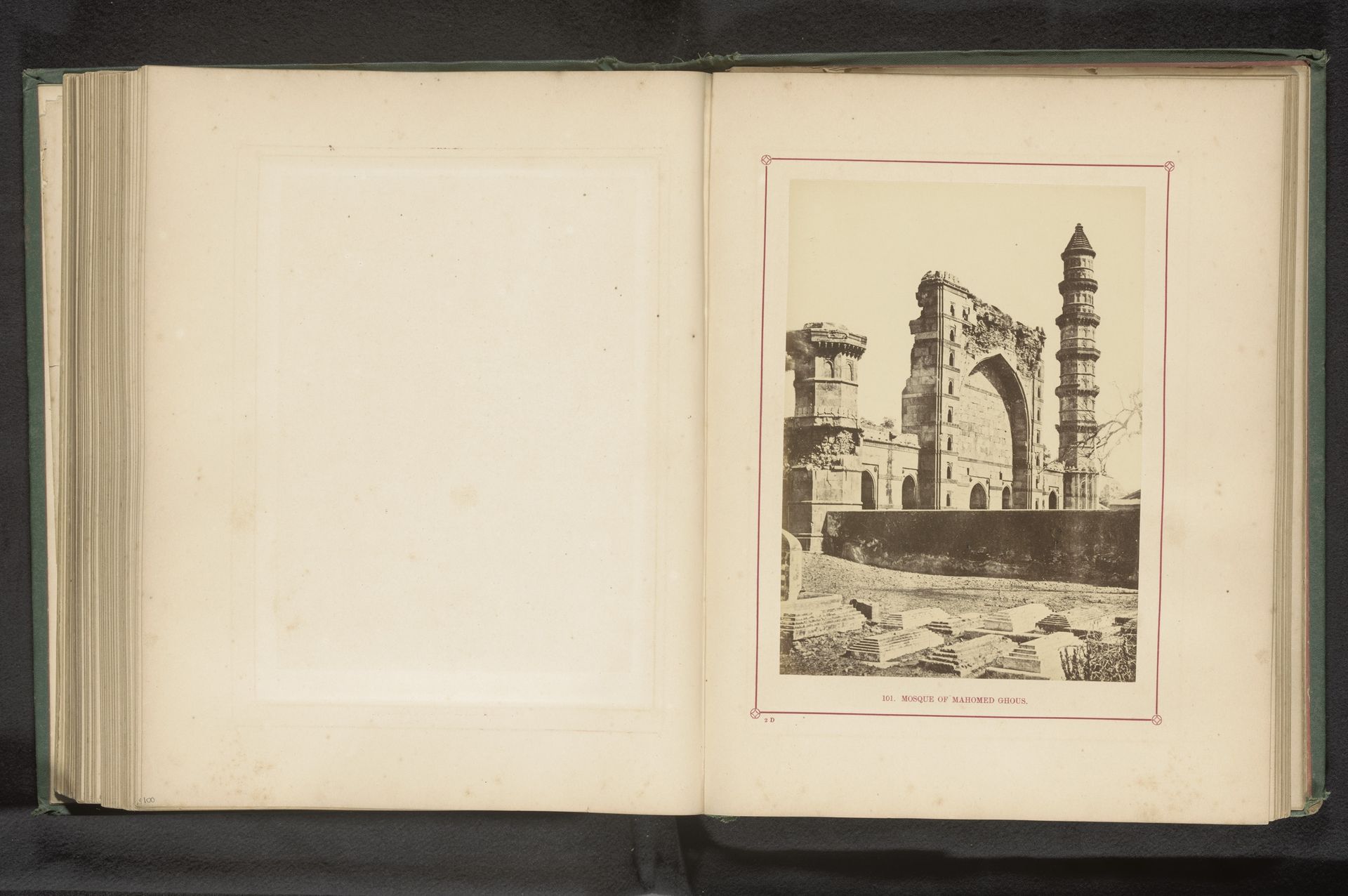
This photograph of the Mohammed Ghous mosque in Ahmedabad was taken by Thomas Biggs sometime in the 19th century. What strikes me most is that Biggs has used a relatively new technology to document a much older form of making. The architecture of the mosque, now partially ruined, speaks of a tradition of stone masonry, a laborious process of quarrying, carving, and carefully placing each block. Biggs’ photograph collapses this entire process into a single image, reproducible at will. We can see in this image how photography democratized the consumption of images, making views of faraway places available to anyone who could afford a print. This ease of distribution came at a cost, however. It is an example of how the advent of industrial image-making changed our relationship to labor and materials, distancing us from the many hands and processes that give rise to the world around us. Biggs’ image invites us to consider the many layers of making involved in its creation.

Artwork details
- Medium
- print, photography, gelatin-silver-print
- Dimensions
- height 188 mm, width 136 mm
- Copyright
- Rijks Museum: Open Domain
Tags
landscape
photography
ancient-mediterranean
gelatin-silver-print
cityscape
islamic-art
Comments
No comments
About this artwork
This photograph of the Mohammed Ghous mosque in Ahmedabad was taken by Thomas Biggs sometime in the 19th century. What strikes me most is that Biggs has used a relatively new technology to document a much older form of making. The architecture of the mosque, now partially ruined, speaks of a tradition of stone masonry, a laborious process of quarrying, carving, and carefully placing each block. Biggs’ photograph collapses this entire process into a single image, reproducible at will. We can see in this image how photography democratized the consumption of images, making views of faraway places available to anyone who could afford a print. This ease of distribution came at a cost, however. It is an example of how the advent of industrial image-making changed our relationship to labor and materials, distancing us from the many hands and processes that give rise to the world around us. Biggs’ image invites us to consider the many layers of making involved in its creation.
Comments
No comments