About this artwork
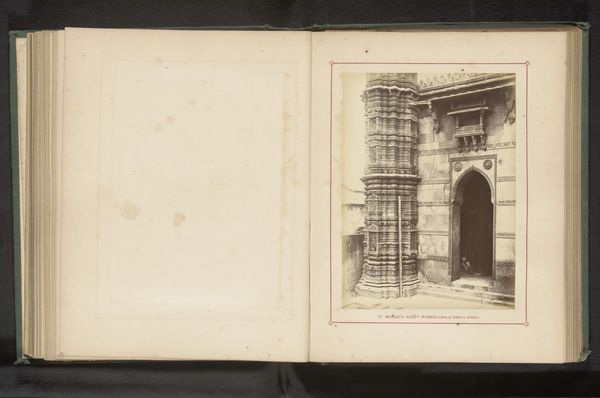
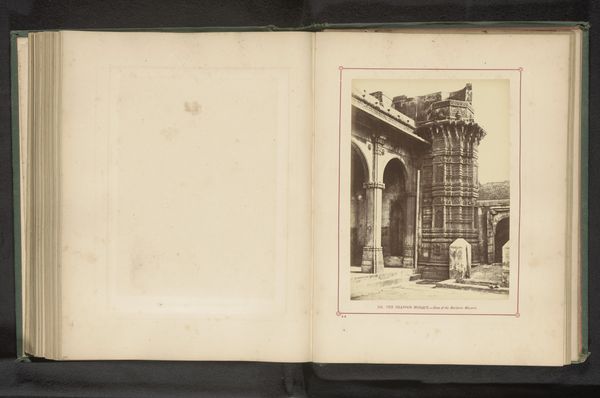
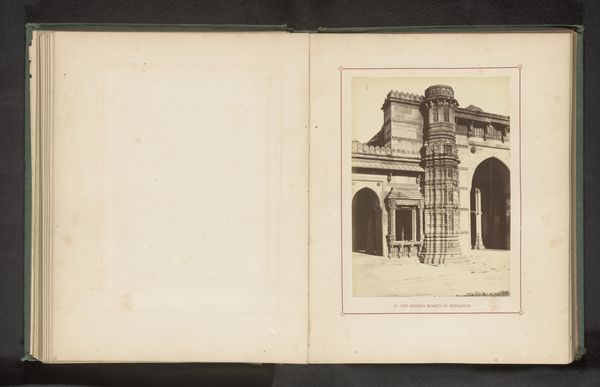
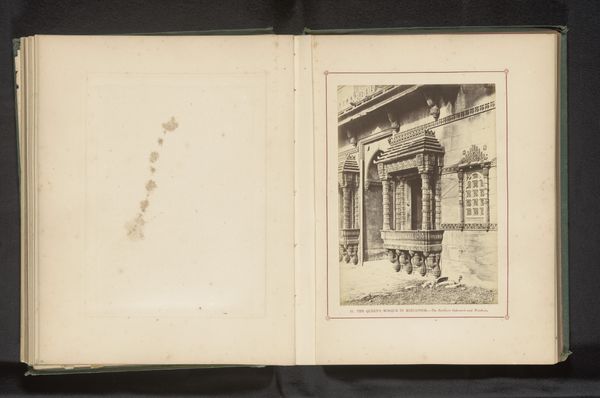
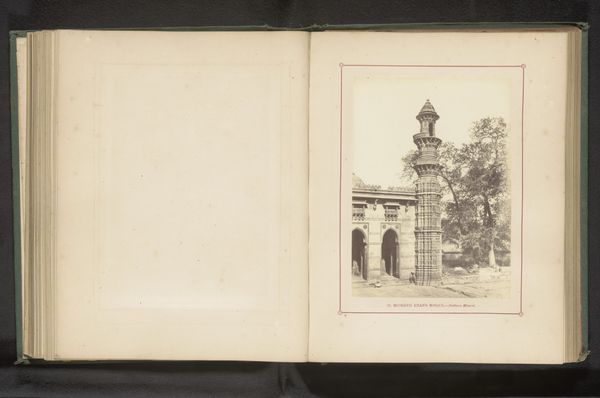
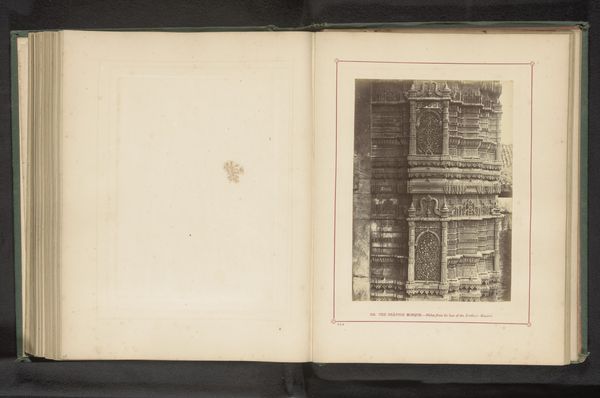
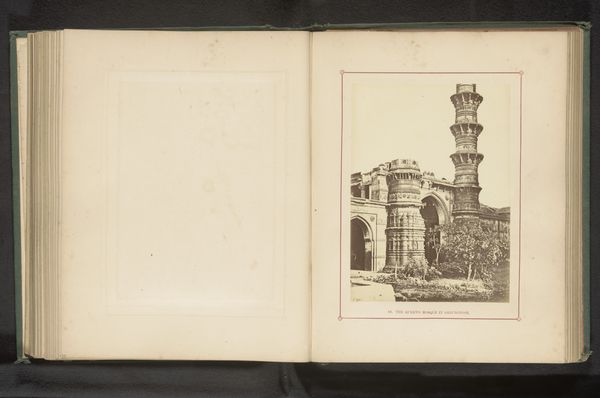
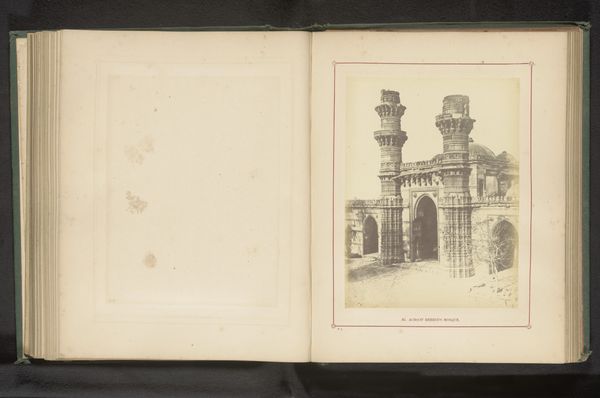
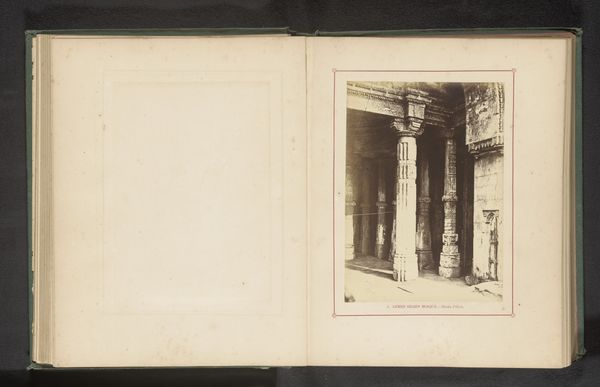
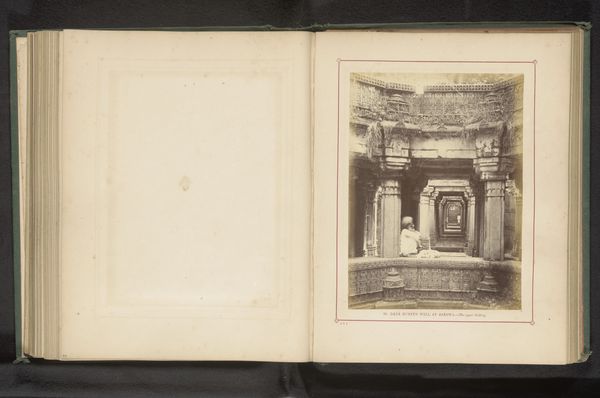
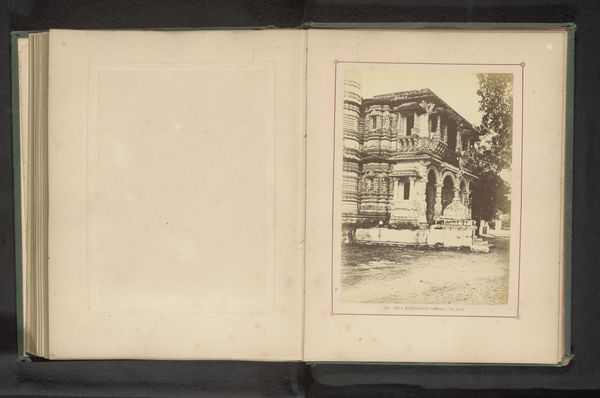
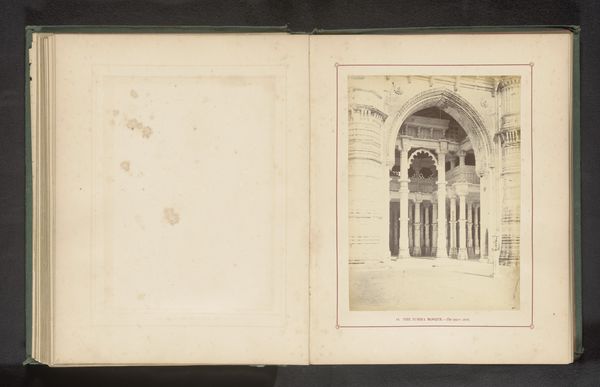
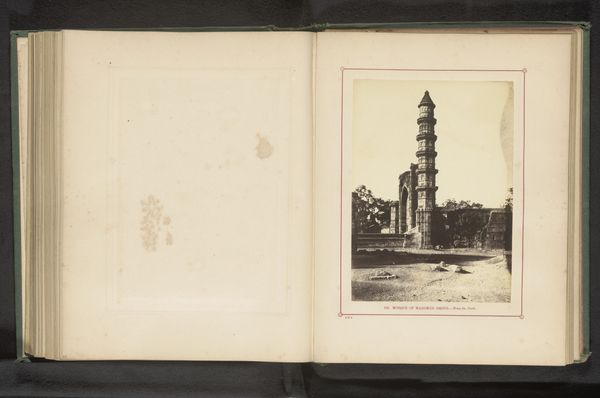
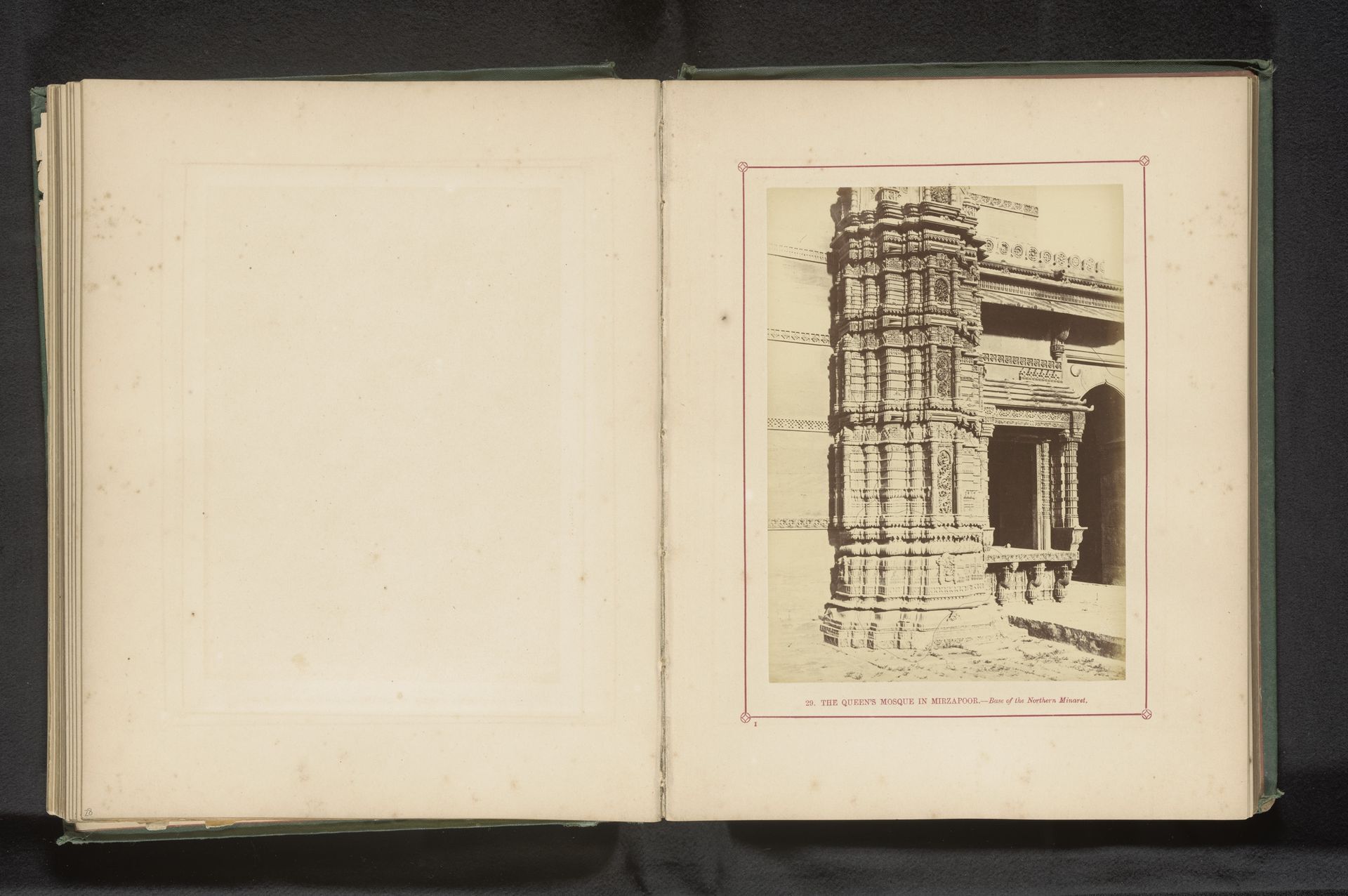
Thomas Biggs captured this photograph of the base of a minaret of the Rani Rupamati Mosque in Ahmedabad. The albumen print presents the mosque's architectural details with striking clarity. It invites us to consider the role of photography in documenting and, in some ways, shaping our understanding of non-Western architectural heritage during the colonial era. India, in this period, was undergoing significant transformation under British rule, with existing power structures being reshaped. The image could be viewed as participating in a broader discourse of colonial knowledge production, in which the camera was a tool to catalogue and classify the cultural landscape. To fully understand this image, one might delve into the archives of colonial photography, exploring how such visual representations contributed to the construction of cultural identities and power relations.
Basis van een minaret van de Rani Rupamati-moskee in Ahmedabad
before 1866

Artwork details
- Medium
- print, photography, albumen-print, architecture
- Dimensions
- height 189 mm, width 136 mm
- Copyright
- Rijks Museum: Open Domain
Tags
asian-art
sketch book
landscape
photography
journal
geometric
column
cityscape
islamic-art
albumen-print
architecture
Comments
Be the first to share your thoughts about this work.
About this artwork
Thomas Biggs captured this photograph of the base of a minaret of the Rani Rupamati Mosque in Ahmedabad. The albumen print presents the mosque's architectural details with striking clarity. It invites us to consider the role of photography in documenting and, in some ways, shaping our understanding of non-Western architectural heritage during the colonial era. India, in this period, was undergoing significant transformation under British rule, with existing power structures being reshaped. The image could be viewed as participating in a broader discourse of colonial knowledge production, in which the camera was a tool to catalogue and classify the cultural landscape. To fully understand this image, one might delve into the archives of colonial photography, exploring how such visual representations contributed to the construction of cultural identities and power relations.
Comments
Be the first to share your thoughts about this work.