About this artwork
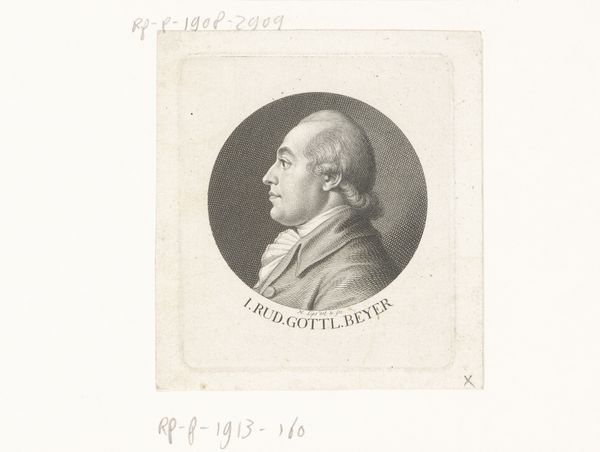
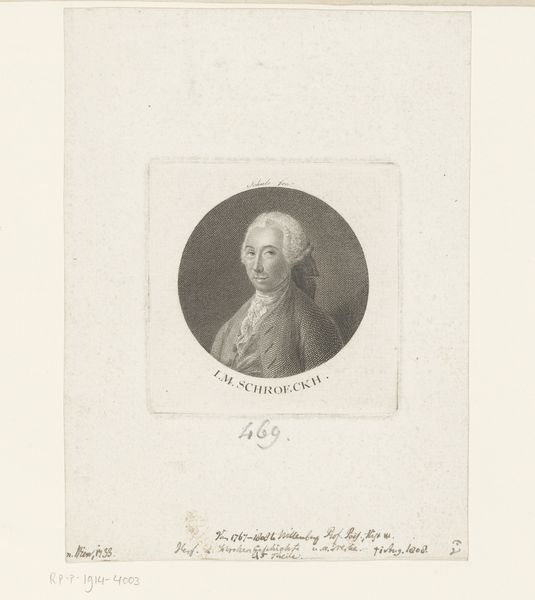
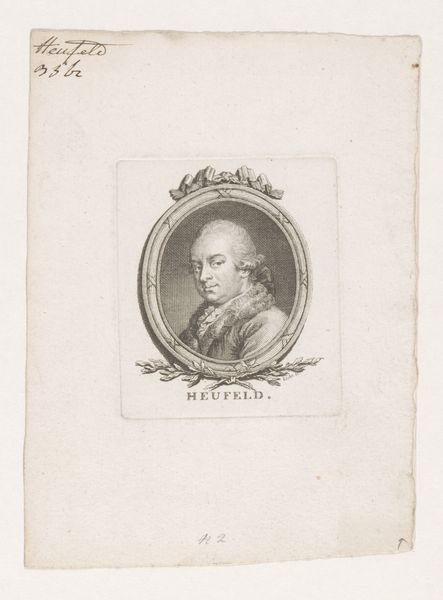
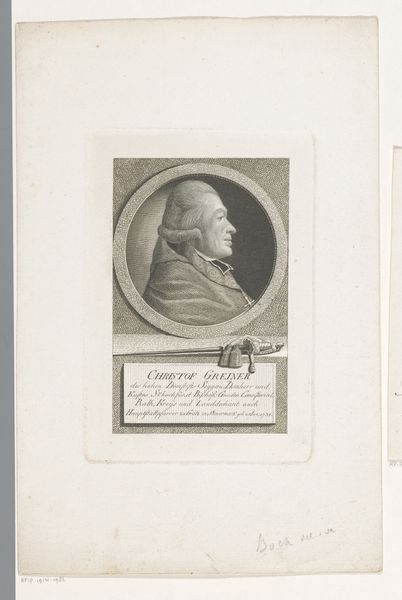
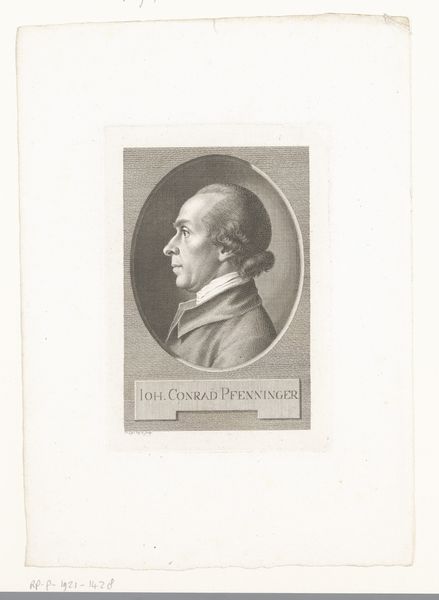
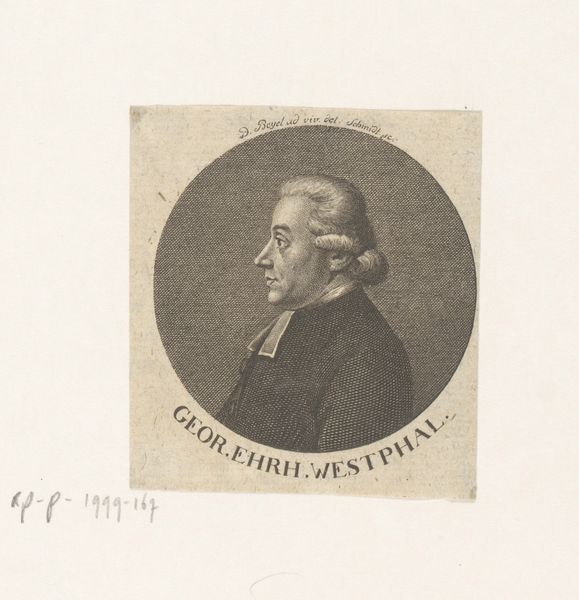
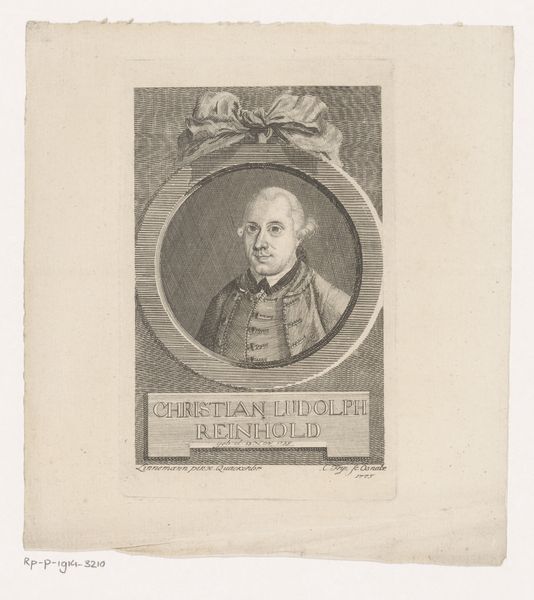
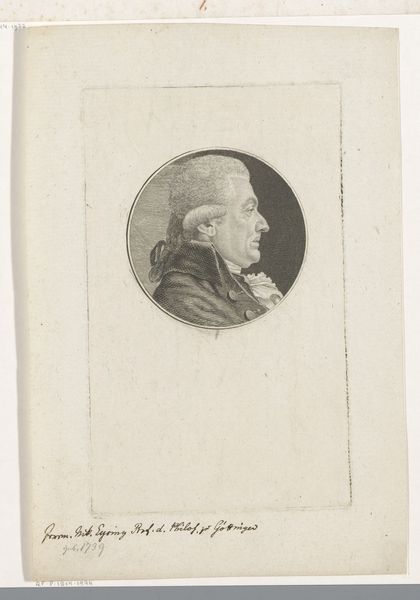
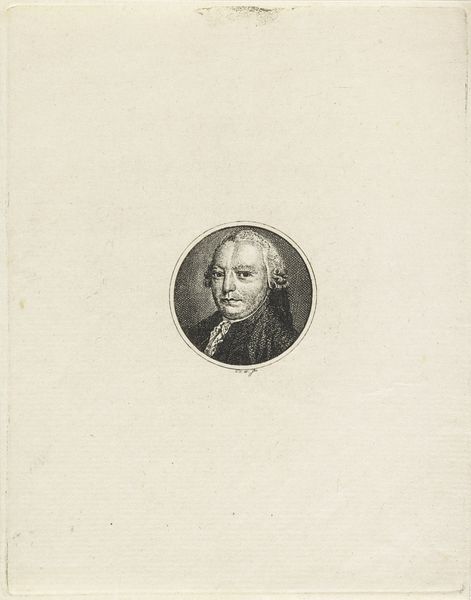
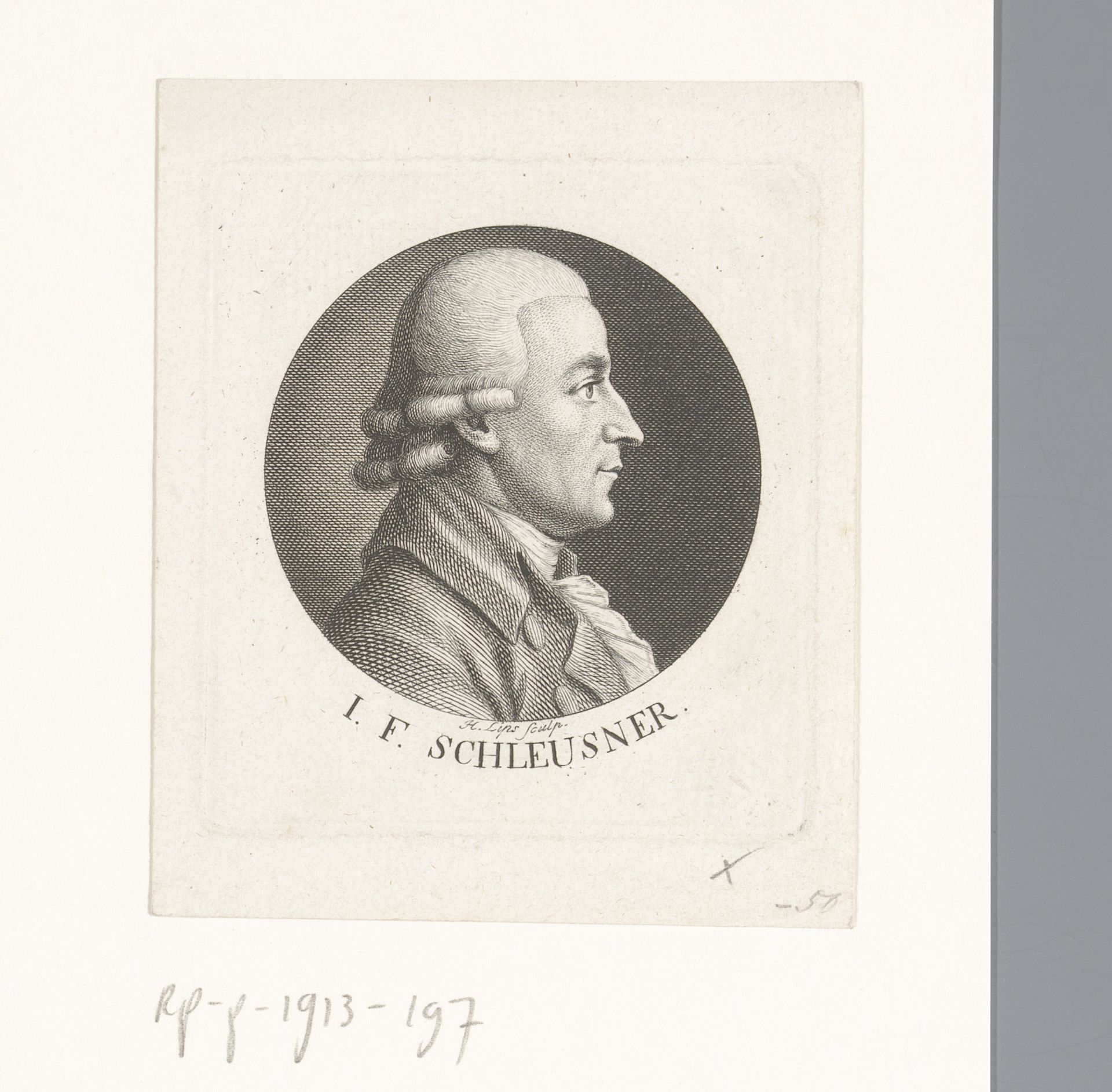
This portrait of Johann Friedrich Schleusner was made by Johann Heinrich Lips, using a technique called etching. The image is composed of countless tiny lines, bitten into a copper plate with acid, then printed onto paper. The quality of the line, the density of marks required the artist to be well versed in metallurgy, chemistry, and draftsmanship. Look closely at the image, and you can see how Lips has used the etching technique to create a sense of depth and texture, from the soft, subtle shading on Schleusner's face, to the crisp lines of his jacket. The production of prints like this was a key part of the Enlightenment’s project to codify and disseminate knowledge – in this case, the likeness of an important scholar. Thinking about the materials and processes used to create this print encourages us to consider it not just as a representation of a person, but as a testament to the skill and labor of the artist, and the social context in which it was made.
Portret van Johann Friedrich Schleusner
1768 - 1817

Johann Heinrich Lips
1758 - 1817Location
RijksmuseumArtwork details
- Medium
- engraving
- Dimensions
- height 84 mm, width 75 mm
- Location
- Rijksmuseum
- Copyright
- Rijks Museum: Open Domain
Tags
Comments
Share your thoughts
About this artwork
This portrait of Johann Friedrich Schleusner was made by Johann Heinrich Lips, using a technique called etching. The image is composed of countless tiny lines, bitten into a copper plate with acid, then printed onto paper. The quality of the line, the density of marks required the artist to be well versed in metallurgy, chemistry, and draftsmanship. Look closely at the image, and you can see how Lips has used the etching technique to create a sense of depth and texture, from the soft, subtle shading on Schleusner's face, to the crisp lines of his jacket. The production of prints like this was a key part of the Enlightenment’s project to codify and disseminate knowledge – in this case, the likeness of an important scholar. Thinking about the materials and processes used to create this print encourages us to consider it not just as a representation of a person, but as a testament to the skill and labor of the artist, and the social context in which it was made.
Comments
Share your thoughts