About this artwork
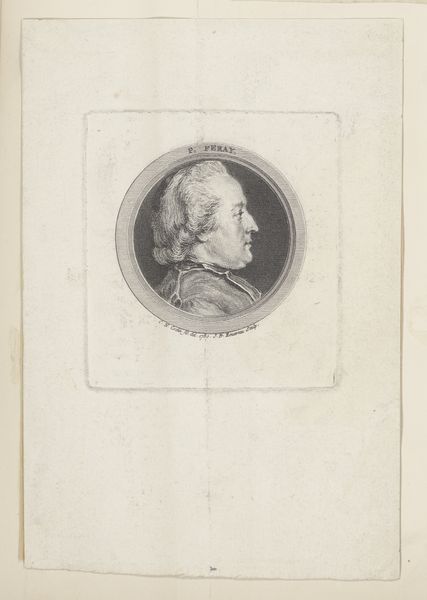
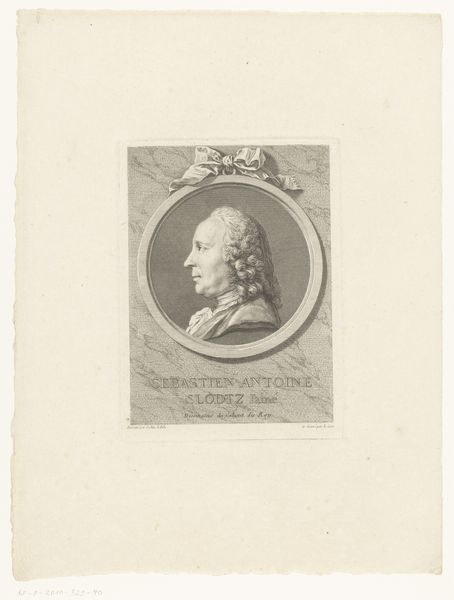
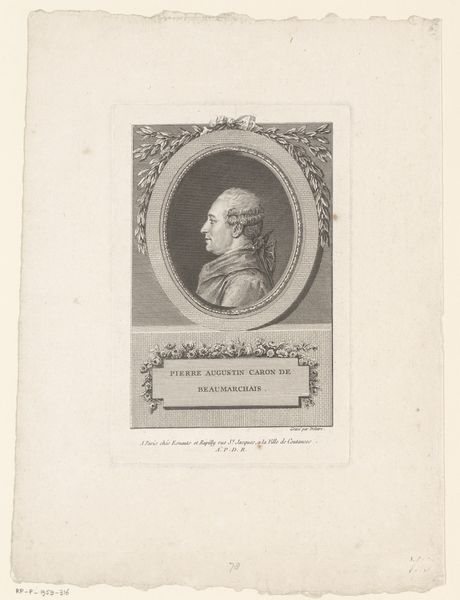
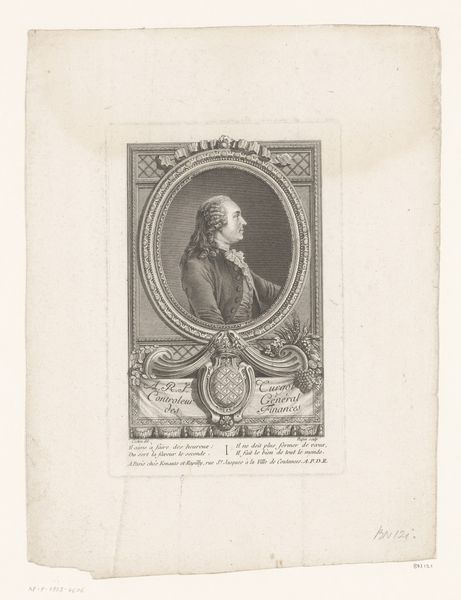
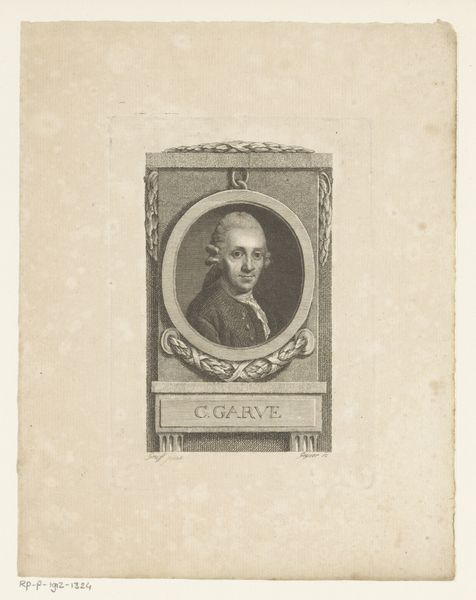
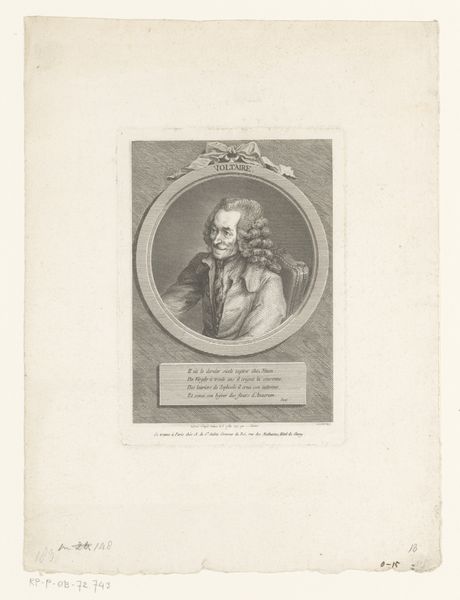
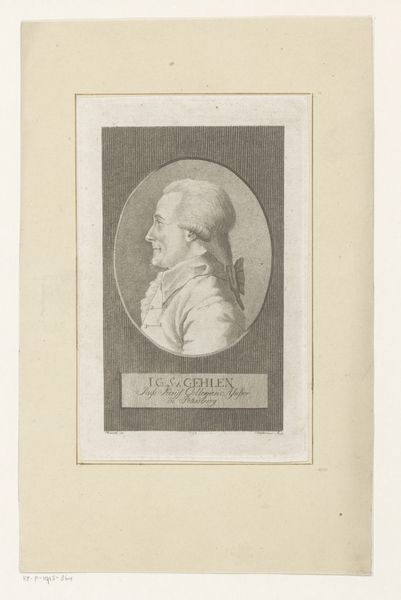
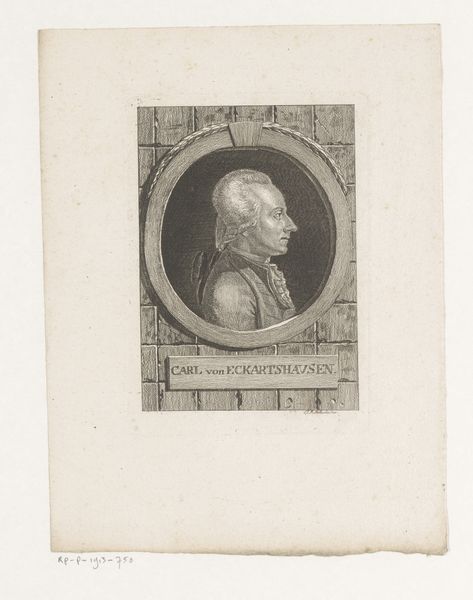
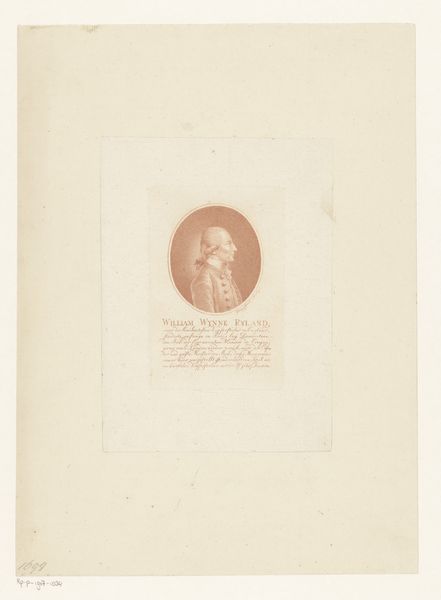
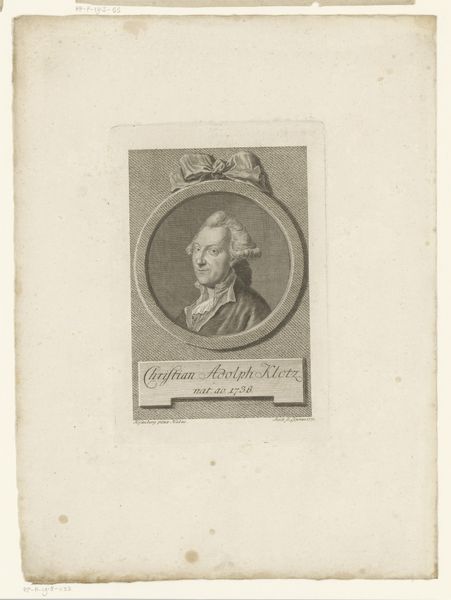
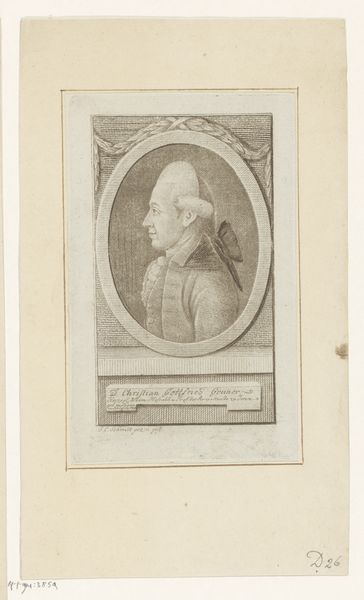
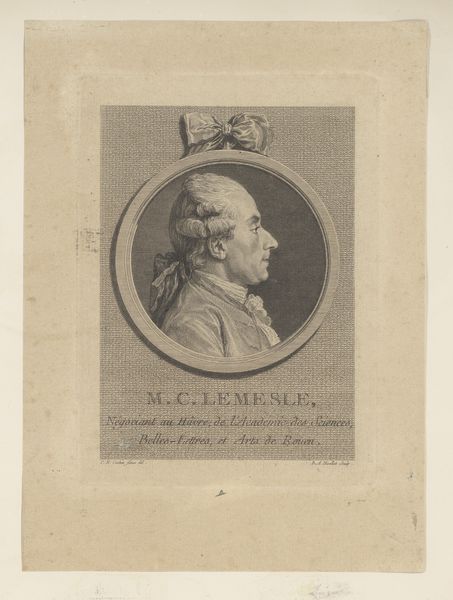
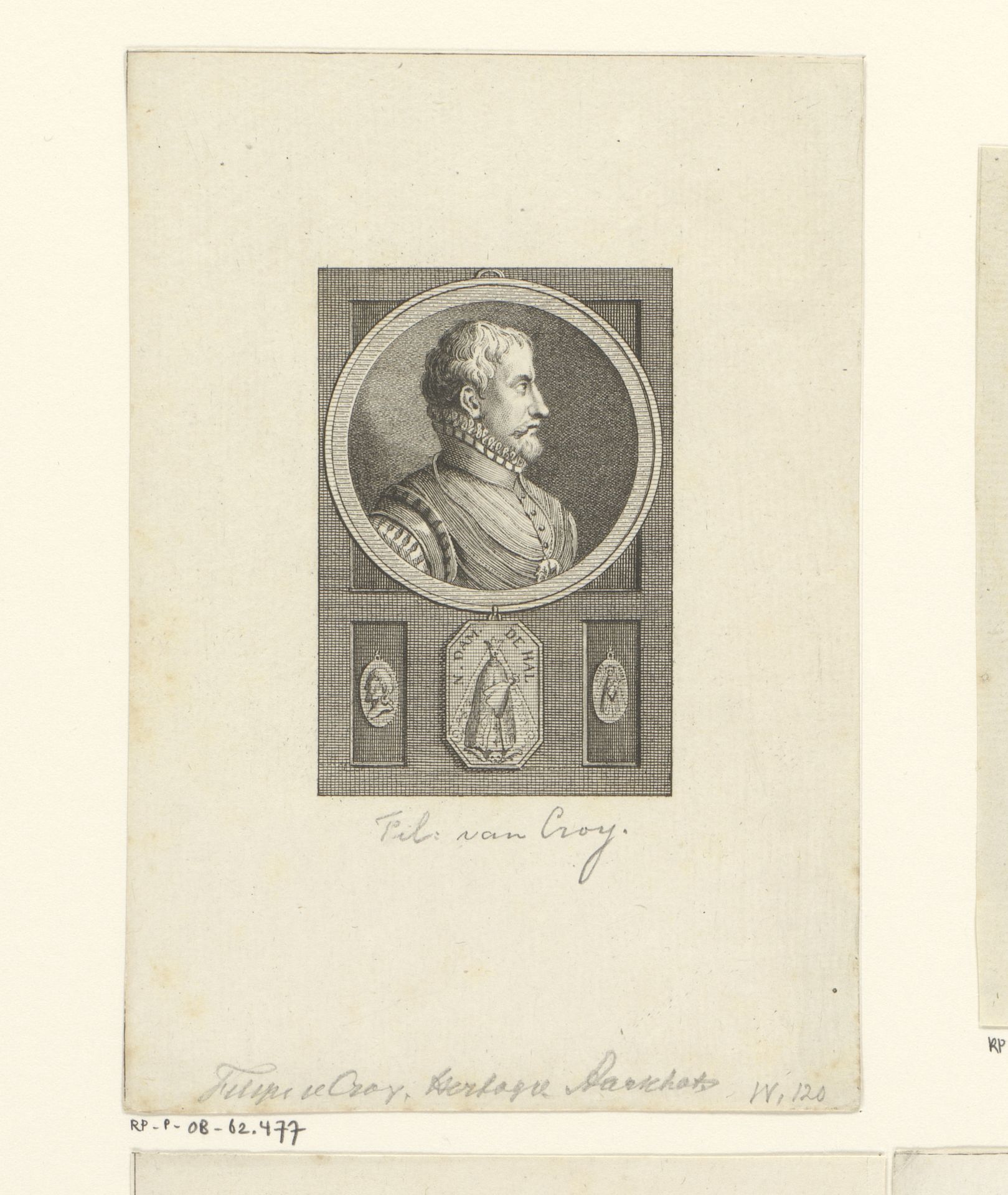
Reinier Vinkeles created this portrait of Filips III van Croÿ as an engraving. Note how the portrait is structured within a series of geometric shapes that function to frame and contain the image. The circular portrait contrasts with the angular, rectangular structure behind it. The subject's gaze directs our attention to the right, while the arrangement of shapes and the play of light and shadow give a sense of depth and volume. Vinkeles creates a complex interplay of forms, leading the eye through the composition and underscoring the visual and symbolic relationships within the image. The geometric elements combined with the contrast between the subject and the background, challenge traditional notions of portraiture. This is not just a representation of an individual; it's a study in form and structure that engages with broader artistic and philosophical ideas of representation and perception. Art is a dialogue, always open to interpretation.
Portret van Filips III van Croÿ, hertog van Aarschot, prins van Chimay
1783 - 1795

Reinier Vinkeles
1741 - 1816Location
RijksmuseumArtwork details
- Medium
- print, engraving
- Dimensions
- height 165 mm, width 114 mm
- Location
- Rijksmuseum
- Copyright
- Rijks Museum: Open Domain
Tags
Comments
Share your thoughts
About this artwork
Reinier Vinkeles created this portrait of Filips III van Croÿ as an engraving. Note how the portrait is structured within a series of geometric shapes that function to frame and contain the image. The circular portrait contrasts with the angular, rectangular structure behind it. The subject's gaze directs our attention to the right, while the arrangement of shapes and the play of light and shadow give a sense of depth and volume. Vinkeles creates a complex interplay of forms, leading the eye through the composition and underscoring the visual and symbolic relationships within the image. The geometric elements combined with the contrast between the subject and the background, challenge traditional notions of portraiture. This is not just a representation of an individual; it's a study in form and structure that engages with broader artistic and philosophical ideas of representation and perception. Art is a dialogue, always open to interpretation.
Comments
Share your thoughts