About this artwork
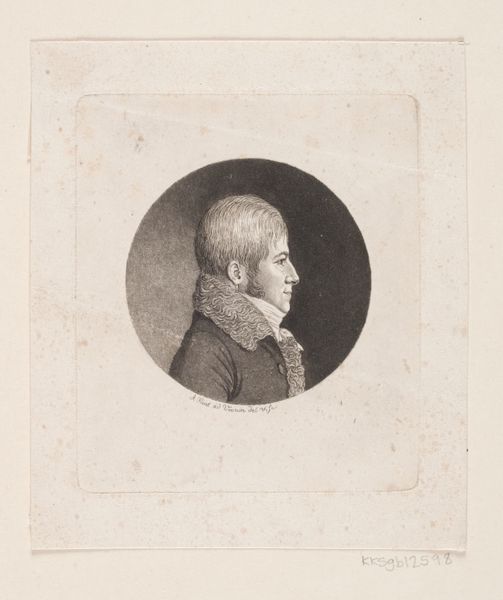
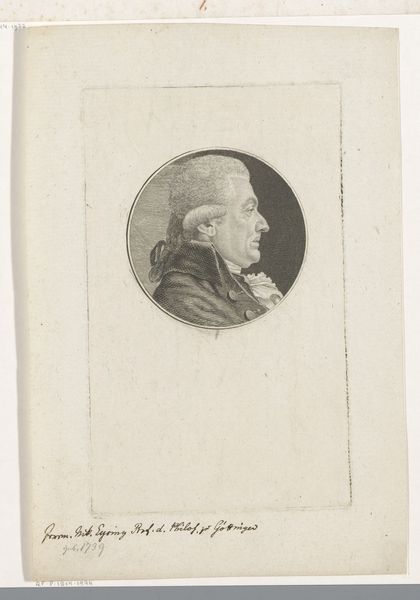
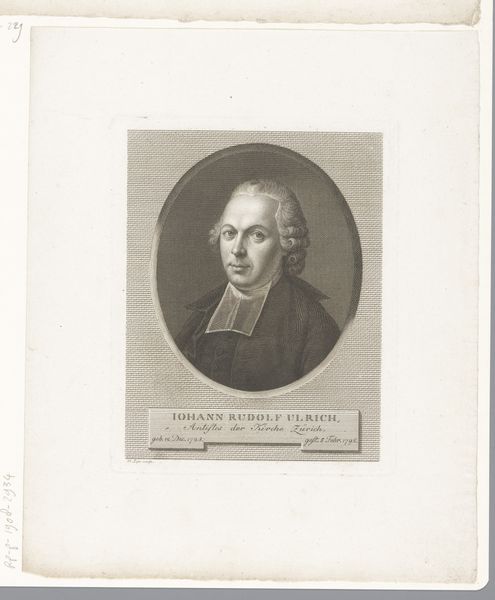
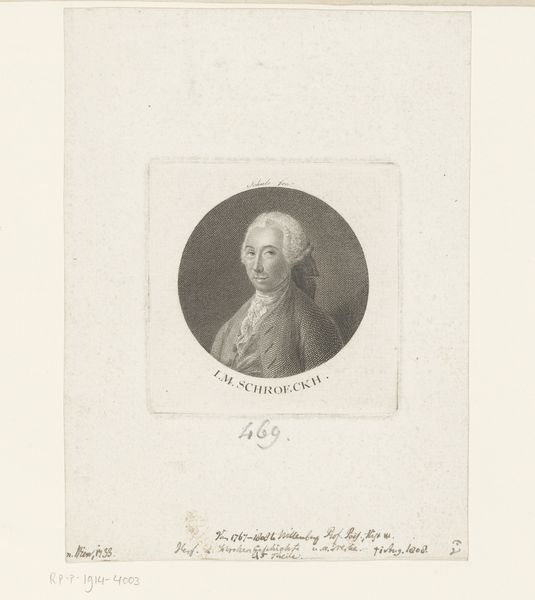
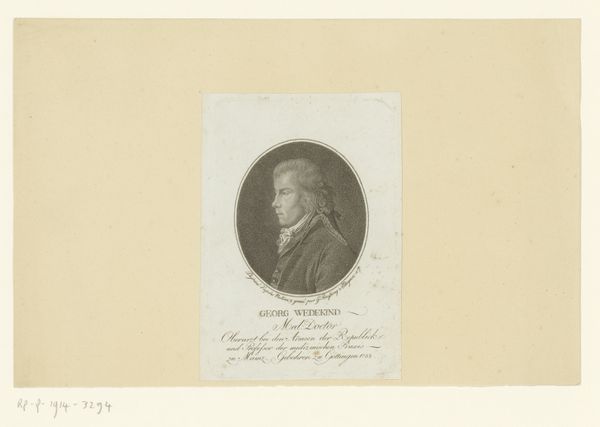
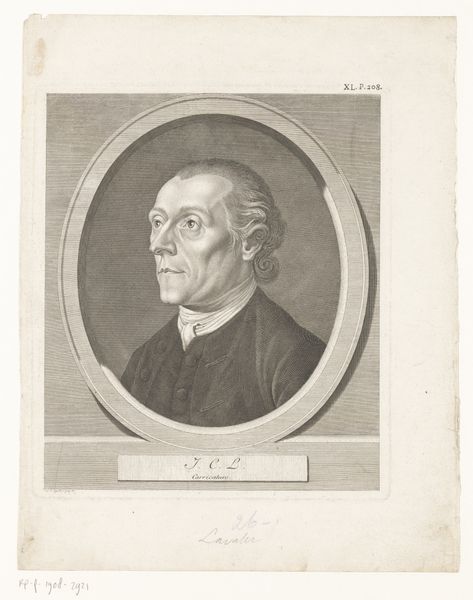
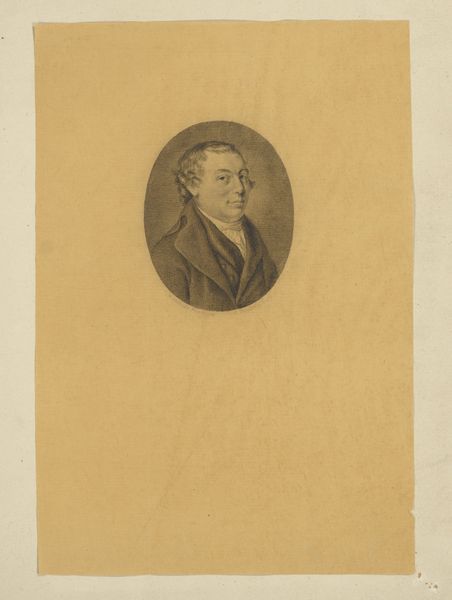
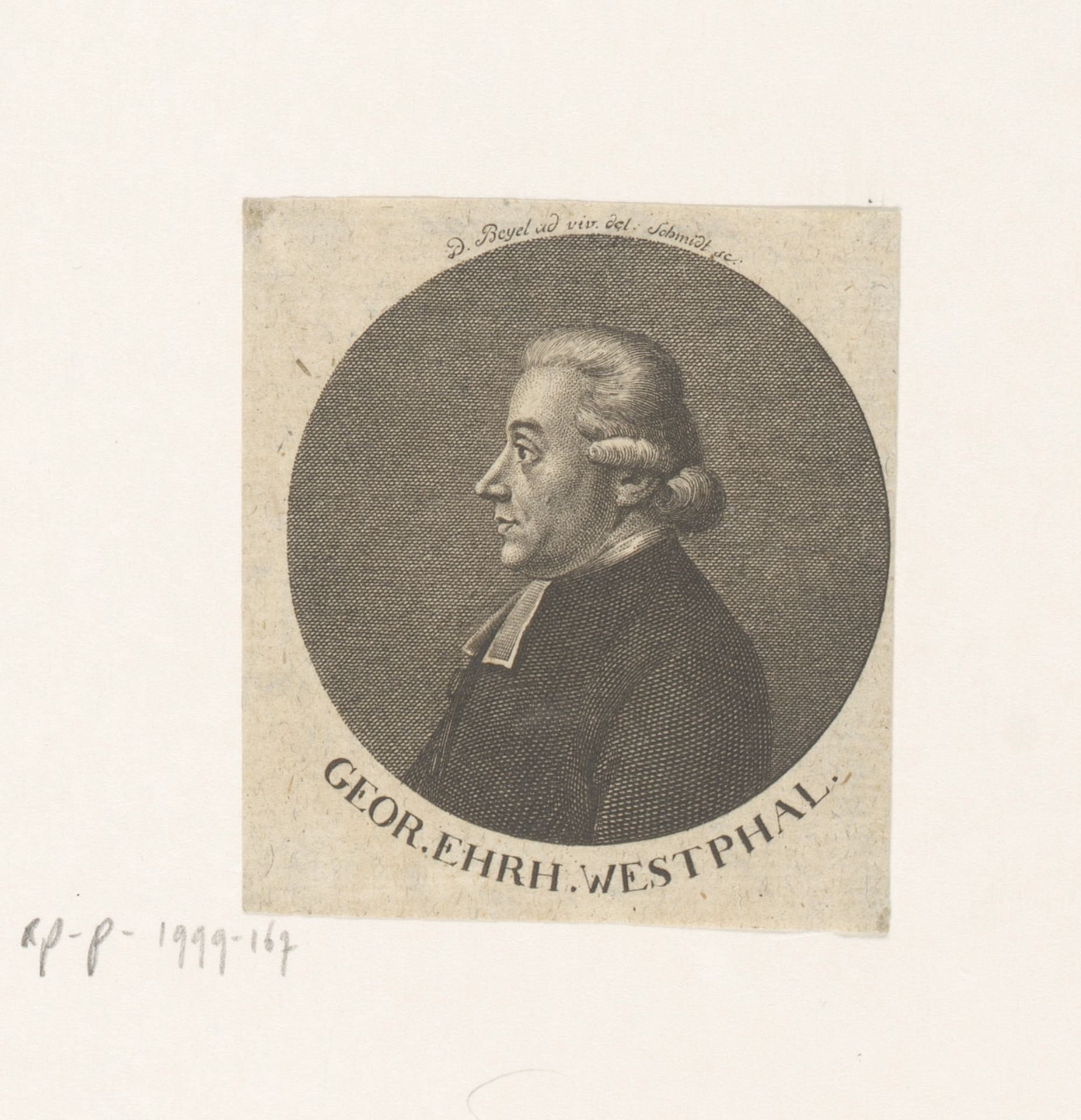
Georg Christoph Schmidt etched this portrait of Georg Christian Erhard Westphal, capturing the man in profile, within a roundel. The most striking feature is the clerical collar, a potent symbol of religious authority and moral rectitude. This simple band around the neck echoes across centuries. We see it in the stiff ruffs of Reformation portraits, announcing a break from Rome, and in the austere collars of Puritan ministers, emblems of piety and restraint. Though its form shifts, the function remains: to signal dedication to a higher calling, a life bound by sacred vows. Consider the psychological weight of such a symbol. It’s a daily reminder, a shackle of faith, binding the wearer to a life of service. And for the viewer, it evokes a complex mix of reverence, expectation, and perhaps, a touch of unease. It is a visual trigger, stirring subconscious associations with morality, duty, and the eternal. Thus, the clerical collar, in its humble simplicity, becomes a lens through which we can understand the enduring power of symbols to shape not only identity, but also the very fabric of cultural memory.

Artwork details
- Medium
- print, engraving
- Dimensions
- height 71 mm, width 64 mm
- Copyright
- Rijks Museum: Open Domain
Tags
Comments
Share your thoughts
About this artwork
Georg Christoph Schmidt etched this portrait of Georg Christian Erhard Westphal, capturing the man in profile, within a roundel. The most striking feature is the clerical collar, a potent symbol of religious authority and moral rectitude. This simple band around the neck echoes across centuries. We see it in the stiff ruffs of Reformation portraits, announcing a break from Rome, and in the austere collars of Puritan ministers, emblems of piety and restraint. Though its form shifts, the function remains: to signal dedication to a higher calling, a life bound by sacred vows. Consider the psychological weight of such a symbol. It’s a daily reminder, a shackle of faith, binding the wearer to a life of service. And for the viewer, it evokes a complex mix of reverence, expectation, and perhaps, a touch of unease. It is a visual trigger, stirring subconscious associations with morality, duty, and the eternal. Thus, the clerical collar, in its humble simplicity, becomes a lens through which we can understand the enduring power of symbols to shape not only identity, but also the very fabric of cultural memory.
Comments
Share your thoughts