About this artwork
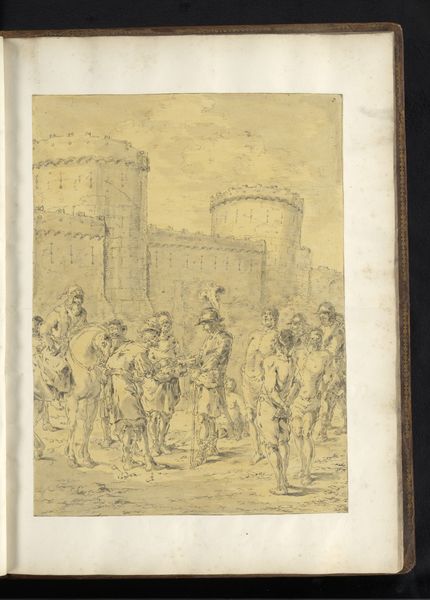
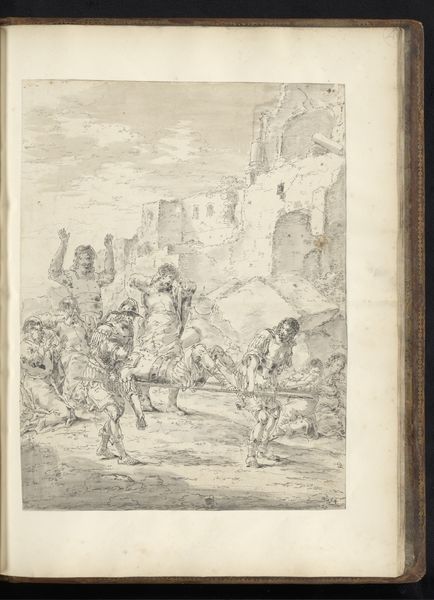
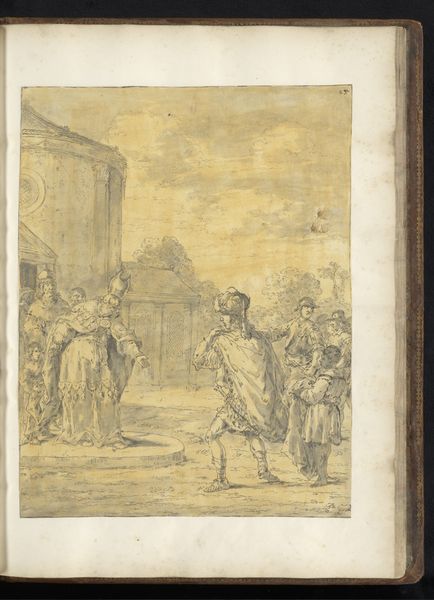
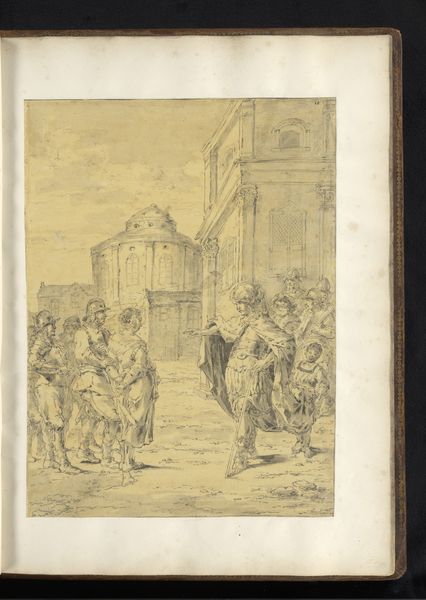
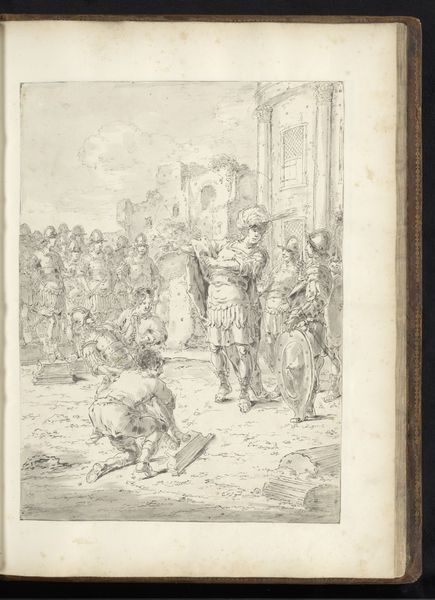
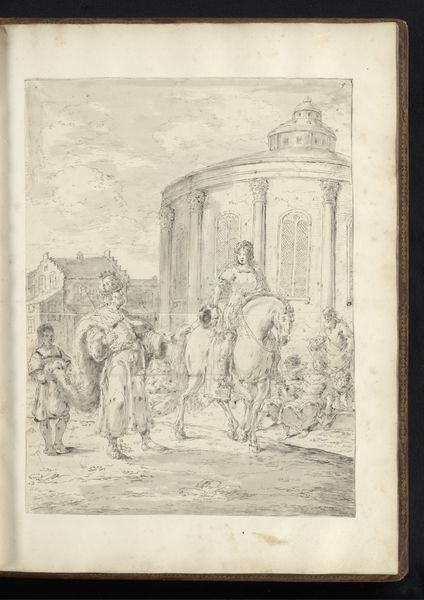
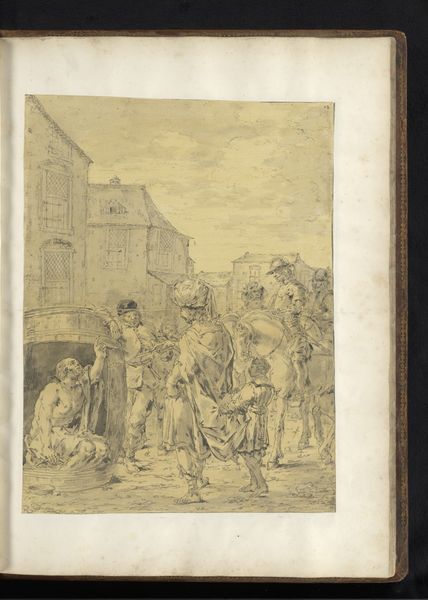
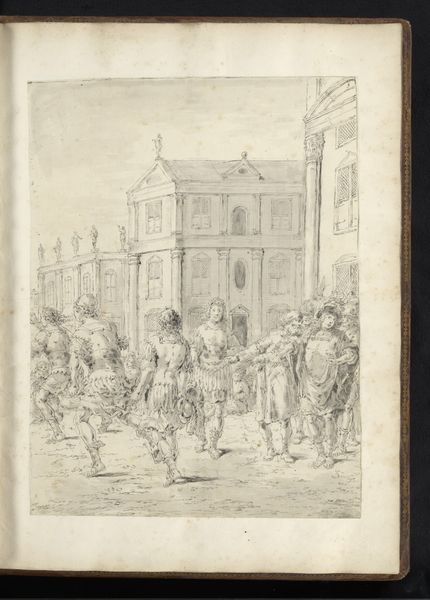
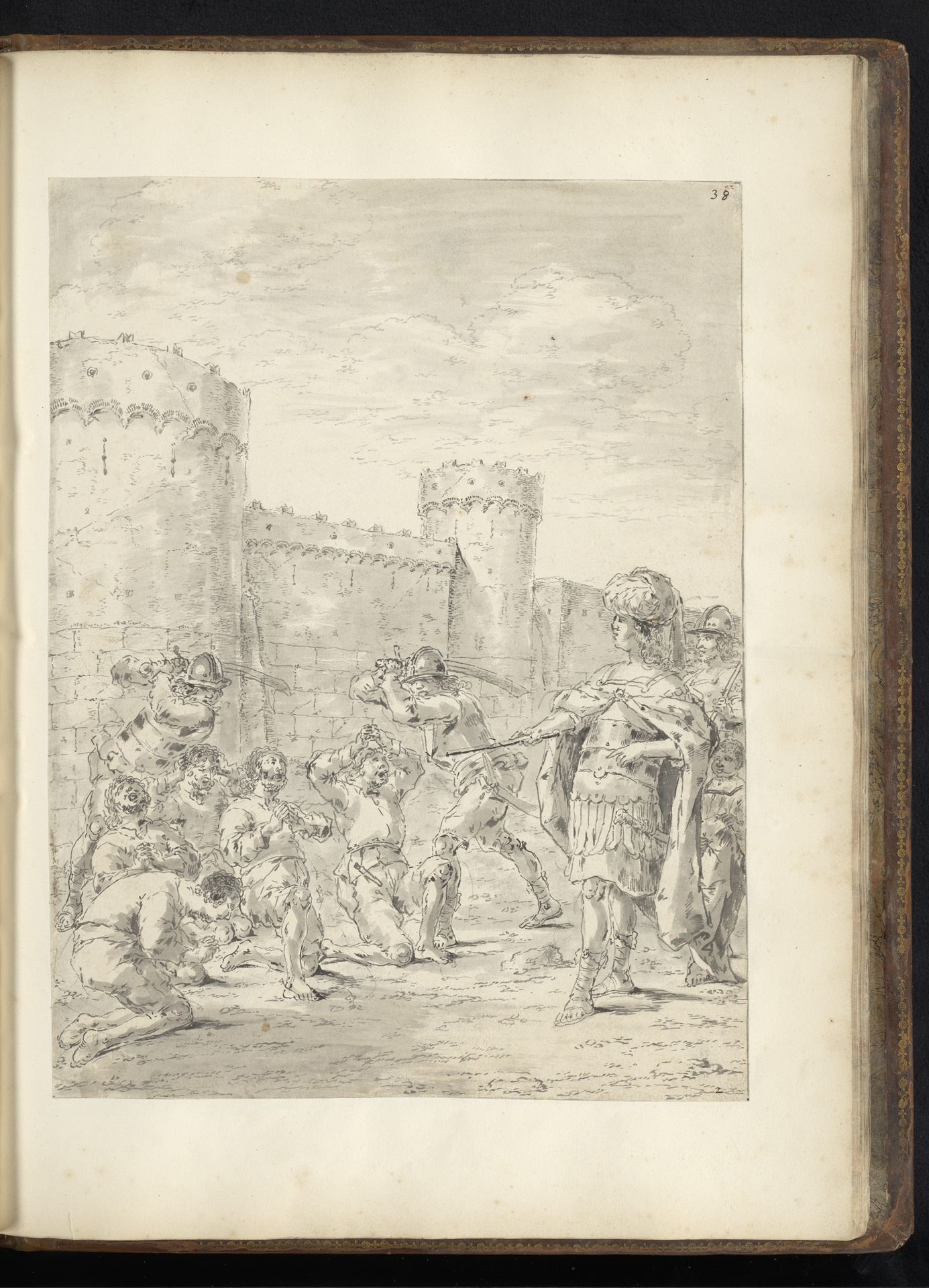
Leonaert Bramer created this ink drawing titled "Alexander de Grote executeert Indiase soldaten" or "Alexander the Great Executes Indian Soldiers." This work offers a glimpse into the historical and cultural contexts that shaped 17th-century European perceptions of the East. Bramer's depiction of Alexander the Great ordering the execution of Indian soldiers is laden with complex ideas about power, civilization, and cultural difference. The image not only illustrates a historical event, but also reflects the artist's and his society's understanding of identity, race, and class. One can't help but wonder about Bramer's intentions. Was he glorifying Alexander's military might, or was he making a commentary on the brutality of conquest? The emotional tension in the scene is palpable. The contrast between the powerful, armored Alexander and the vulnerable, kneeling soldiers evokes feelings of empathy and horror. By highlighting the personal tragedies within a grand historical narrative, Bramer prompts us to reflect on the human cost of imperial ambition.
Alexander de Grote executeert Indiase soldaten
c. 1655 - 1665

Leonaert Bramer
1596 - 1674Location
RijksmuseumArtwork details
- Medium
- drawing, paper, ink
- Dimensions
- height 402 mm, width 307 mm
- Location
- Rijksmuseum
- Copyright
- Rijks Museum: Open Domain
Tags
Comments
Share your thoughts
About this artwork
Leonaert Bramer created this ink drawing titled "Alexander de Grote executeert Indiase soldaten" or "Alexander the Great Executes Indian Soldiers." This work offers a glimpse into the historical and cultural contexts that shaped 17th-century European perceptions of the East. Bramer's depiction of Alexander the Great ordering the execution of Indian soldiers is laden with complex ideas about power, civilization, and cultural difference. The image not only illustrates a historical event, but also reflects the artist's and his society's understanding of identity, race, and class. One can't help but wonder about Bramer's intentions. Was he glorifying Alexander's military might, or was he making a commentary on the brutality of conquest? The emotional tension in the scene is palpable. The contrast between the powerful, armored Alexander and the vulnerable, kneeling soldiers evokes feelings of empathy and horror. By highlighting the personal tragedies within a grand historical narrative, Bramer prompts us to reflect on the human cost of imperial ambition.
Comments
Share your thoughts