About this artwork
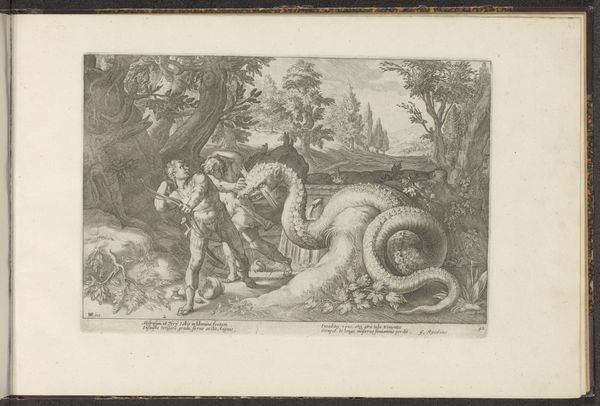
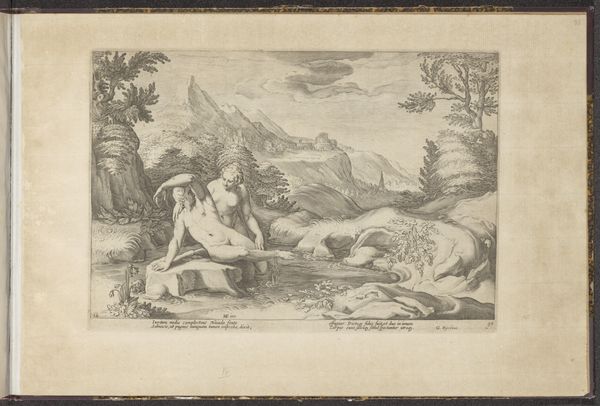
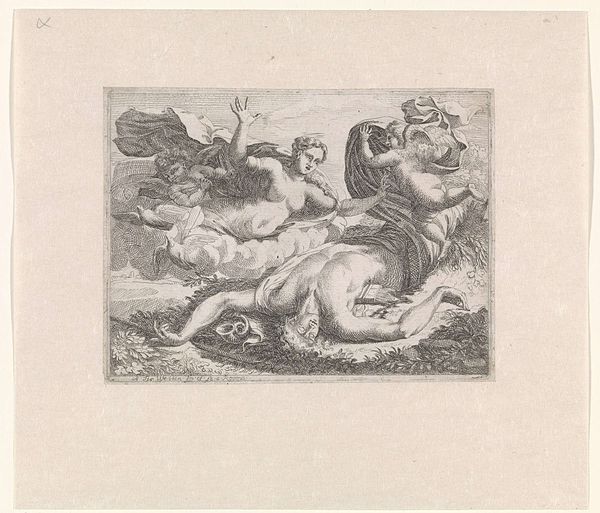
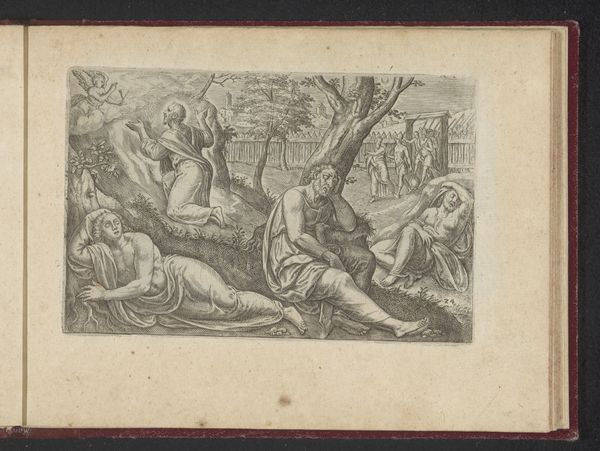
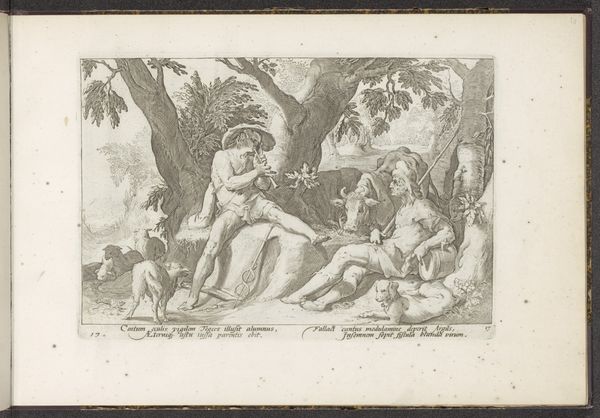
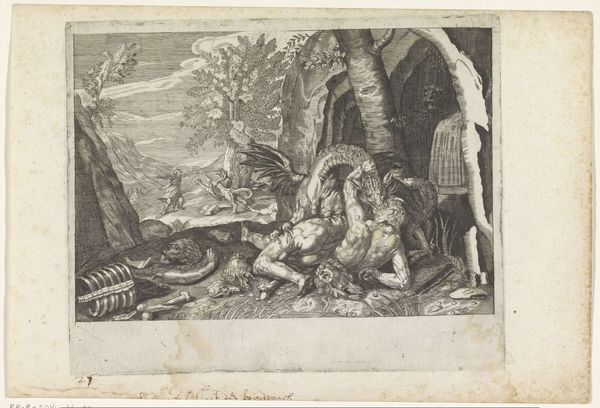
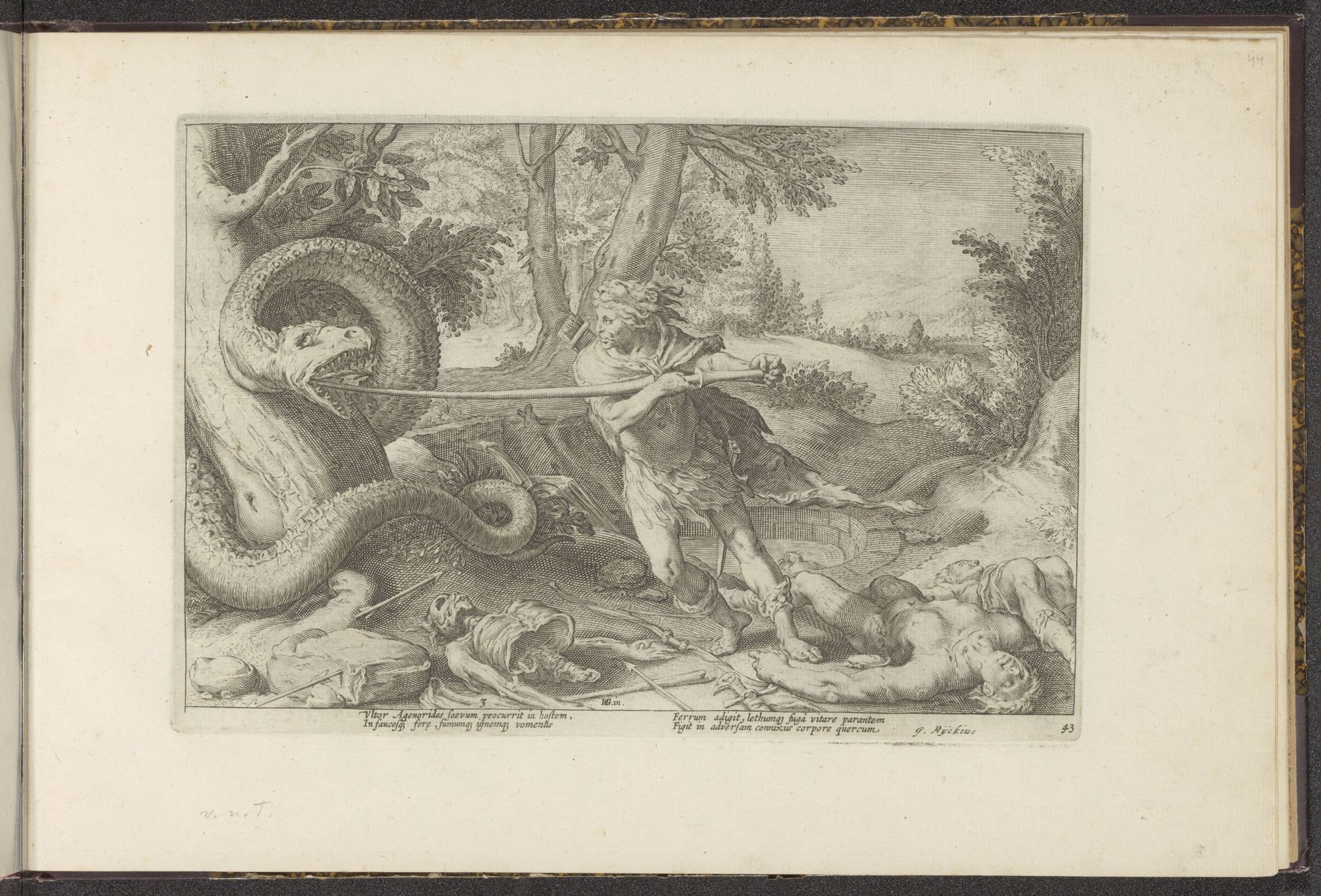
Hendrick Goltzius created this engraving, Cadmus doodt de draak, a scene drawn from Greek mythology. Goltzius worked during the late 16th and early 17th centuries, a time when the Dutch Republic was asserting its independence and grappling with issues of identity, power, and morality. Here, we see Cadmus locked in mortal combat with a dragon. The dragon, a symbol of the foreign and the dangerous, is being confronted by Cadmus, who represents the burgeoning Dutch spirit of exploration and conquest. Bodies litter the ground, a stark reminder of the human cost of expansion. The image suggests the era's complex relationship to power, and how it's intertwined with notions of heroism and violence. The dragon's looming presence might also evoke the societal fears and anxieties surrounding the unknown. What does it mean to confront one’s fears? How do these heroic narratives shape our understanding of identity, power, and cultural values?

Artwork details
- Dimensions
- height 175 mm, width 258 mm
- Location
- Rijksmuseum
- Copyright
- Rijks Museum: Open Domain
Comments
Be the first to share your thoughts about this work.
About this artwork
Hendrick Goltzius created this engraving, Cadmus doodt de draak, a scene drawn from Greek mythology. Goltzius worked during the late 16th and early 17th centuries, a time when the Dutch Republic was asserting its independence and grappling with issues of identity, power, and morality. Here, we see Cadmus locked in mortal combat with a dragon. The dragon, a symbol of the foreign and the dangerous, is being confronted by Cadmus, who represents the burgeoning Dutch spirit of exploration and conquest. Bodies litter the ground, a stark reminder of the human cost of expansion. The image suggests the era's complex relationship to power, and how it's intertwined with notions of heroism and violence. The dragon's looming presence might also evoke the societal fears and anxieties surrounding the unknown. What does it mean to confront one’s fears? How do these heroic narratives shape our understanding of identity, power, and cultural values?
Comments
Be the first to share your thoughts about this work.