500 BC
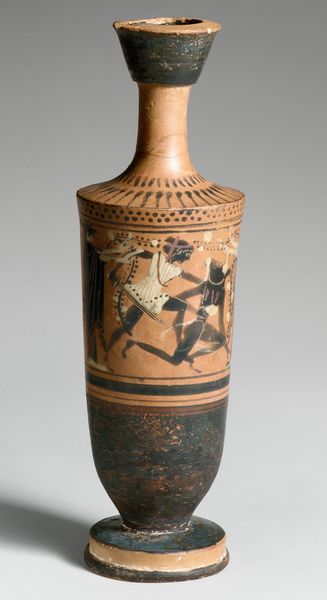
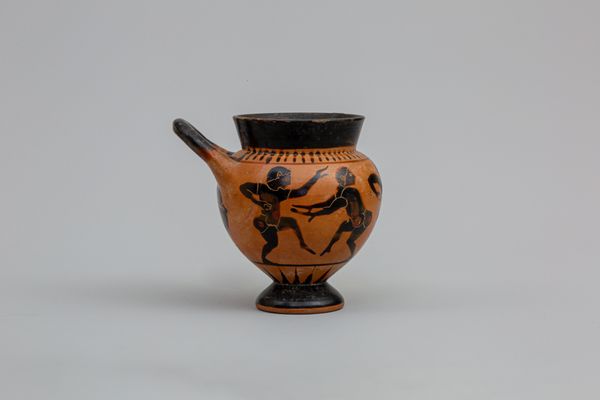
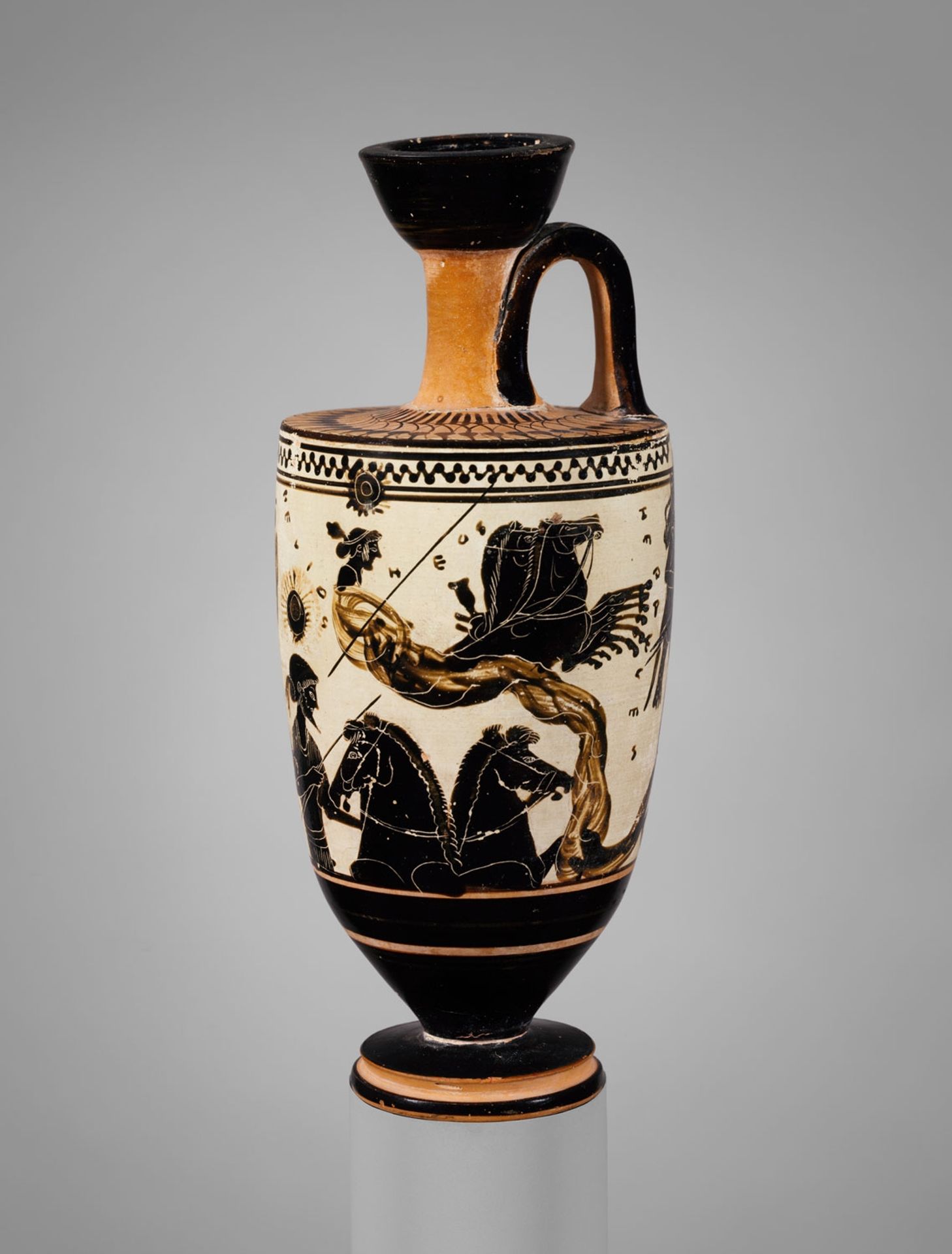
Terracotta Lekythos (oil Flask)

Ancient Greek Pottery
@ancientgreekpottery
The Metropolitan Museum of Art
Metropolitan Museum of Art (Met), New York City, NY, USListen to curator's interpretation
Curatorial notes
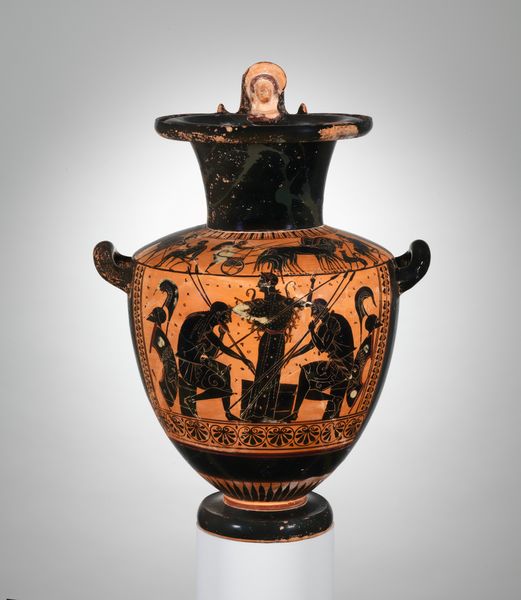
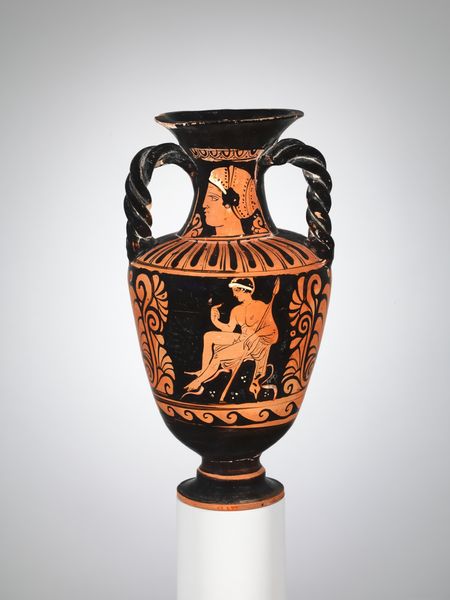
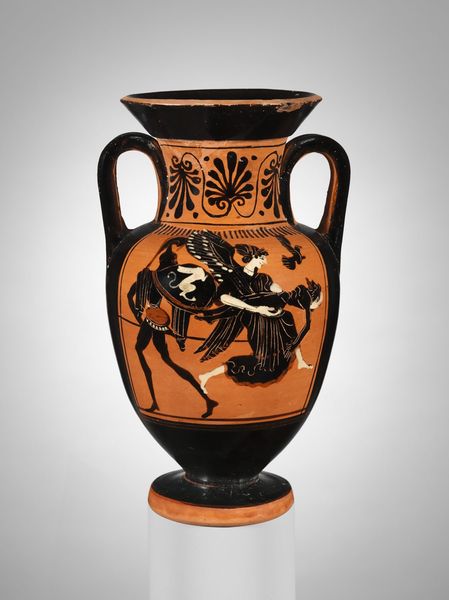
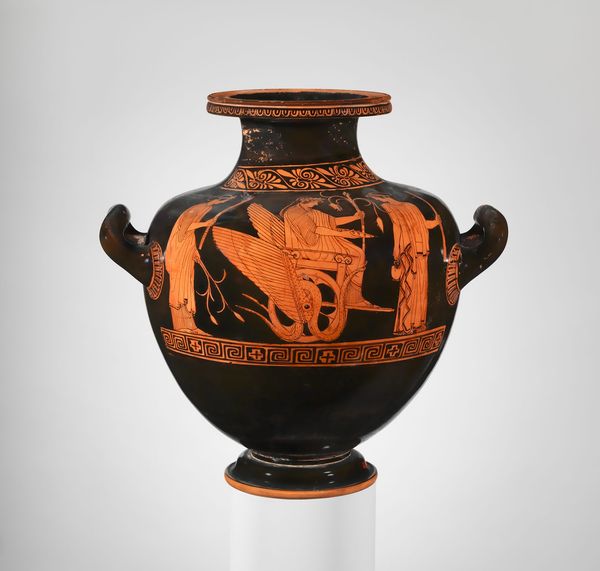
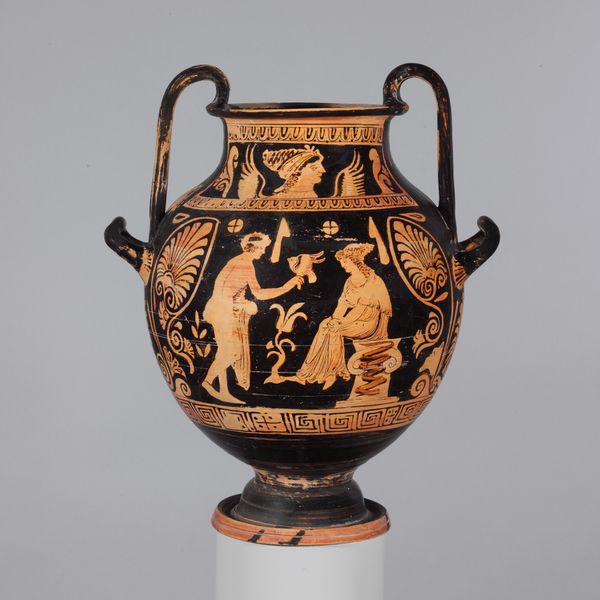
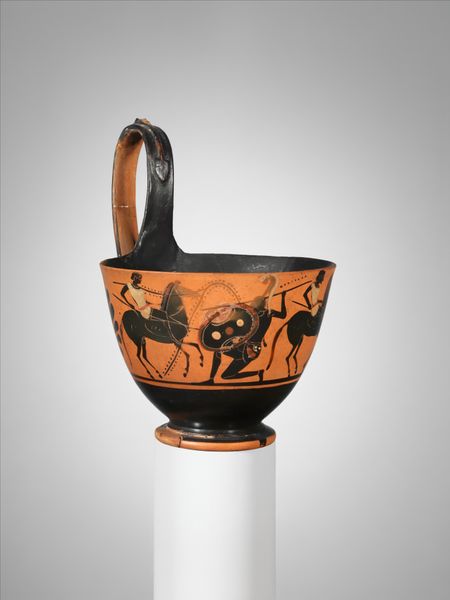
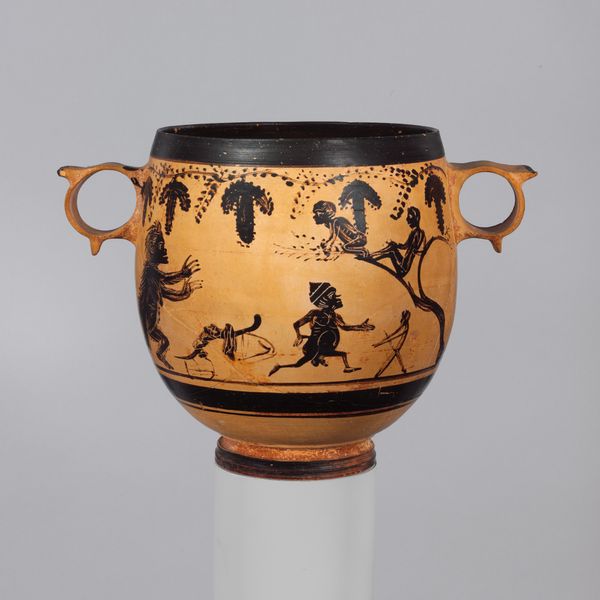
This terracotta lekythos, or oil flask, was made in Ancient Greece using a potter's wheel and paints derived from natural pigments. The form was thrown, allowed to dry, and then painted in a graphic style known as black-figure, a type of decoration widely used in ancient Greece. The striking contrast between the dark figures and light background gives the vase its visual punch, showing a scene of conflict. The details were incised into the painted surface, a subtractive technique that gives the figures sharp definition. The making of terracotta pottery was a laborious, artisanal process, requiring skill in shaping clay and mixing pigments. These vessels were ubiquitous in ancient Greek society, used for storing and pouring oil. The decoration speaks to a culture in which the skilled labor of pottery production met the cultural values of art, storytelling, and trade. This piece is a reminder that even utilitarian objects can be rich with meaning.