1852 - 1870
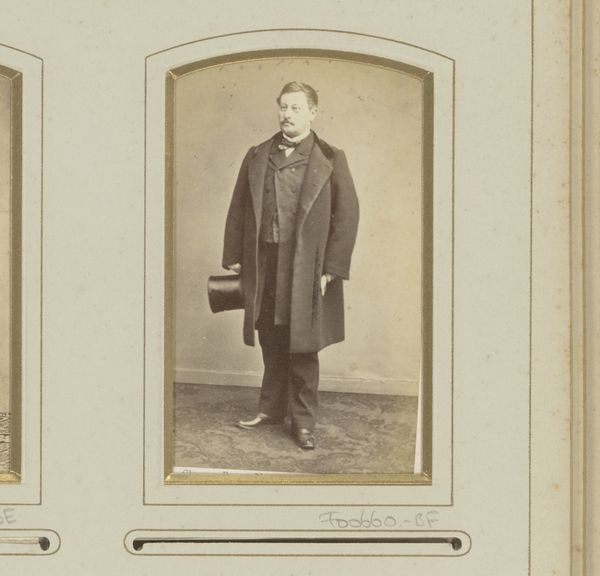
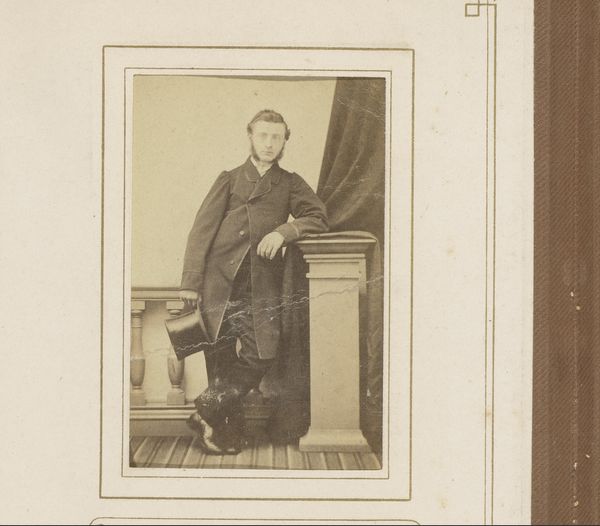
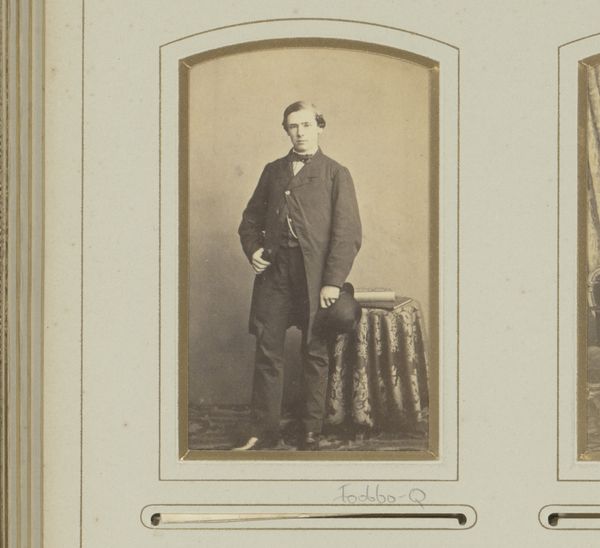
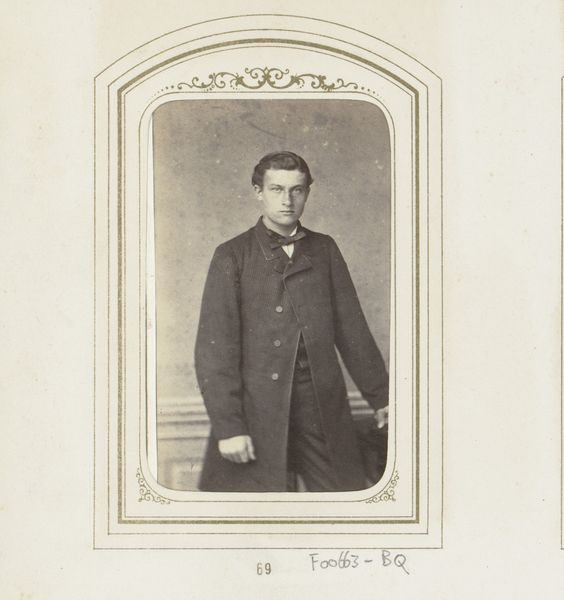
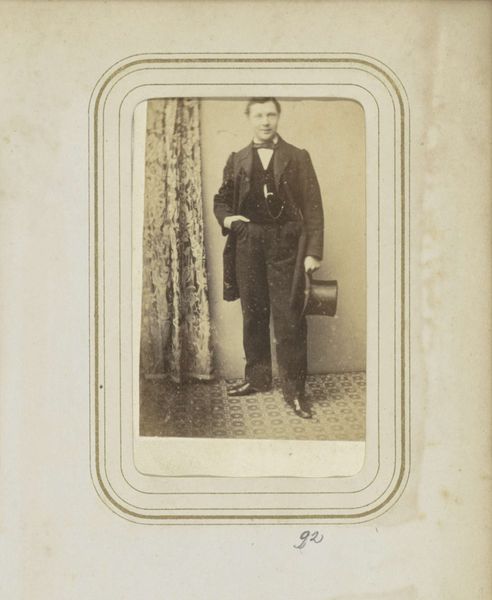
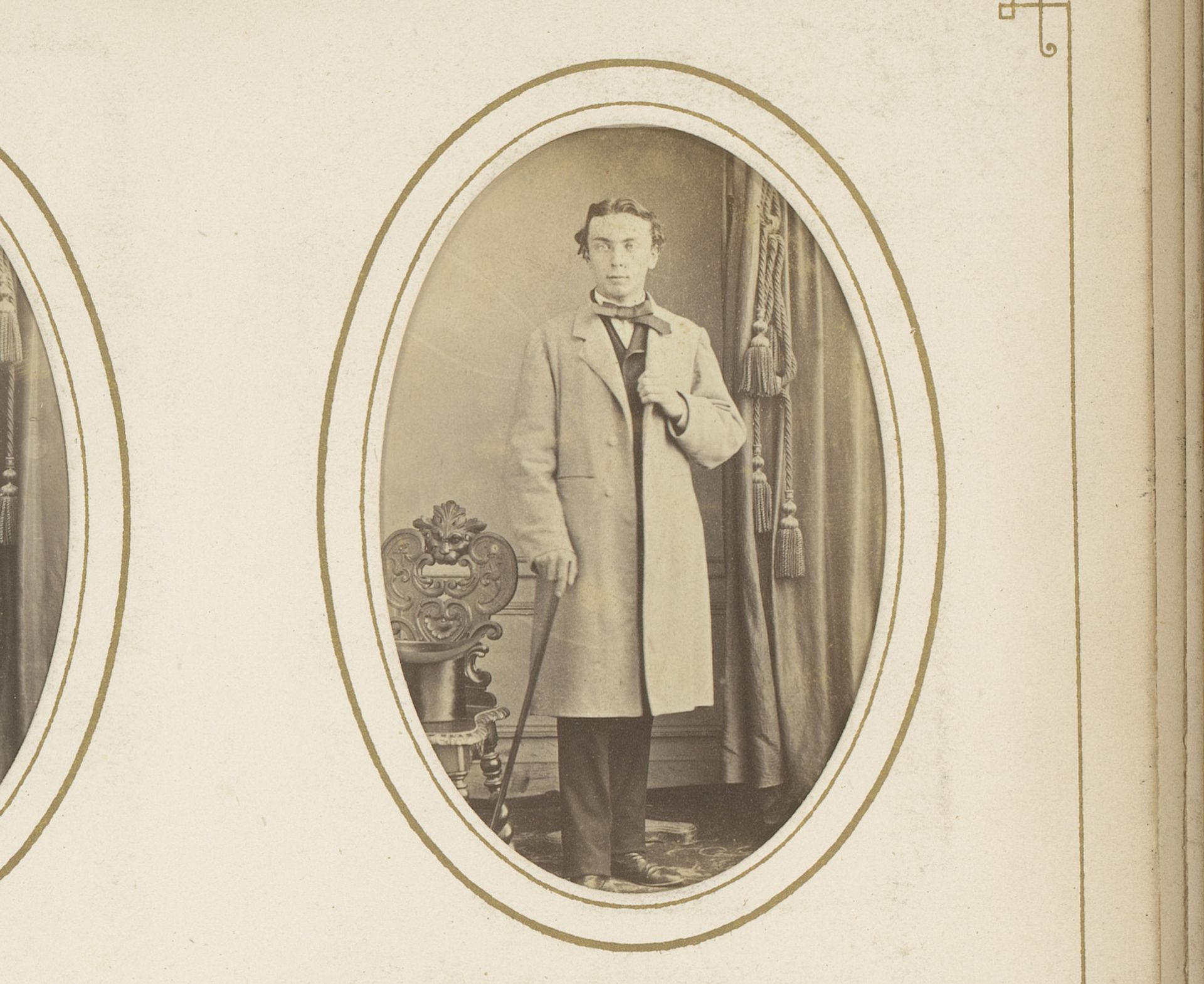
Portret van een man met wandelstok in de hand, staand bij en stoel met hoge hoed

Listen to curator's interpretation
Curatorial notes
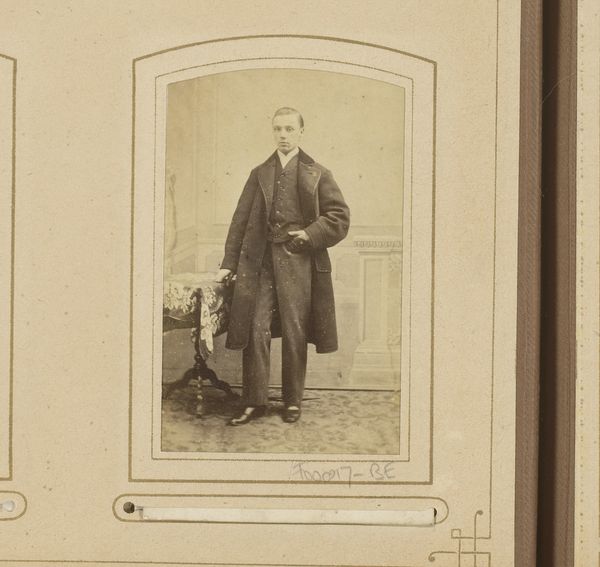
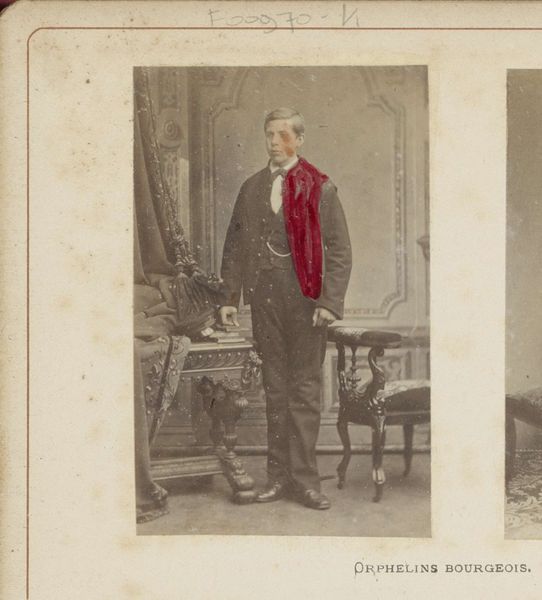
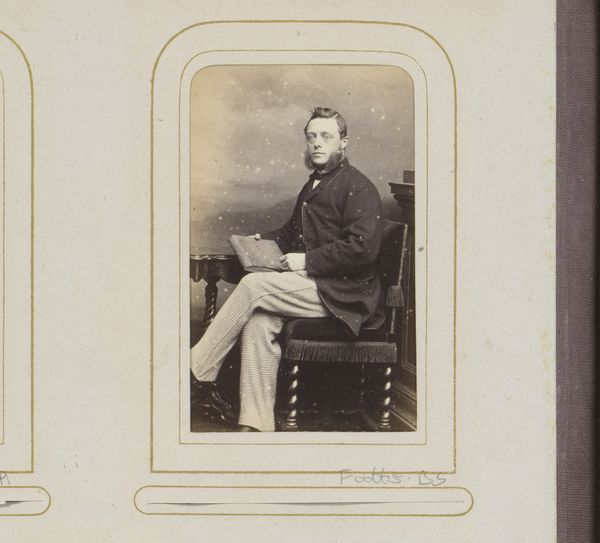
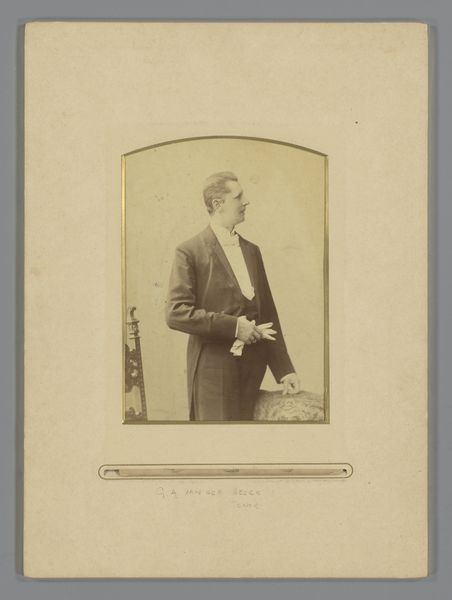
This photograph of a man with a walking stick was produced by Pierre Eugène Thiebault, likely in France, in the mid-19th century. It is a calling card or carte-de-visite, a new form of photography that emerged in the 1850s. Inexpensive and reproducible, cartes-de-visite democratized portraiture, and soon became a popular way to collect images of family, celebrities, and political figures. The man’s carefully chosen attire and accessories—the coat, walking stick, and bow tie—speak to the rise of a middle class with new aspirations and a desire for social visibility. These small photographs also transformed social interactions, shaping how people presented themselves and consumed images. To understand the significance of the carte-de-visite, historians research its circulation and uses, looking at photo albums and personal correspondence to reveal the social lives of these images and the cultural values they reflect.