c. 1690 - 1710
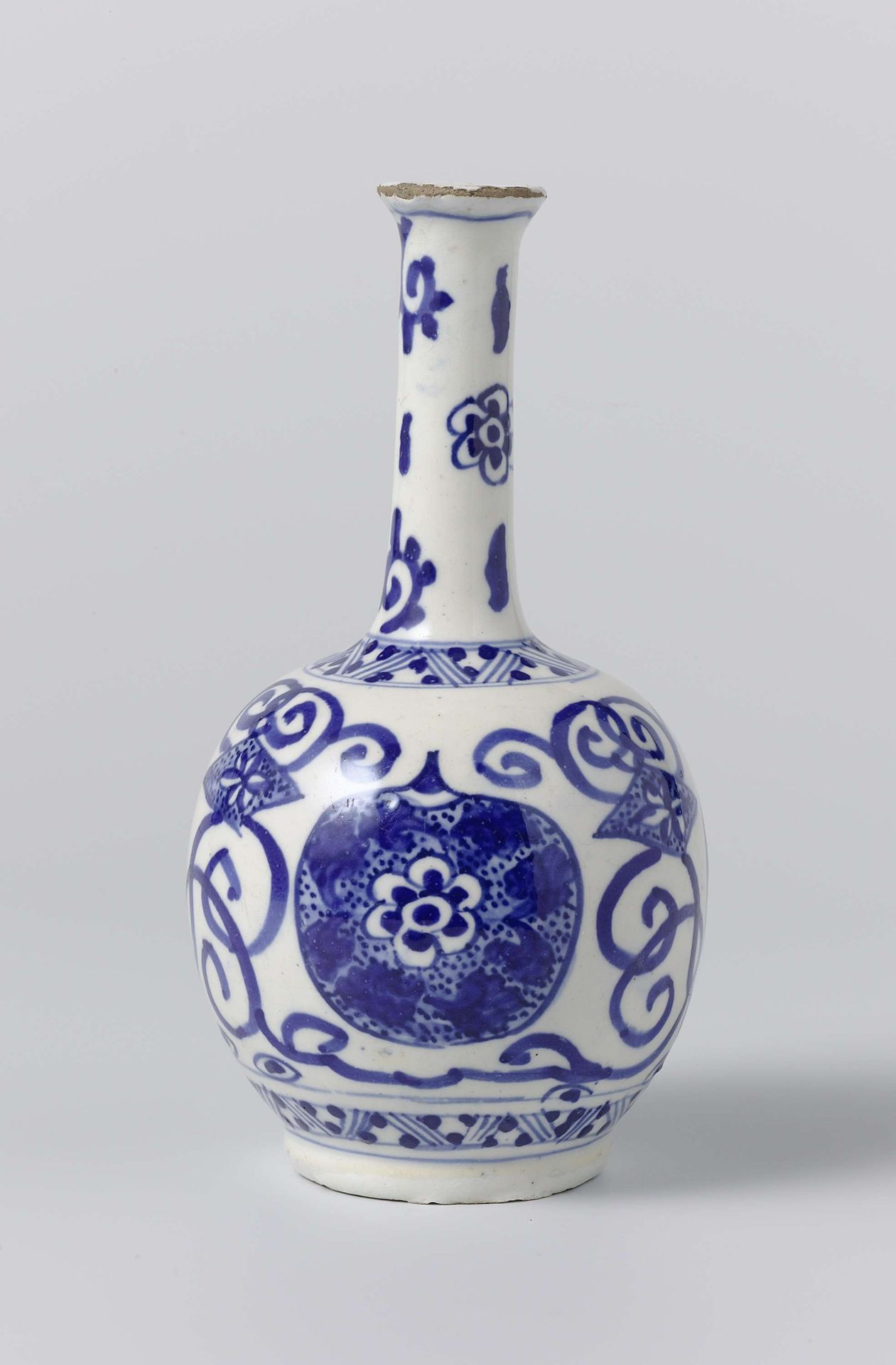
Vaas van faience

De Paauw
@depaauwLocation
RijksmuseumListen to curator's interpretation
Curatorial notes
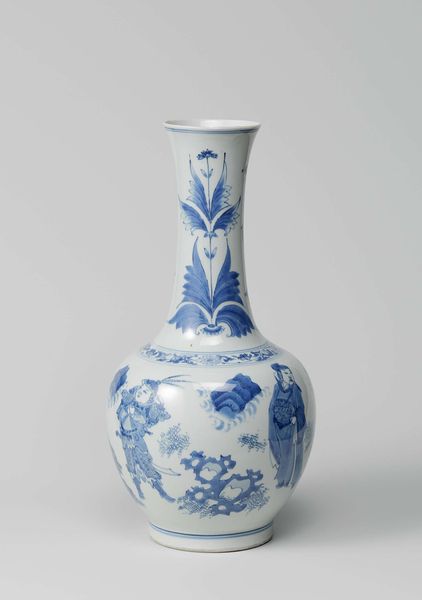
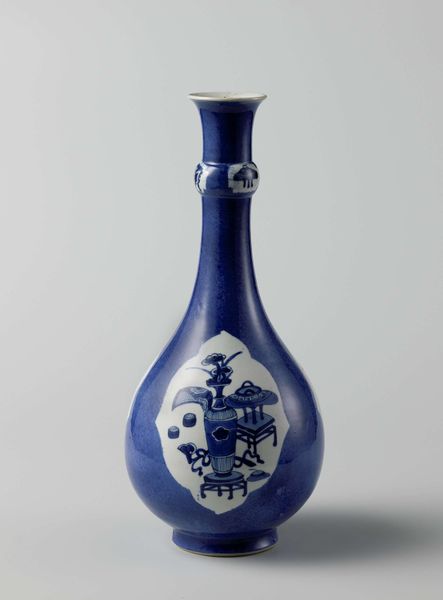
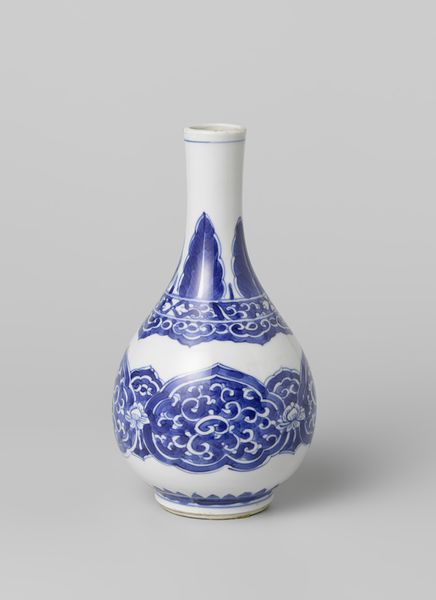
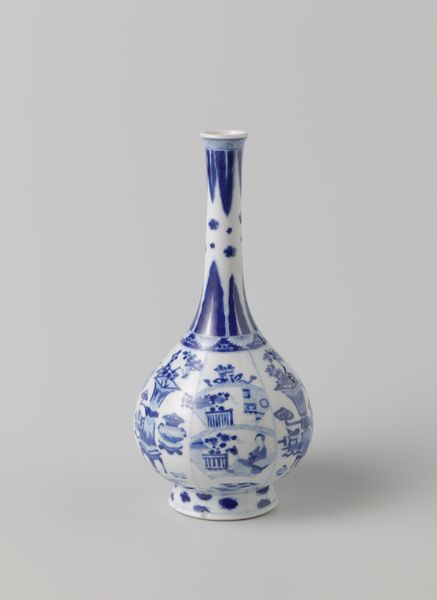
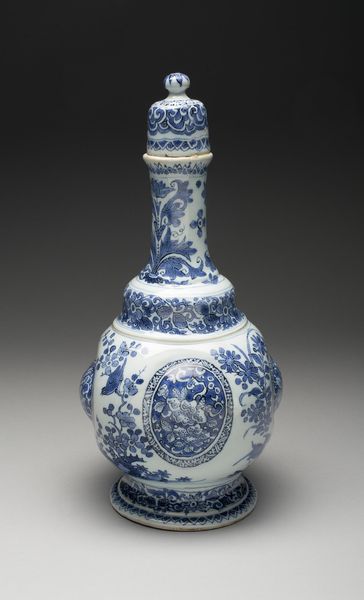
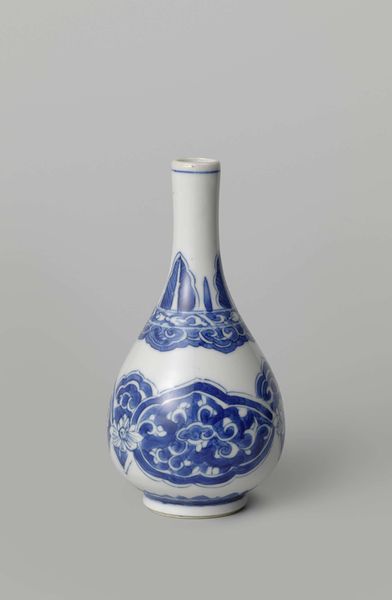
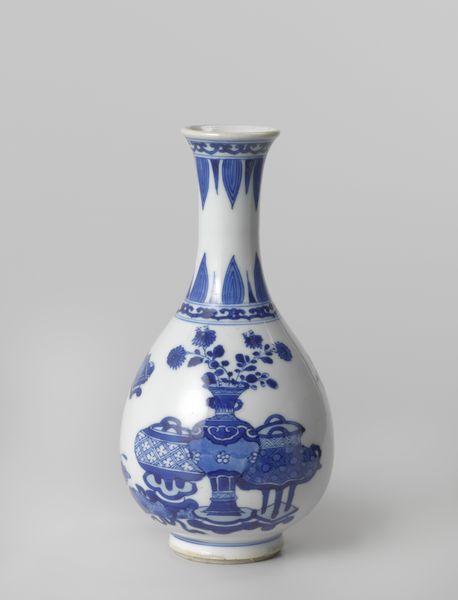
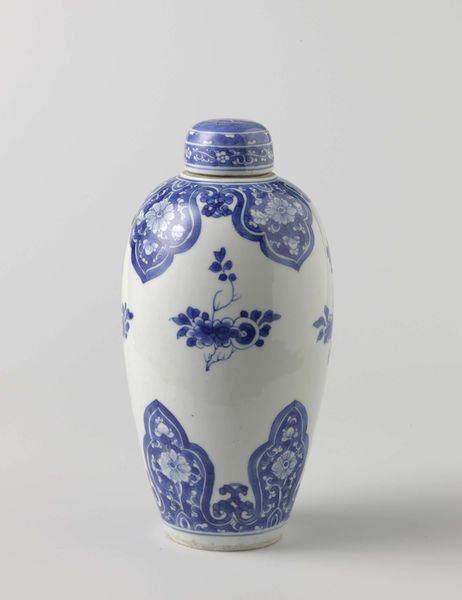
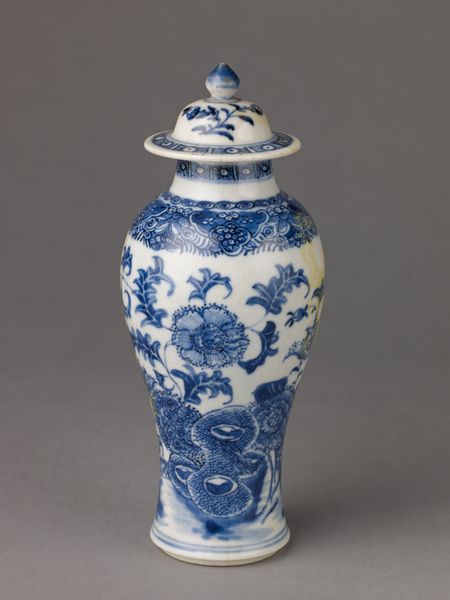
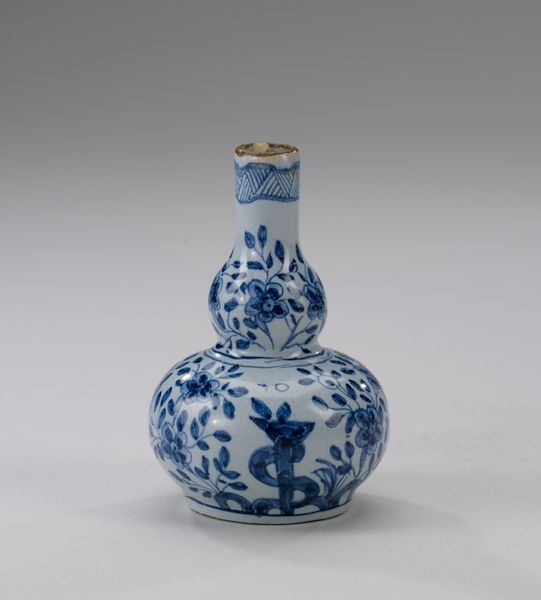
This vase was made by De Paauw, out of faience. Faience is earthenware glazed with a tin-based enamel. This gives a smooth, opaque surface perfect for decoration, which you can see here in the floral motifs painted in cobalt blue. What’s interesting is that faience was developed as a substitute for porcelain. True porcelain was a closely guarded secret in China for centuries. When Europeans finally cracked the code, they were able to cater to the high demand for exquisite, delicate wares. Here, faience speaks to the cultural and economic exchanges that have shaped craft traditions. While not 'true' porcelain, its appeal lies in the ability to mimic its prized qualities while forging its own identity. The vase reflects both skilled handcraft and the dynamics of international trade, highlighting the interplay between imitation and innovation.