About this artwork
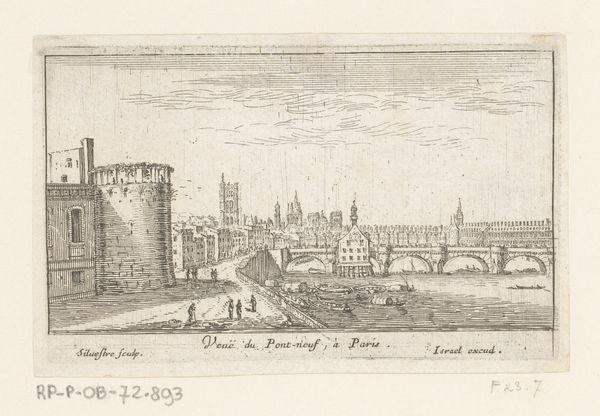
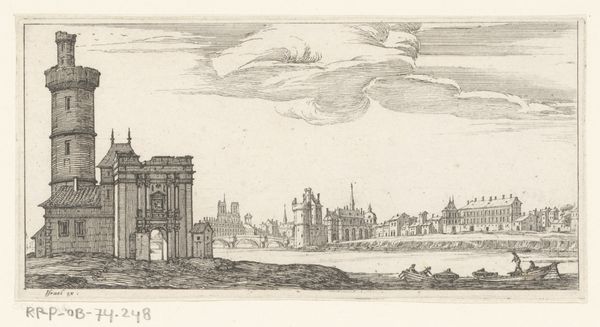
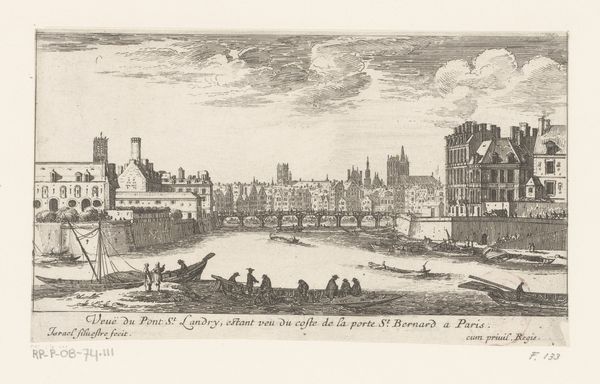
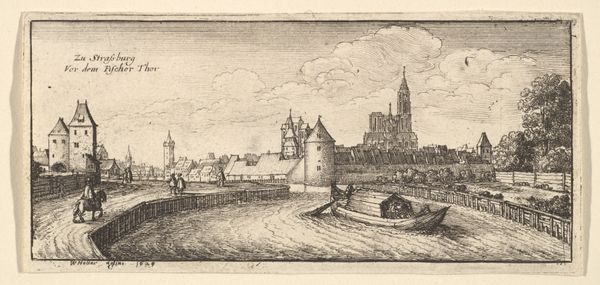
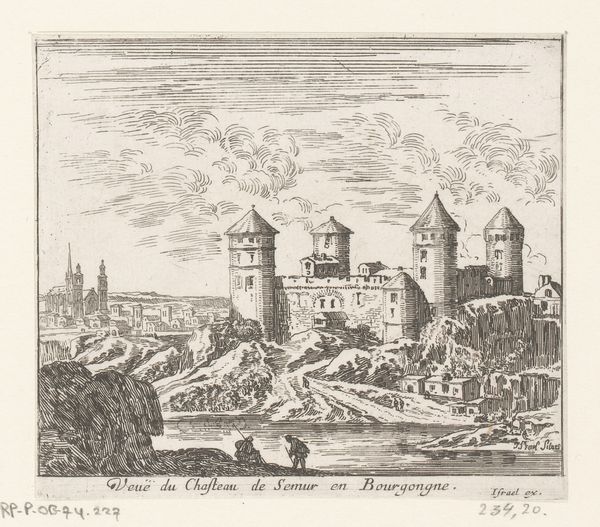
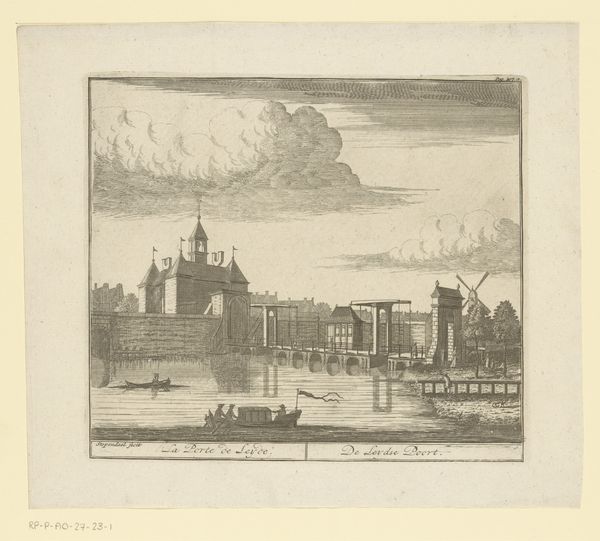
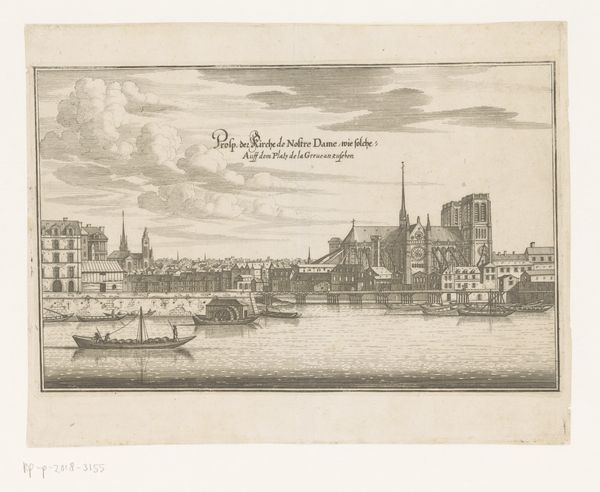
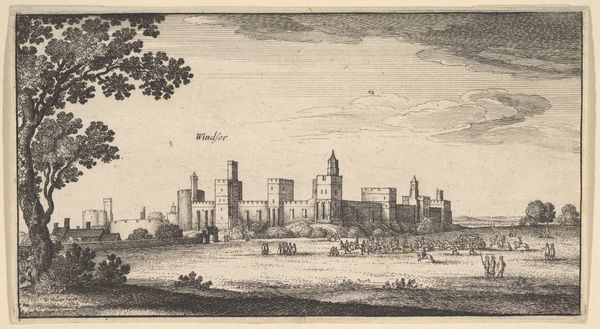
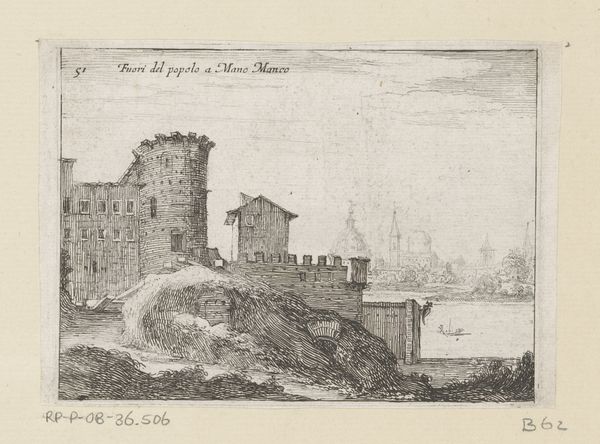
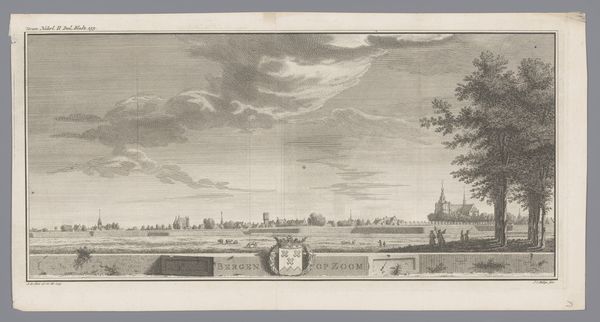
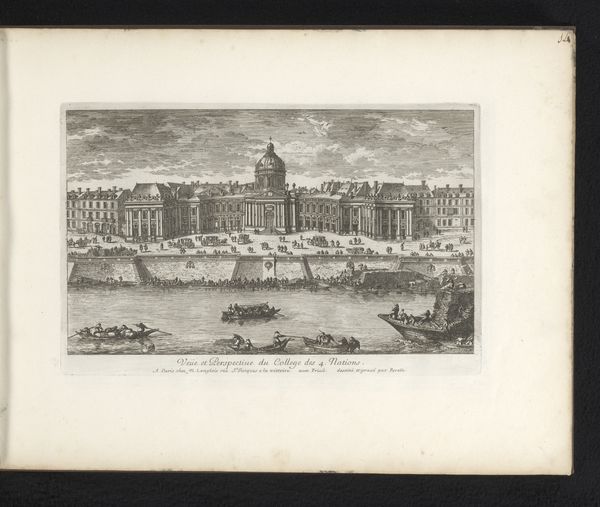
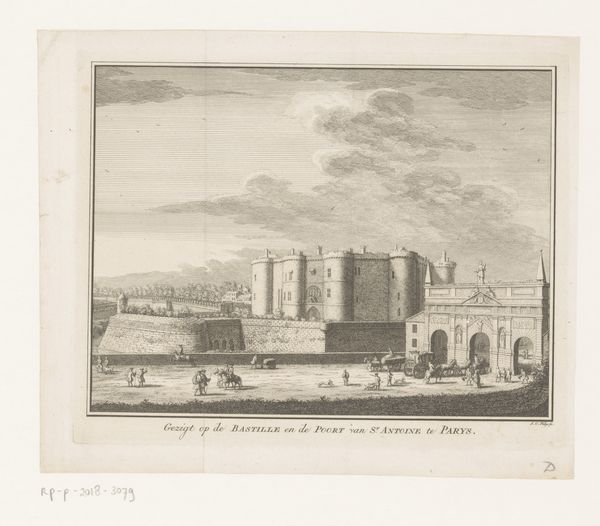
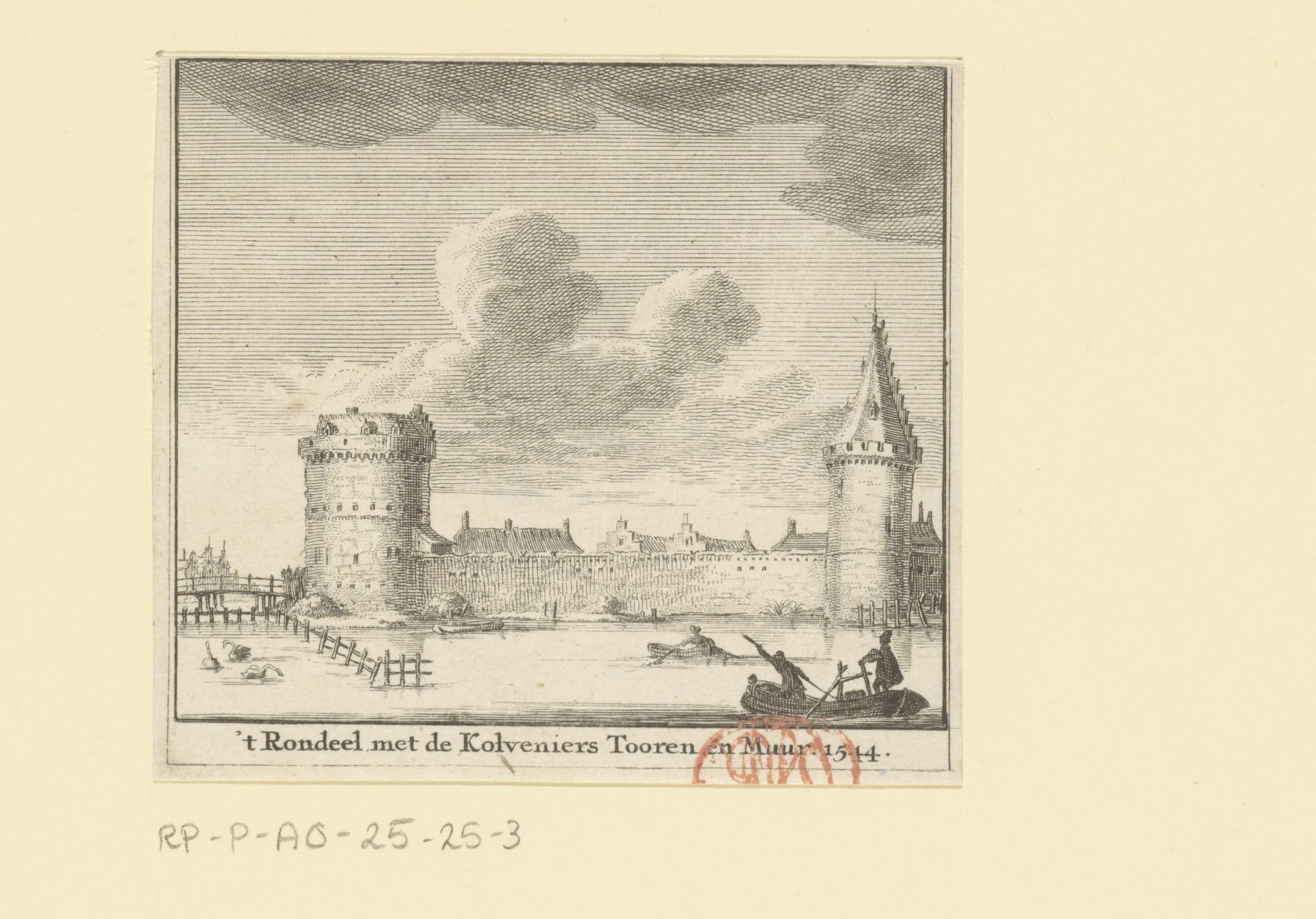
This print, titled "View of part of the city wall of Amsterdam with the Swych Utrecht tower," was made in 1544 by Jan Goeree using engraving, a process that involves cutting lines into a metal plate, inking it, and then pressing it onto paper. Look closely and you'll see that the nature of the medium—the fine, precise lines that an engraver can achieve—lends itself very well to the depiction of architecture. Consider all the labor involved: the careful cutting of the plate, the precise inking and printing. These are the crafts that gave rise to mass media. What's fascinating here is the tension between the skilled labor involved in the printmaking process, and the subject of the image, the city wall, which itself was constructed through immense labor to protect Amsterdam’s developing trade networks and mercantile interests. This artwork reflects the historical moment when craft and labor were deeply intertwined with larger social, economic, and political forces.
Gezicht op een deel van de stadsmuur van Amsterdam met de toren Swych Utrecht, 1544
1723 - 1738

Jan Goeree
1670 - 1731Location
RijksmuseumArtwork details
- Medium
- print, etching, engraving
- Dimensions
- height 74 mm, width 83 mm
- Location
- Rijksmuseum
- Copyright
- Rijks Museum: Open Domain
Tags
Comments
Share your thoughts
About this artwork
This print, titled "View of part of the city wall of Amsterdam with the Swych Utrecht tower," was made in 1544 by Jan Goeree using engraving, a process that involves cutting lines into a metal plate, inking it, and then pressing it onto paper. Look closely and you'll see that the nature of the medium—the fine, precise lines that an engraver can achieve—lends itself very well to the depiction of architecture. Consider all the labor involved: the careful cutting of the plate, the precise inking and printing. These are the crafts that gave rise to mass media. What's fascinating here is the tension between the skilled labor involved in the printmaking process, and the subject of the image, the city wall, which itself was constructed through immense labor to protect Amsterdam’s developing trade networks and mercantile interests. This artwork reflects the historical moment when craft and labor were deeply intertwined with larger social, economic, and political forces.
Comments
Share your thoughts