About this artwork
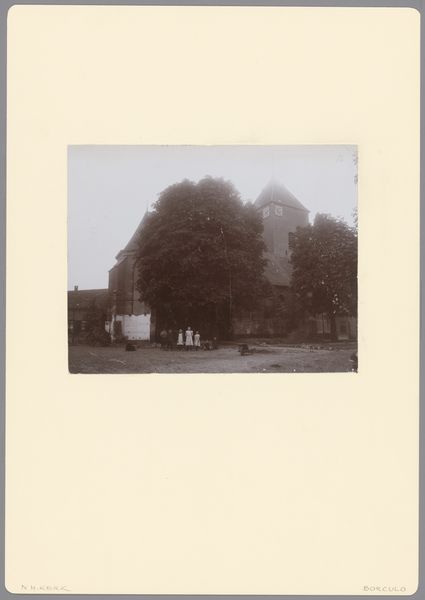
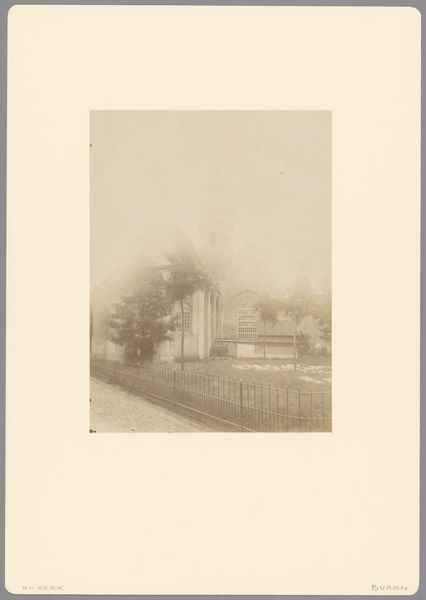
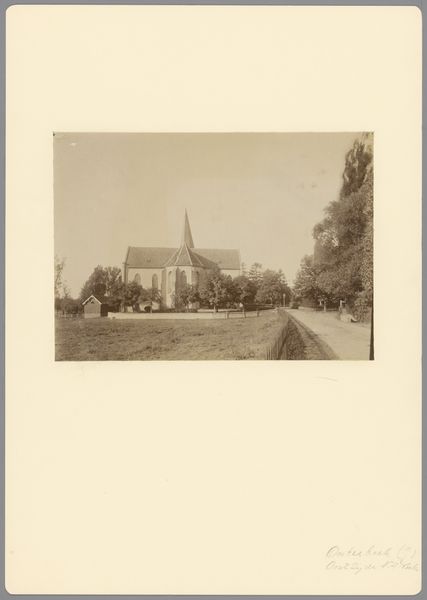
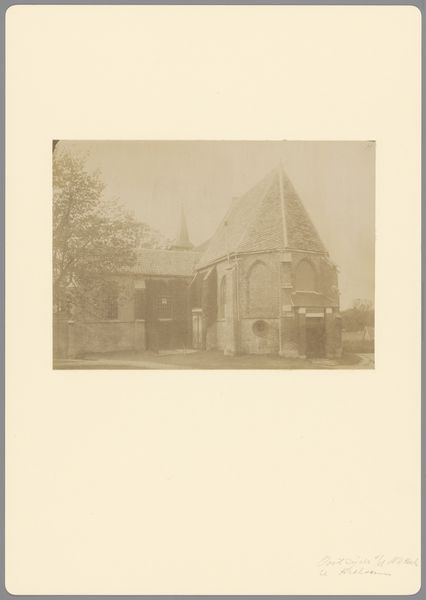
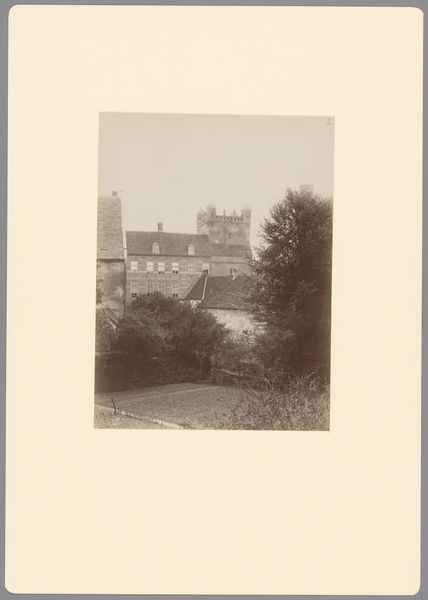
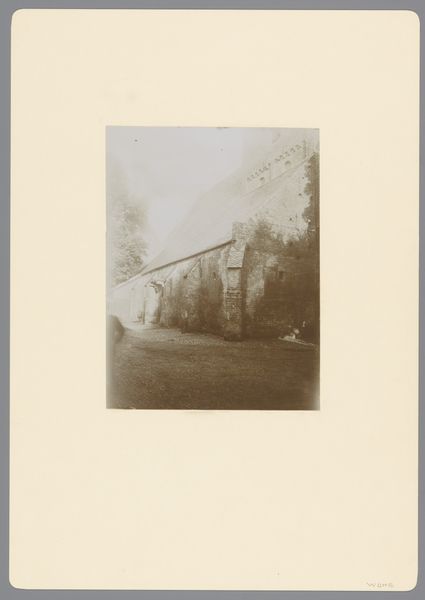
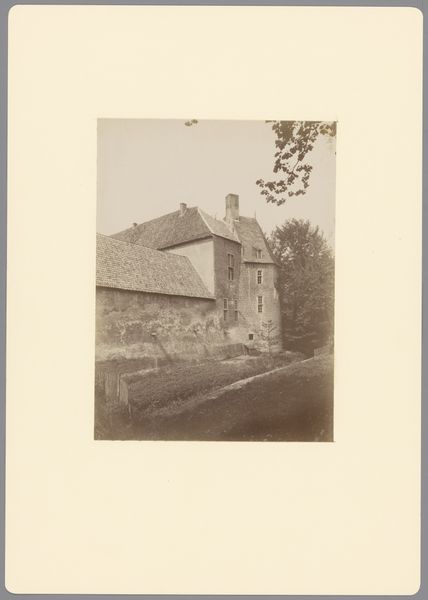
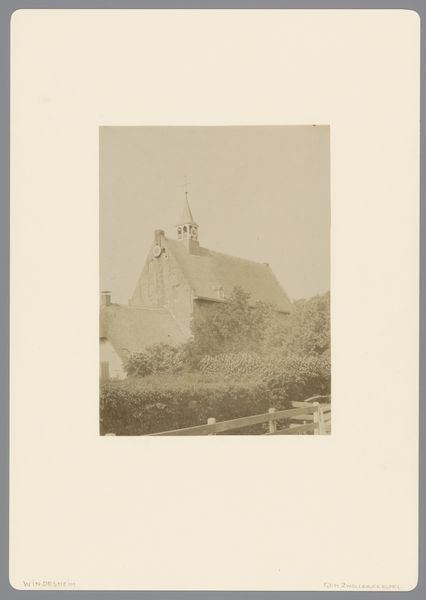
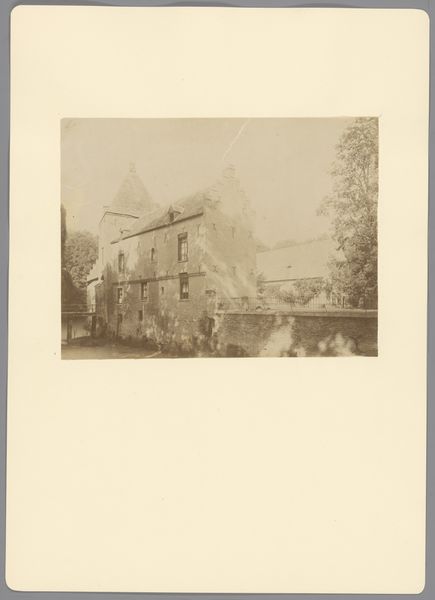
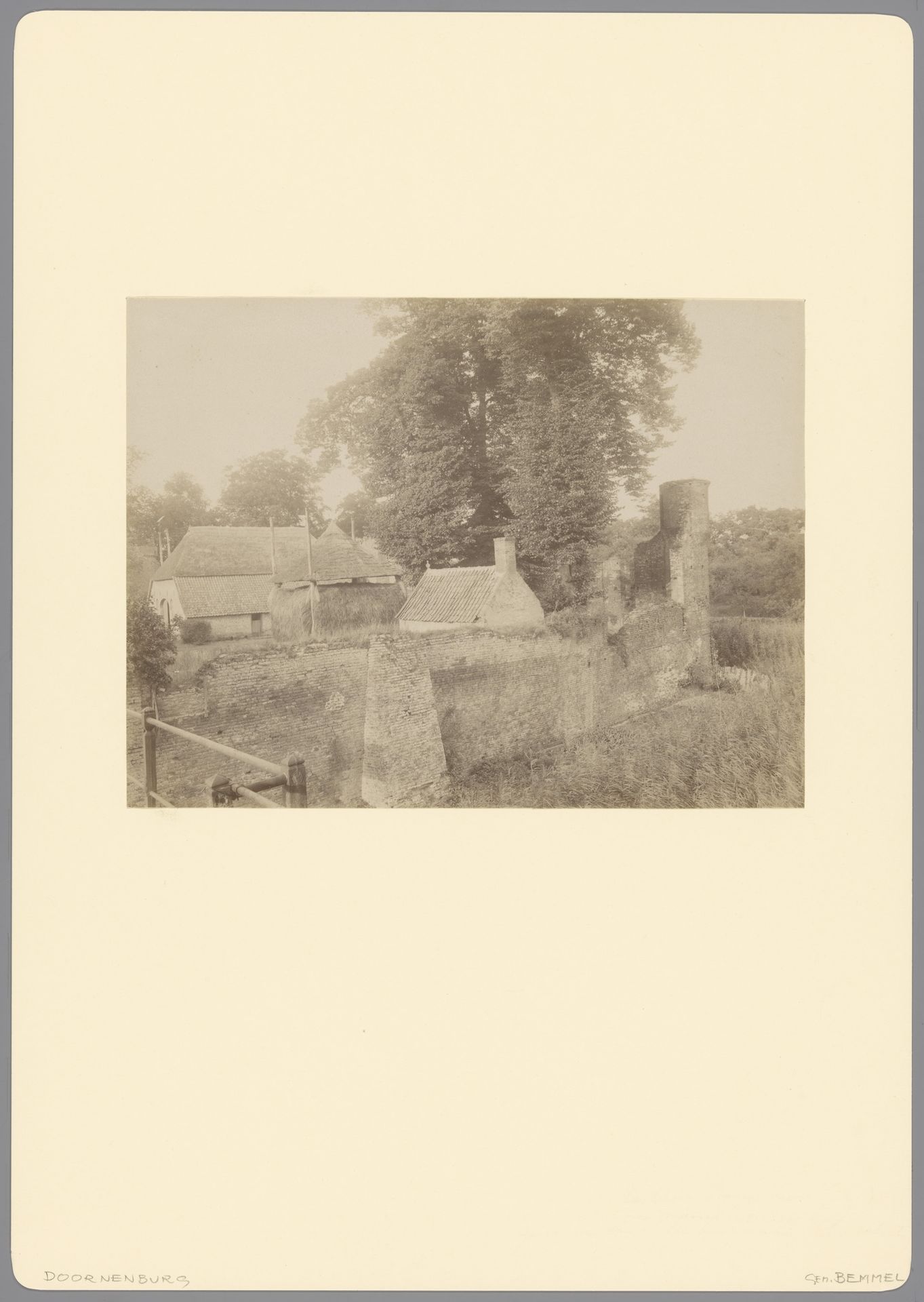
This photograph, taken by an anonymous photographer working for Monumentenzorg, depicts the southern wall of the outer ward at Doornenburg Castle. The image presents us with a romantic ruin. But it’s more than just a picturesque scene; it's a document reflecting the institutional efforts towards heritage conservation. The scene is likely from the early 20th century in the Netherlands, given Monumentenzorg's role, as a Dutch heritage organisation. The deliberate act of documenting such sites speaks to a growing awareness of national history and the importance of preserving it. Castles like Doornenburg were not just old buildings, they represented the history of power, social structures, and cultural identity. Was this image meant to inspire national pride? To remind viewers of a glorious past? Or perhaps to advocate for the restoration and preservation of such sites? Understanding the context requires us to delve into archives, study the history of Monumentenzorg, and explore the cultural and political climate of the time. In doing so, we can better appreciate the layered meanings embedded within this seemingly simple photograph.
Zuidelijke muur van het voorhof bij Kasteel Doornenburg
1903

Artwork details
- Dimensions
- height 170 mm, width 225 mm
- Copyright
- Rijks Museum: Open Domain
Comments
Share your thoughts
About this artwork
This photograph, taken by an anonymous photographer working for Monumentenzorg, depicts the southern wall of the outer ward at Doornenburg Castle. The image presents us with a romantic ruin. But it’s more than just a picturesque scene; it's a document reflecting the institutional efforts towards heritage conservation. The scene is likely from the early 20th century in the Netherlands, given Monumentenzorg's role, as a Dutch heritage organisation. The deliberate act of documenting such sites speaks to a growing awareness of national history and the importance of preserving it. Castles like Doornenburg were not just old buildings, they represented the history of power, social structures, and cultural identity. Was this image meant to inspire national pride? To remind viewers of a glorious past? Or perhaps to advocate for the restoration and preservation of such sites? Understanding the context requires us to delve into archives, study the history of Monumentenzorg, and explore the cultural and political climate of the time. In doing so, we can better appreciate the layered meanings embedded within this seemingly simple photograph.
Comments
Share your thoughts