About this artwork
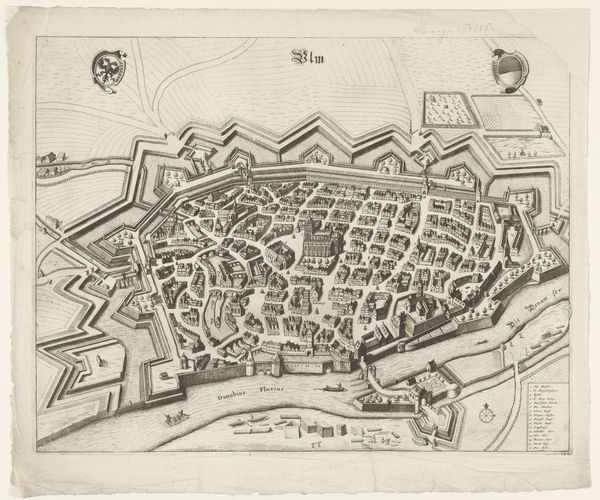
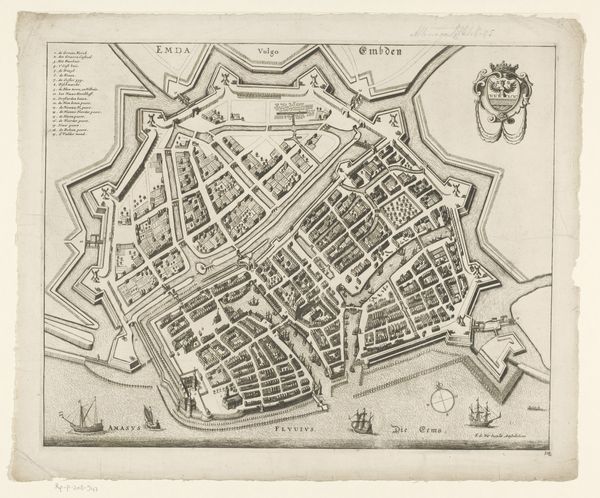
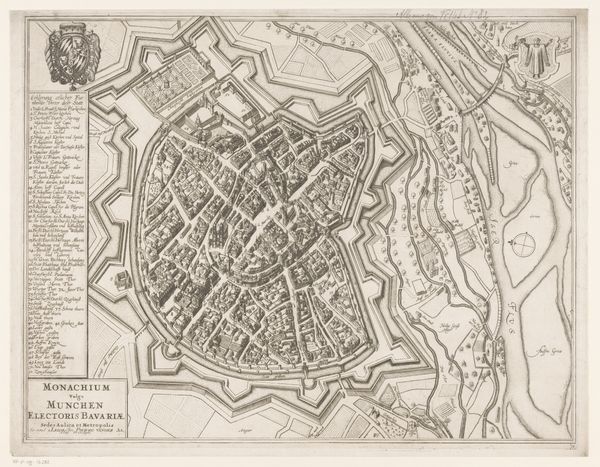
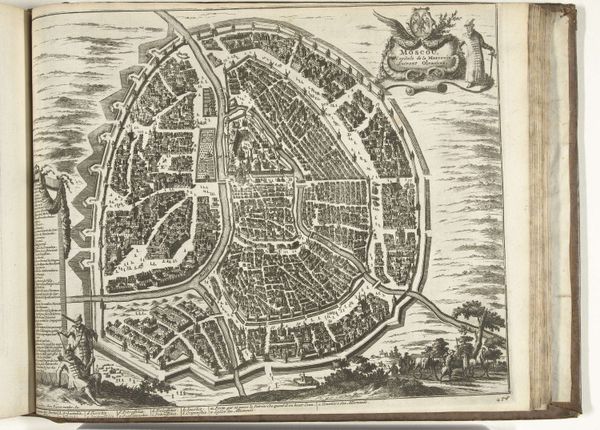
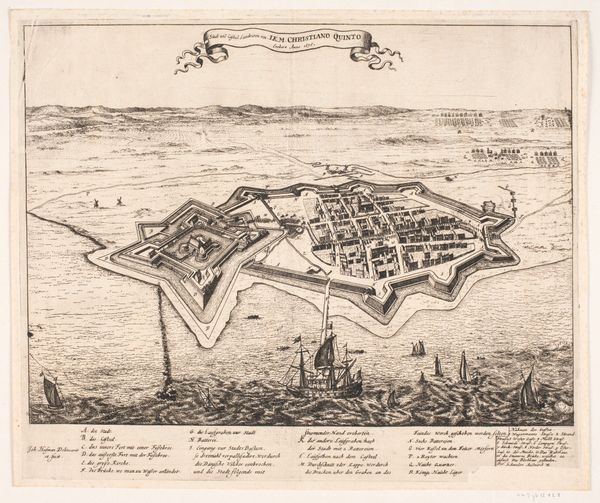
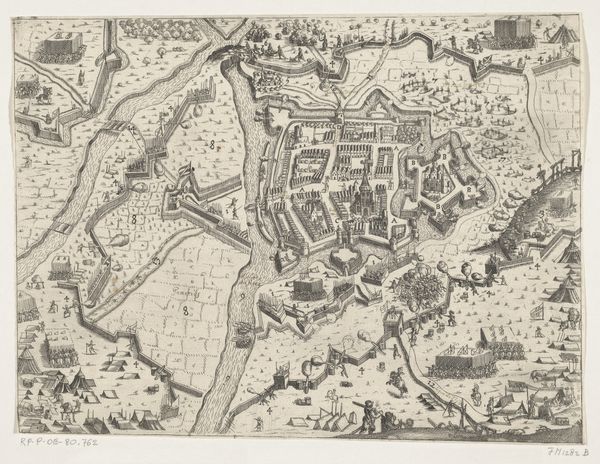
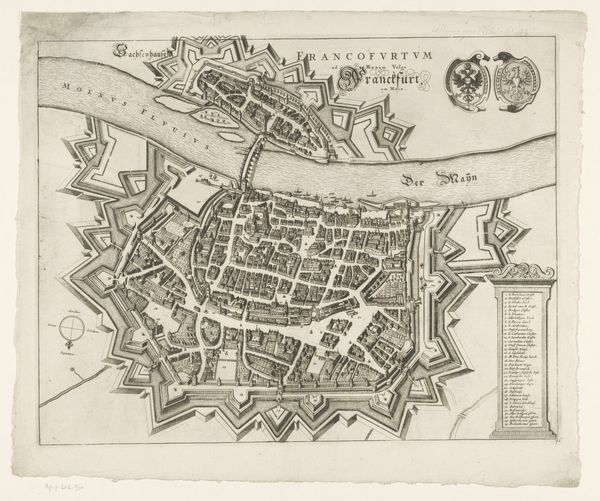
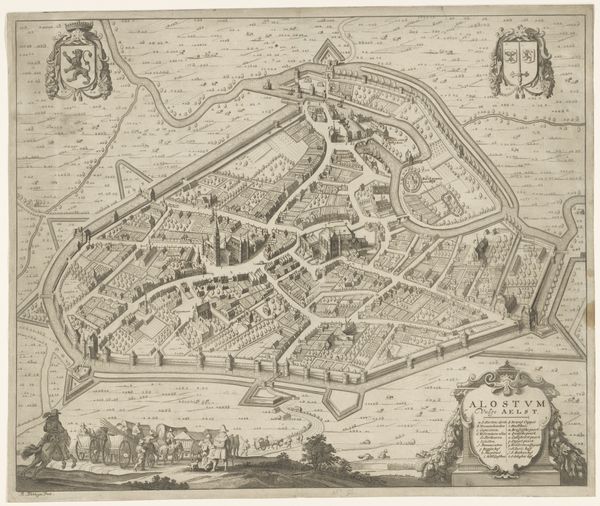
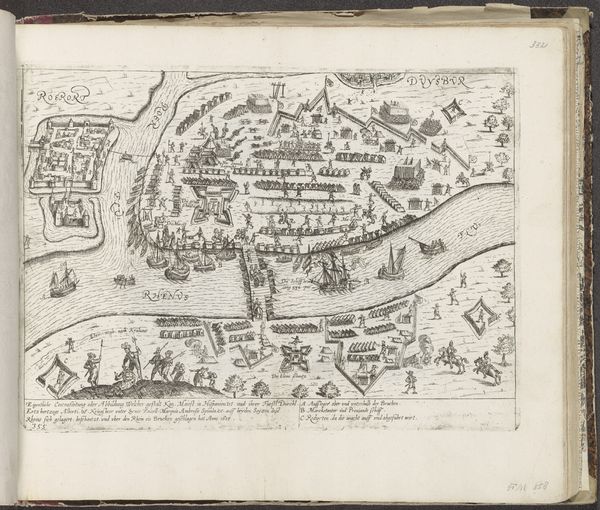
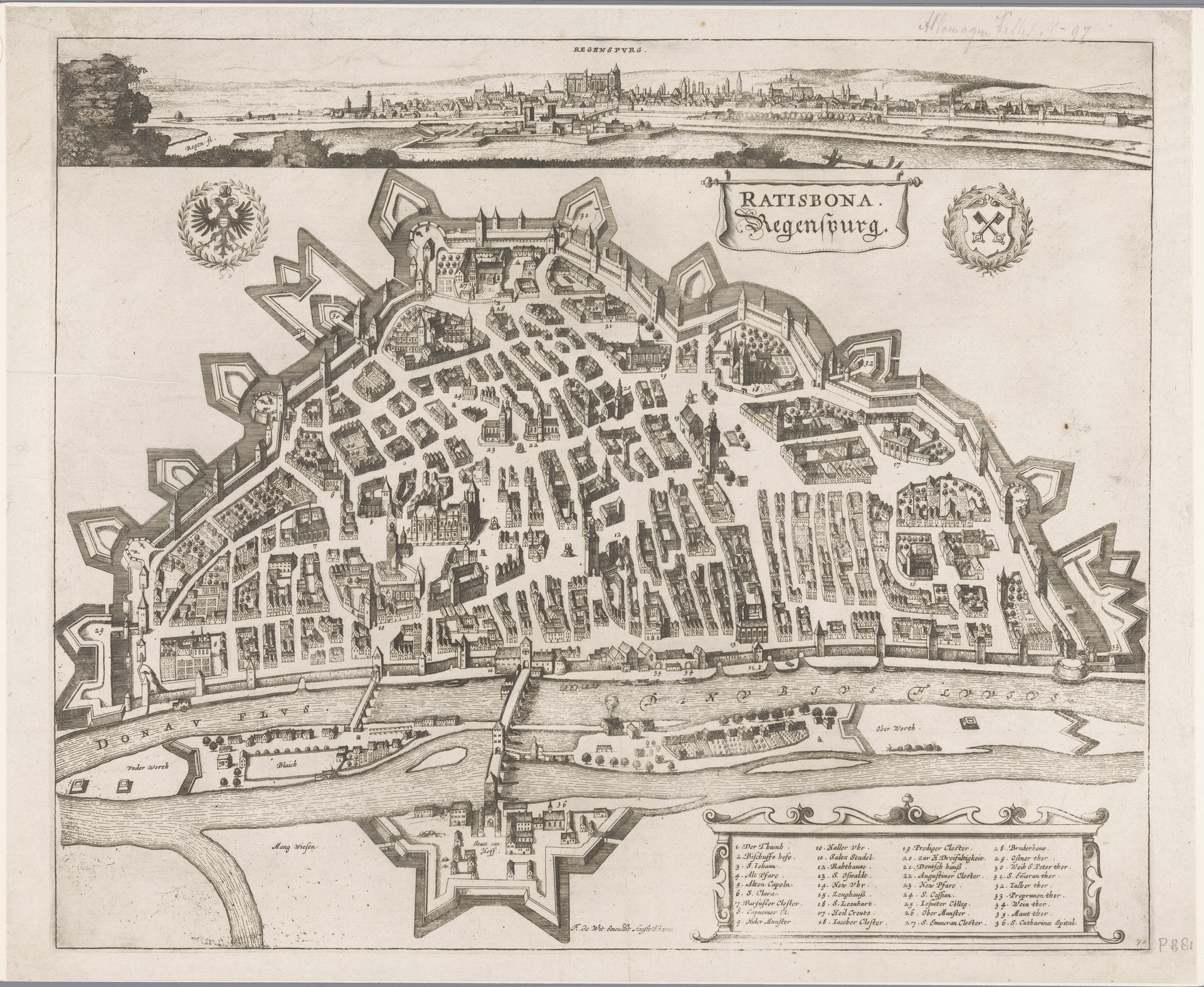
Wenceslaus Hollar made this print of Regensburg using etching, a technique of cutting lines into a metal plate, inking it, and pressing it onto paper. Think about how this process shapes our view of the city. The crisp lines give a sense of order and precision, fitting for a map. But they also reveal Hollar's hand. Each stroke, each tiny building, is the result of a deliberate action. Look closely, and you’ll see the textures created by the etching process itself. The varying depths of the lines, the way the ink catches, all contribute to the image’s depth and character. This isn’t just a record of a place. It’s a record of labor, a testament to the skill involved in capturing a city, one painstaking line at a time. It reminds us that even in the most seemingly objective representations, the human touch is always present.
Plattegrond en gezicht op Regensburg 1695 - 1700

Wenceslaus Hollar
1607 - 1677Location
RijksmuseumArtwork details
- Medium
- drawing, print, ink, engraving
- Dimensions
- height 415 mm, width 505 mm
- Location
- Rijksmuseum
- Copyright
- Rijks Museum: Open Domain
Tags
pen and ink
drawing
ink drawing
baroque
pen drawing
perspective
ink
geometric
cityscape
history-painting
engraving
Comments
No comments
About this artwork
Wenceslaus Hollar made this print of Regensburg using etching, a technique of cutting lines into a metal plate, inking it, and pressing it onto paper. Think about how this process shapes our view of the city. The crisp lines give a sense of order and precision, fitting for a map. But they also reveal Hollar's hand. Each stroke, each tiny building, is the result of a deliberate action. Look closely, and you’ll see the textures created by the etching process itself. The varying depths of the lines, the way the ink catches, all contribute to the image’s depth and character. This isn’t just a record of a place. It’s a record of labor, a testament to the skill involved in capturing a city, one painstaking line at a time. It reminds us that even in the most seemingly objective representations, the human touch is always present.
Comments
No comments