About this artwork
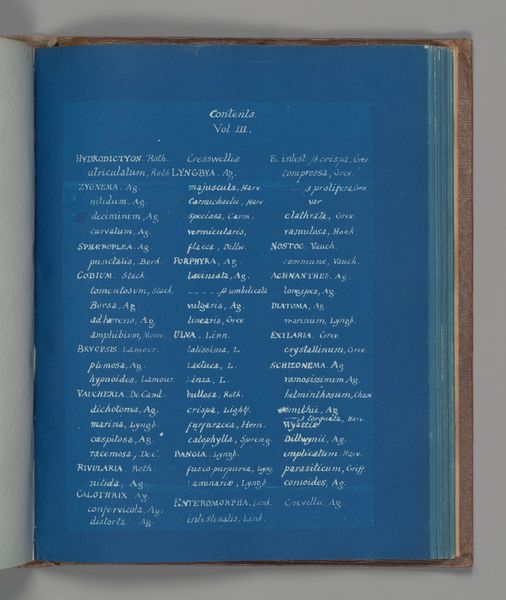
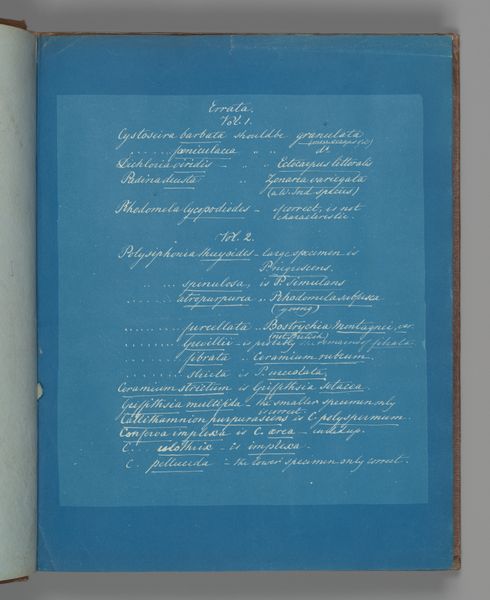
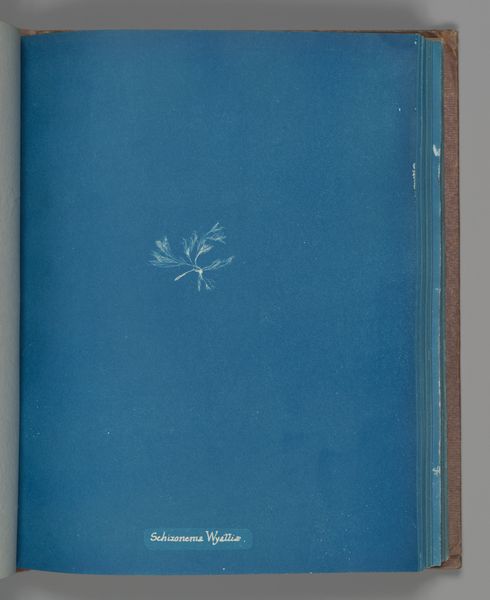
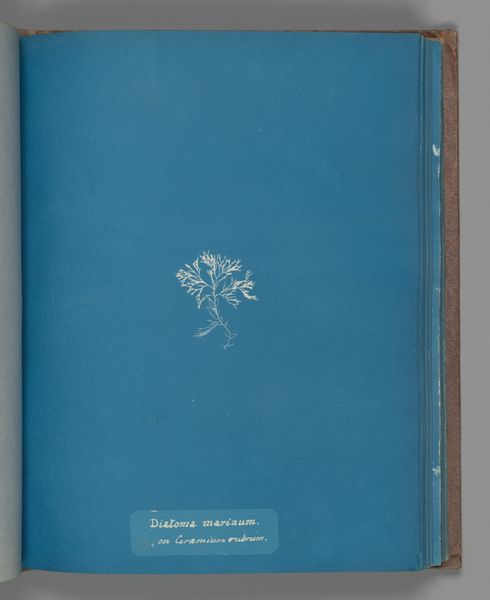
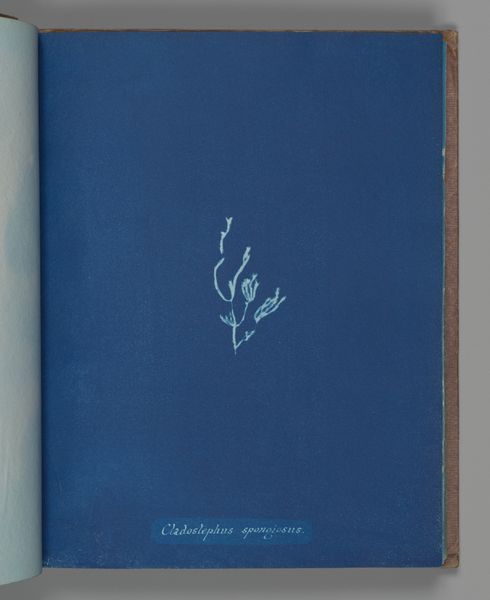
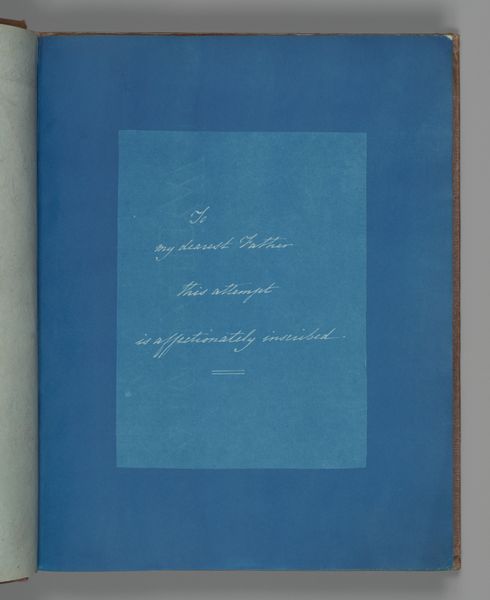
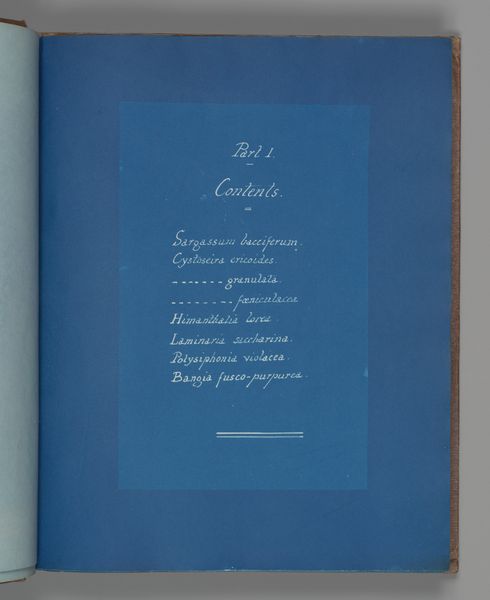
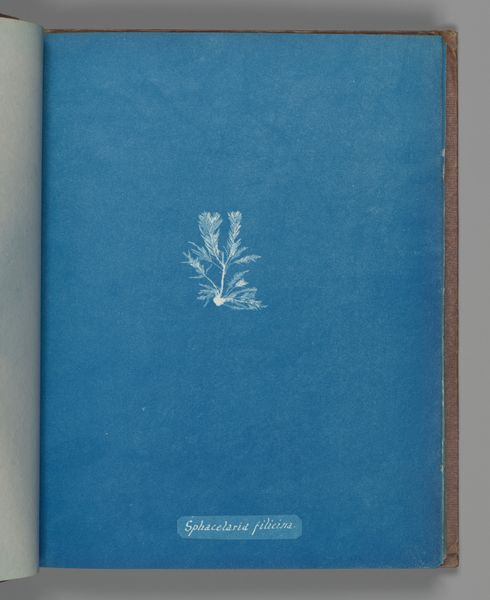
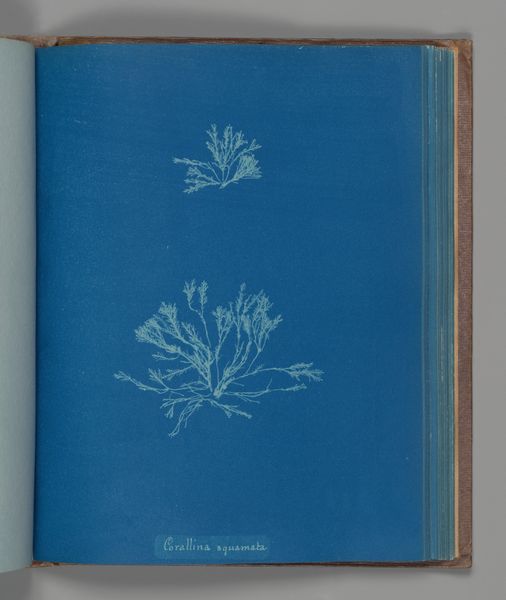
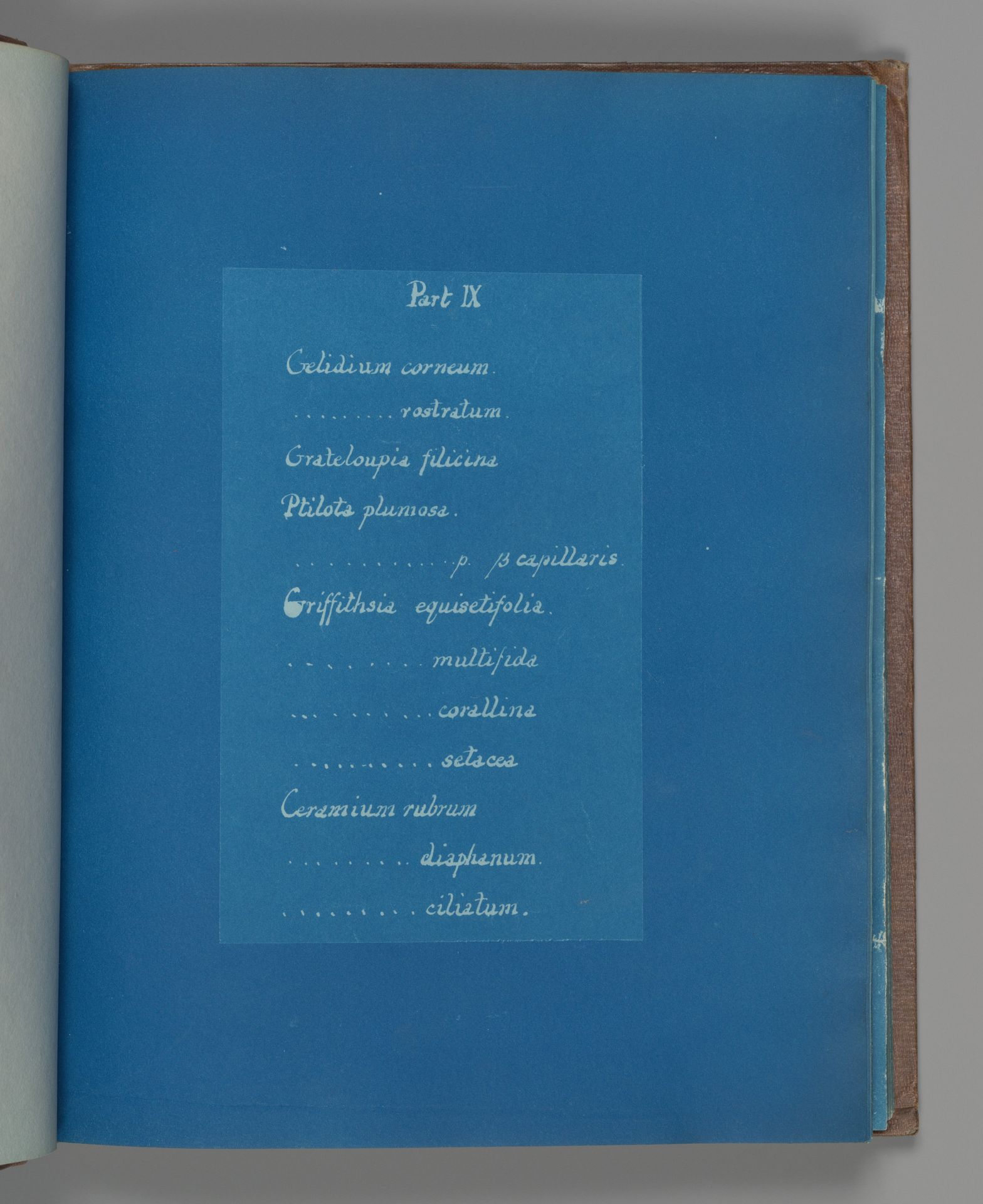
Part IX is a cyanotype made by Anna Atkins sometime in the mid-19th century. The cyanotype process, a very early form of photography, involves coating paper with light-sensitive chemicals, placing objects on its surface, and exposing it to sunlight. Here, Atkins used this technique to record different species of algae. The intense Prussian blue results from the chemical reaction, a color that becomes synonymous with this type of print. The stark, graphic quality of the cyanotype emphasizes the delicate, organic forms of the algae, transforming scientific recording into a work of art. Consider how the work involved in gathering and preparing the specimens, coating the paper, carefully arranging the algae, and exposing it to the sun, all contribute to the final image. The process itself, a blend of science, craft, and artistic vision, elevates the final result beyond mere documentation, blurring the lines between disciplines.
Part IX 1851 - 1855


Artwork details
- Medium
- print, cyanotype, photography
- Dimensions
- Image: 25.3 x 20 cm (9 15/16 x 7 7/8 in.)
- Location
- Metropolitan Museum of Art, New York, NY
- Copyright
- Public Domain
Tags
still-life-photography
cyanotype
photography
Comments
No comments
About this artwork
Part IX is a cyanotype made by Anna Atkins sometime in the mid-19th century. The cyanotype process, a very early form of photography, involves coating paper with light-sensitive chemicals, placing objects on its surface, and exposing it to sunlight. Here, Atkins used this technique to record different species of algae. The intense Prussian blue results from the chemical reaction, a color that becomes synonymous with this type of print. The stark, graphic quality of the cyanotype emphasizes the delicate, organic forms of the algae, transforming scientific recording into a work of art. Consider how the work involved in gathering and preparing the specimens, coating the paper, carefully arranging the algae, and exposing it to the sun, all contribute to the final image. The process itself, a blend of science, craft, and artistic vision, elevates the final result beyond mere documentation, blurring the lines between disciplines.
Comments
No comments