About this artwork
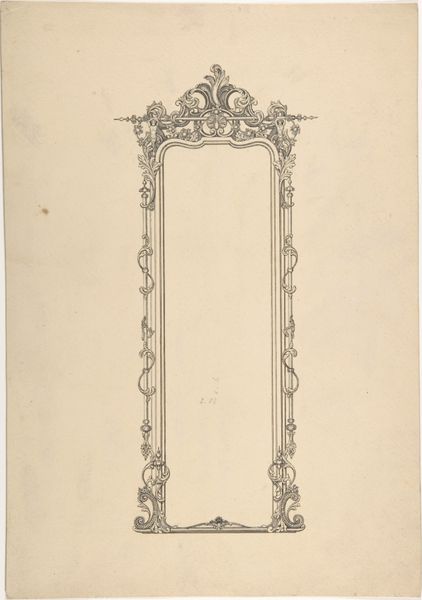
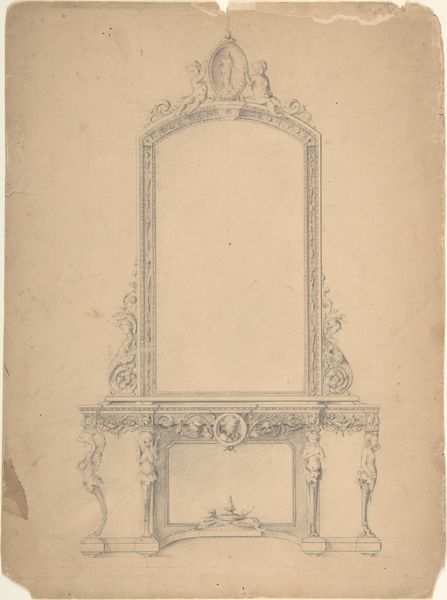
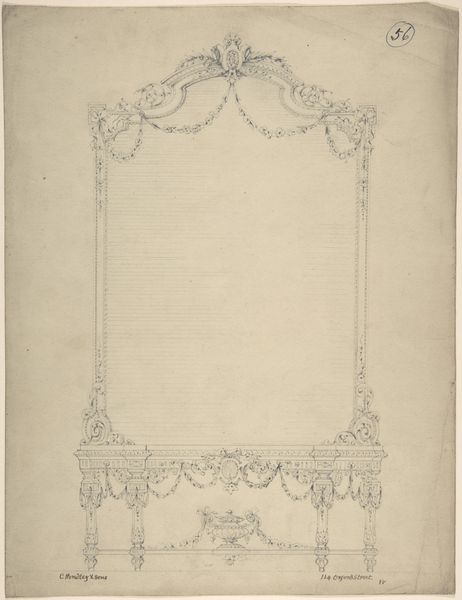
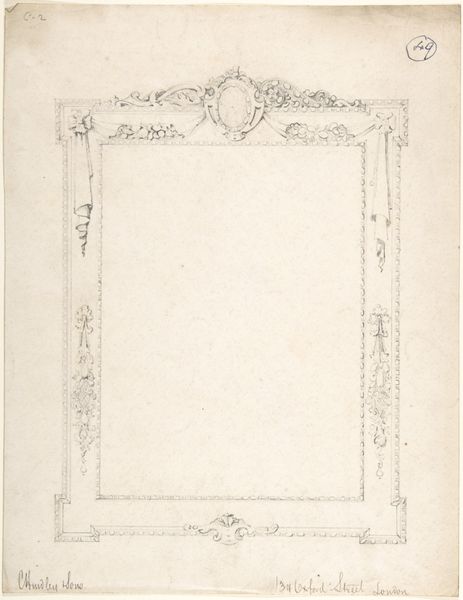
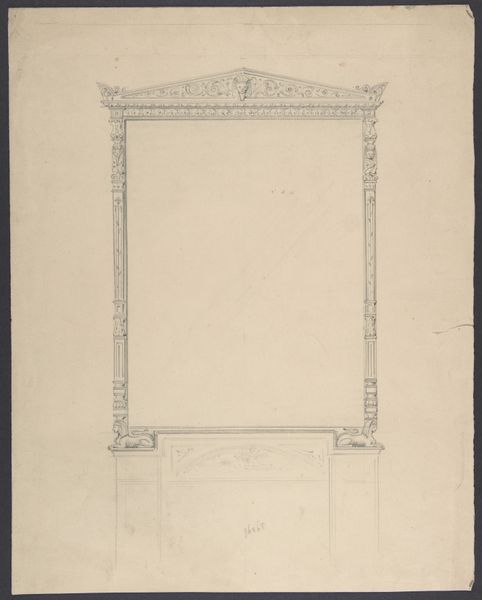
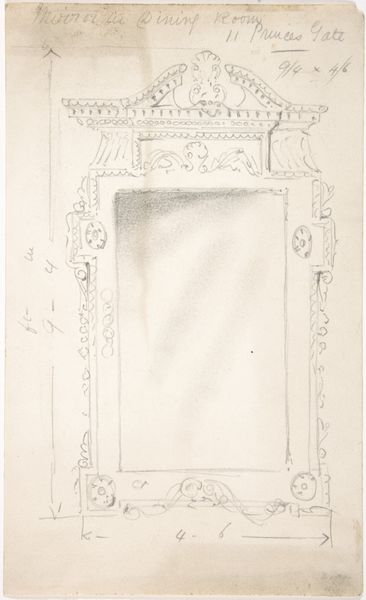
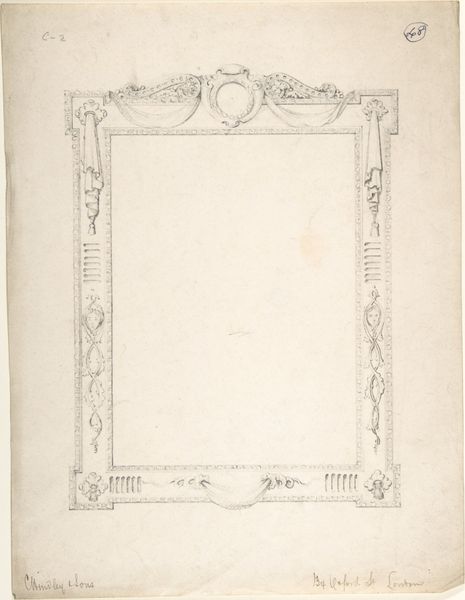
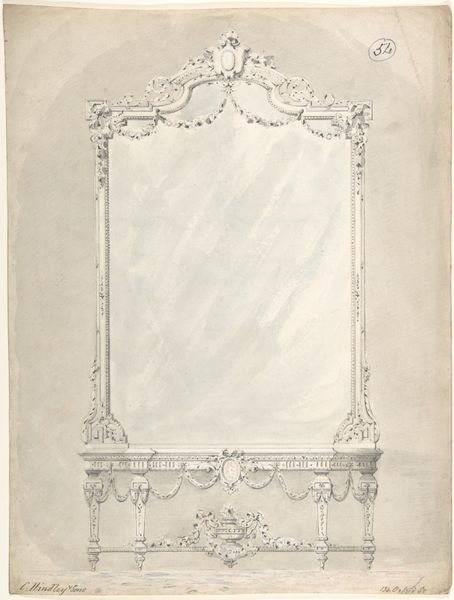
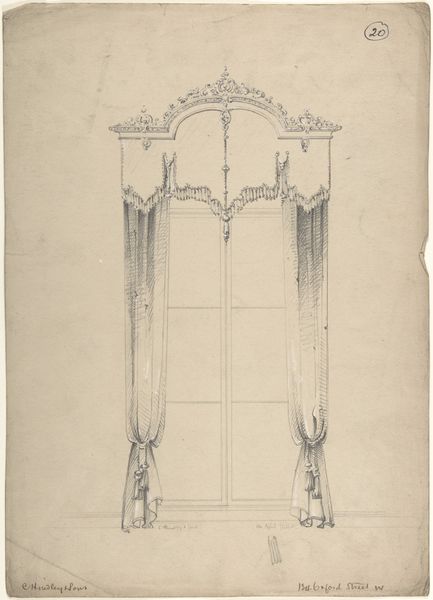
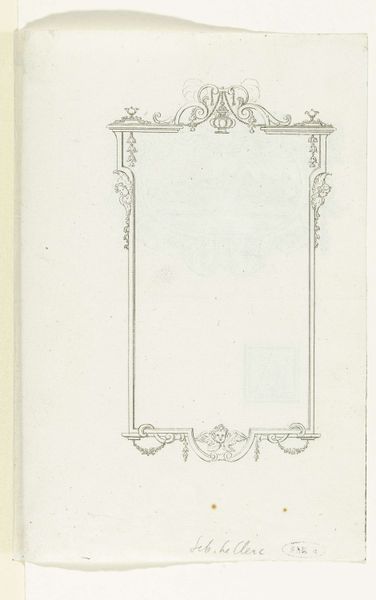
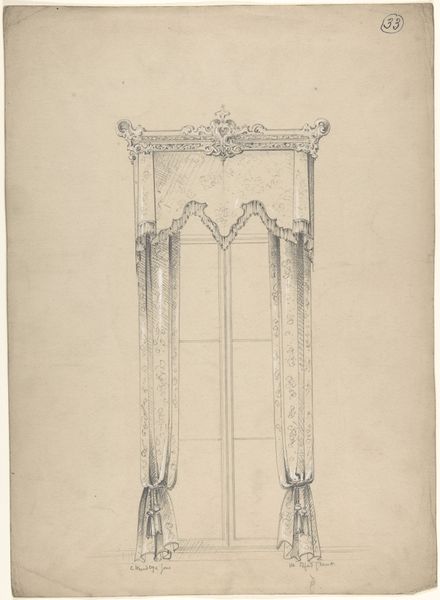
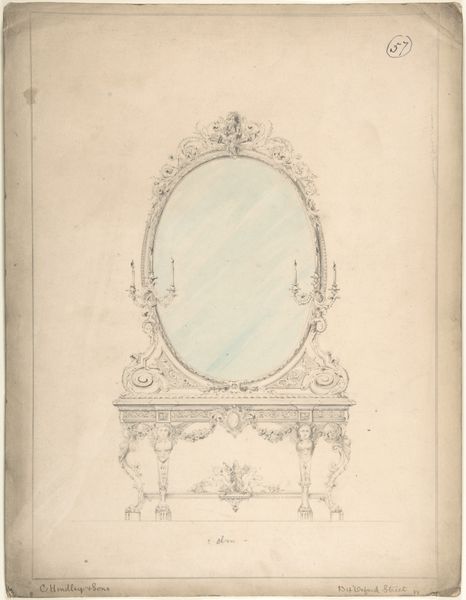
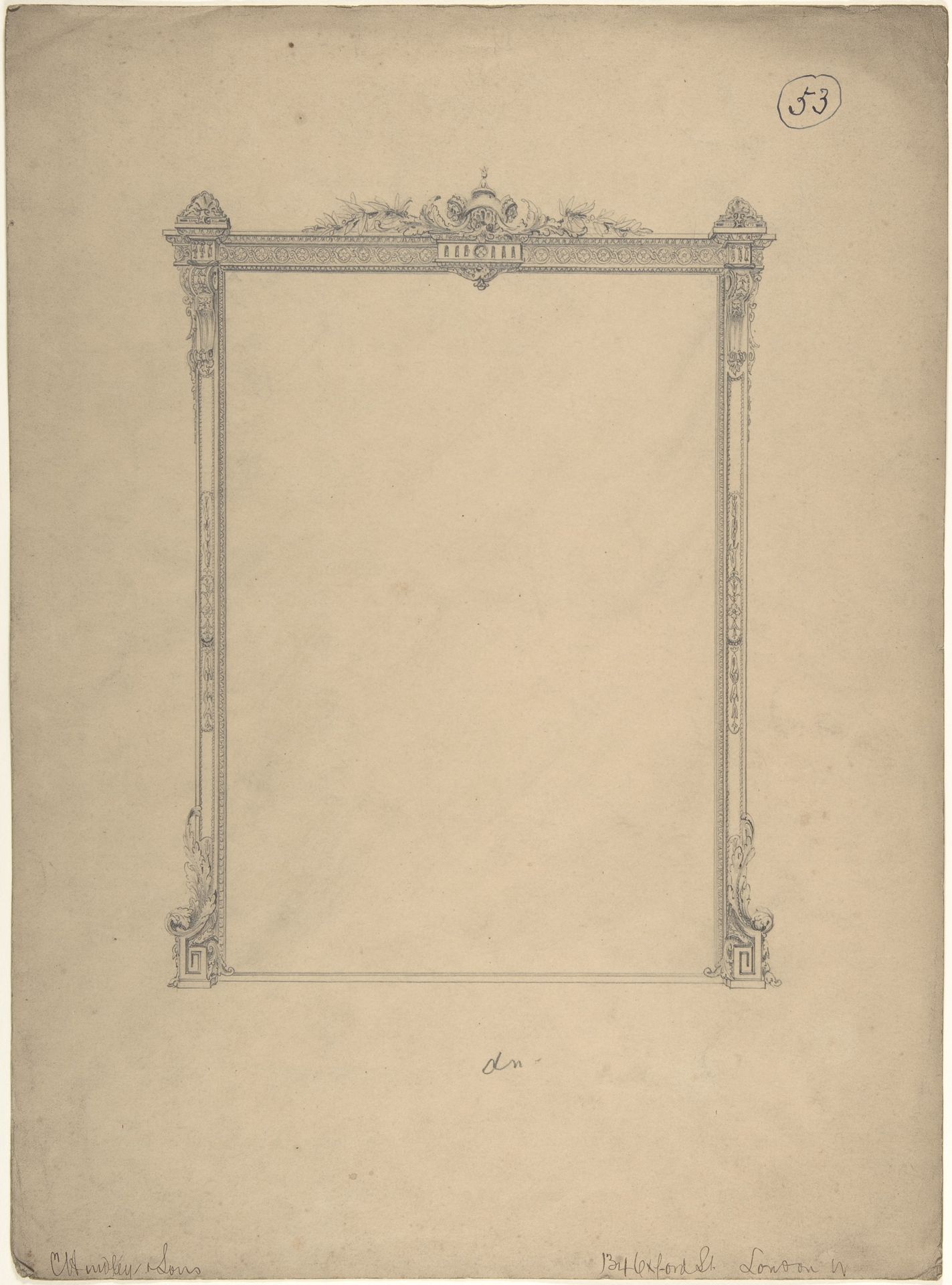
Charles Hindley and Sons created this design for a frame with pen and ink, presenting an array of classical motifs. Swags of foliage, acanthus leaves, and egg-and-dart patterns speak to a revival of classical forms, a reaching back to antiquity for legitimacy and grace. Consider the acanthus leaf: from its origins adorning Corinthian columns in ancient Greece, it has repeatedly resurfaced in architectural and decorative arts across centuries. Isn't it curious how a plant form can carry such cultural weight, symbolizing endurance and refinement? Like the ever-turning wheel of Ixion, these symbols are eternally bound to our collective memory. Such persistent use of classical motifs is no accident. These forms evoke feelings of order, stability, and perhaps even a longing for a lost golden age, engaging us on a deeply emotional level. This echoes forward and backward, a constant rebirth of forms.
Design for a Frame
1841 - 1884

Charles Hindley and Sons
1841 - 1917
The Metropolitan Museum of Art
Metropolitan Museum of Art, New York, NYArtwork details
- Medium
- drawing, print, pencil
- Dimensions
- sheet: 14 3/8 x 10 9/16 in. (36.5 x 26.9 cm)
- Location
- Metropolitan Museum of Art, New York, NY
- Copyright
- Public Domain
Tags
Comments
Share your thoughts
About this artwork
Charles Hindley and Sons created this design for a frame with pen and ink, presenting an array of classical motifs. Swags of foliage, acanthus leaves, and egg-and-dart patterns speak to a revival of classical forms, a reaching back to antiquity for legitimacy and grace. Consider the acanthus leaf: from its origins adorning Corinthian columns in ancient Greece, it has repeatedly resurfaced in architectural and decorative arts across centuries. Isn't it curious how a plant form can carry such cultural weight, symbolizing endurance and refinement? Like the ever-turning wheel of Ixion, these symbols are eternally bound to our collective memory. Such persistent use of classical motifs is no accident. These forms evoke feelings of order, stability, and perhaps even a longing for a lost golden age, engaging us on a deeply emotional level. This echoes forward and backward, a constant rebirth of forms.
Comments
Share your thoughts