About this artwork
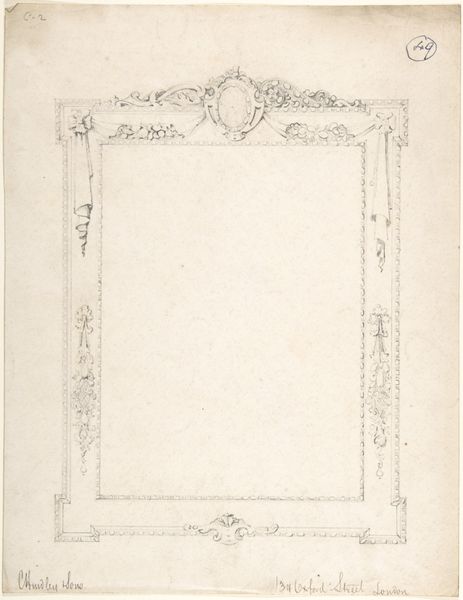
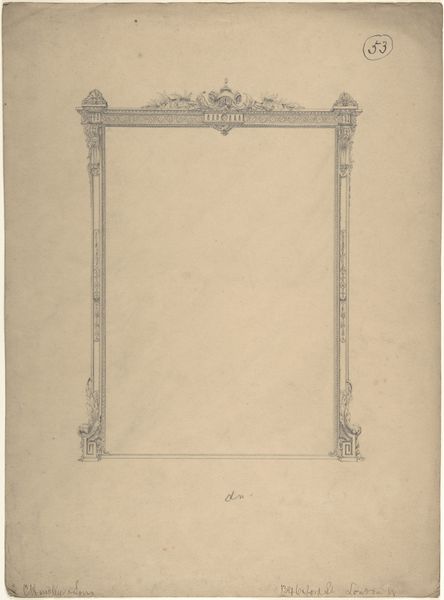
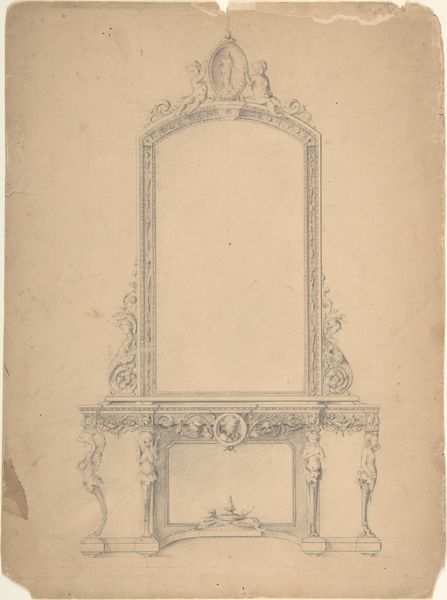
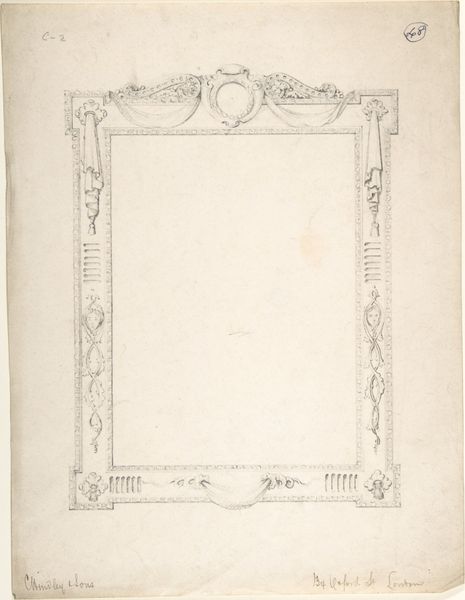
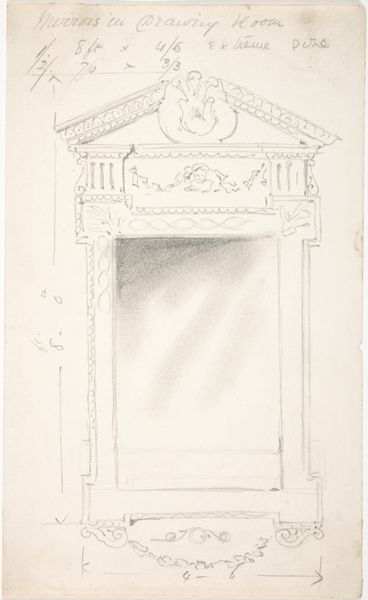
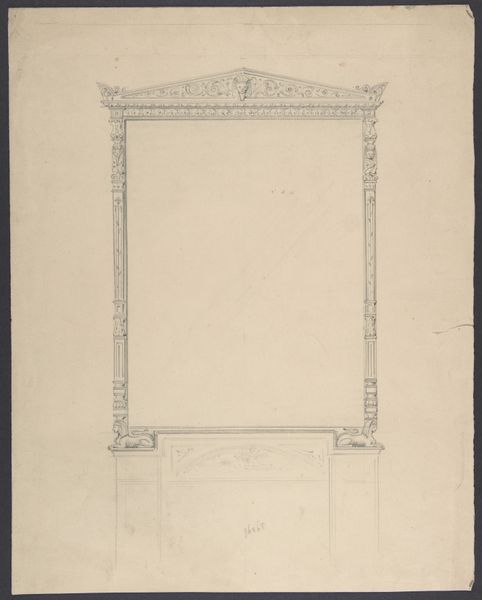
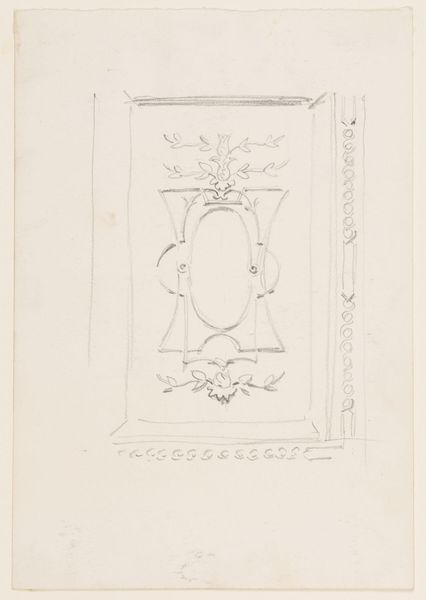
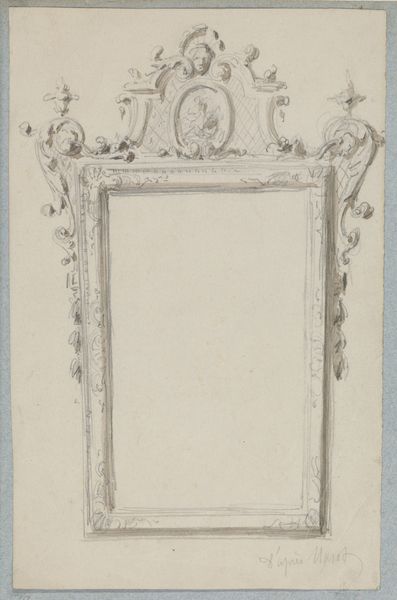
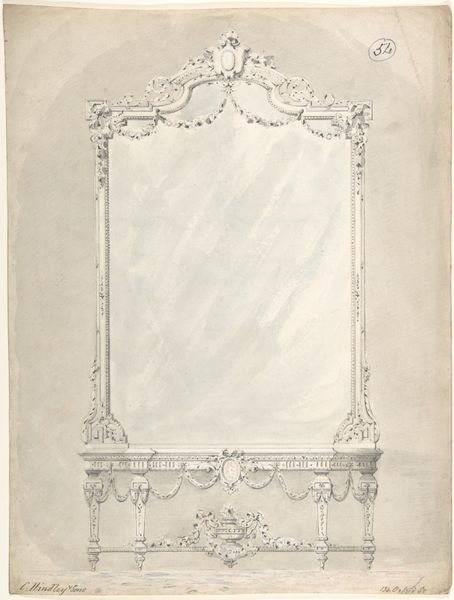
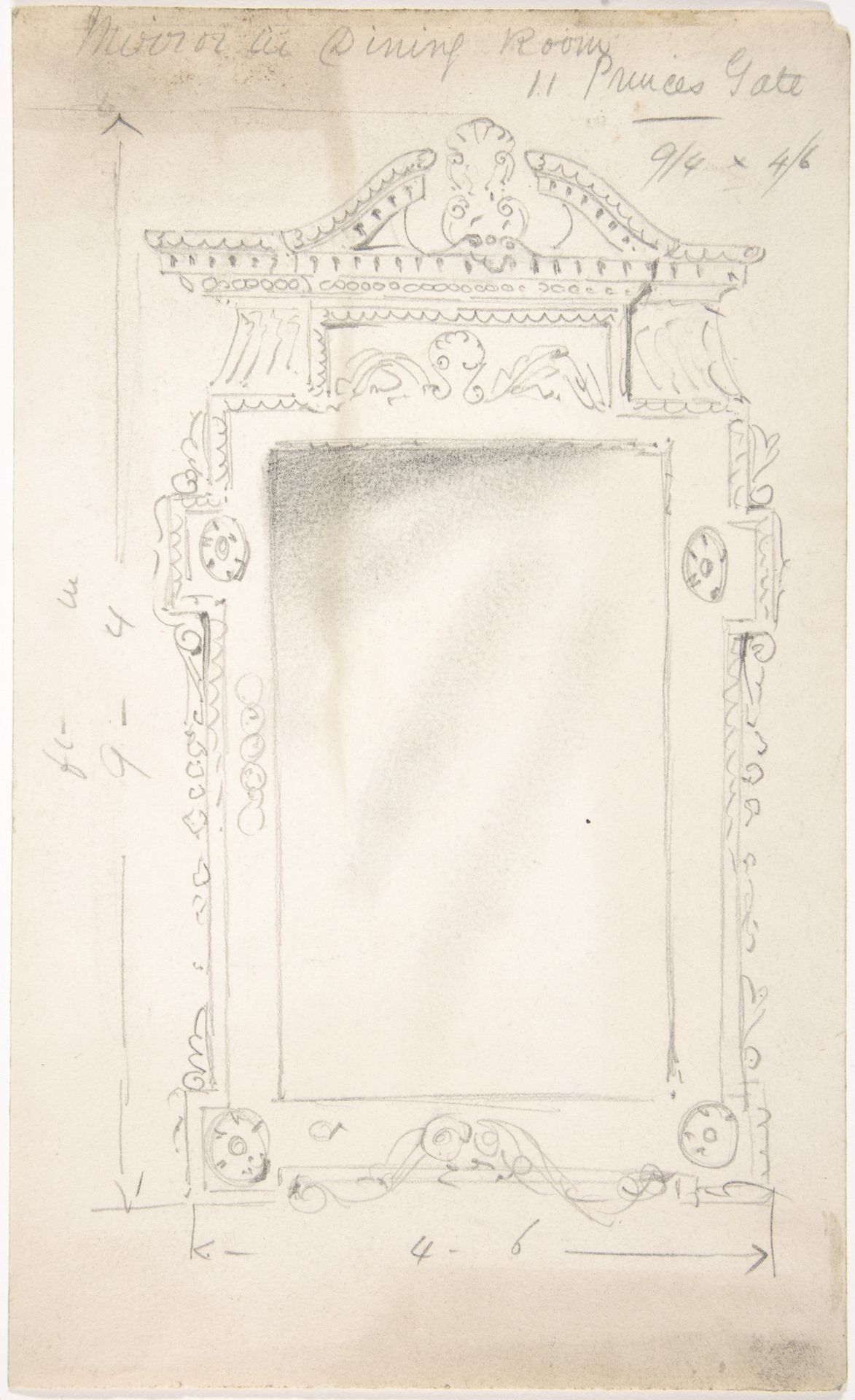
This is a design for a dining room mirror, likely created in England, for a residence at 11 Princes Gate, London. The sketch gives us insight into the world of interior design and domestic display for a wealthy household, but also the wider networks of artisanal labour that sustained it. The mirror's design, featuring classical motifs and symmetrical arrangements, reflects the prevailing taste of the time, but also the desire to project an image of stability, order, and refinement. How does this aesthetic relate to broader political and social concerns, such as the rise of industrial capitalism? Looking at sources like design manuals, trade directories, and architectural plans, we can uncover the complex relationships between patron, designer, and craftsman, revealing the hidden labor that underpins the grand facades of elite life. This history reminds us that the meaning of art is always shaped by the social and institutional contexts in which it is made and consumed.
Design for a Dining Room Mirror, for 11 Princes Gate, London
1800 - 1900


Artwork details
- Medium
- drawing, pencil
- Location
- Metropolitan Museum of Art, New York, NY
- Copyright
- Public Domain
Tags
Comments
Share your thoughts
About this artwork
This is a design for a dining room mirror, likely created in England, for a residence at 11 Princes Gate, London. The sketch gives us insight into the world of interior design and domestic display for a wealthy household, but also the wider networks of artisanal labour that sustained it. The mirror's design, featuring classical motifs and symmetrical arrangements, reflects the prevailing taste of the time, but also the desire to project an image of stability, order, and refinement. How does this aesthetic relate to broader political and social concerns, such as the rise of industrial capitalism? Looking at sources like design manuals, trade directories, and architectural plans, we can uncover the complex relationships between patron, designer, and craftsman, revealing the hidden labor that underpins the grand facades of elite life. This history reminds us that the meaning of art is always shaped by the social and institutional contexts in which it is made and consumed.
Comments
Share your thoughts