About this artwork
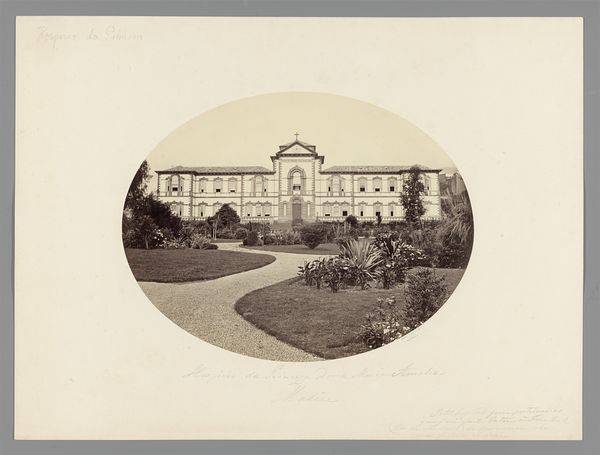
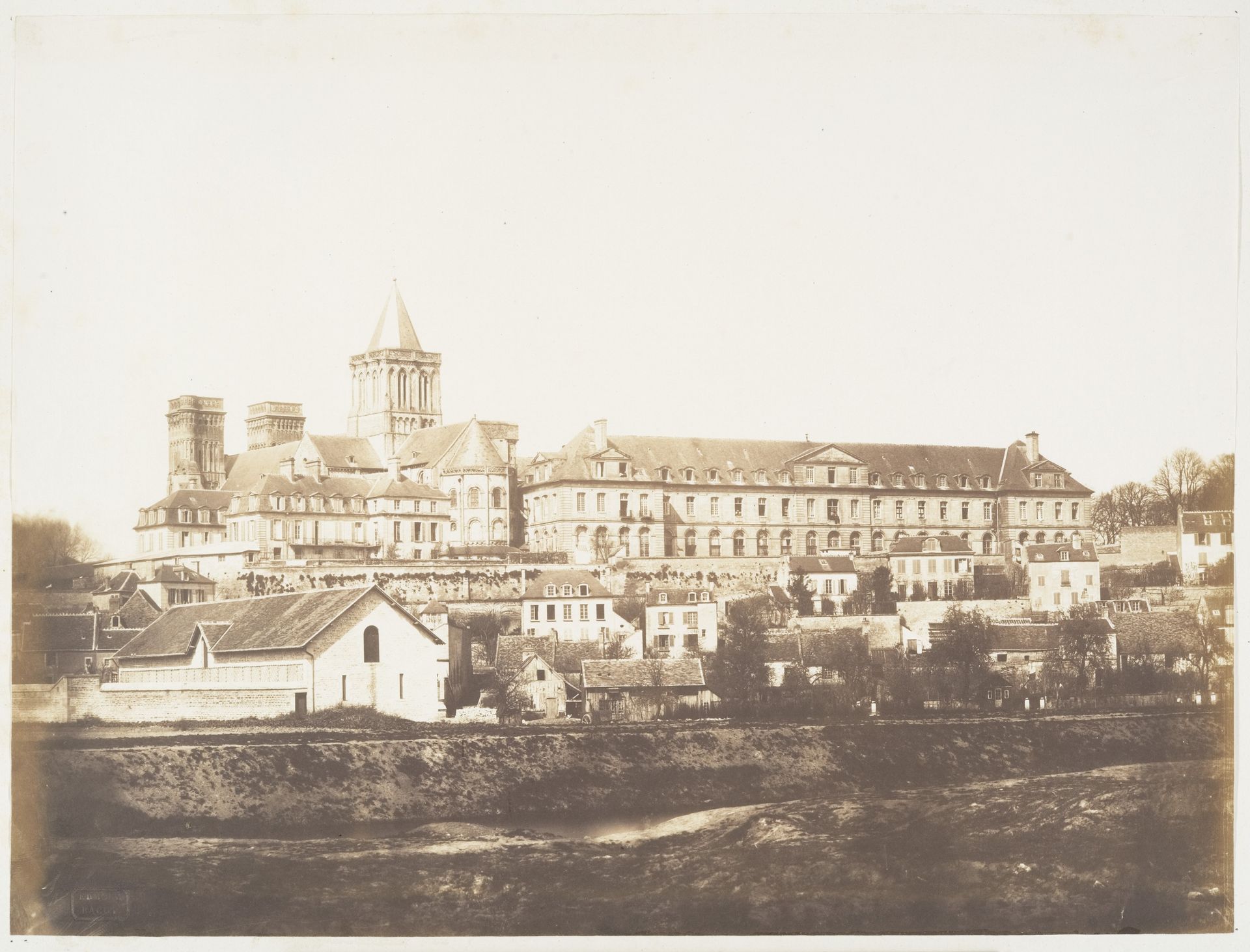
Edmond Bacot captured the Abbaye aux Dames et Hospice in Caen using photography, a relatively new medium in the 19th century. Bacot, living in a society marked by distinct class divisions, uses a direct and clear composition to reflect the social hierarchy of the time. The Abbaye, historically a powerful religious institution, stands elevated, literally and figuratively, over the more modest dwellings below. Originally a convent founded by William the Conqueror’s wife Matilda of Flanders, by the time of Bacot's photograph it had been converted into a hospital. The image thus speaks to the changing roles of women in society, from religious authority to caretakers within a medical institution. This transition invites us to consider the evolving expectations and limitations placed on women’s identities during this era.
Abbaye aux Dames et Hospice, Caen
1852 - 1854


Artwork details
- Medium
- photography, gelatin-silver-print, architecture
- Dimensions
- 25.8 x 34.4 cm (10 3/16 x 13 9/16 in. )
- Location
- Metropolitan Museum of Art, New York, NY
- Copyright
- Public Domain
Tags
Comments
Share your thoughts
About this artwork
Edmond Bacot captured the Abbaye aux Dames et Hospice in Caen using photography, a relatively new medium in the 19th century. Bacot, living in a society marked by distinct class divisions, uses a direct and clear composition to reflect the social hierarchy of the time. The Abbaye, historically a powerful religious institution, stands elevated, literally and figuratively, over the more modest dwellings below. Originally a convent founded by William the Conqueror’s wife Matilda of Flanders, by the time of Bacot's photograph it had been converted into a hospital. The image thus speaks to the changing roles of women in society, from religious authority to caretakers within a medical institution. This transition invites us to consider the evolving expectations and limitations placed on women’s identities during this era.
Comments
Share your thoughts