Possibly 1868 - 1920
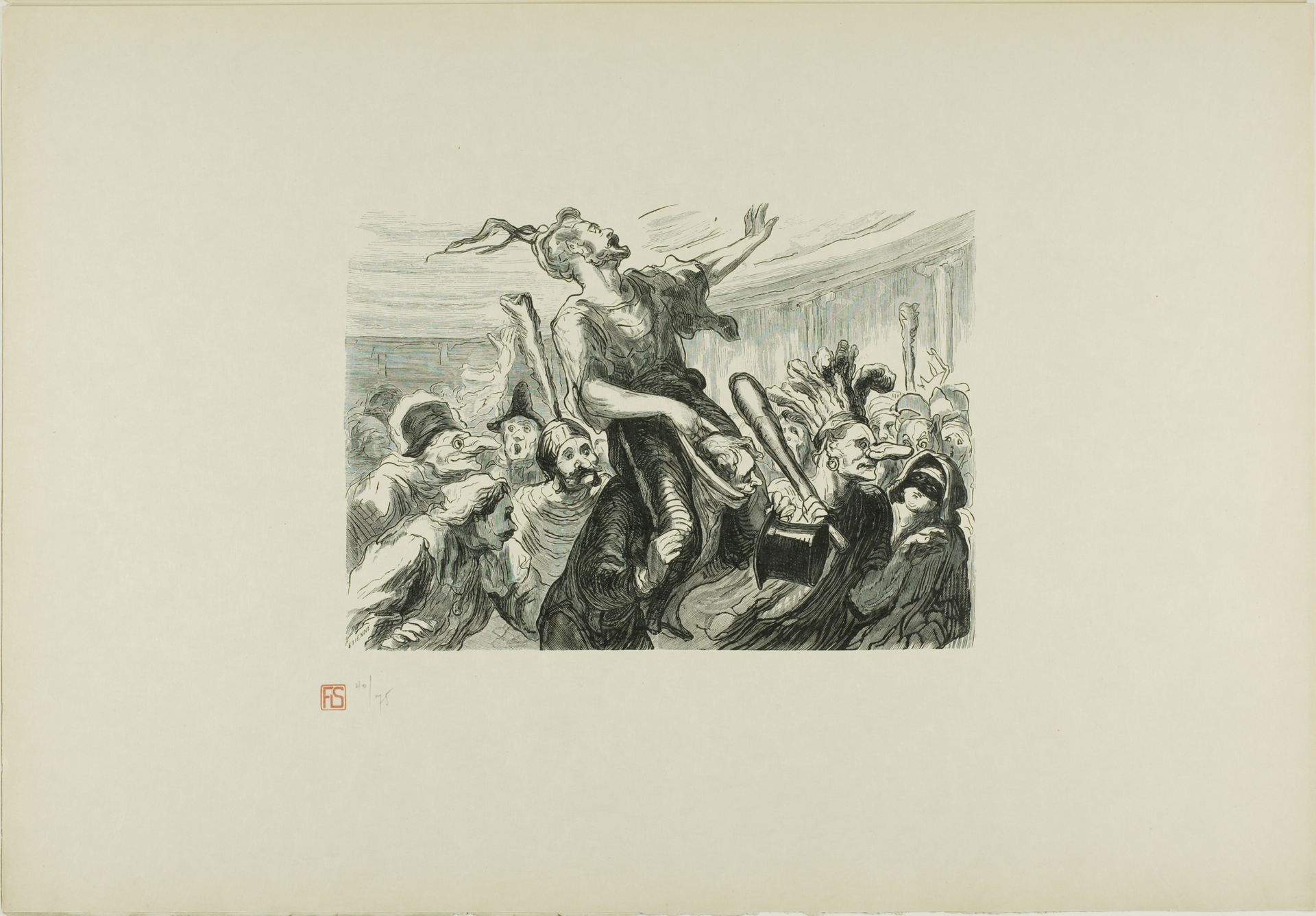
At the Opera Ball - Lent - Long live the smartly dressed crowd!


Listen to curator's interpretation
Curatorial notes
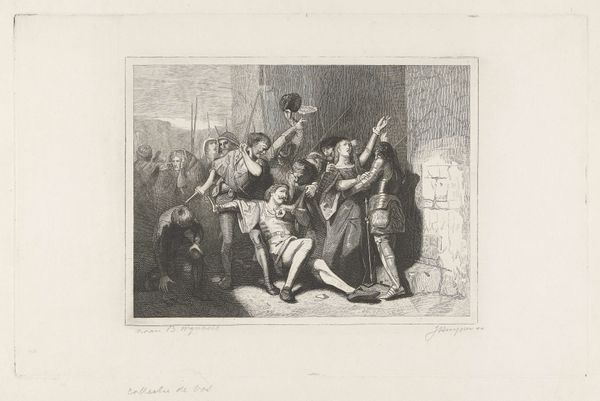
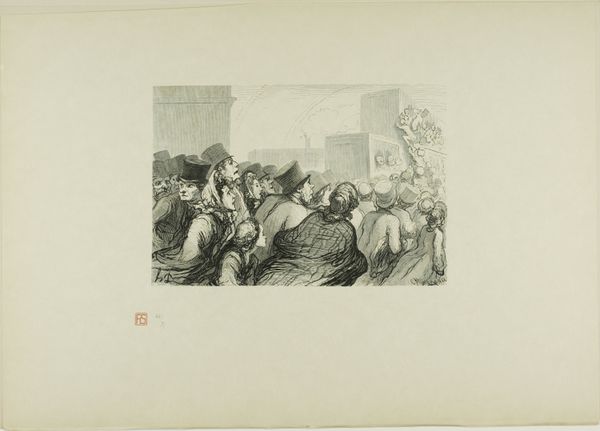
Etienne Carjat captured this opera ball scene, a print brimming with revelry. Note the central figure held aloft, a jester perhaps, with cap and bells, arms outstretched in a gesture that echoes both triumph and madness. This motif of the elevated fool resonates through time. We see it in ancient Dionysian rituals, where figures of folly were celebrated, embodying chaos and liberation. Consider how the jester, throughout the Middle Ages and Renaissance, was permitted to mock even the highest powers, a sanctioned outlet for societal anxieties. Here, Carjat presents this figure amid the ‘smartly dressed crowd,’ yet the jester's wild abandon hints at a deeper psychological truth: that beneath the veneer of propriety lies a primal urge for release. The opera ball itself, held during Lent, is a paradox—a moment of indulgence amidst a season of penance. This tension, captured in the jester's ecstatic pose, reveals how the past is ever-present, and it is a powerful reminder of the cyclical dance between restraint and revelry, order and chaos, in the human soul.