About this artwork
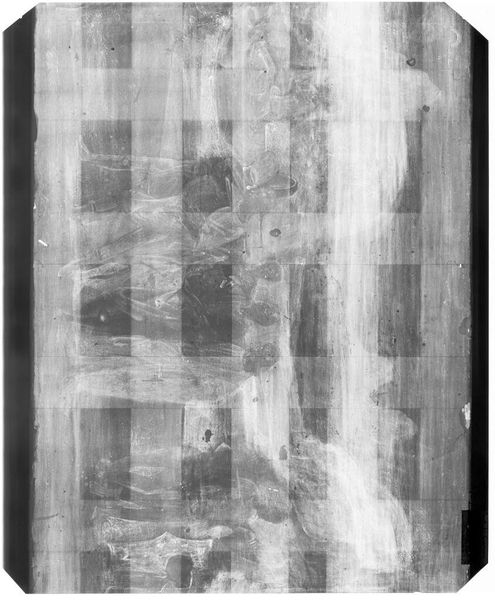
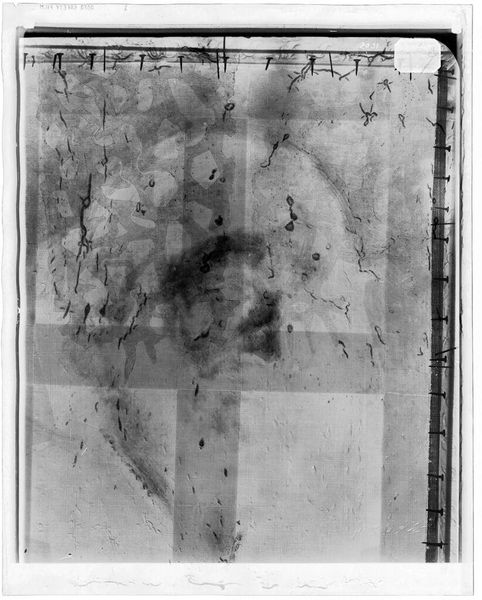
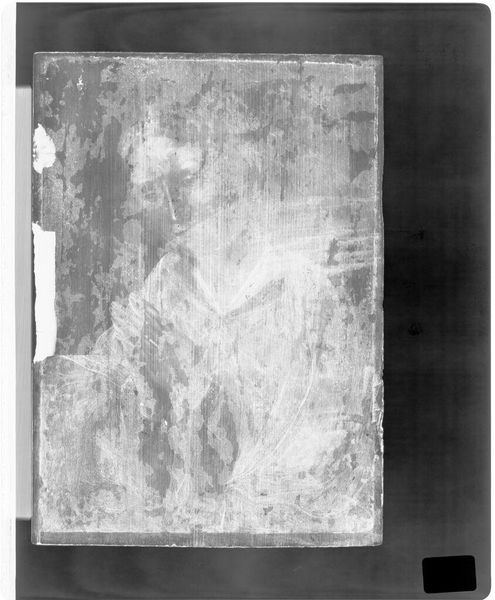
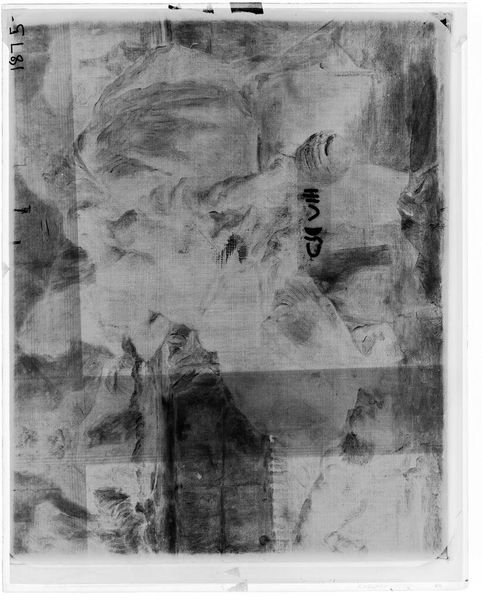
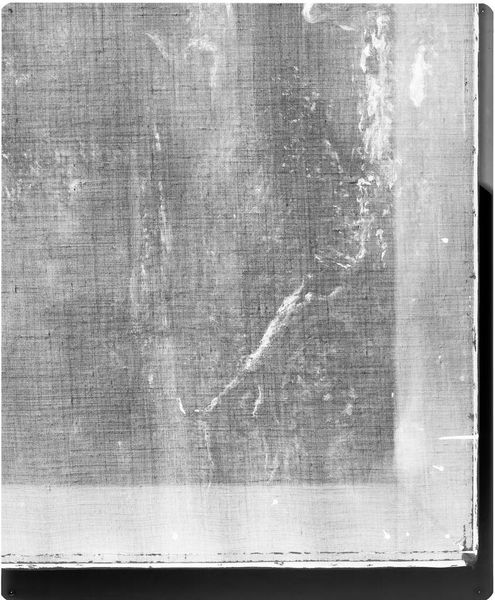
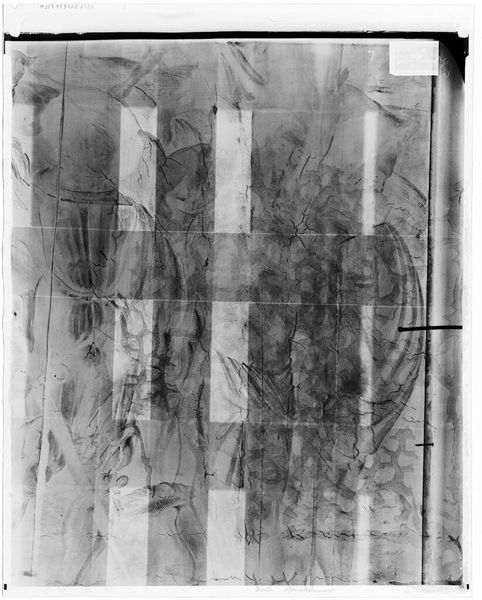
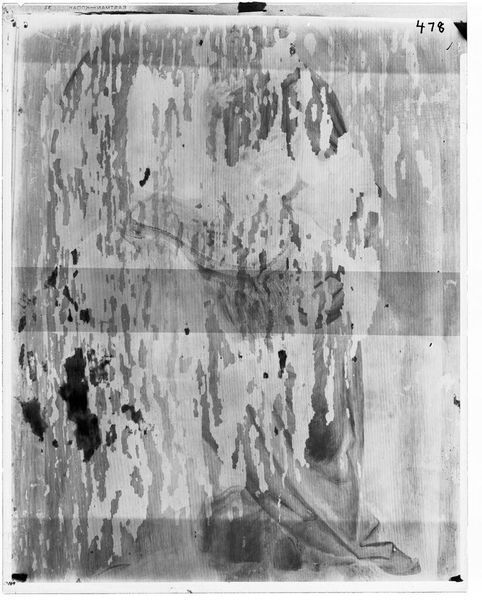
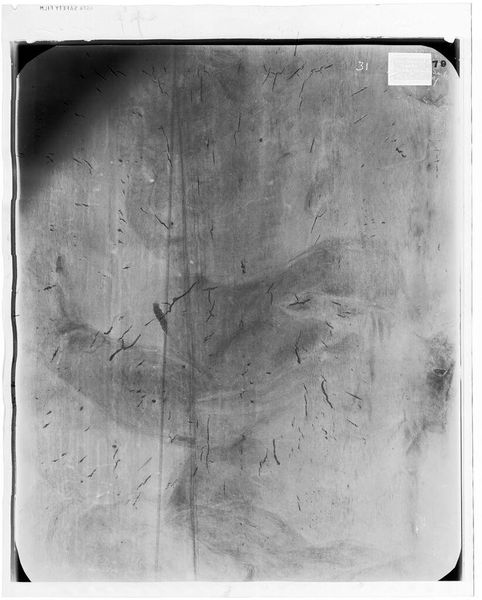
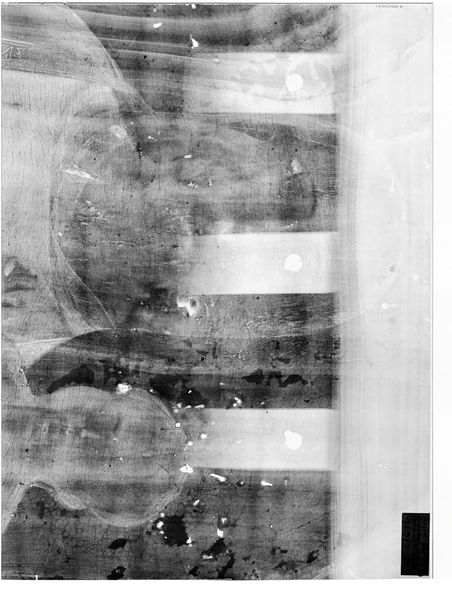
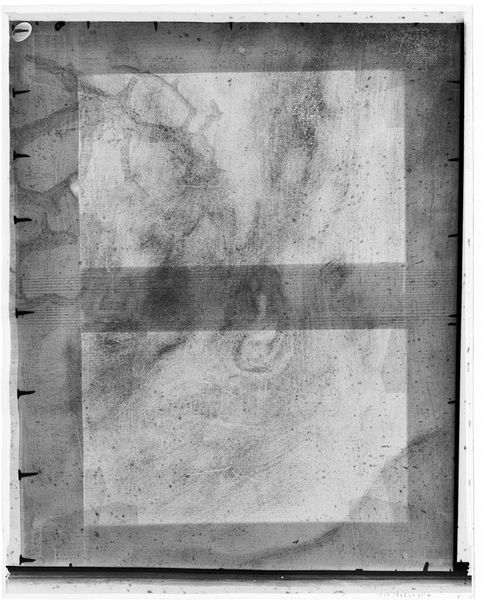
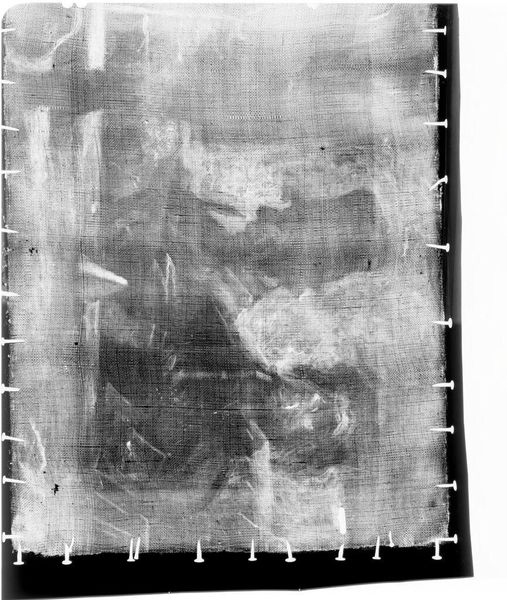
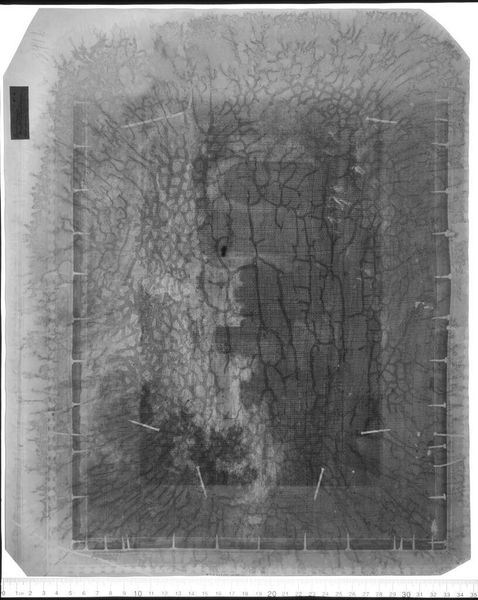
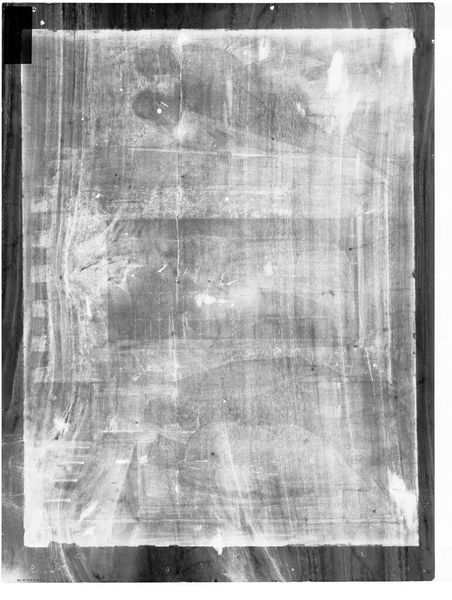
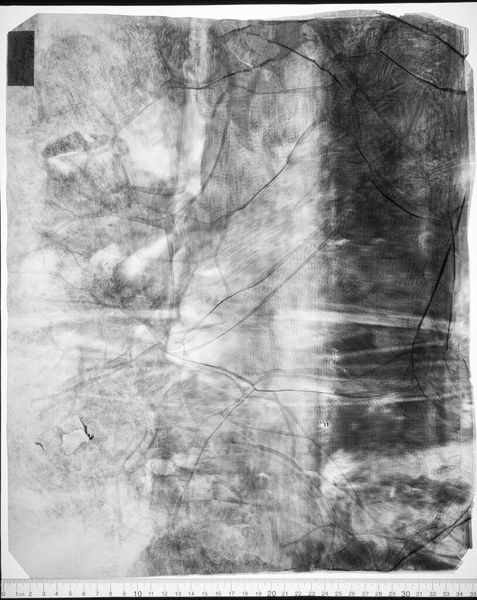
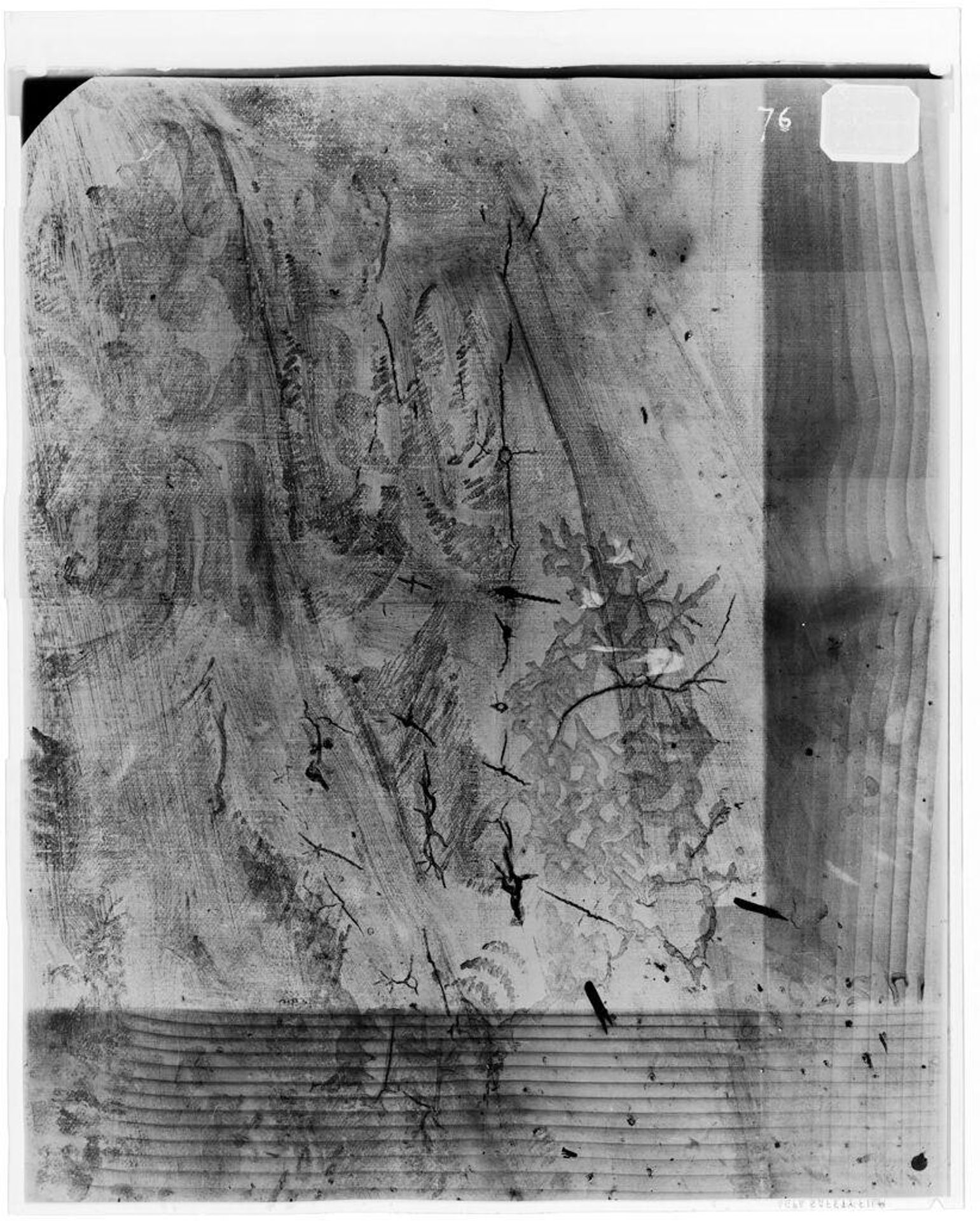
Curator: This is an X-radiograph of "Female Portrait" by Antonio Badile, currently held in the Harvard Art Museums. My immediate thought is of palimpsests—ghostly layers of images. Editor: Indeed, the X-ray reveals hidden histories beneath the visible surface. It underscores the layered nature of identity and representation. Curator: Absolutely, like an archaeological dig into the artist's process. It raises questions about the sitter's portrayal and what it meant to obscure or alter it. Editor: Perhaps there were socio-political motivations behind the changes, or the artist's shifting perception of the subject. The public role of art is inextricably linked to such considerations. Curator: It prompts reflection on how cultural memory is constructed and how representations of women have evolved, or been suppressed, over time. Editor: It's a powerful reminder that artworks are not static objects, but rather sites of ongoing negotiation and interpretation. Curator: Seeing this makes me consider the value of studying how images affect our collective consciousness. Editor: And for me, how institutions choose to display and contextualize these hidden layers further shapes our understanding.
X-radiograph(s) of "Female Portrait"

Artwork details
- Location
- Harvard Art Museums
- Copyright
- CC0 1.0
Comments
No comments
About this artwork
Curator: This is an X-radiograph of "Female Portrait" by Antonio Badile, currently held in the Harvard Art Museums. My immediate thought is of palimpsests—ghostly layers of images. Editor: Indeed, the X-ray reveals hidden histories beneath the visible surface. It underscores the layered nature of identity and representation. Curator: Absolutely, like an archaeological dig into the artist's process. It raises questions about the sitter's portrayal and what it meant to obscure or alter it. Editor: Perhaps there were socio-political motivations behind the changes, or the artist's shifting perception of the subject. The public role of art is inextricably linked to such considerations. Curator: It prompts reflection on how cultural memory is constructed and how representations of women have evolved, or been suppressed, over time. Editor: It's a powerful reminder that artworks are not static objects, but rather sites of ongoing negotiation and interpretation. Curator: Seeing this makes me consider the value of studying how images affect our collective consciousness. Editor: And for me, how institutions choose to display and contextualize these hidden layers further shapes our understanding.
Comments
No comments