About this artwork
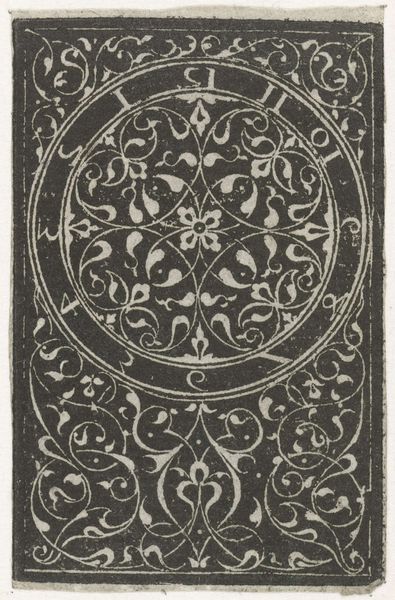
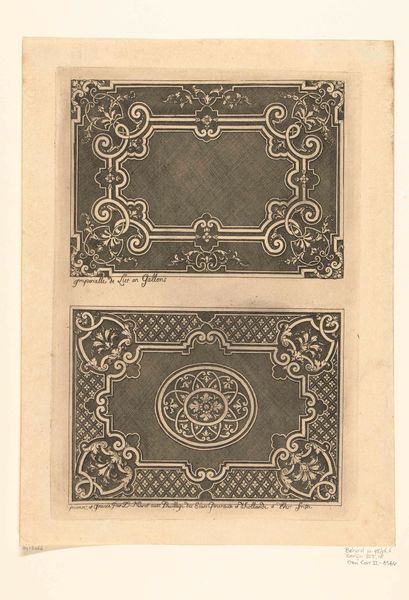
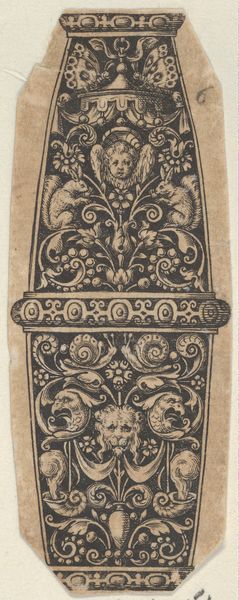
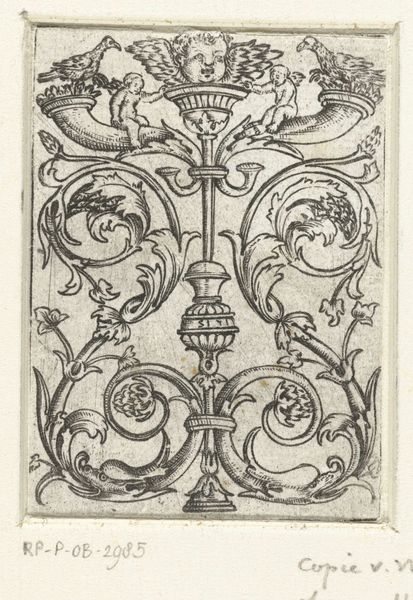
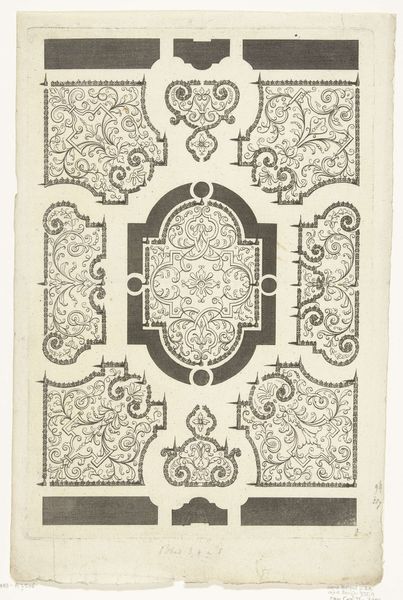
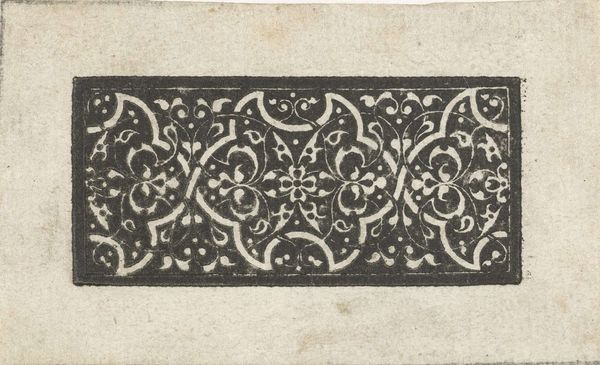
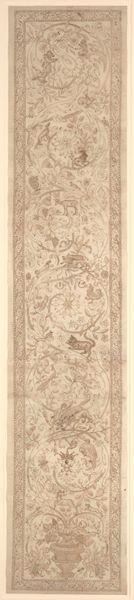
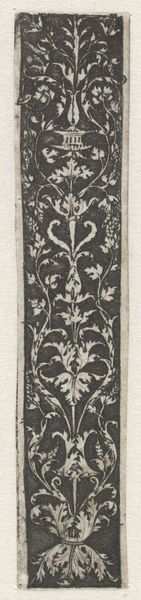
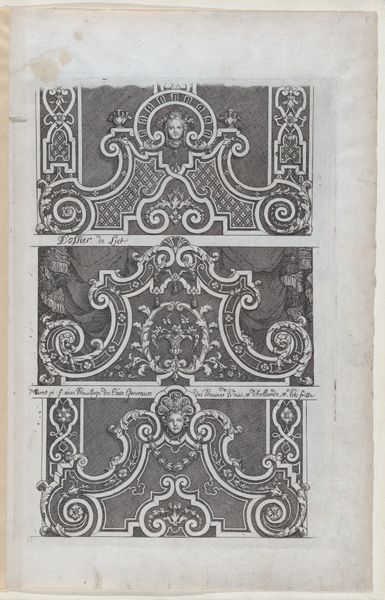
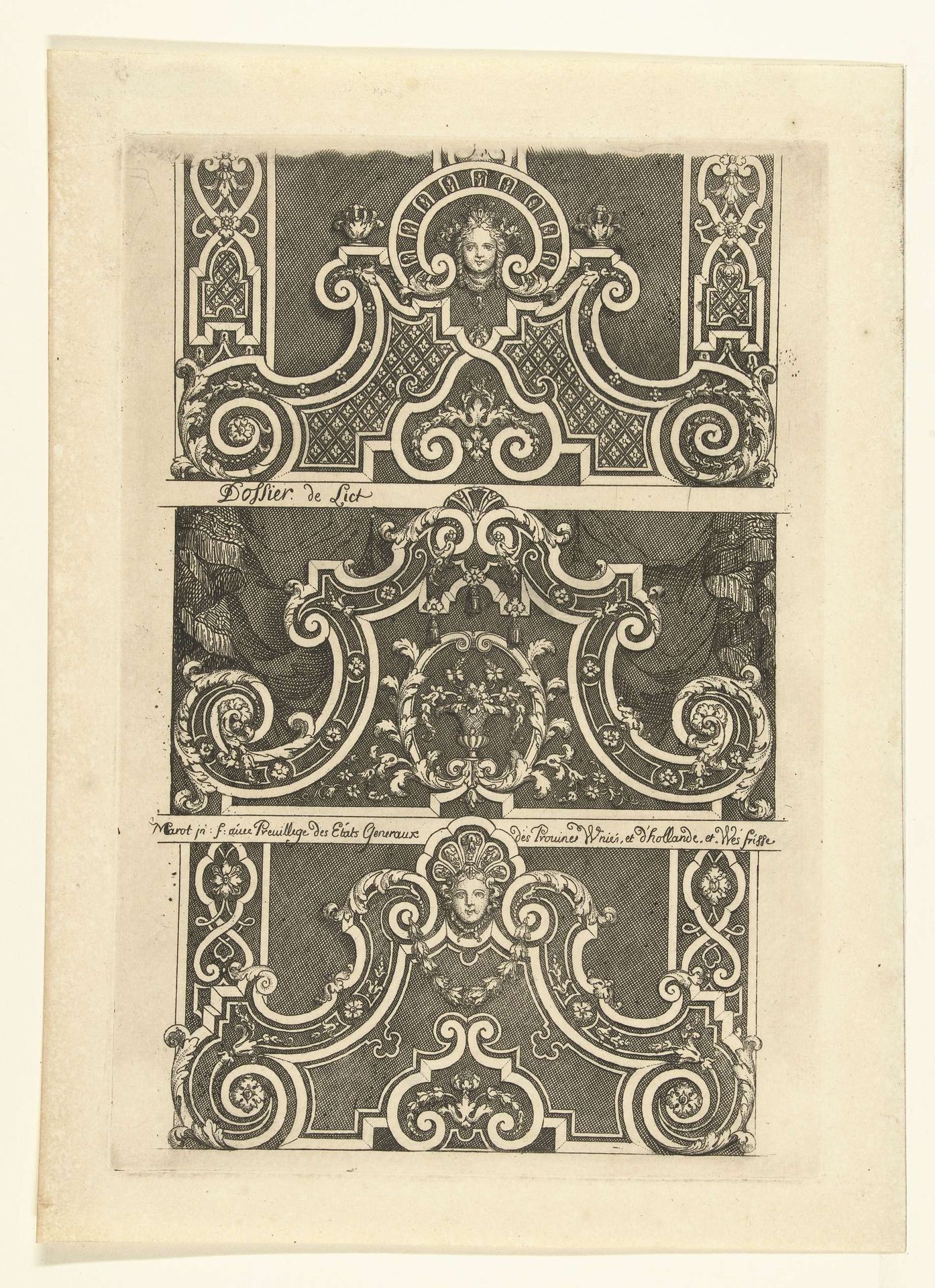
These three bed headboard designs were etched by Daniël Marot, a French-born Dutch architect and designer, sometime between 1663 and 1752. Marot was instrumental in bringing French Baroque design to the Netherlands and England, reflecting a fusion of cultural influences amidst the political and social upheavals of the era. Note the pronounced symmetry, scrollwork, and classical motifs—hallmarks of Baroque aesthetics intended to convey a sense of grandeur and order. Consider how gender dynamics are subtly embedded: female figures are used as decorative elements, embodying ideals of beauty and virtue while simultaneously being confined to a decorative role. The beds, symbols of both private comfort and social display, were accessible only to the wealthy, reinforcing class distinctions of the time. Marot's designs offer insight into the complex interplay between power, identity, and representation in the late 17th and early 18th centuries. They invite us to consider how seemingly innocuous designs can reflect and reinforce societal norms, shaping our understanding of gender, class, and cultural identity.

Artwork details
- Medium
- print, engraving, architecture
- Dimensions
- height 272 mm, width 184 mm
- Location
- Rijksmuseum
- Copyright
- Rijks Museum: Open Domain
Tags
baroque
line
decorative-art
engraving
architecture
Comments
No comments
About this artwork
These three bed headboard designs were etched by Daniël Marot, a French-born Dutch architect and designer, sometime between 1663 and 1752. Marot was instrumental in bringing French Baroque design to the Netherlands and England, reflecting a fusion of cultural influences amidst the political and social upheavals of the era. Note the pronounced symmetry, scrollwork, and classical motifs—hallmarks of Baroque aesthetics intended to convey a sense of grandeur and order. Consider how gender dynamics are subtly embedded: female figures are used as decorative elements, embodying ideals of beauty and virtue while simultaneously being confined to a decorative role. The beds, symbols of both private comfort and social display, were accessible only to the wealthy, reinforcing class distinctions of the time. Marot's designs offer insight into the complex interplay between power, identity, and representation in the late 17th and early 18th centuries. They invite us to consider how seemingly innocuous designs can reflect and reinforce societal norms, shaping our understanding of gender, class, and cultural identity.
Comments
No comments