About this artwork
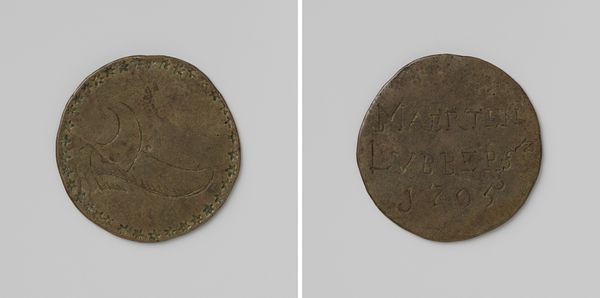
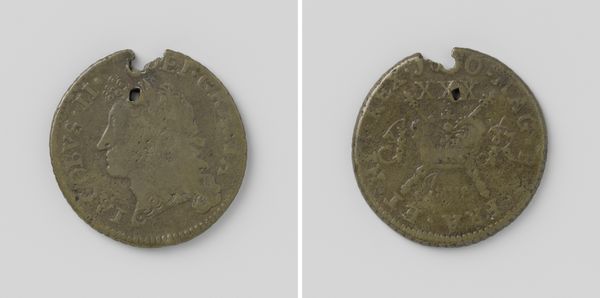
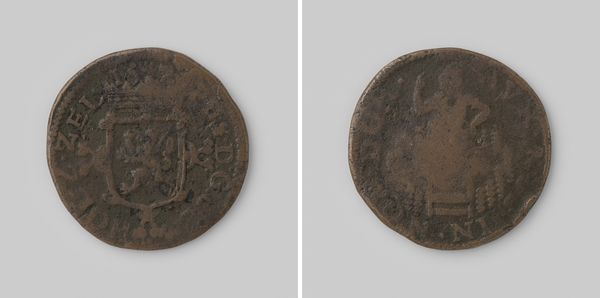
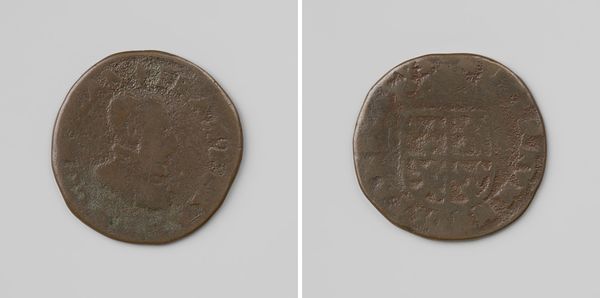
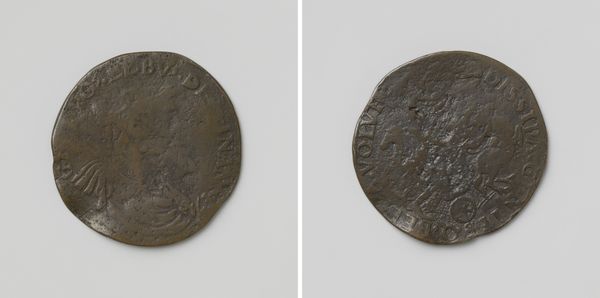
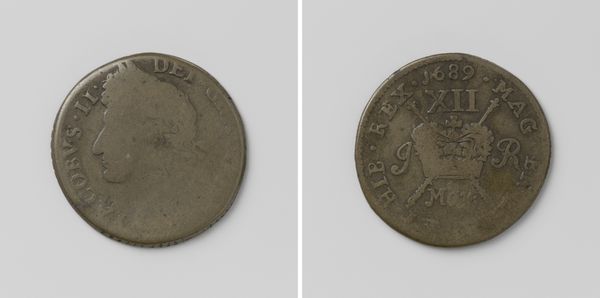
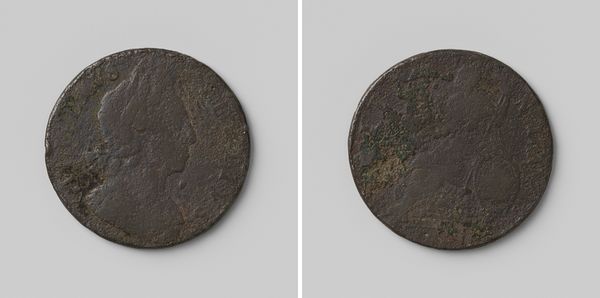
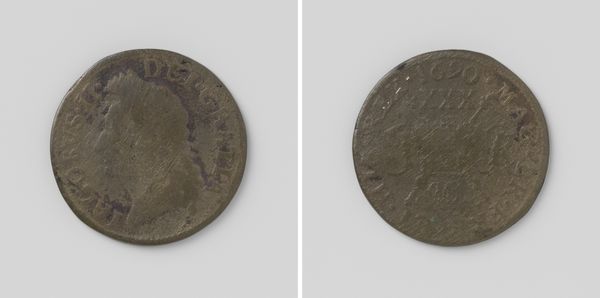
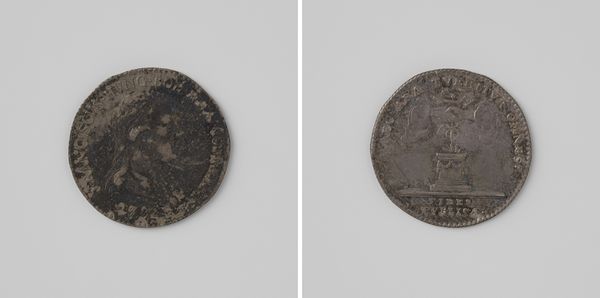
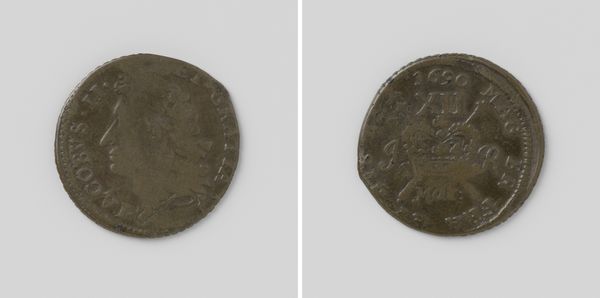
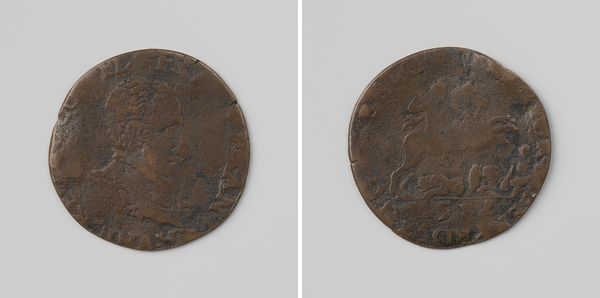
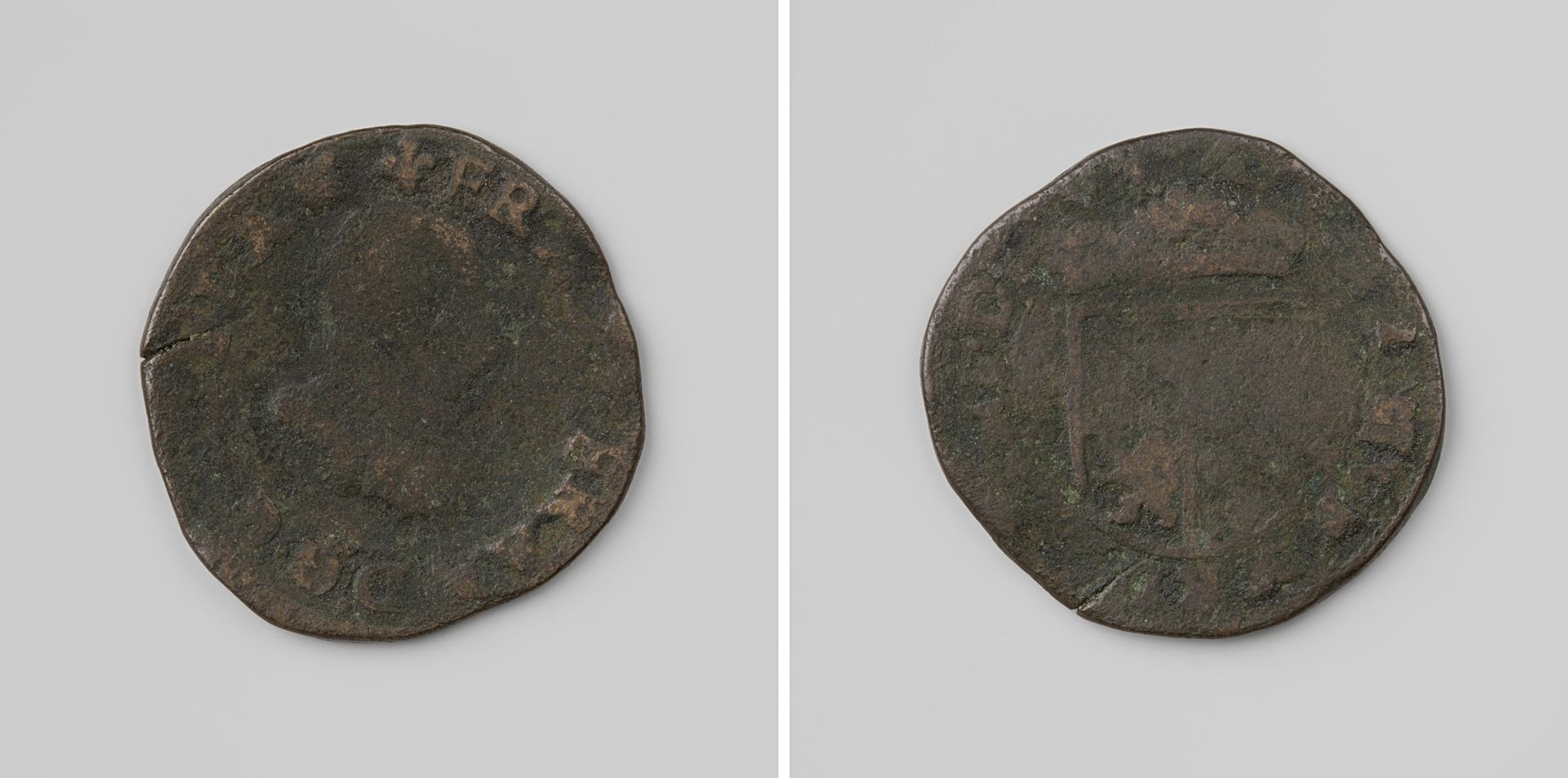
Editor: So, we have here a bronze medal titled "Inauguration of Francois-Hercule, Duke of Anjou, as Count of Flanders in Ghent", created anonymously in 1582. Looking at this little piece, what strikes me most is its everyday quality – it’s not pristine or imposing, but worn and simple. What's your take on this object? Curator: Its materiality speaks volumes. Bronze, a relatively accessible metal, positions this object within a specific economic and social sphere. Rather than focusing on some idealized representation of power, this small, functional object provides a unique entry point to understanding the mechanisms of power at work. Who was producing these? Were they distributed widely, or only to a select group? These factors illuminate how Anjou sought to cultivate his image. Editor: That’s interesting. I hadn't considered the production aspect so directly. Do you think its imperfections affect its value as a historical document? Curator: Not at all. Its very existence and material condition – the wear and tear, even the slight imperfections – tell a story about circulation, usage, and ultimately, about the relationship between the ruler and the ruled. How does accessing this information via reproduction impact your interpretation? Editor: Hmm. Seeing it as a digital image removes some of that sense of age and physical interaction, I suppose. It becomes an image representing a thing, not necessarily the thing itself. I guess it is less evocative of its origins and history of labor now. Curator: Precisely. Thinking about the journey from the artist’s hands, through circulation, to its place in a museum, and finally, to its digital reproduction, allows us to trace its evolving cultural and economic value. Editor: That really shifts my understanding! Now I see how even this little coin can reflect complex social relationships and shed light on material production practices. Thanks! Curator: My pleasure. These everyday objects often tell the most grounded and truthful narratives, connecting us to tangible historical realities through their humble existence.
Inhuldiging van Francois-Hercule, hertog van Anjou, als graaf van Vlaanderen te Gent
1582

Anonymous
@anonymousLocation
RijksmuseumArtwork details
- Medium
- metal, bronze
- Dimensions
- diameter 2.5 cm, weight 5.35 gr
- Location
- Rijksmuseum
- Copyright
- Rijks Museum: Open Domain
Tags
Comments
Share your thoughts
About this artwork
Editor: So, we have here a bronze medal titled "Inauguration of Francois-Hercule, Duke of Anjou, as Count of Flanders in Ghent", created anonymously in 1582. Looking at this little piece, what strikes me most is its everyday quality – it’s not pristine or imposing, but worn and simple. What's your take on this object? Curator: Its materiality speaks volumes. Bronze, a relatively accessible metal, positions this object within a specific economic and social sphere. Rather than focusing on some idealized representation of power, this small, functional object provides a unique entry point to understanding the mechanisms of power at work. Who was producing these? Were they distributed widely, or only to a select group? These factors illuminate how Anjou sought to cultivate his image. Editor: That’s interesting. I hadn't considered the production aspect so directly. Do you think its imperfections affect its value as a historical document? Curator: Not at all. Its very existence and material condition – the wear and tear, even the slight imperfections – tell a story about circulation, usage, and ultimately, about the relationship between the ruler and the ruled. How does accessing this information via reproduction impact your interpretation? Editor: Hmm. Seeing it as a digital image removes some of that sense of age and physical interaction, I suppose. It becomes an image representing a thing, not necessarily the thing itself. I guess it is less evocative of its origins and history of labor now. Curator: Precisely. Thinking about the journey from the artist’s hands, through circulation, to its place in a museum, and finally, to its digital reproduction, allows us to trace its evolving cultural and economic value. Editor: That really shifts my understanding! Now I see how even this little coin can reflect complex social relationships and shed light on material production practices. Thanks! Curator: My pleasure. These everyday objects often tell the most grounded and truthful narratives, connecting us to tangible historical realities through their humble existence.
Comments
Share your thoughts