About this artwork
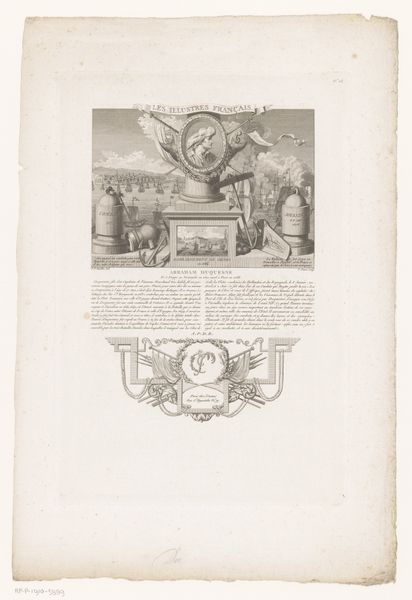
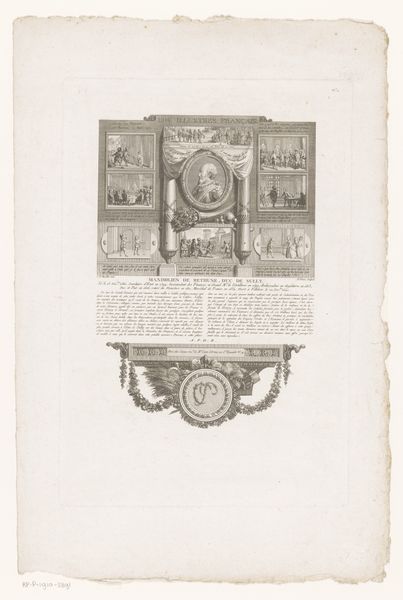
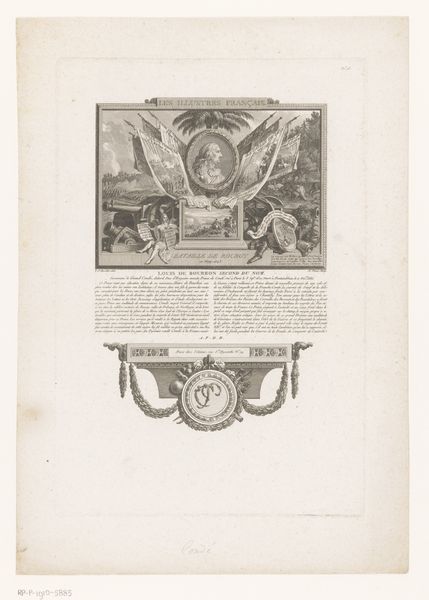
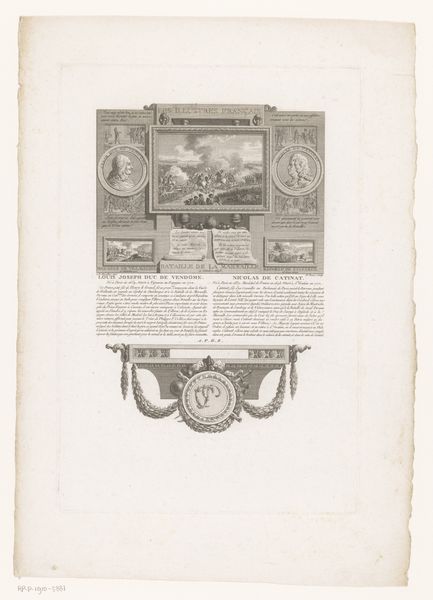
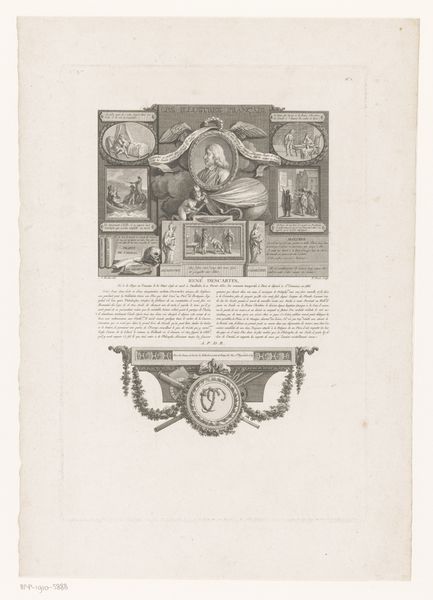
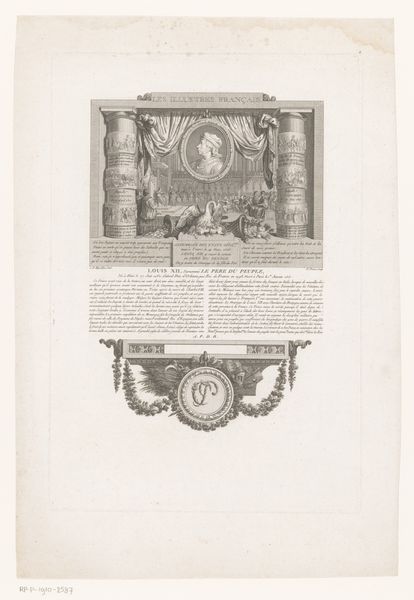
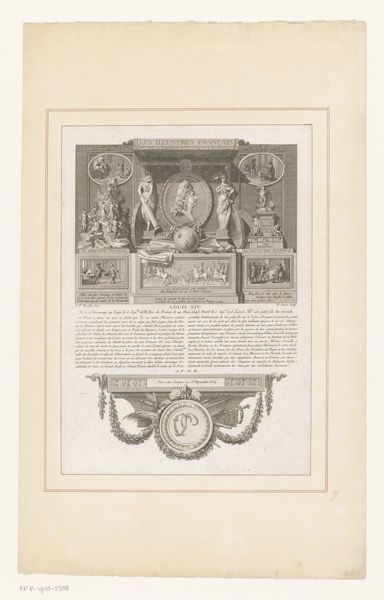
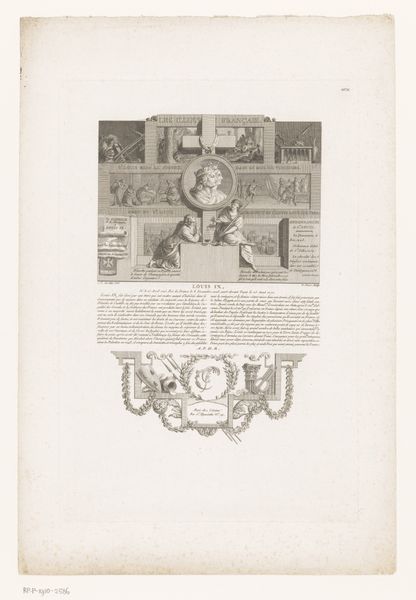
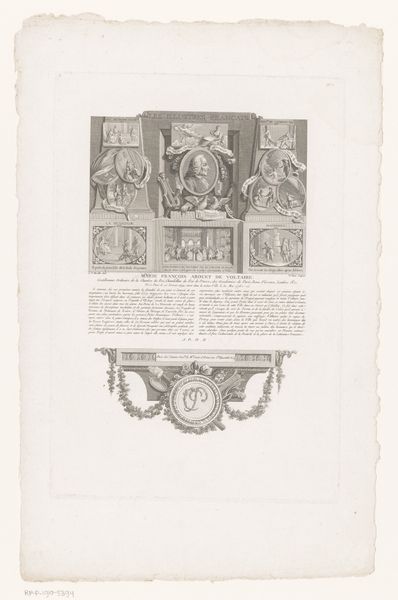
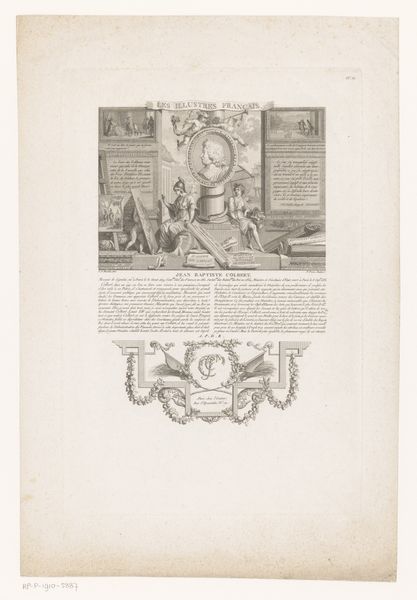
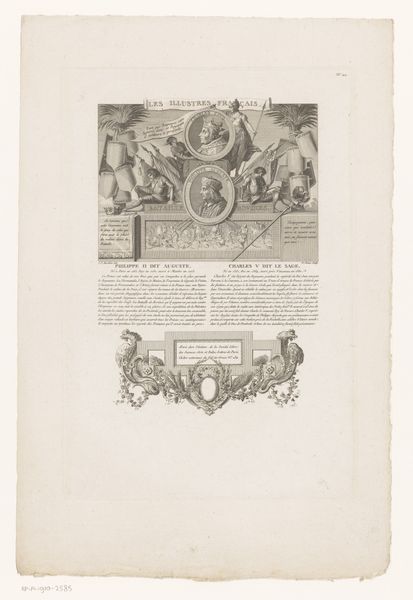
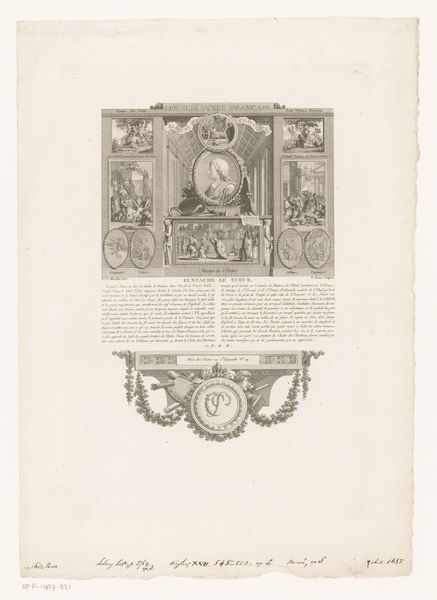
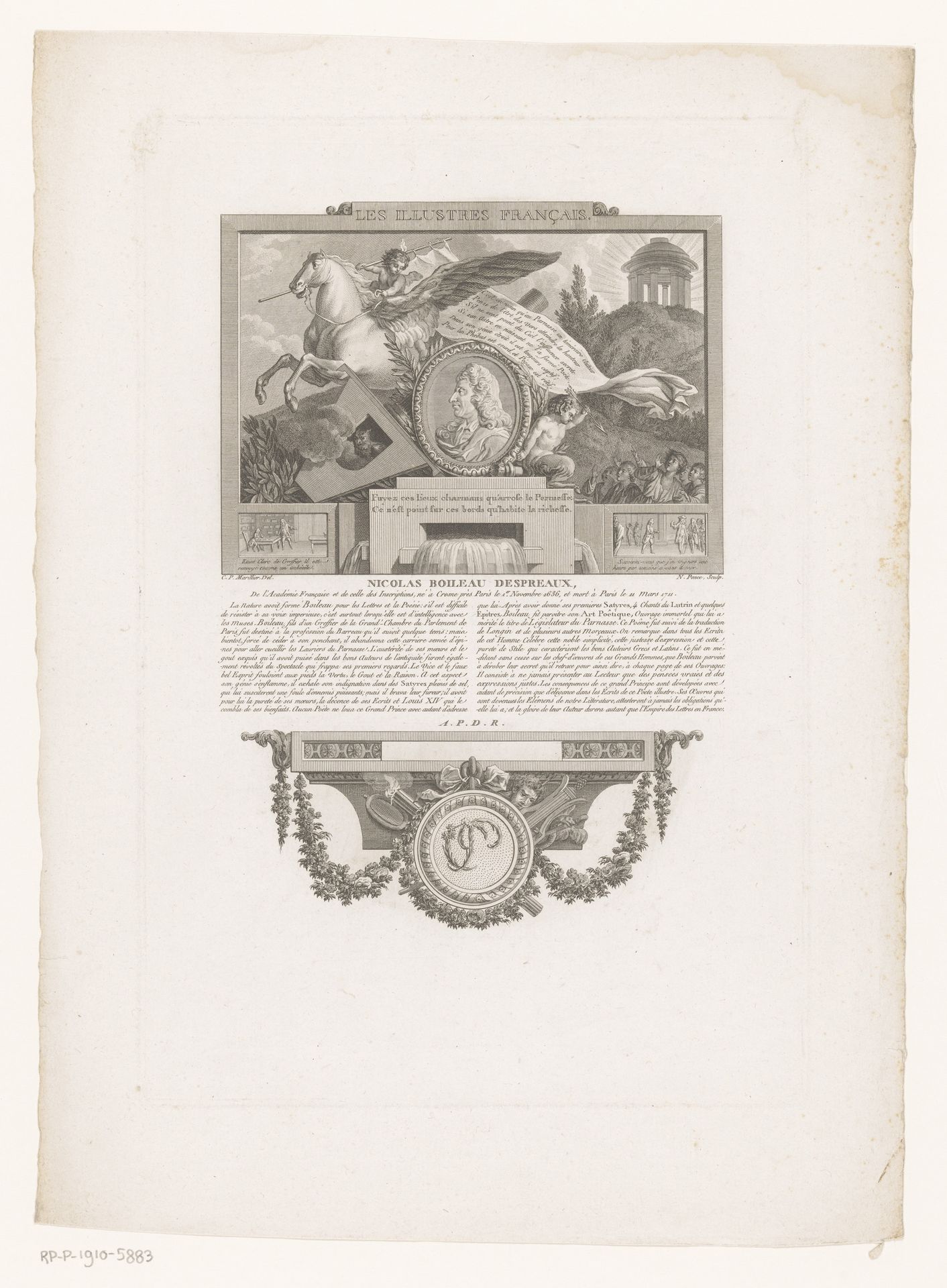
This allegorical portrait of Nicolas Boileau was engraved by Nicolas Ponce, an artist born in Paris in 1746. Here we see Boileau celebrated amidst symbols of his literary prowess. Note the Pegasus, the winged divine stallion, soaring upward, bearing Boileau’s profile. Pegasus emerges from the depths of ancient Greek mythology, symbolizing poetic inspiration, an emblem of the artist's imagination. Here, this symbolizes Boileau's soaring intellect. The presence of Pegasus is not isolated; it echoes through centuries, seen in Renaissance paintings and even modern logos, each time carrying a sense of creative flight. But consider how the symbol transforms: in antiquity, Pegasus might represent untamed passions; by the Renaissance, it’s harnessed to represent artistic genius, a shift reflecting changing cultural values. This visual language speaks to us on a visceral level, stirring a collective memory of aspiration and intellectual pursuit.
Allegorisch portret van Nicolas Boileau 1790 - 1816

Nicolas Ponce
1746 - 1831Location
RijksmuseumArtwork details
- Medium
- print, paper, engraving
- Dimensions
- height 338 mm, width 229 mm
- Location
- Rijksmuseum
- Copyright
- Rijks Museum: Open Domain
Tags
portrait
neoclacissism
aged paper
toned paper
allegory
paper
form
line
academic-art
engraving
Comments
No comments
About this artwork
This allegorical portrait of Nicolas Boileau was engraved by Nicolas Ponce, an artist born in Paris in 1746. Here we see Boileau celebrated amidst symbols of his literary prowess. Note the Pegasus, the winged divine stallion, soaring upward, bearing Boileau’s profile. Pegasus emerges from the depths of ancient Greek mythology, symbolizing poetic inspiration, an emblem of the artist's imagination. Here, this symbolizes Boileau's soaring intellect. The presence of Pegasus is not isolated; it echoes through centuries, seen in Renaissance paintings and even modern logos, each time carrying a sense of creative flight. But consider how the symbol transforms: in antiquity, Pegasus might represent untamed passions; by the Renaissance, it’s harnessed to represent artistic genius, a shift reflecting changing cultural values. This visual language speaks to us on a visceral level, stirring a collective memory of aspiration and intellectual pursuit.
Comments
No comments