1670 - 1724
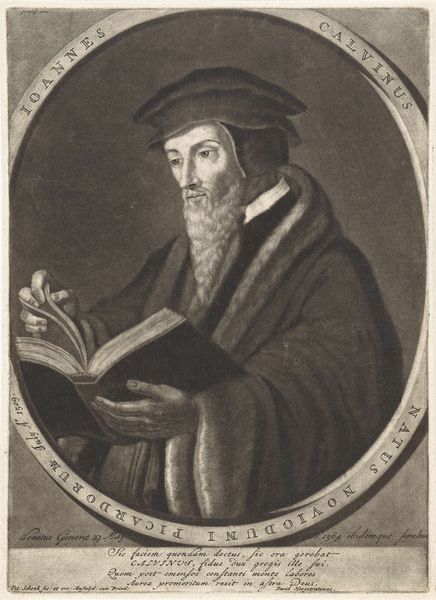
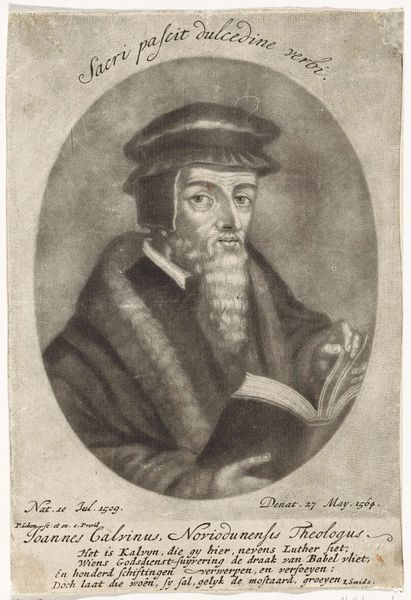
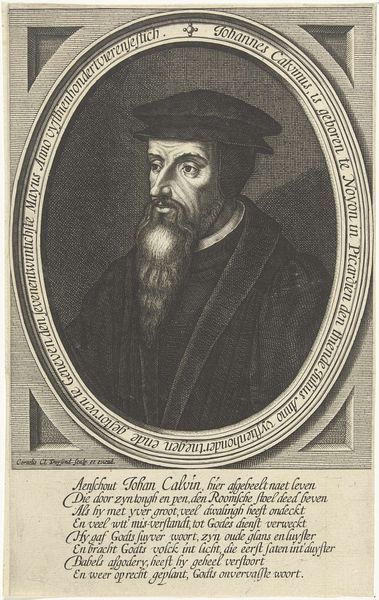
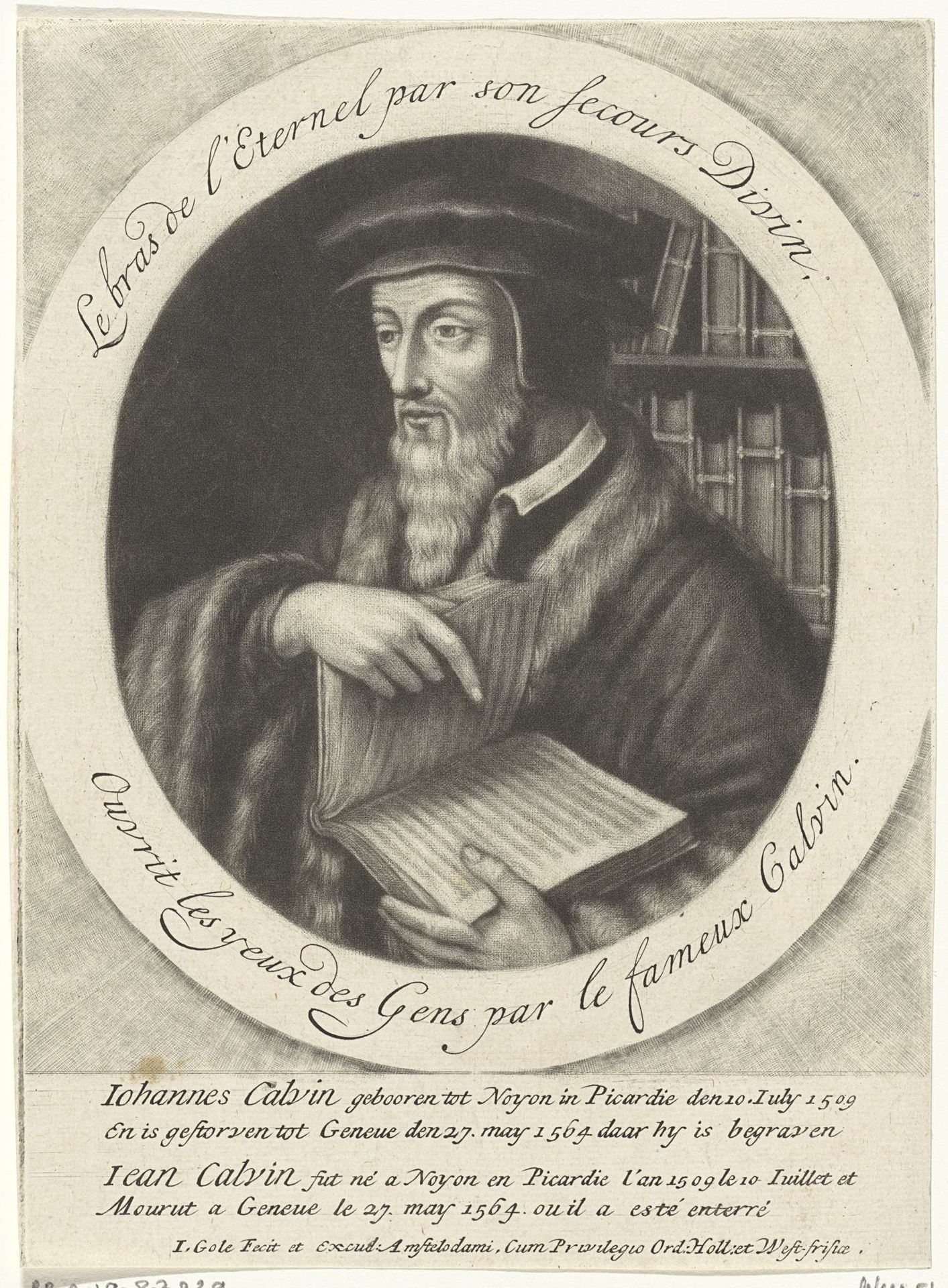
Portret van de reformator Johannes Calvijn

Jacob Gole
1660 - 1737Location
RijksmuseumListen to curator's interpretation
Curatorial notes
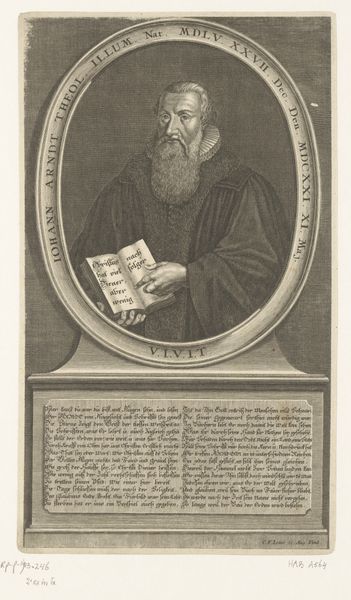
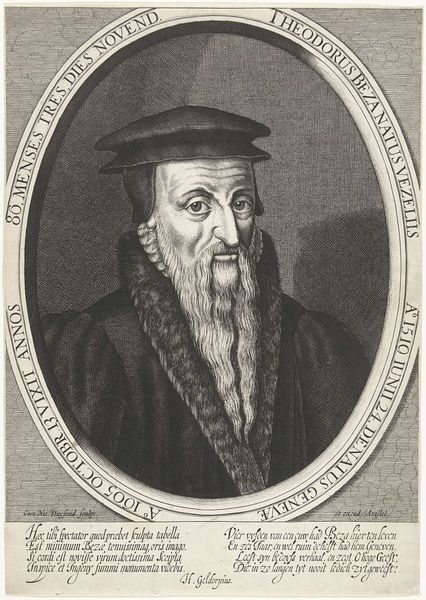
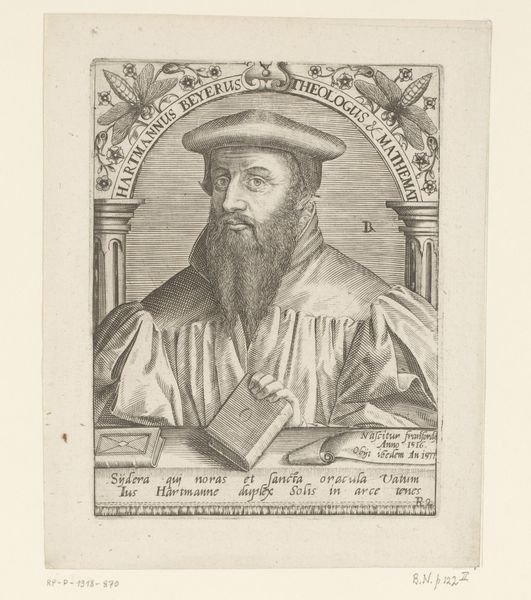
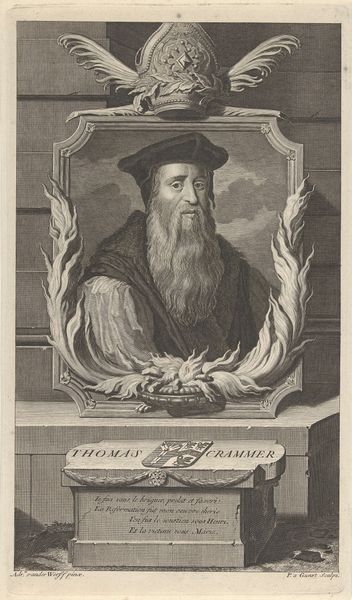
Jacob Gole’s portrait of John Calvin was made in the Netherlands sometime between 1660 and 1737, likely as an engraving or etching. Calvin was a key figure in the Protestant Reformation, and the image presents him as a scholar and spiritual leader. The visual codes employed here – Calvin’s somber expression, his fur-lined robe, and the open book – evoke his intellectual authority and religious conviction. This portrait emerges from a period of intense religious conflict and reformation across Europe, where images played a crucial role in shaping public opinion. In the Dutch Republic, portraits like this one were often commissioned by religious organizations or wealthy patrons to promote their beliefs and values. To understand this image better, it is crucial to research the networks of patronage and the role of print culture in disseminating religious ideas. The meaning of such an artwork is always contingent on its historical and institutional context.