About this artwork
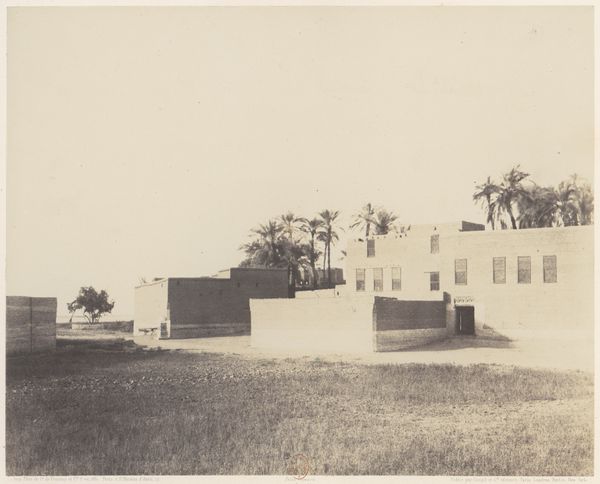
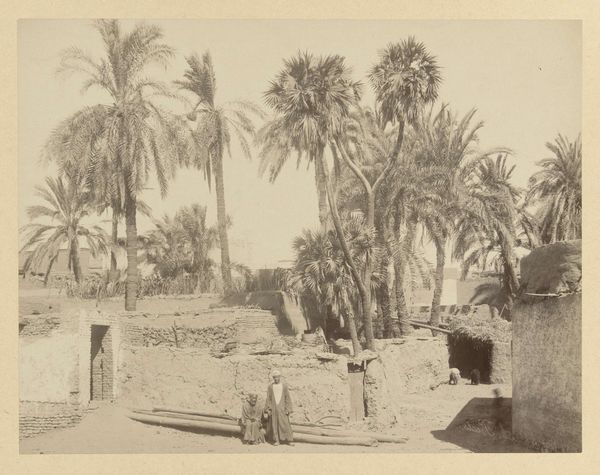
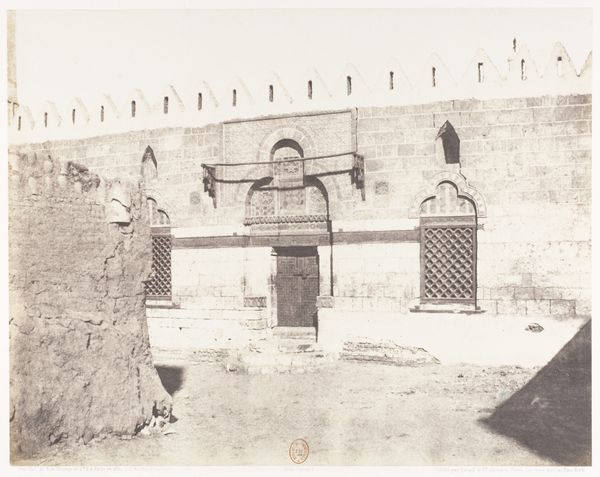
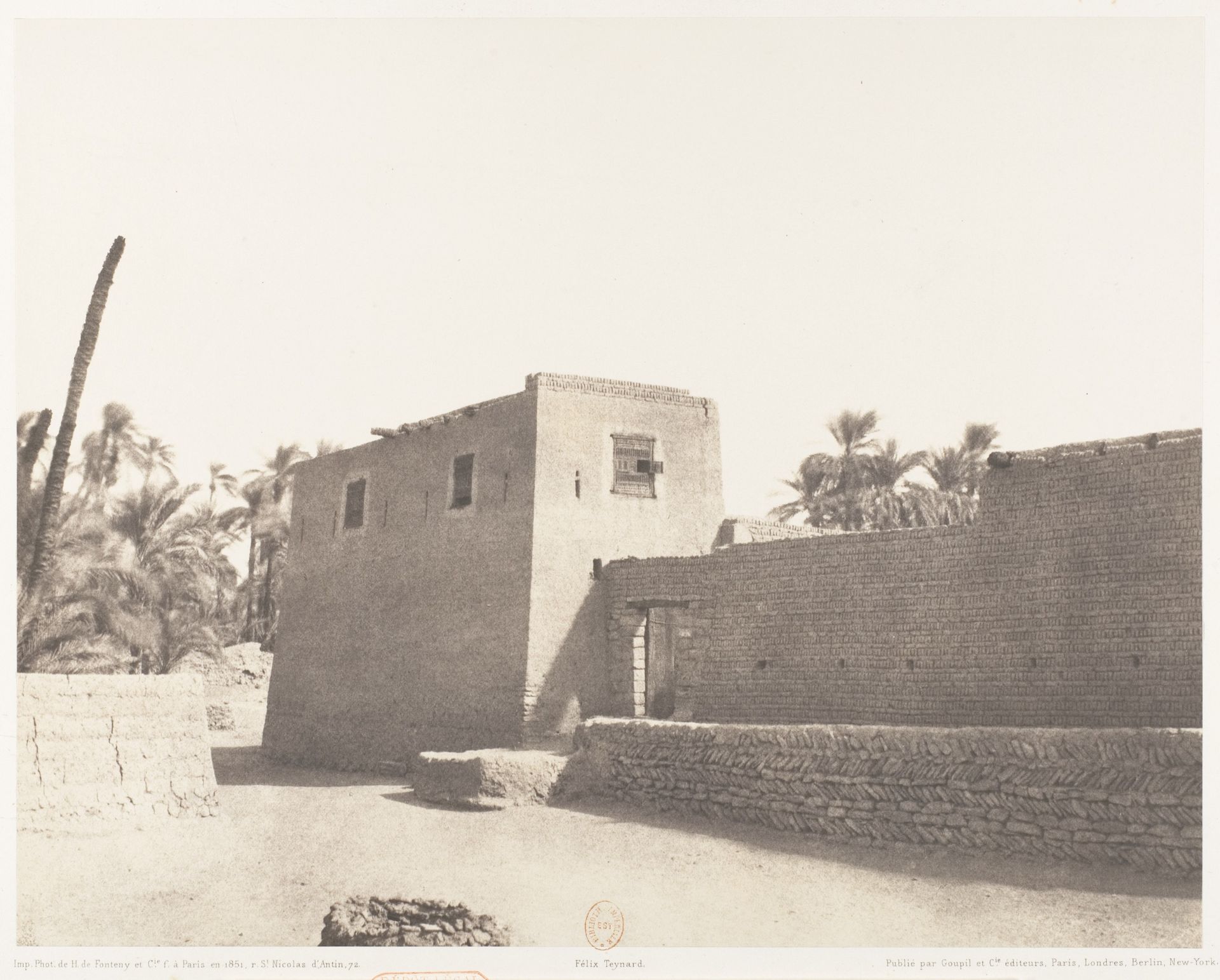
This photograph, "Deîr, Carrefour et Habitation Particulière," was made by Félix Teynard using the calotype process, an early photographic technique that yields a paper negative, and a slightly soft, textured print. Look closely, and you can see the way the calotype renders the mud brick architecture of Deîr. The image quality isn't sharp like a modern photo; instead, it has a tangible, almost grainy feel, echoing the very texture of the buildings themselves. The walls are composed of individual bricks laid with patient labor, line after line. You can almost feel the weight and heft of each brick. The calotype process, with its unique material qualities, invites us to consider photography not just as a mode of documentation, but as a craft, deeply intertwined with the material world it depicts, reminding us of the labor and skill involved, and also of the intersection of art, craft, and industry in the 19th century.
Deîr, Carrefour et Habitation Particulière
1851 - 1852


Artwork details
- Medium
- daguerreotype, photography, architecture
- Dimensions
- 23.6 x 30.2 cm. (9 5/16 x 11 7/8 in.)
- Location
- Metropolitan Museum of Art, New York, NY
- Copyright
- Public Domain
Tags
Comments
Share your thoughts
About this artwork
This photograph, "Deîr, Carrefour et Habitation Particulière," was made by Félix Teynard using the calotype process, an early photographic technique that yields a paper negative, and a slightly soft, textured print. Look closely, and you can see the way the calotype renders the mud brick architecture of Deîr. The image quality isn't sharp like a modern photo; instead, it has a tangible, almost grainy feel, echoing the very texture of the buildings themselves. The walls are composed of individual bricks laid with patient labor, line after line. You can almost feel the weight and heft of each brick. The calotype process, with its unique material qualities, invites us to consider photography not just as a mode of documentation, but as a craft, deeply intertwined with the material world it depicts, reminding us of the labor and skill involved, and also of the intersection of art, craft, and industry in the 19th century.
Comments
Share your thoughts