About this artwork
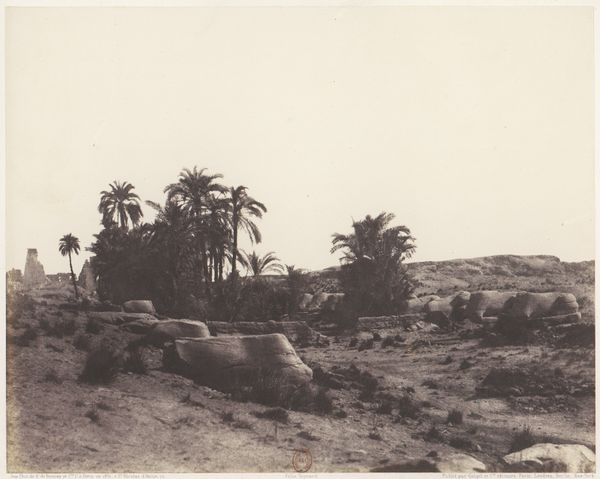
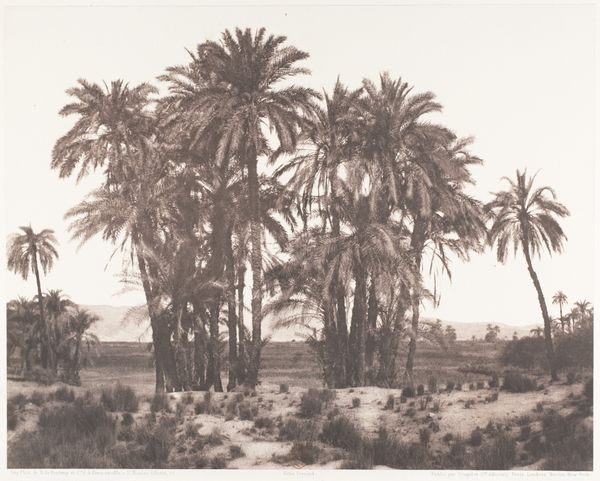
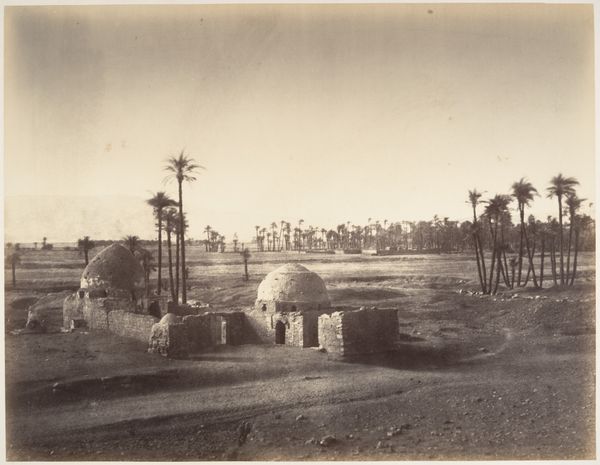
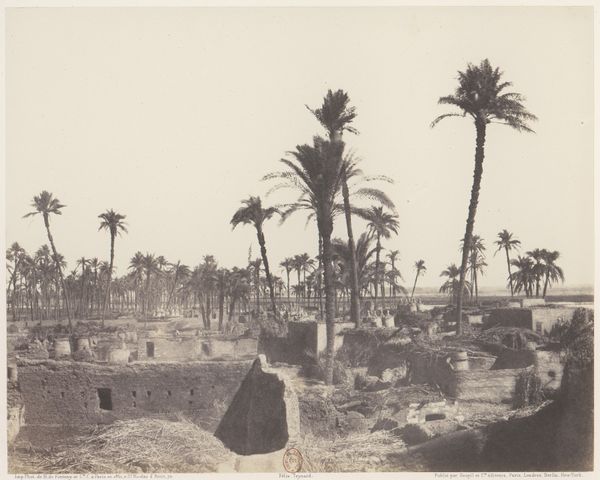
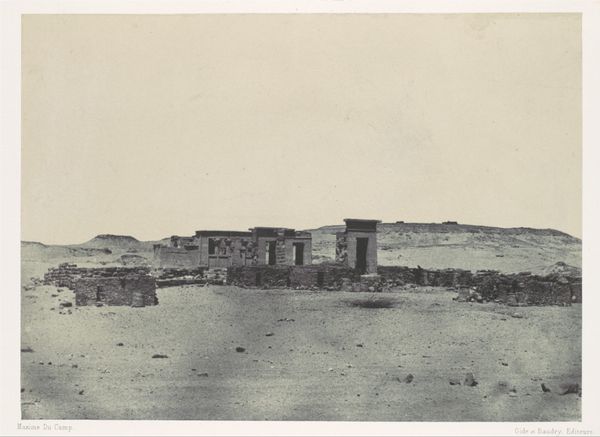
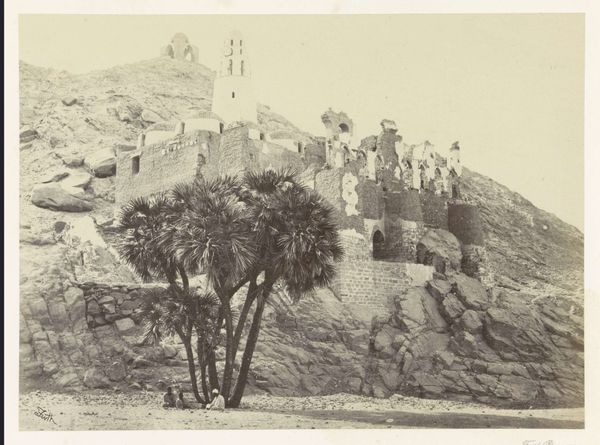
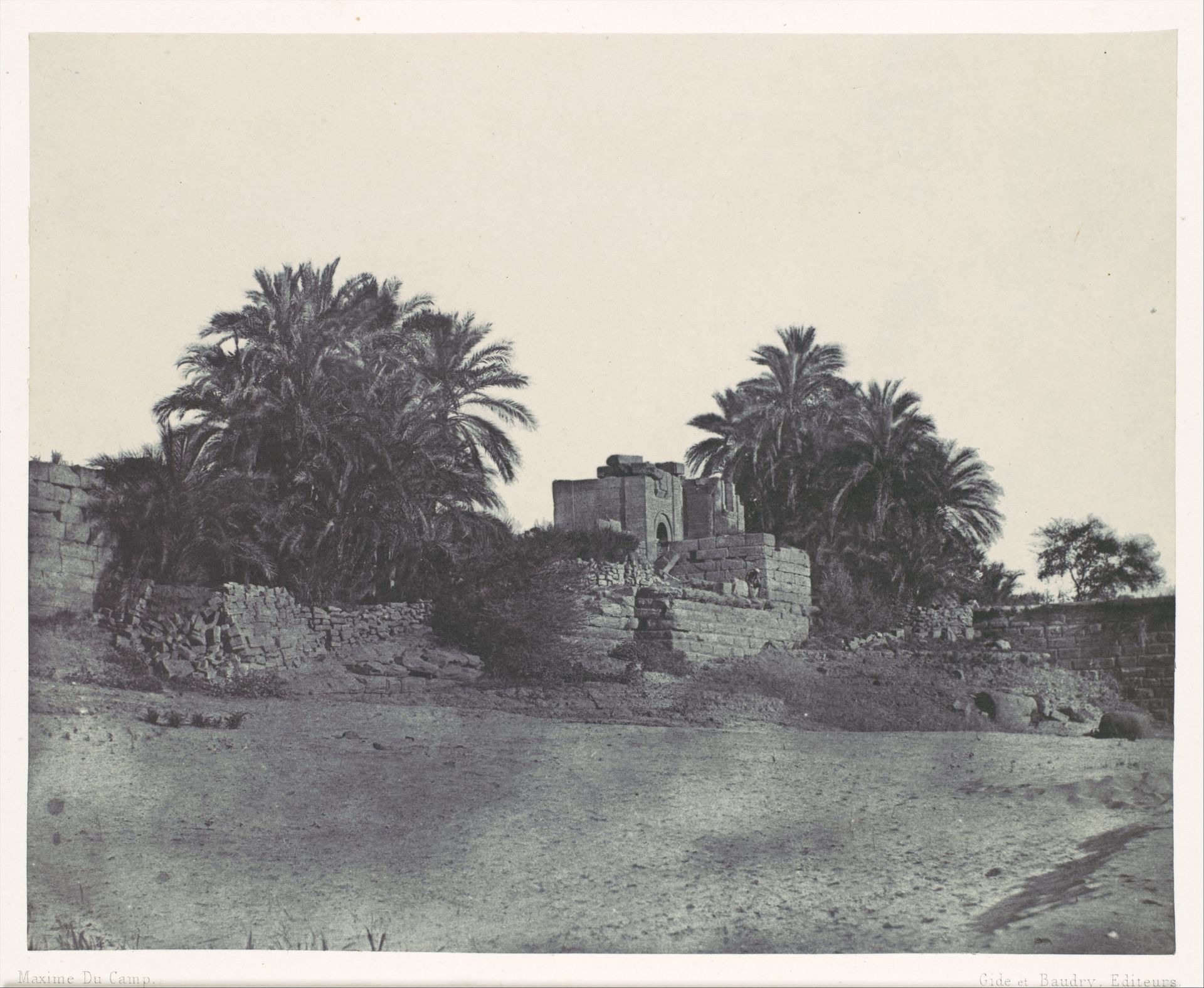
This photograph of Nubie, Philoe, was taken by Maxime Du Camp, using a paper negative. Dominating the scene are the palm trees, their fronds like outstretched hands. In ancient Egypt, the palm was a symbol of triumph and eternal life, often linked to the sun god Ra. Consider how this symbol has travelled through time, appearing in Christian art as a sign of martyrdom and victory over death. Here, amidst the ruins, the palm carries an added layer of meaning. It speaks of resilience, of life persisting even amongst the fragments of a lost civilization. Do we not see it everywhere, this yearning for life to emerge from the dust? This potent image echoes through history, a testament to our enduring will to survive and remember.
Nubie. Philoe
1850


Artwork details
- Medium
- daguerreotype, photography, architecture
- Location
- Metropolitan Museum of Art, New York, NY
- Copyright
- Public Domain
Tags
Comments
Share your thoughts
About this artwork
This photograph of Nubie, Philoe, was taken by Maxime Du Camp, using a paper negative. Dominating the scene are the palm trees, their fronds like outstretched hands. In ancient Egypt, the palm was a symbol of triumph and eternal life, often linked to the sun god Ra. Consider how this symbol has travelled through time, appearing in Christian art as a sign of martyrdom and victory over death. Here, amidst the ruins, the palm carries an added layer of meaning. It speaks of resilience, of life persisting even amongst the fragments of a lost civilization. Do we not see it everywhere, this yearning for life to emerge from the dust? This potent image echoes through history, a testament to our enduring will to survive and remember.
Comments
Share your thoughts