About this artwork
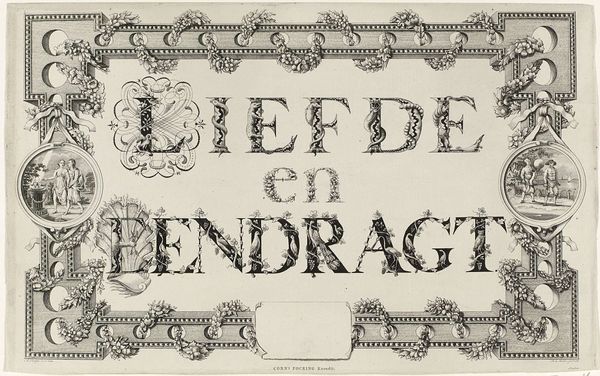
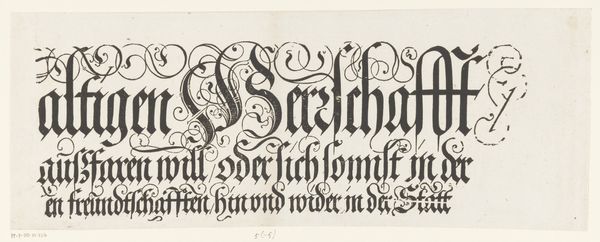
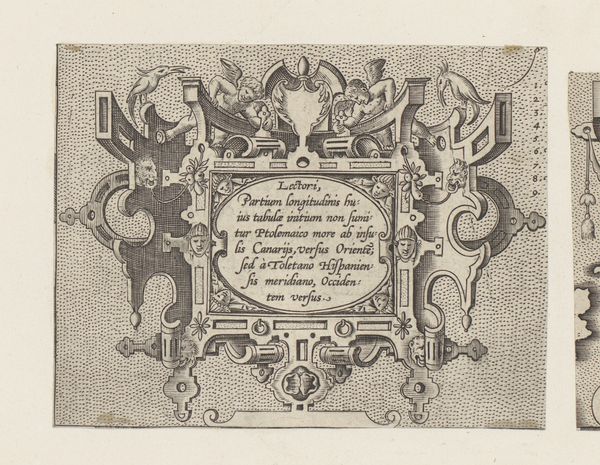
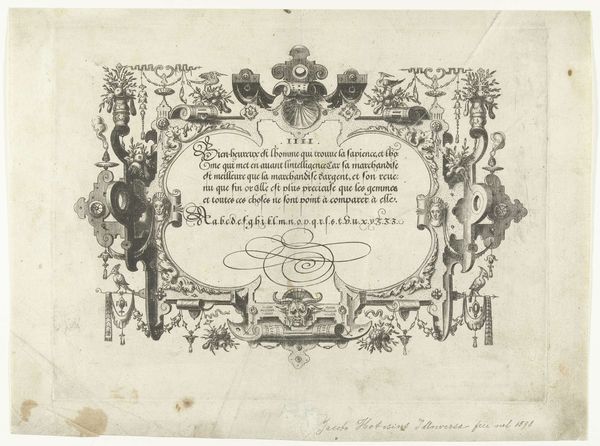
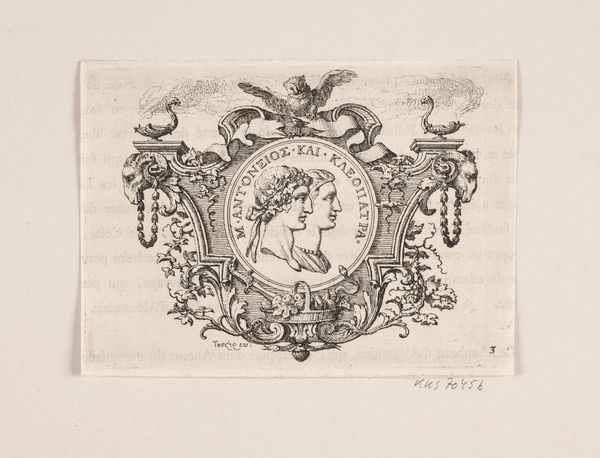
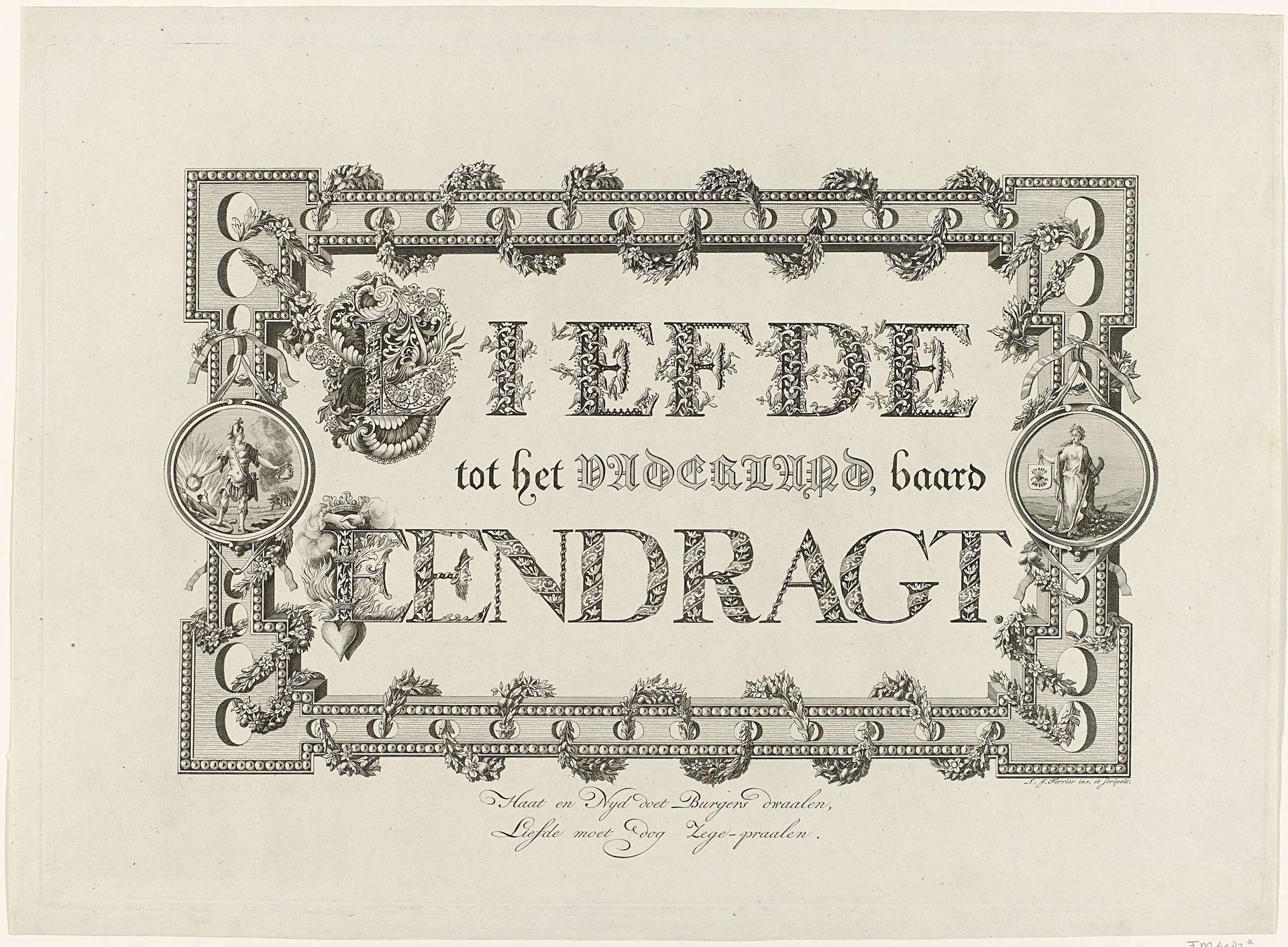
This calligraphic print, made by Leonard Jozef Ferrier in 1787, advocates for unity in the Netherlands through an ornate design combining text and symbolic imagery. The central inscription proclaims "Love to the Fatherland begets Unity," reflecting the political climate of the Dutch Republic at the time. The print’s visual language underscores its message. The decorative frame, adorned with garlands and classical motifs, evokes a sense of tradition and stability. Medallions depicting allegorical figures of civic virtue flank the text, reinforcing the call for patriotism. Made during a period of internal political strife between the Patriots and Orangists, this print, and others like it, served a public role, aiming to influence public sentiment and promote social cohesion. To fully understand its impact, historians delve into archives, newspapers, and pamphlets of the period, reconstructing the social and political context in which this work was created and consumed. Art like this, therefore, acts as a window into the past, revealing the complex interplay between art, politics, and society.

Artwork details
- Medium
- graphic-art, print, typography, engraving
- Dimensions
- height 383 mm, width 550 mm
- Copyright
- Rijks Museum: Open Domain
Tags
graphic-art
neoclacissism
typography
engraving
calligraphy
Comments
No comments
About this artwork
This calligraphic print, made by Leonard Jozef Ferrier in 1787, advocates for unity in the Netherlands through an ornate design combining text and symbolic imagery. The central inscription proclaims "Love to the Fatherland begets Unity," reflecting the political climate of the Dutch Republic at the time. The print’s visual language underscores its message. The decorative frame, adorned with garlands and classical motifs, evokes a sense of tradition and stability. Medallions depicting allegorical figures of civic virtue flank the text, reinforcing the call for patriotism. Made during a period of internal political strife between the Patriots and Orangists, this print, and others like it, served a public role, aiming to influence public sentiment and promote social cohesion. To fully understand its impact, historians delve into archives, newspapers, and pamphlets of the period, reconstructing the social and political context in which this work was created and consumed. Art like this, therefore, acts as a window into the past, revealing the complex interplay between art, politics, and society.
Comments
No comments