About this artwork
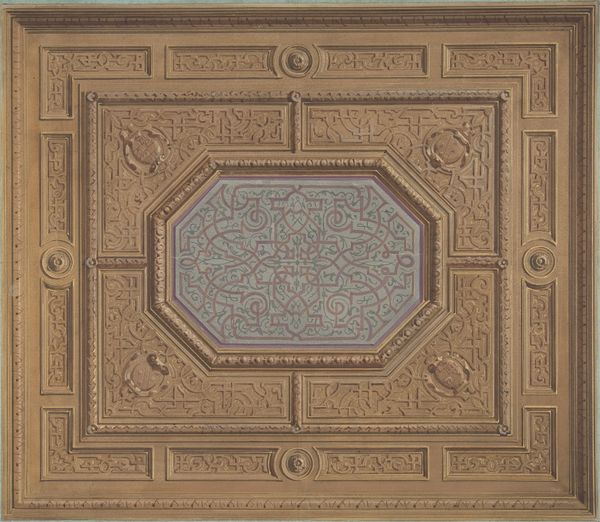
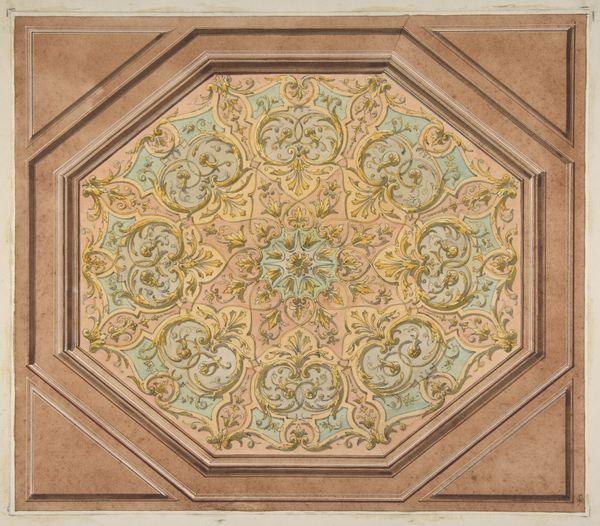
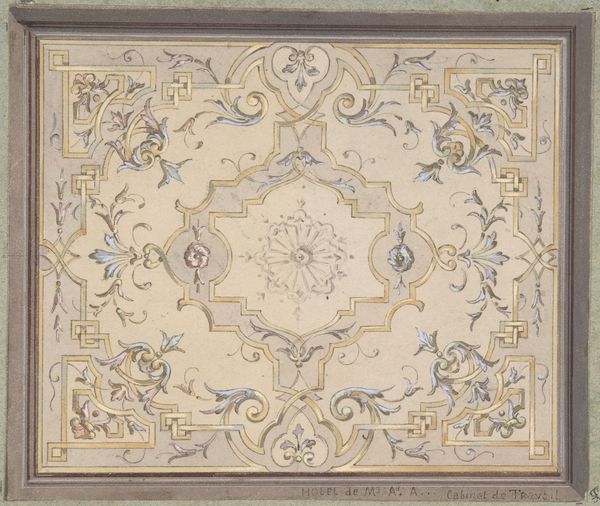
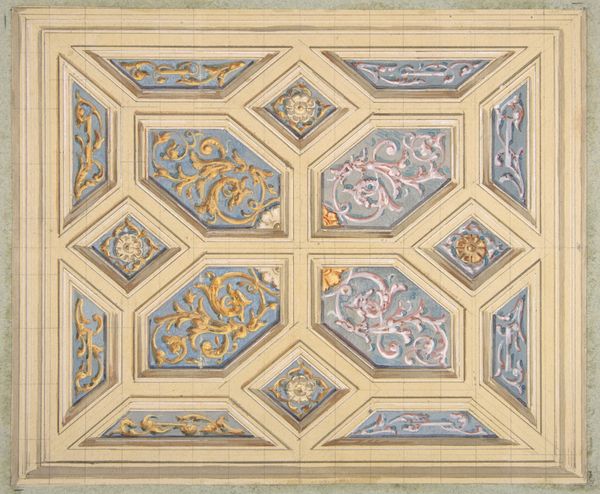
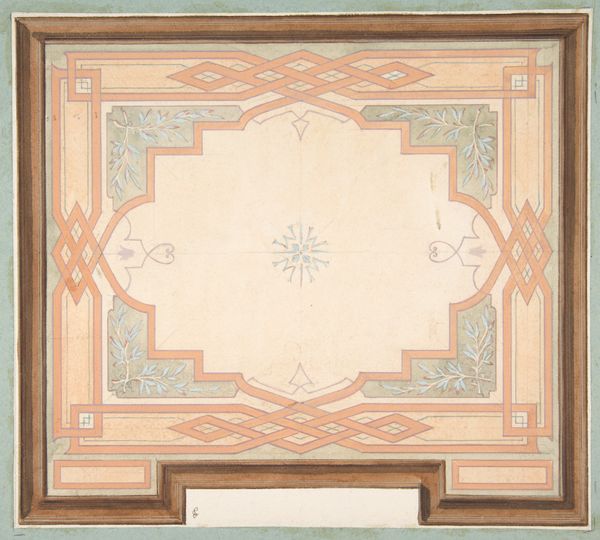
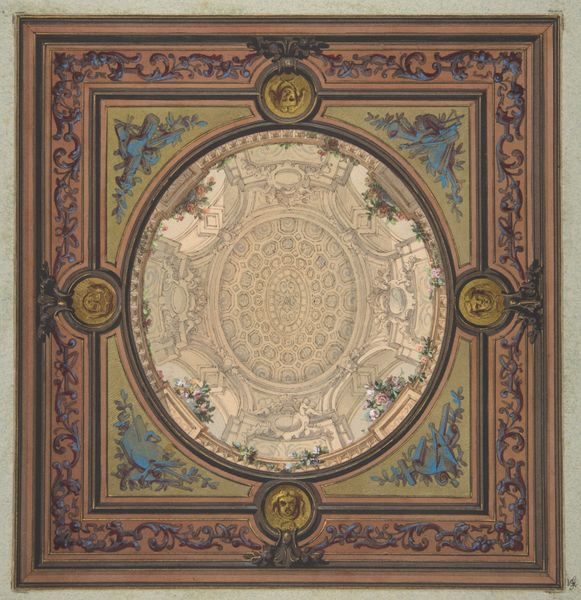
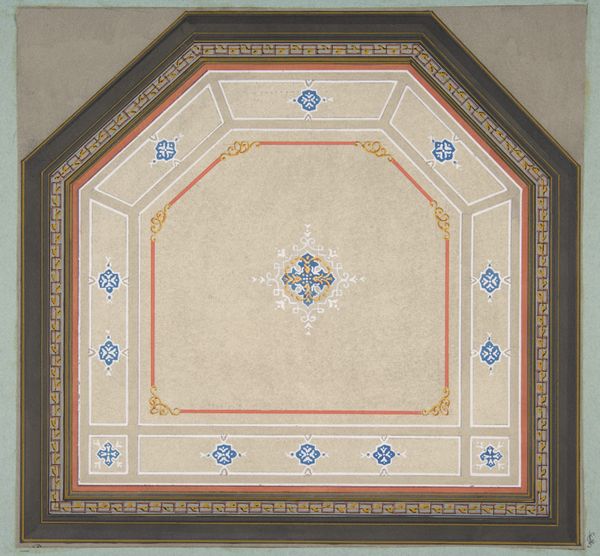
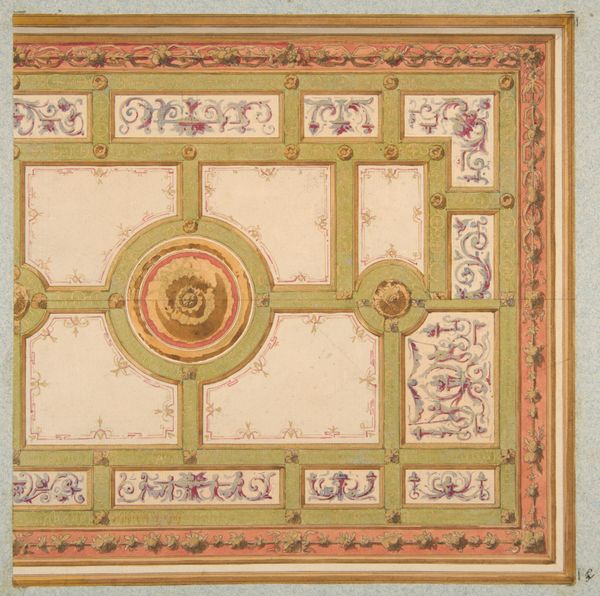
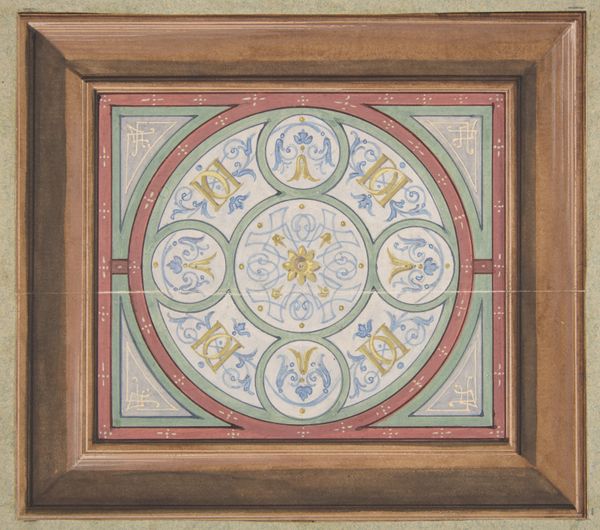
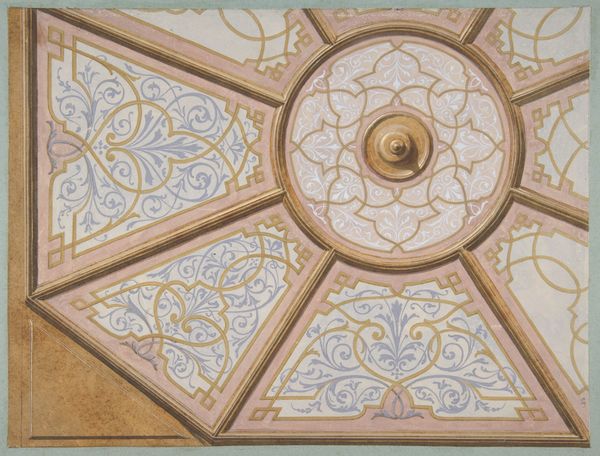
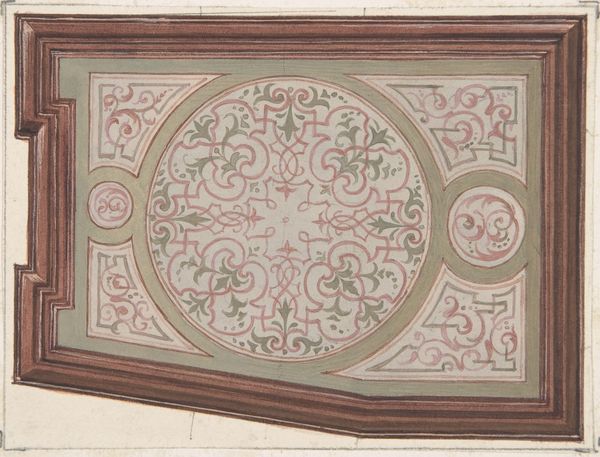
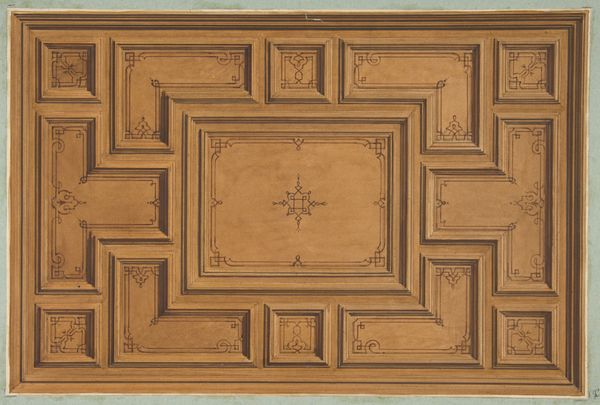
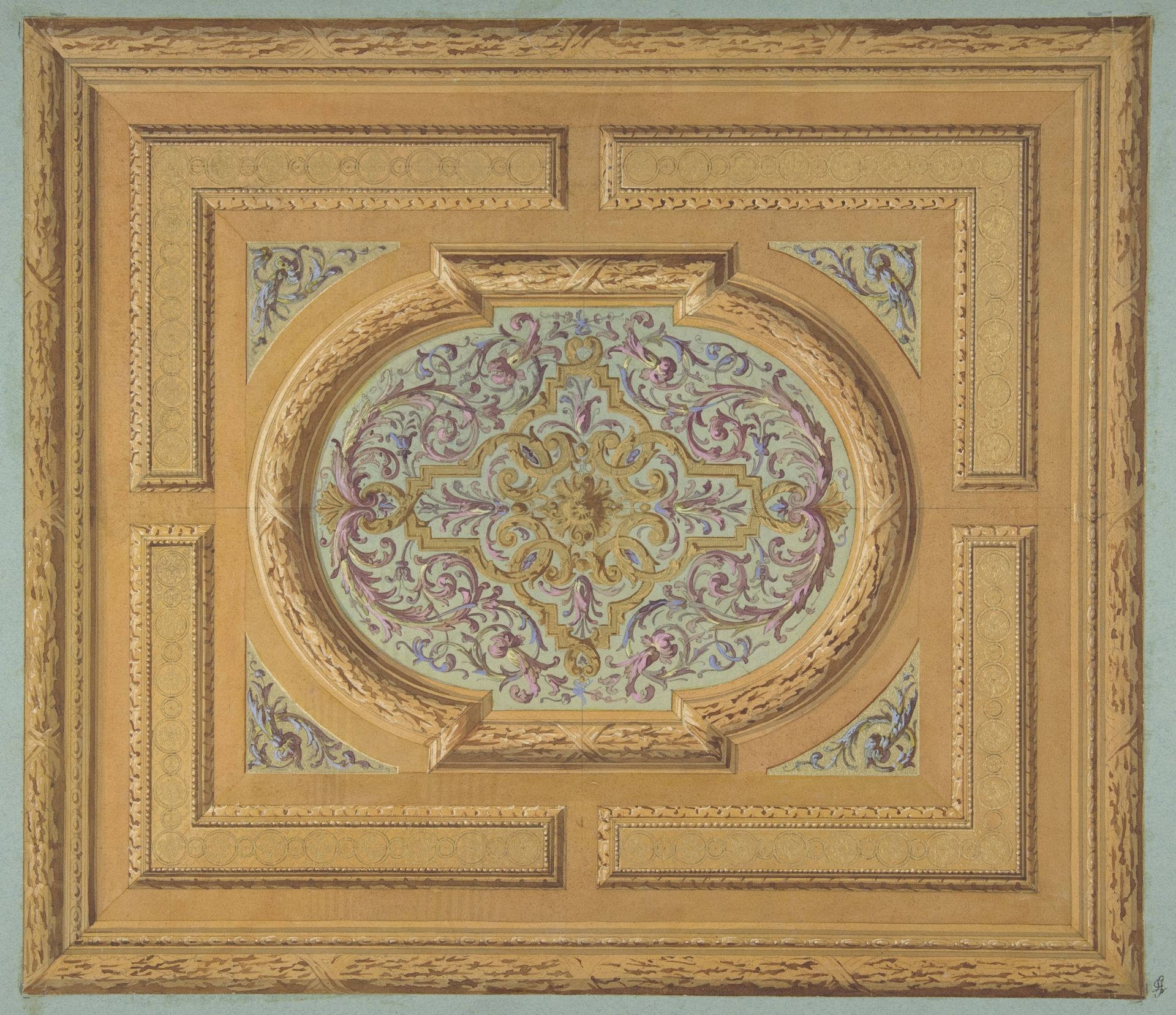
Jules-Edmond-Charles Lachaise designed this ceiling with bands of oak leaves and a central panel of scrolls and rinceaux on paper. While we don't know the exact date, Lachaise was working during a pivotal time when traditional European artistic styles were being questioned and reconfigured. Trained in academic techniques, he navigated a world increasingly interested in modernism, as well as the aesthetics of luxury and excess that marked the pre-war era. The design itself, with its emphasis on symmetry and ornamental detail, speaks to a desire for order and beauty. But the swirling rinceaux introduce a dynamic element, perhaps reflecting broader cultural shifts and the tensions between tradition and modernity. Imagine this ceiling in a grand salon, reflecting candlelight. How might the inhabitants of such a space have understood their place in a world on the brink of transformation? This tension, between what was and what would be, gives this design an emotional and historical resonance.
Design for a ceiling decorated with bands of oak leaves and a central panel of scrolls and rinceaux
1830 - 1897

Jules-Edmond-Charles Lachaise
1897
The Metropolitan Museum of Art
Metropolitan Museum of Art, New York, NYArtwork details
- Medium
- drawing, print, architecture
- Dimensions
- Overall: 19 5/8 x 13 5/8 in. (49.8 x 34.6 cm) image: 12 11/16 x 11 in. (32.2 x 27.9 cm)
- Location
- Metropolitan Museum of Art, New York, NY
- Copyright
- Public Domain
Tags
Comments
Share your thoughts
About this artwork
Jules-Edmond-Charles Lachaise designed this ceiling with bands of oak leaves and a central panel of scrolls and rinceaux on paper. While we don't know the exact date, Lachaise was working during a pivotal time when traditional European artistic styles were being questioned and reconfigured. Trained in academic techniques, he navigated a world increasingly interested in modernism, as well as the aesthetics of luxury and excess that marked the pre-war era. The design itself, with its emphasis on symmetry and ornamental detail, speaks to a desire for order and beauty. But the swirling rinceaux introduce a dynamic element, perhaps reflecting broader cultural shifts and the tensions between tradition and modernity. Imagine this ceiling in a grand salon, reflecting candlelight. How might the inhabitants of such a space have understood their place in a world on the brink of transformation? This tension, between what was and what would be, gives this design an emotional and historical resonance.
Comments
Share your thoughts