About this artwork
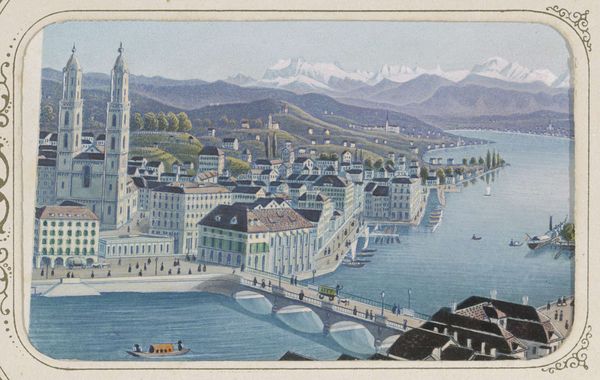
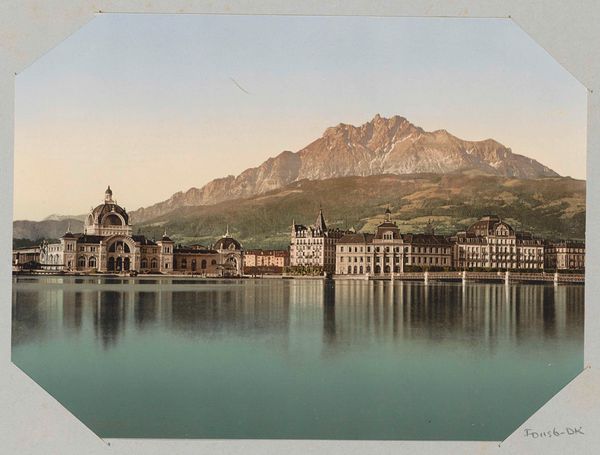
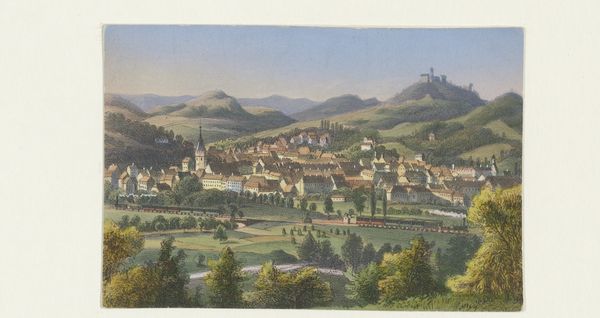
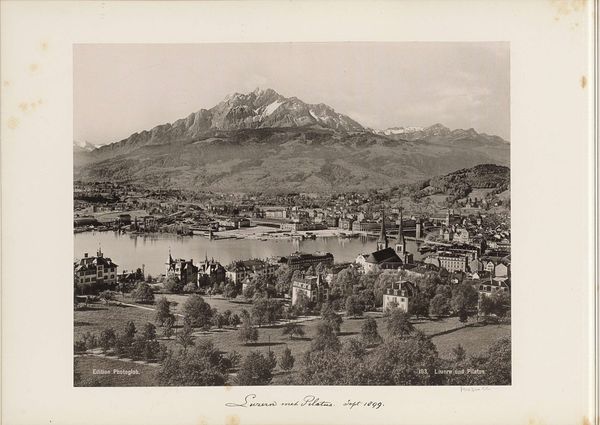
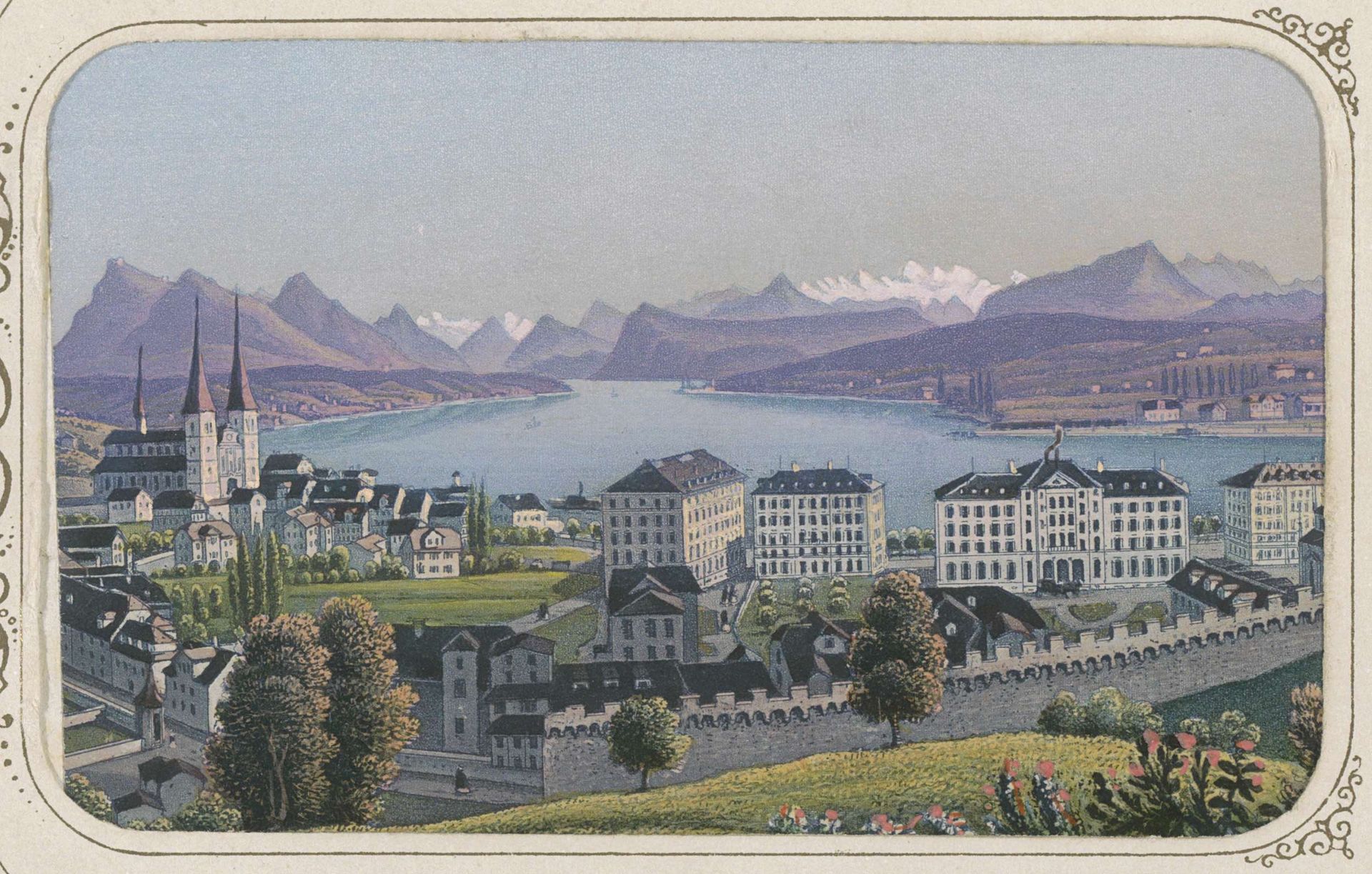
This small print, "View of the City of Lucerne and the Lake" is by Rudolf Dikenmann and made using chromolithography. That’s a big word for a printing process that was extremely popular in the late 19th century. Chromolithography allowed for the mass production of colorful images. It involved using multiple limestone blocks, each inked with a different color, to create a layered print. The result was a relatively inexpensive and visually appealing image, which democratized access to art. Consider the labor involved, from the quarrying of the limestone, to the skilled artisans who meticulously transferred the image onto the stones, to the press operators churning out thousands of these prints. This one probably ended up as a souvenir, feeding into the burgeoning tourist industry in Switzerland. The method is crucial to understanding its widespread appeal. Chromolithography blurred the lines between art and commercial production, making images like this accessible to a broad audience.

Artwork details
- Dimensions
- height 53 mm, width 94 mm
- Copyright
- Rijks Museum: Open Domain
Comments
Share your thoughts
About this artwork
This small print, "View of the City of Lucerne and the Lake" is by Rudolf Dikenmann and made using chromolithography. That’s a big word for a printing process that was extremely popular in the late 19th century. Chromolithography allowed for the mass production of colorful images. It involved using multiple limestone blocks, each inked with a different color, to create a layered print. The result was a relatively inexpensive and visually appealing image, which democratized access to art. Consider the labor involved, from the quarrying of the limestone, to the skilled artisans who meticulously transferred the image onto the stones, to the press operators churning out thousands of these prints. This one probably ended up as a souvenir, feeding into the burgeoning tourist industry in Switzerland. The method is crucial to understanding its widespread appeal. Chromolithography blurred the lines between art and commercial production, making images like this accessible to a broad audience.
Comments
Share your thoughts