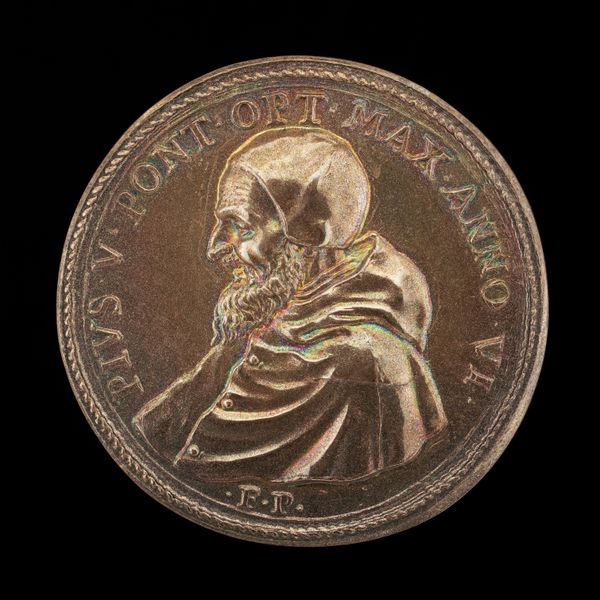
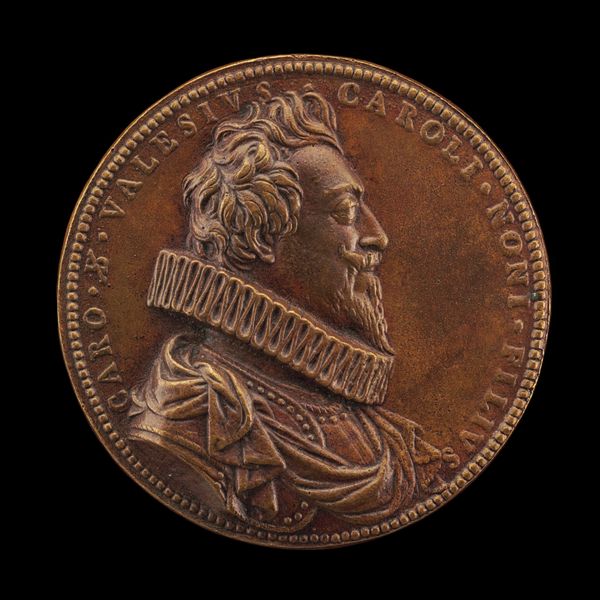
![Cardinal Alessandro Farnese, 1520-1589 [obverse] by Giovanni Vincenzo Melone](https://d2w8kbdekdi1gv.cloudfront.net/eyJidWNrZXQiOiAiYXJ0ZXJhLWltYWdlcy1idWNrZXQiLCAia2V5IjogImFydHdvcmtzLzVjMWY3ZDViLTE0MjktNGRmNC1hZmM1LTI3MmUzOWM2OTNkNS81YzFmN2Q1Yi0xNDI5LTRkZjQtYWZjNS0yNzJlMzljNjkzZDVfZnVsbC5qcGciLCAiZWRpdHMiOiB7InJlc2l6ZSI6IHsid2lkdGgiOiAxOTIwLCAiaGVpZ2h0IjogMTkyMCwgImZpdCI6ICJpbnNpZGUifX19)
About this artwork
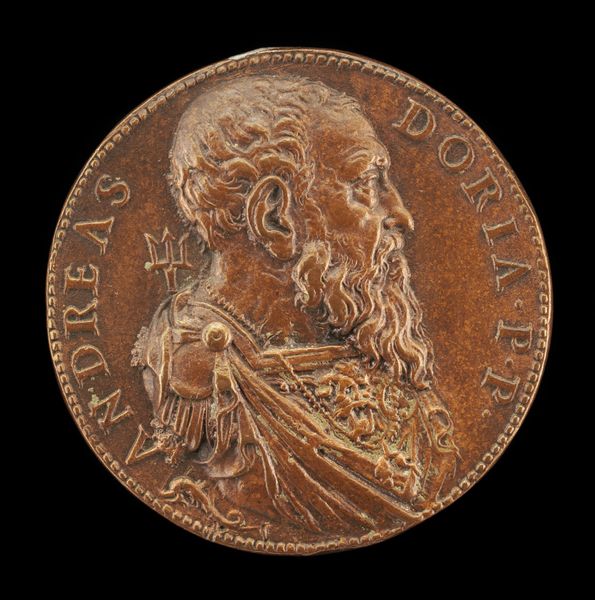
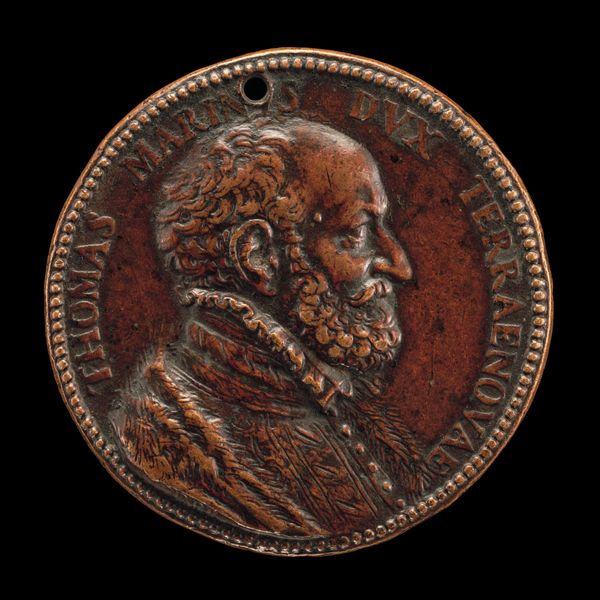
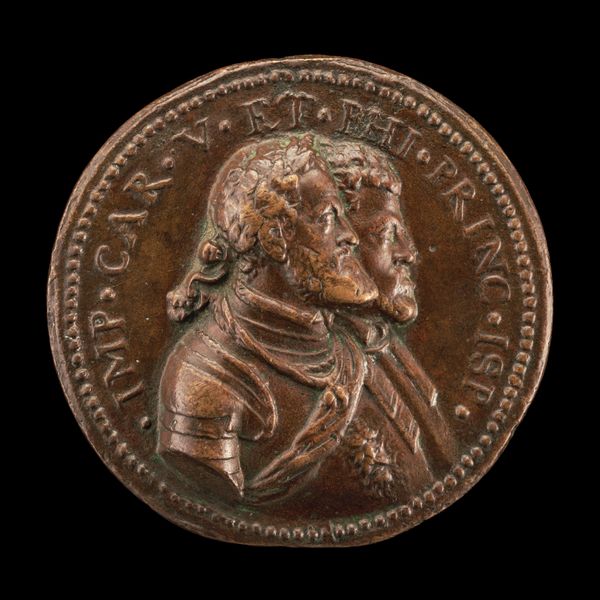
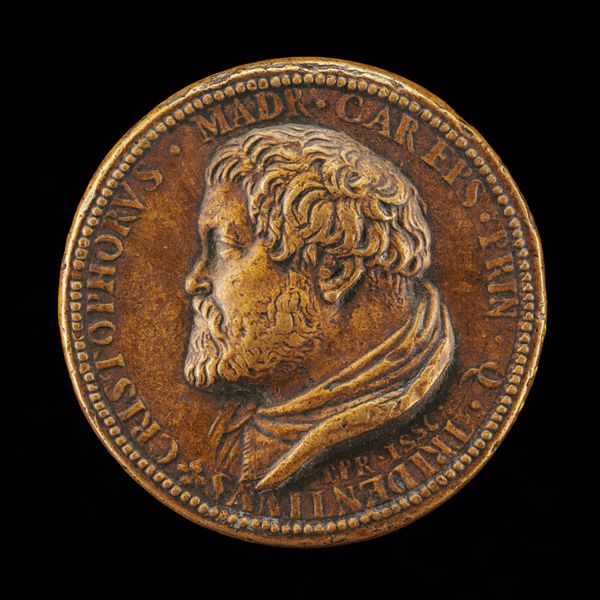
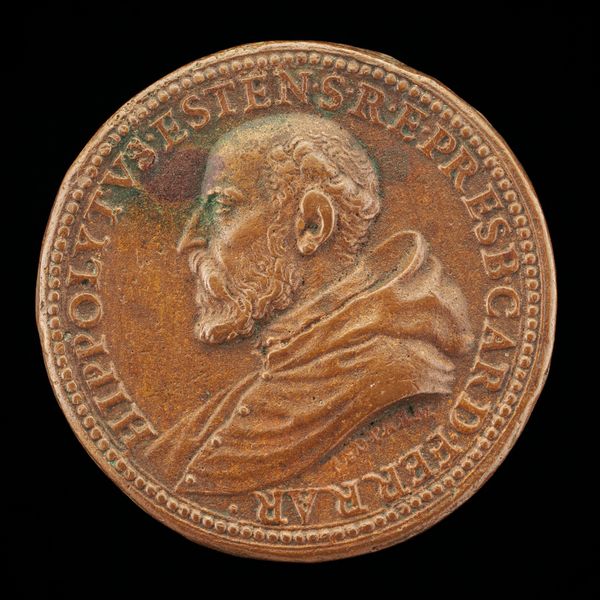
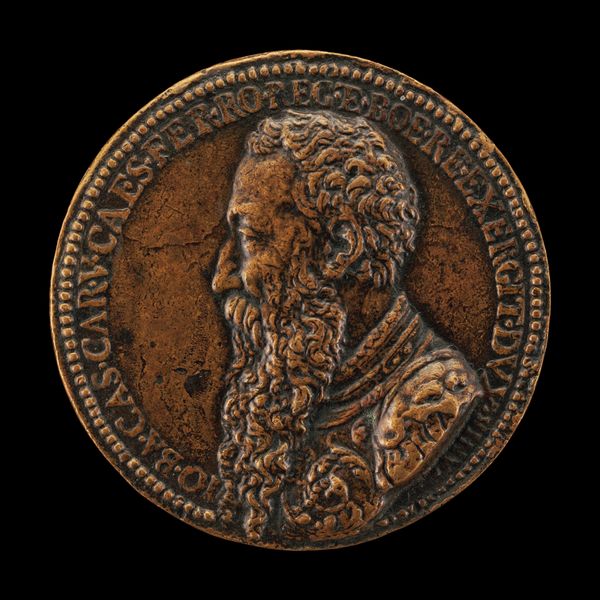
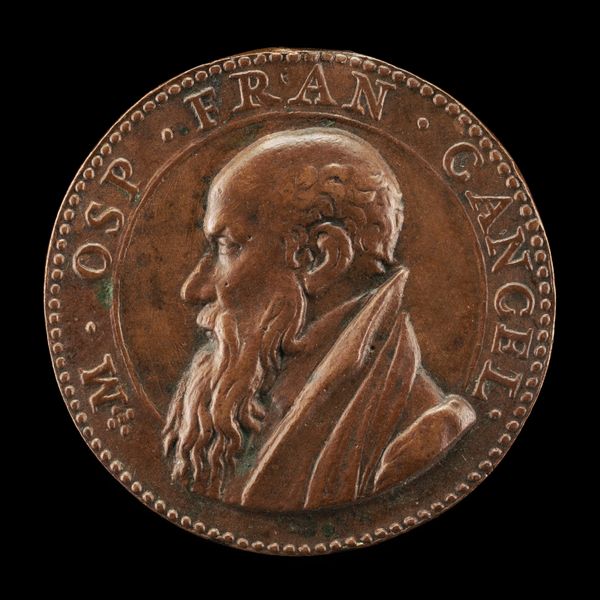
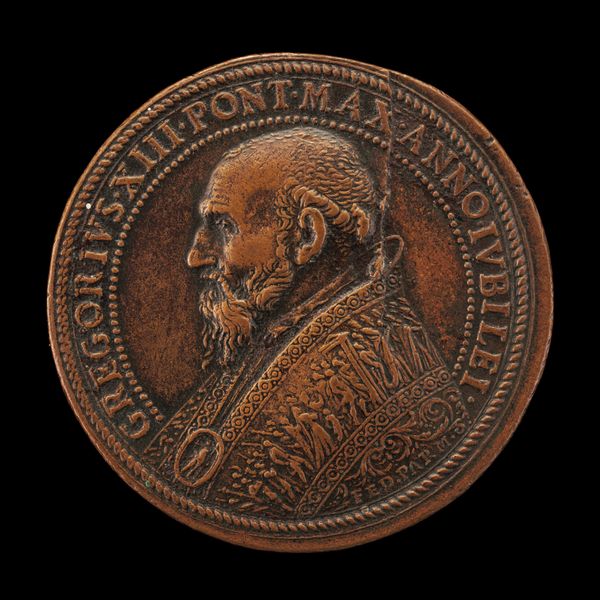
This is a bronze portrait medal of Cardinal Alessandro Farnese, made by Giovanni Vincenzo Melone around 1580. The medal's material, bronze, wasn't chosen at random; in the Renaissance, bronze was strongly associated with ancient Rome, and therefore status and power. To create it, Melone would have first sculpted the Cardinal's likeness in wax or clay, then cast it using the lost-wax process. Molten bronze would be poured into a mold, and once cooled, the mold broken away to reveal the finished portrait. A chasing tool would add finishing touches. The act of striking or casting a medal was a deliberate attempt to freeze an individual's likeness, spreading their image far and wide, thereby consolidating the patron's reputation. This medal serves as a reminder that even seemingly simple objects can carry a wealth of historical, cultural, and political meaning.
Cardinal Alessandro Farnese, 1520-1589 [obverse] 1575


Artwork details
- Medium
- relief, bronze, sculpture
- Dimensions
- overall (diameter): 4.76 cm (1 7/8 in.) gross weight: 38.32 gr (0.084 lb.) axis: 12:00
- Copyright
- National Gallery of Art: CC0 1.0
Tags
portrait
medal
sculpture
relief
bronze
11_renaissance
sculpting
sculpture
carved
Comments
No comments
About this artwork
This is a bronze portrait medal of Cardinal Alessandro Farnese, made by Giovanni Vincenzo Melone around 1580. The medal's material, bronze, wasn't chosen at random; in the Renaissance, bronze was strongly associated with ancient Rome, and therefore status and power. To create it, Melone would have first sculpted the Cardinal's likeness in wax or clay, then cast it using the lost-wax process. Molten bronze would be poured into a mold, and once cooled, the mold broken away to reveal the finished portrait. A chasing tool would add finishing touches. The act of striking or casting a medal was a deliberate attempt to freeze an individual's likeness, spreading their image far and wide, thereby consolidating the patron's reputation. This medal serves as a reminder that even seemingly simple objects can carry a wealth of historical, cultural, and political meaning.
Comments
No comments