![Giambattista Castaldi, 1493-after 1565, Count of Piadena and Cassano [obverse] by Annibale Fontana](https://d2w8kbdekdi1gv.cloudfront.net/eyJidWNrZXQiOiAiYXJ0ZXJhLWltYWdlcy1idWNrZXQiLCAia2V5IjogImFydHdvcmtzL2UyYjAwYzdmLTVkZWMtNDhkZS04NmY1LTczYTliM2ZjY2VjYS9lMmIwMGM3Zi01ZGVjLTQ4ZGUtODZmNS03M2E5YjNmY2NlY2FfZnVsbC5qcGciLCAiZWRpdHMiOiB7InJlc2l6ZSI6IHsid2lkdGgiOiAxOTIwLCAiaGVpZ2h0IjogMTkyMCwgImZpdCI6ICJpbnNpZGUifX19)
About this artwork
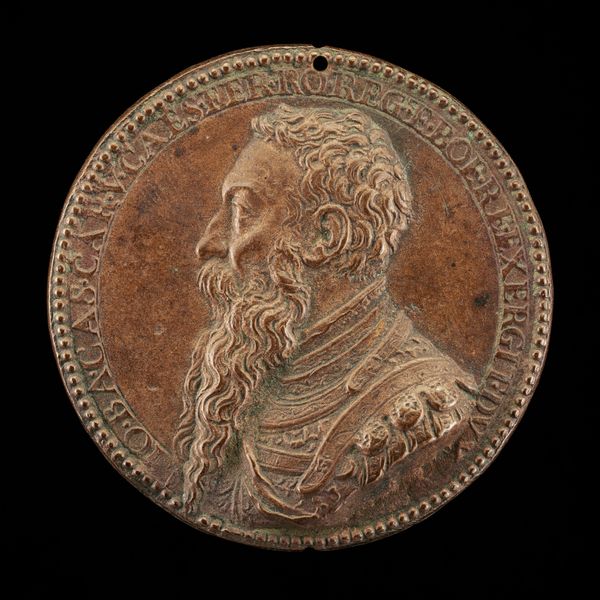
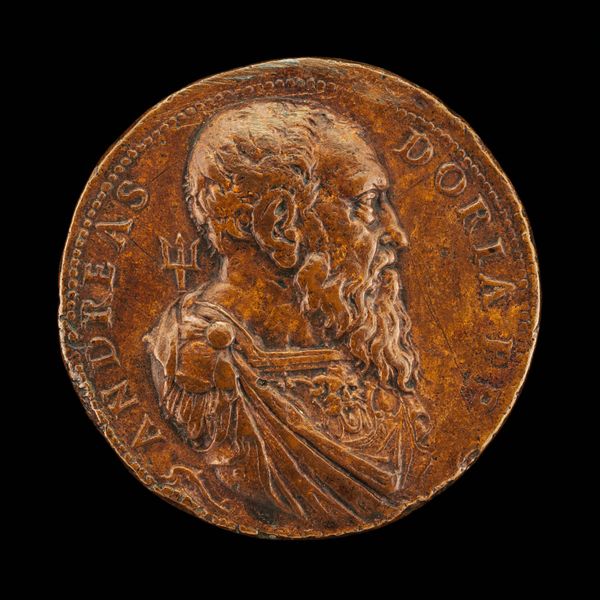
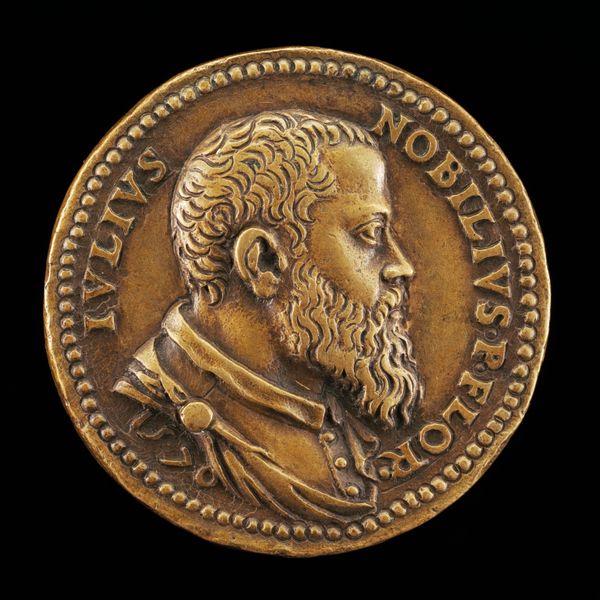
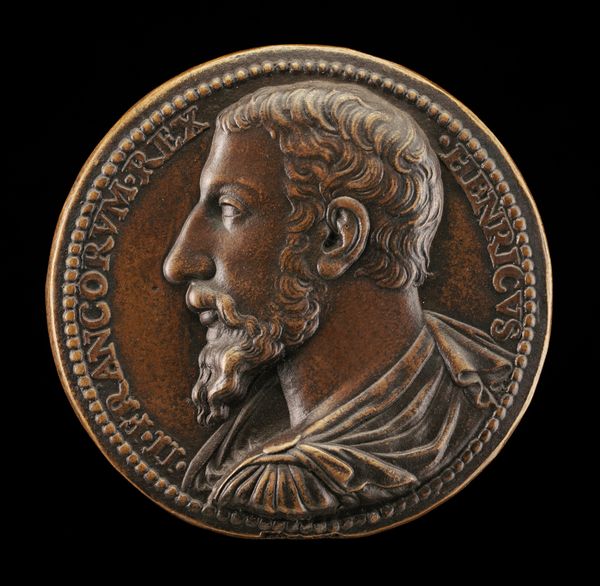
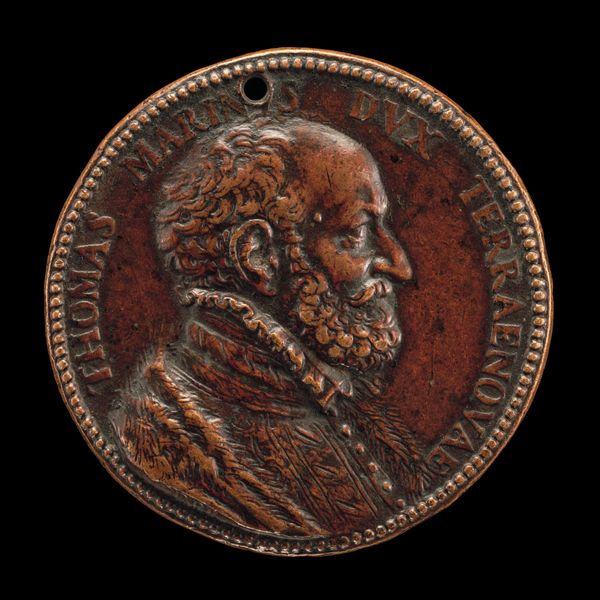
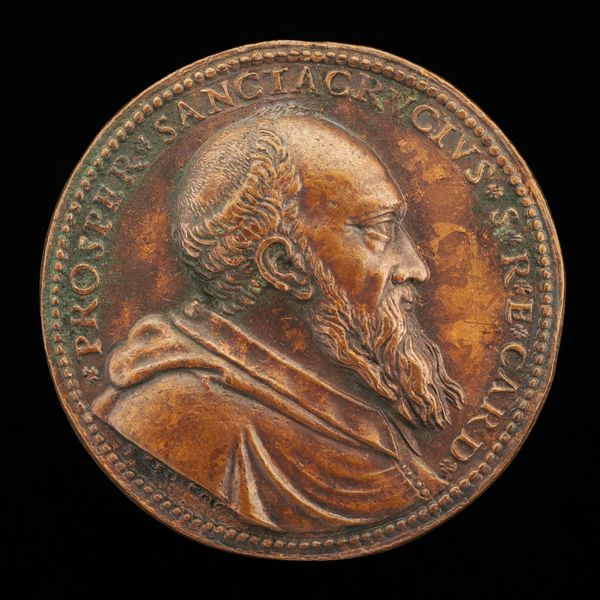
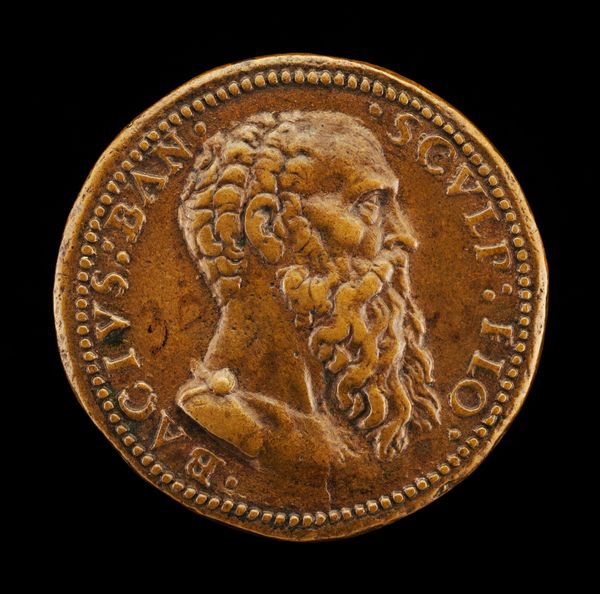
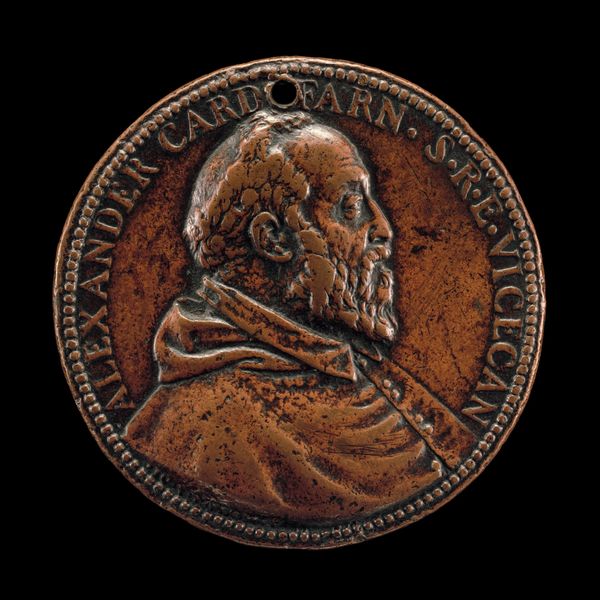
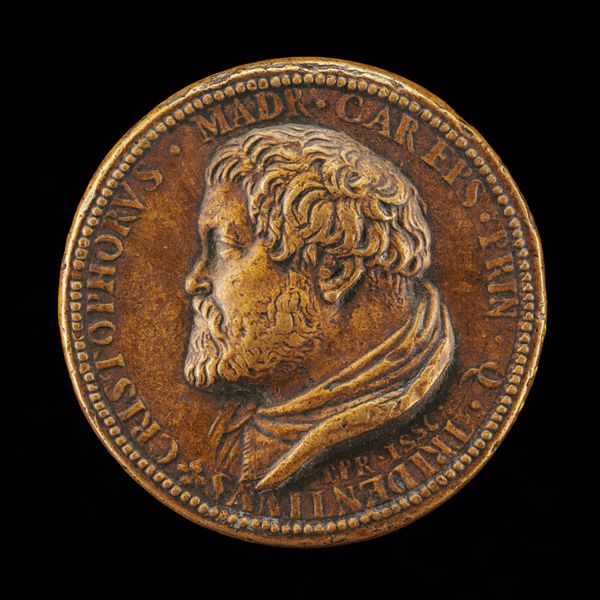
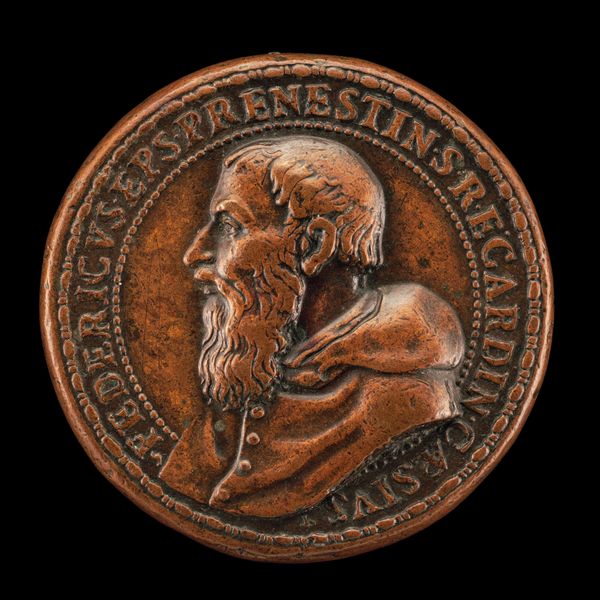
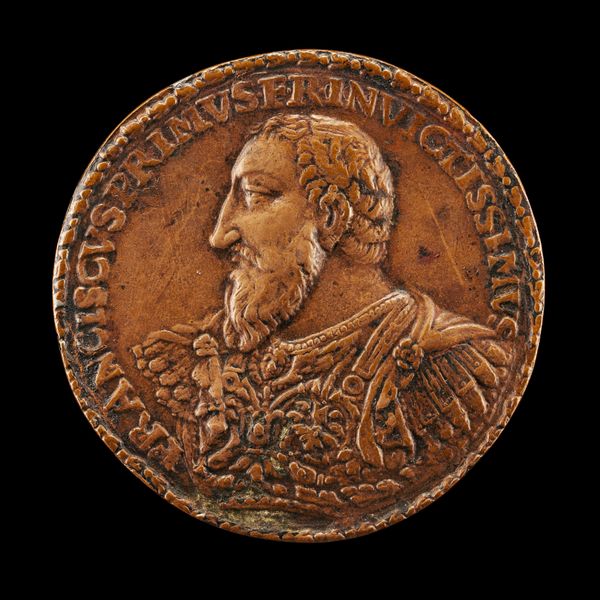
Annibale Fontana created this bronze medal portraying Giambattista Castaldi in the 16th century. Note the flowing beard, a symbol of wisdom and virility, meticulously rendered. This beard evokes images of ancient philosophers and biblical figures. The beard appears throughout history, from the sculpted visages of Roman emperors to the Renaissance portraits of powerful men, signifying authority, age, and knowledge. Consider how the act of depicting such a prominent beard taps into a deeper cultural memory. This isn't merely facial hair; it's a deliberate invocation of historical gravitas, a visual echo resonating through time. In the grand theater of history, symbols such as the beard reemerge, transformed yet recognizable, bearing the weight of ages. This medal connects us to a lineage of meaning, a testament to the enduring power of symbols across generations.
Giambattista Castaldi, 1493-after 1565, Count of Piadena and Cassano [obverse] c. 1562


Artwork details
- Medium
- bronze, sculpture
- Dimensions
- overall (diameter): 4.49 cm (1 3/4 in.) gross weight: 28.15 gr (0.062 lb.) axis: 6:00
- Copyright
- National Gallery of Art: CC0 1.0
Tags
portrait
medal
sculpture
bronze
11_renaissance
sculpture
Comments
No comments
About this artwork
Annibale Fontana created this bronze medal portraying Giambattista Castaldi in the 16th century. Note the flowing beard, a symbol of wisdom and virility, meticulously rendered. This beard evokes images of ancient philosophers and biblical figures. The beard appears throughout history, from the sculpted visages of Roman emperors to the Renaissance portraits of powerful men, signifying authority, age, and knowledge. Consider how the act of depicting such a prominent beard taps into a deeper cultural memory. This isn't merely facial hair; it's a deliberate invocation of historical gravitas, a visual echo resonating through time. In the grand theater of history, symbols such as the beard reemerge, transformed yet recognizable, bearing the weight of ages. This medal connects us to a lineage of meaning, a testament to the enduring power of symbols across generations.
Comments
No comments