![Charles V, King of Spain and Holy Roman Emperor, and Prince Philip of Spain [obverse] by Leone Leoni](https://d2w8kbdekdi1gv.cloudfront.net/eyJidWNrZXQiOiAiYXJ0ZXJhLWltYWdlcy1idWNrZXQiLCAia2V5IjogImFydHdvcmtzLzRkMDgxMWZkLWZlZWQtNDE2OC1hYzUyLWM3NzUwYTM1YTQzOS80ZDA4MTFmZC1mZWVkLTQxNjgtYWM1Mi1jNzc1MGEzNWE0MzlfZnVsbC5qcGciLCAiZWRpdHMiOiB7InJlc2l6ZSI6IHsid2lkdGgiOiAxOTIwLCAiaGVpZ2h0IjogMTkyMCwgImZpdCI6ICJpbnNpZGUifX19)
About this artwork
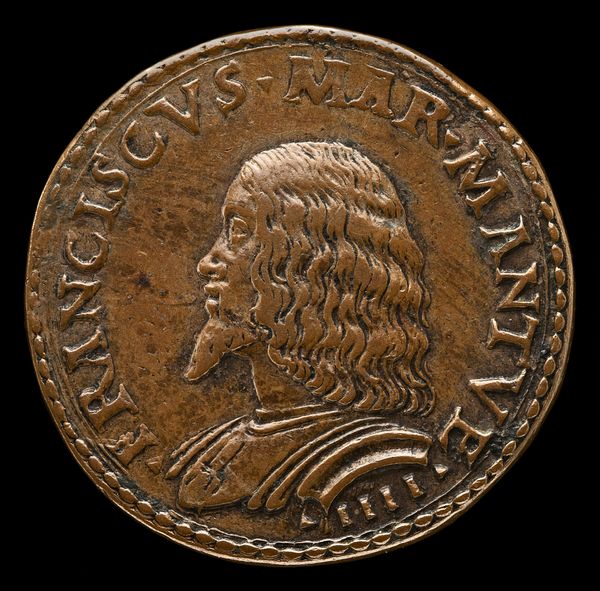
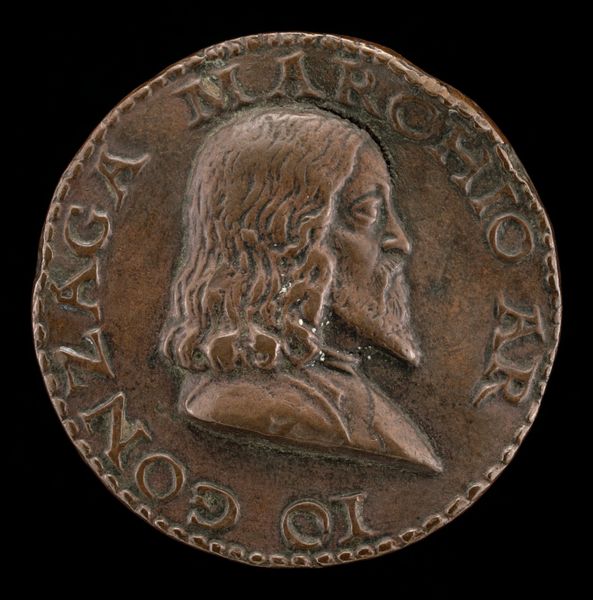
This bronze medal portrays Charles V and Prince Philip of Spain, created by Leone Leoni during a time of dynastic ambition. The conjoined portraits are reminiscent of Roman imperial imagery, evoking the concept of co-rule and succession. Note the laurel wreath on their heads, an ancient symbol of triumph adapted by Roman emperors to legitimize power. Consider how these motifs recur throughout history. In ancient Rome, the laurel wreath signified military victory, while in Renaissance art, it symbolized poetic and artistic genius. This appropriation demonstrates a continuous, cyclical adoption of symbols, where forms are repeated across vast stretches of time. Ultimately, this medal is not merely a representation of power, but an embodiment of the cyclical nature of history.
Charles V, King of Spain and Holy Roman Emperor, and Prince Philip of Spain [obverse]
c. 1553 - 1555


Artwork details
- Medium
- sculpture
- Dimensions
- overall (diameter): 4.2 cm (1 11/16 in.) gross weight: 33.45 gr (0.033 kg) axis: 12:00
- Copyright
- National Gallery of Art: CC0 1.0
Tags
sandstone
medal
3d sculpting
stone
sculpture
sculptural image
unrealistic statue
carved into stone
sculpting
sculpture
carved
statue
Comments
Be the first to share your thoughts about this work.
About this artwork
This bronze medal portrays Charles V and Prince Philip of Spain, created by Leone Leoni during a time of dynastic ambition. The conjoined portraits are reminiscent of Roman imperial imagery, evoking the concept of co-rule and succession. Note the laurel wreath on their heads, an ancient symbol of triumph adapted by Roman emperors to legitimize power. Consider how these motifs recur throughout history. In ancient Rome, the laurel wreath signified military victory, while in Renaissance art, it symbolized poetic and artistic genius. This appropriation demonstrates a continuous, cyclical adoption of symbols, where forms are repeated across vast stretches of time. Ultimately, this medal is not merely a representation of power, but an embodiment of the cyclical nature of history.
Comments
Be the first to share your thoughts about this work.