About this artwork
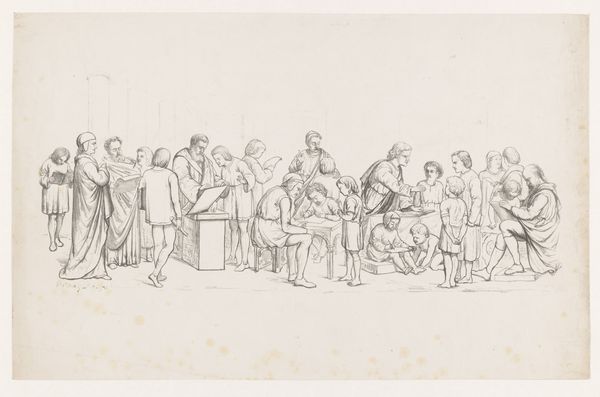
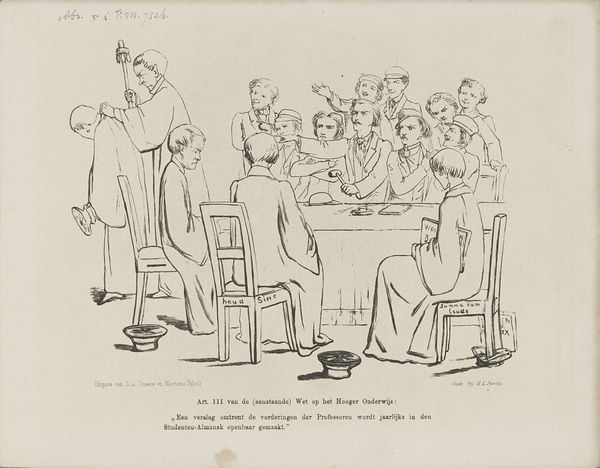
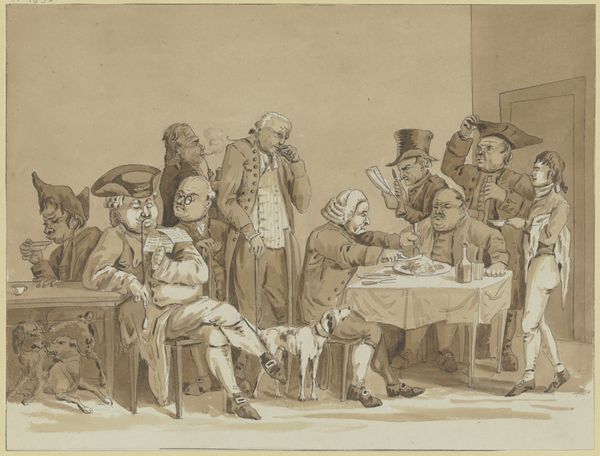
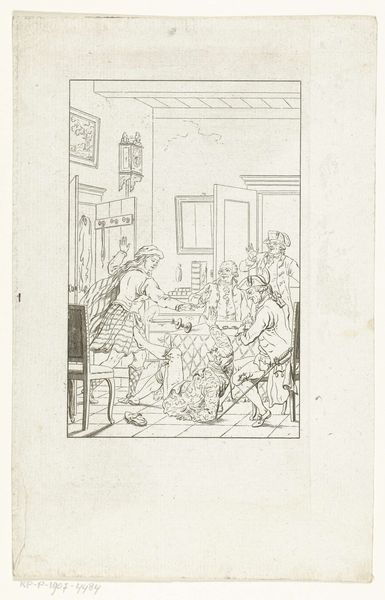
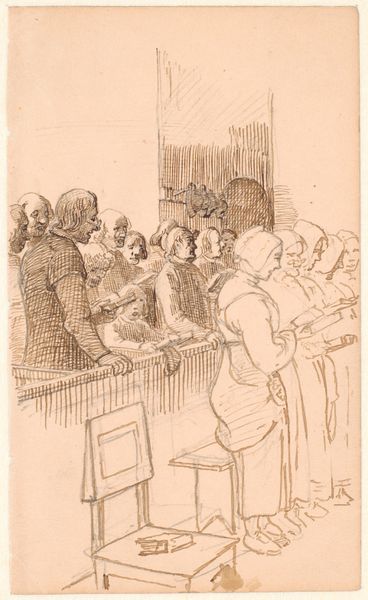
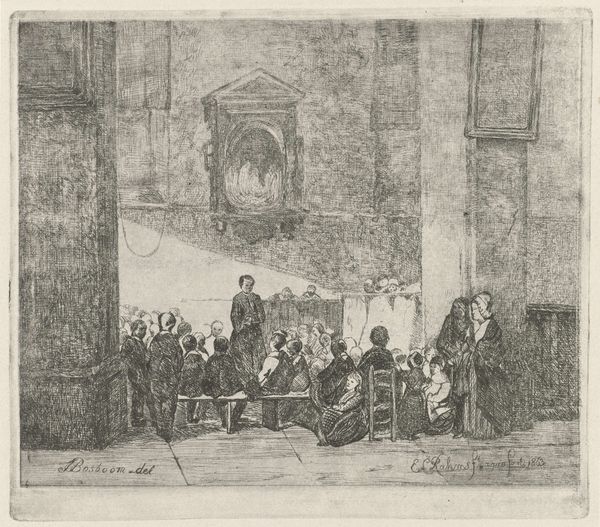
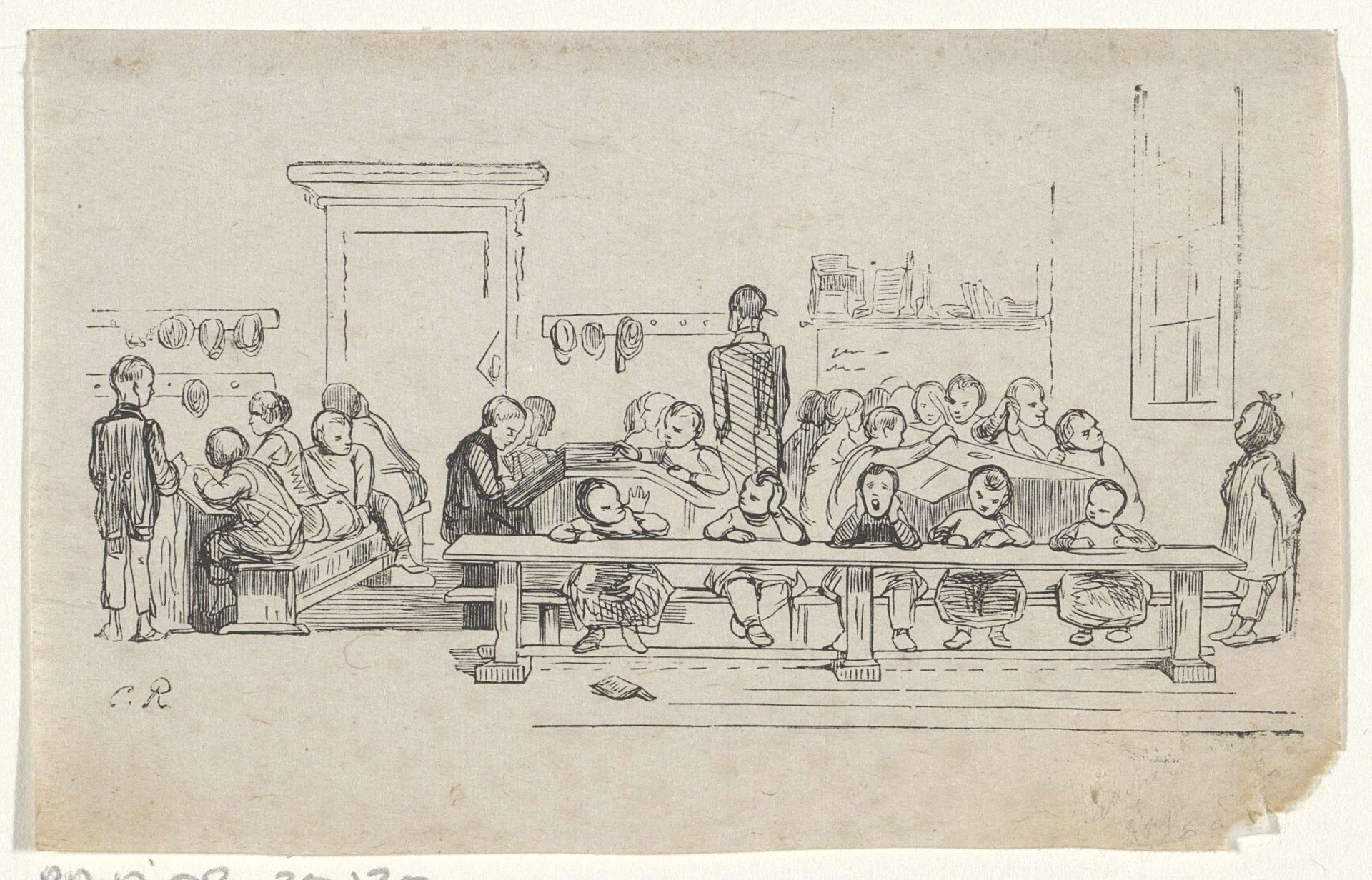
Johann Wilhelm Friedrich Kachel made this drawing, Schoolklas, using pen in the Netherlands in the mid-19th century. The image offers a glimpse into the social landscape of the time, reflecting the evolving role of education. The scene captures a classroom setting, complete with a teacher and rows of children. Kachel made this work during a period of significant social and institutional changes, including reforms in education. In the Netherlands, the 19th century saw the establishment of a more structured public education system, intended to cultivate good citizens and workers. In the drawing, the regimented rows of students perhaps indicate how school was seen as a tool for shaping the next generation. What could be understood from the expressions of the pupils? Does it seem like a favorable environment for these children? To better understand this artwork, we would need to delve into archives on the history of Dutch education and social reform movements, providing context for the image and its meaning.

Artwork details
- Medium
- drawing, ink, pen
- Dimensions
- height 75 mm, width 117 mm
- Location
- Rijksmuseum
- Copyright
- Rijks Museum: Open Domain
Tags
Comments
Share your thoughts
About this artwork
Johann Wilhelm Friedrich Kachel made this drawing, Schoolklas, using pen in the Netherlands in the mid-19th century. The image offers a glimpse into the social landscape of the time, reflecting the evolving role of education. The scene captures a classroom setting, complete with a teacher and rows of children. Kachel made this work during a period of significant social and institutional changes, including reforms in education. In the Netherlands, the 19th century saw the establishment of a more structured public education system, intended to cultivate good citizens and workers. In the drawing, the regimented rows of students perhaps indicate how school was seen as a tool for shaping the next generation. What could be understood from the expressions of the pupils? Does it seem like a favorable environment for these children? To better understand this artwork, we would need to delve into archives on the history of Dutch education and social reform movements, providing context for the image and its meaning.
Comments
Share your thoughts