About this artwork
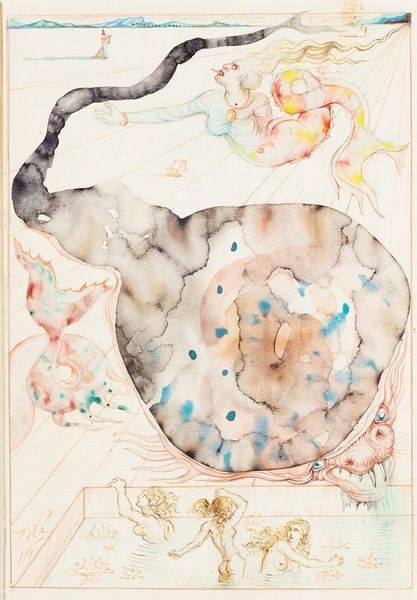
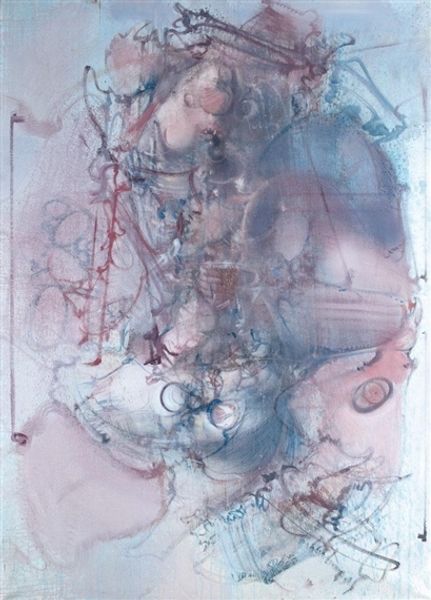
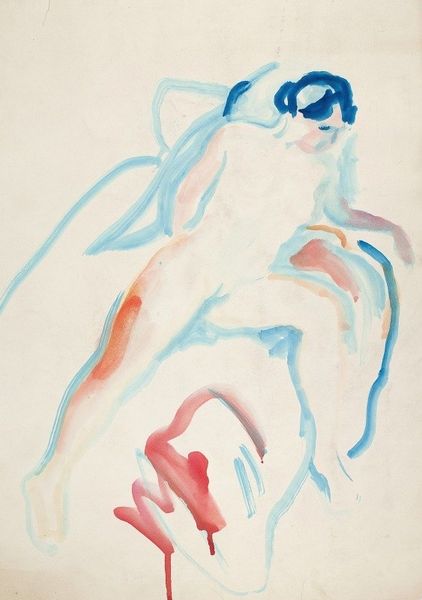
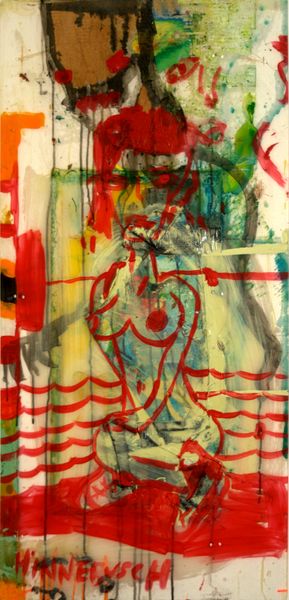
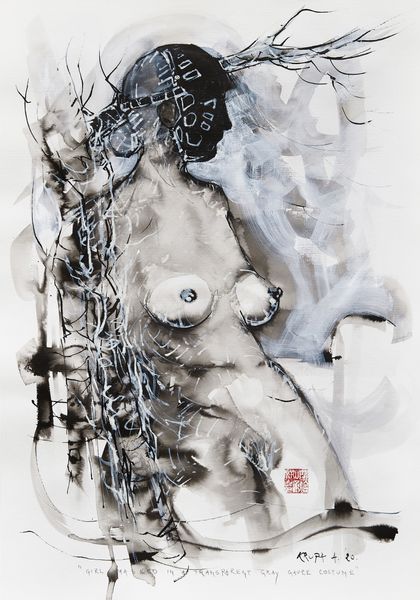
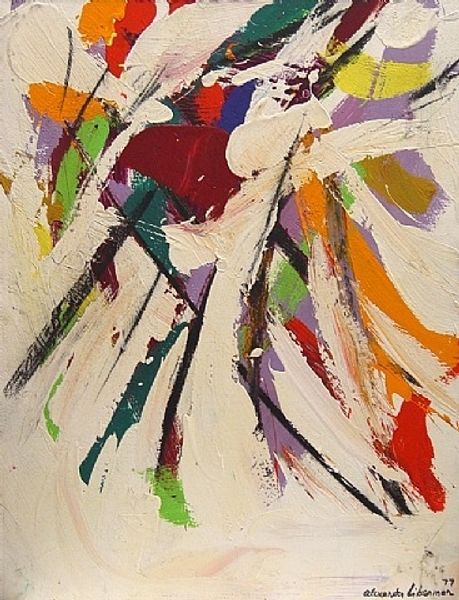
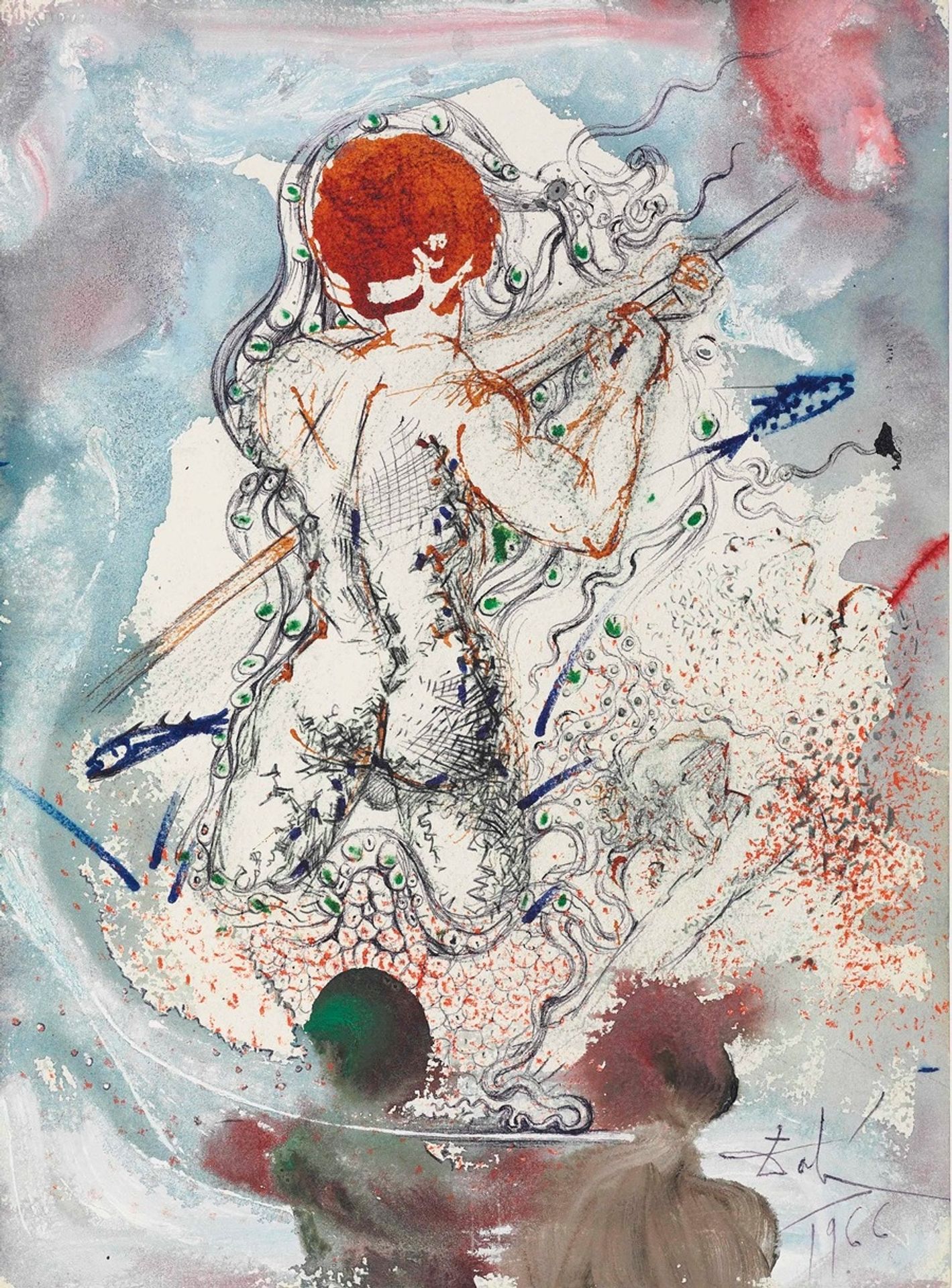
This is Salvador Dalí’s Sinbad, made in 1966, likely with watercolor, gouache, and pen. It’s that kind of piece where the making feels as important as the image. You can sense Dalí feeling his way through the composition. I’m interested in how the materials behave: the paper's absorbency, the bleeding edges of the watercolor, and the scratching of the pen. Look at the back of the figure. It's a mass of cross-hatching, a dense thicket of lines that give the figure form but also a sense of unease, like he’s trapped in a net of his own making. The colors are odd, too: muted blues and reds, punctuated by these strange green dots. They give it a dreamlike, hallucinatory quality. It reminds me a little of Odilon Redon, someone else who wasn't afraid to embrace the weirdness of the subconscious. Ultimately, it feels like a reminder that art isn't about answers, but about the questions we ask along the way.

Artwork details
- Medium
- drawing, paper, ink
- Copyright
- Modern Artists: Artvee
Tags
portrait
drawing
figuration
paper
ink
surrealism
Comments
Be the first to share your thoughts about this work.
About this artwork
This is Salvador Dalí’s Sinbad, made in 1966, likely with watercolor, gouache, and pen. It’s that kind of piece where the making feels as important as the image. You can sense Dalí feeling his way through the composition. I’m interested in how the materials behave: the paper's absorbency, the bleeding edges of the watercolor, and the scratching of the pen. Look at the back of the figure. It's a mass of cross-hatching, a dense thicket of lines that give the figure form but also a sense of unease, like he’s trapped in a net of his own making. The colors are odd, too: muted blues and reds, punctuated by these strange green dots. They give it a dreamlike, hallucinatory quality. It reminds me a little of Odilon Redon, someone else who wasn't afraid to embrace the weirdness of the subconscious. Ultimately, it feels like a reminder that art isn't about answers, but about the questions we ask along the way.
Comments
Be the first to share your thoughts about this work.