1550 - 1599
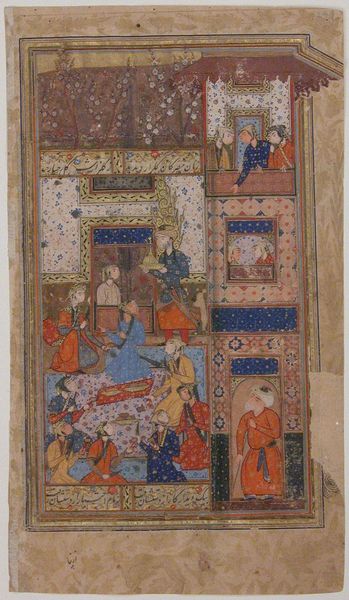
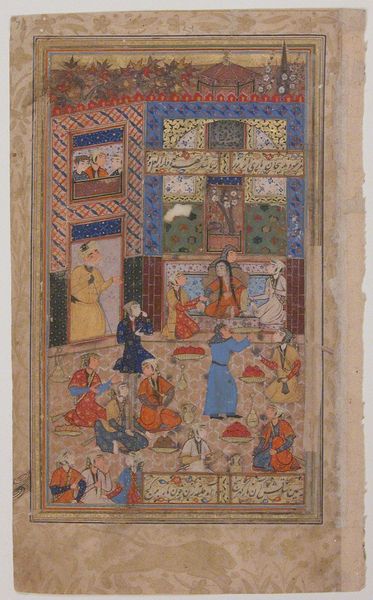
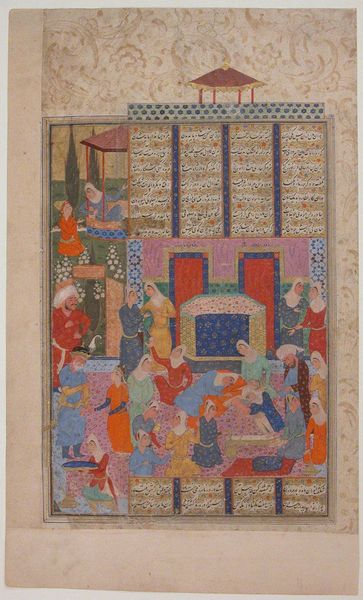
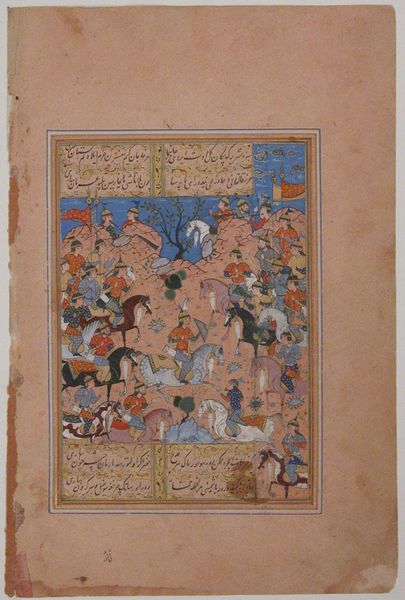
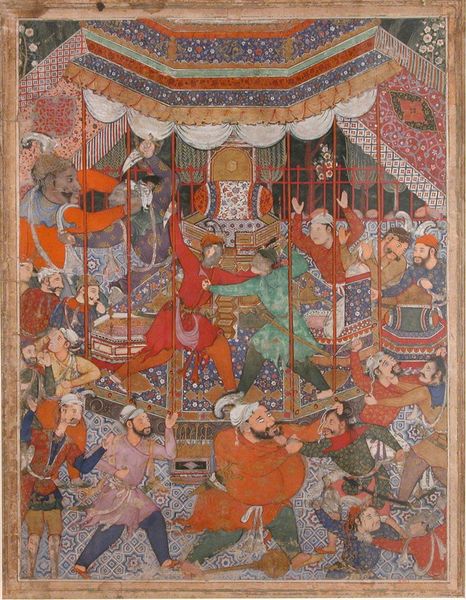
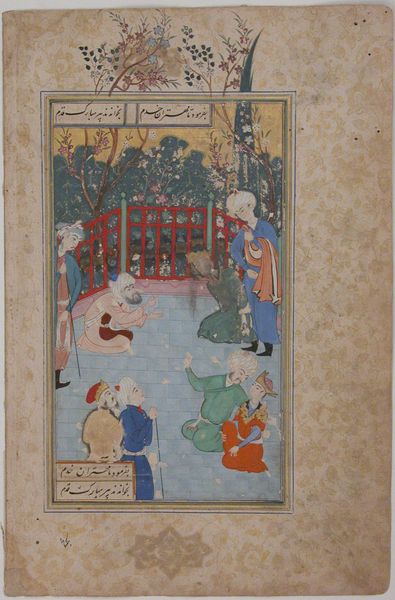
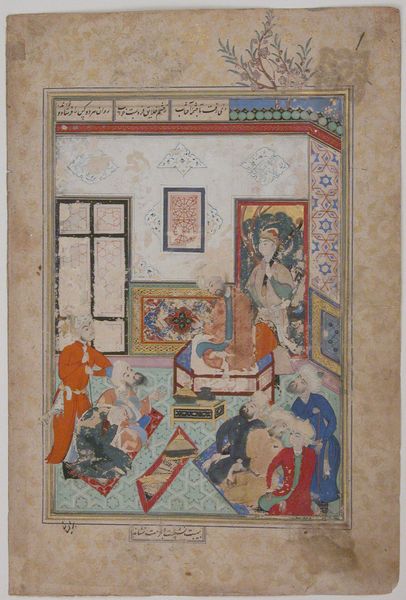
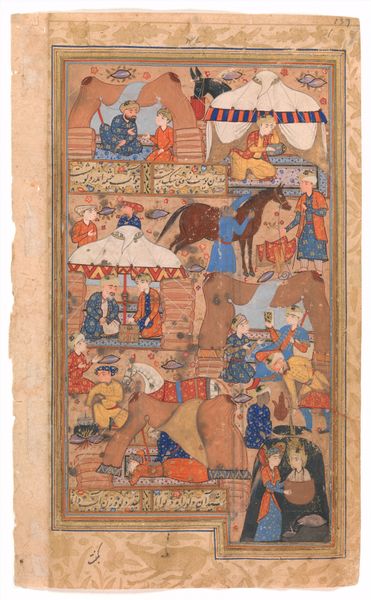
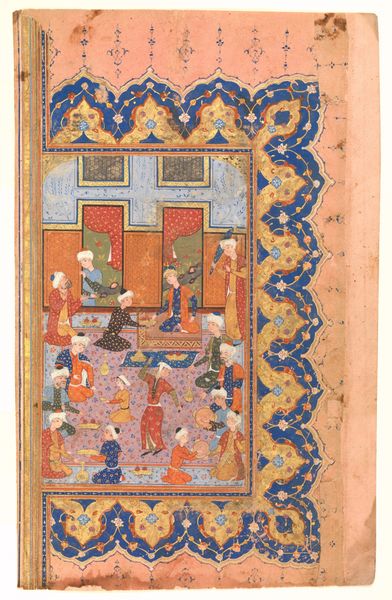
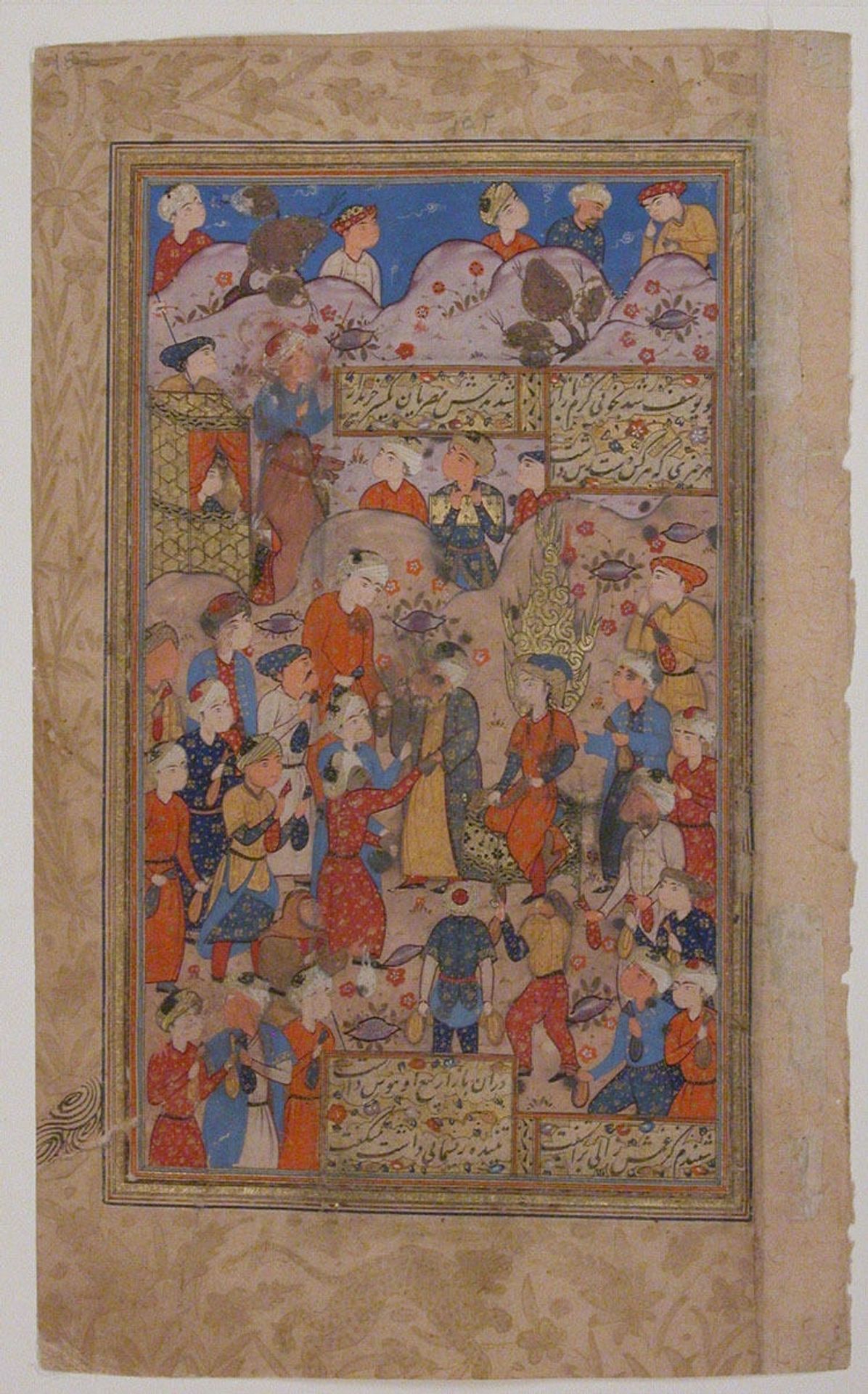
"Zusuf is Purchased in Egypt by Zulaikha", Folio from a Yusuf and Zulaikha of Jami

Maulana Nur al-Din `Abd al-Rahman Jami
1414 - 1492
The Metropolitan Museum of Art
Metropolitan Museum of Art, New York, NYListen to curator's interpretation
Curatorial notes
This 9-inch high painting was composed by Maulana Nur al-Din `Abd al-Rahman Jami to illustrate the story of Yusuf being purchased by Zulaikha in Egypt. The central image—the sale of Yusuf—resonates with the visual language of marketplaces across centuries. Here, the act of exchange is not merely transactional but laden with deeper cultural and emotional significance. Consider the recurring motif of raised hands, almost imploring, seen also in Roman-era depictions of slave markets, and later, in Renaissance portrayals of Christ’s crucifixion. These gestures serve as more than narrative illustration, they are potent symbols of surrender, of fate, and human relationships. Such imagery touches a subconscious chord, a collective memory triggered by the raw emotional power of human drama. The recurring themes of fate, desire, and power are eternally cyclical, each era reshaping these narratives to reflect its own anxieties and aspirations.