About this artwork
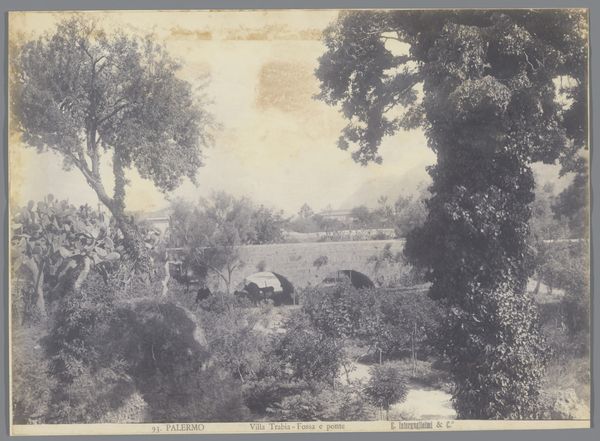
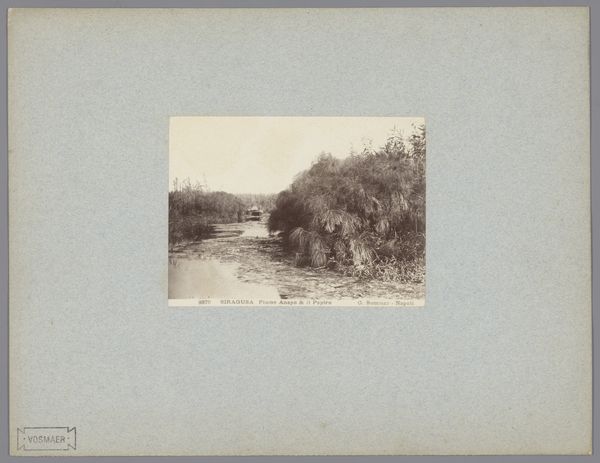
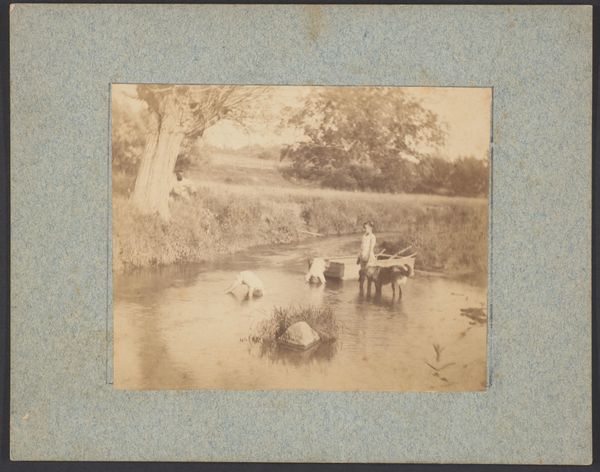
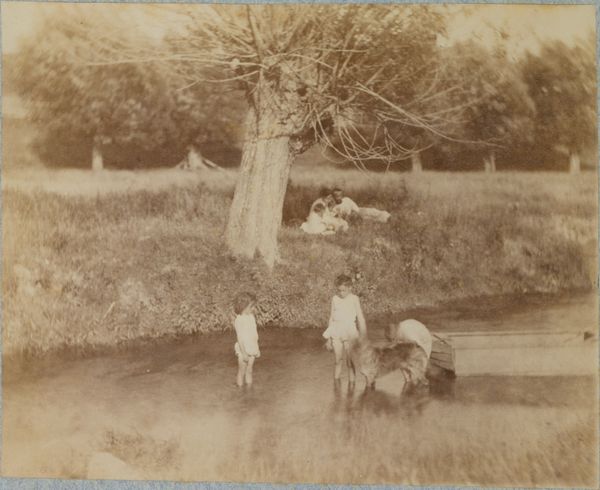
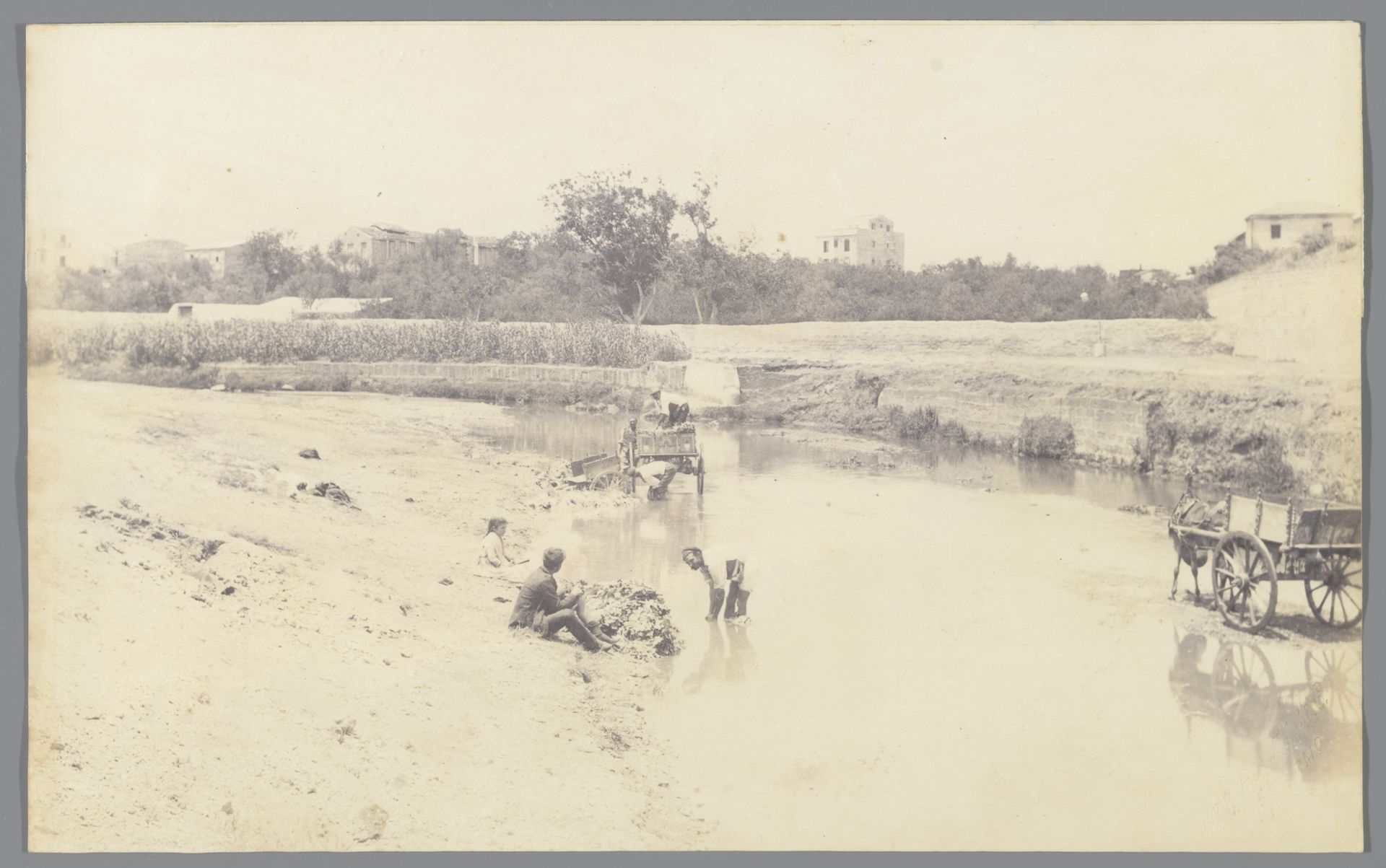
This photograph, of unspecified date, by Eugenio Interguglielmi captures wading people in a Sicilian river. Interguglielmi was active at a time when photography was used both to document and exoticize cultures. Looking at this image, we might consider the labor and lives of the individuals depicted. The scene presents a seemingly pastoral view, yet the presence of workers suggests a more complex reality of economic activity and social stratification. The posture of the figures in the river, the presence of the carts, all point to the essential work being carried out. What is the nature of their labor? How does the photograph negotiate the line between documenting daily life and framing it through a colonial gaze? We can see how the photograph, while capturing a specific moment in time, also reflects broader societal issues of labor, class, and representation. It invites us to reflect on the dignity and resilience of those whose stories are often overlooked.

Artwork details
- Medium
- photography
- Dimensions
- height 160 mm, width 257 mm
- Copyright
- Rijks Museum: Open Domain
Tags
Comments
Share your thoughts
About this artwork
This photograph, of unspecified date, by Eugenio Interguglielmi captures wading people in a Sicilian river. Interguglielmi was active at a time when photography was used both to document and exoticize cultures. Looking at this image, we might consider the labor and lives of the individuals depicted. The scene presents a seemingly pastoral view, yet the presence of workers suggests a more complex reality of economic activity and social stratification. The posture of the figures in the river, the presence of the carts, all point to the essential work being carried out. What is the nature of their labor? How does the photograph negotiate the line between documenting daily life and framing it through a colonial gaze? We can see how the photograph, while capturing a specific moment in time, also reflects broader societal issues of labor, class, and representation. It invites us to reflect on the dignity and resilience of those whose stories are often overlooked.
Comments
Share your thoughts