1735 - 1755
Cup


Listen to curator's interpretation
Curatorial notes
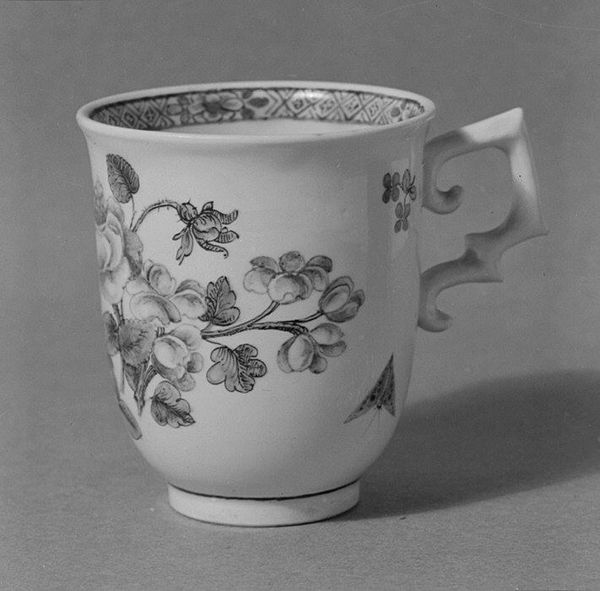
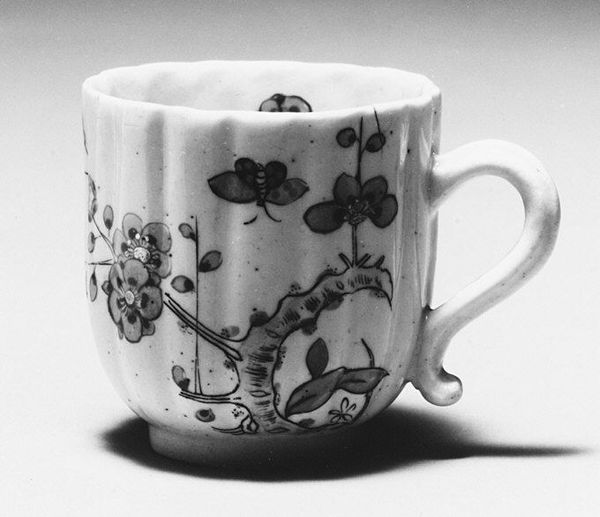
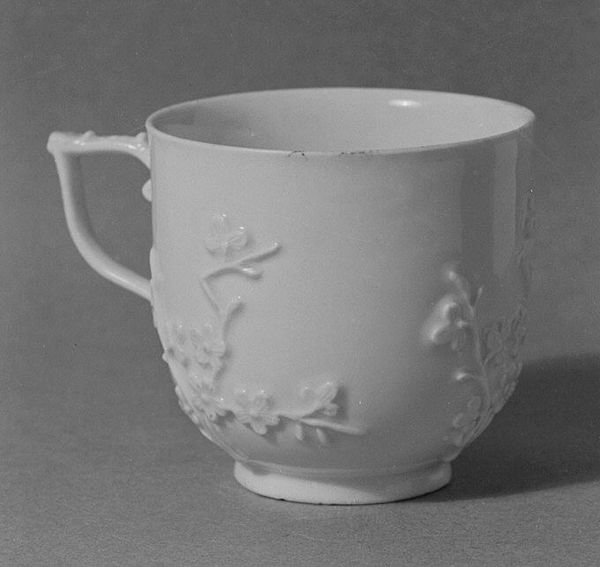
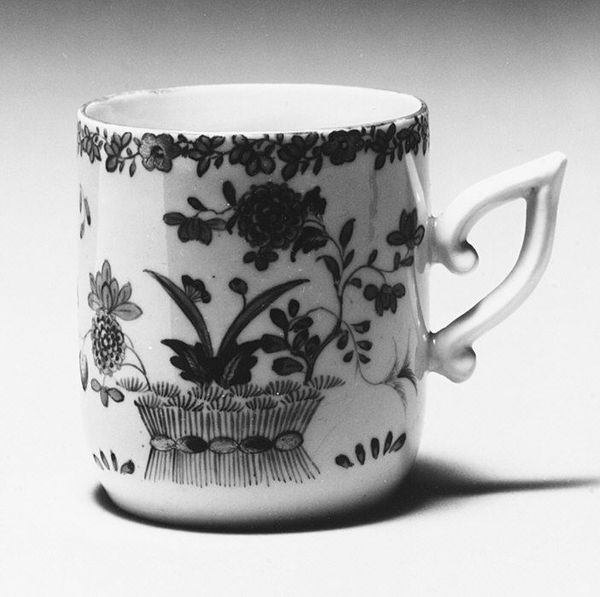
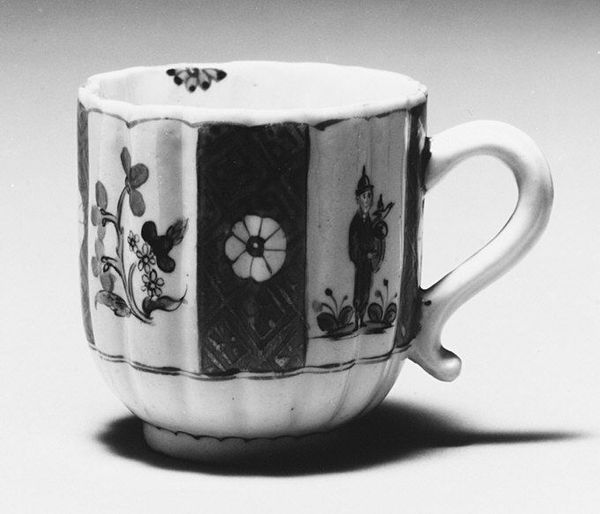
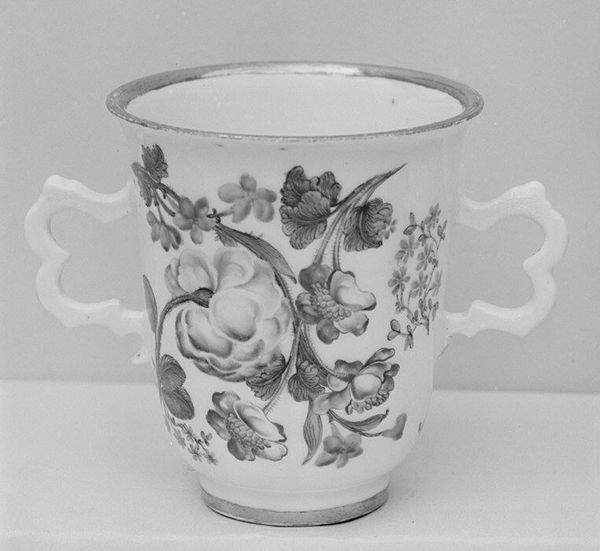
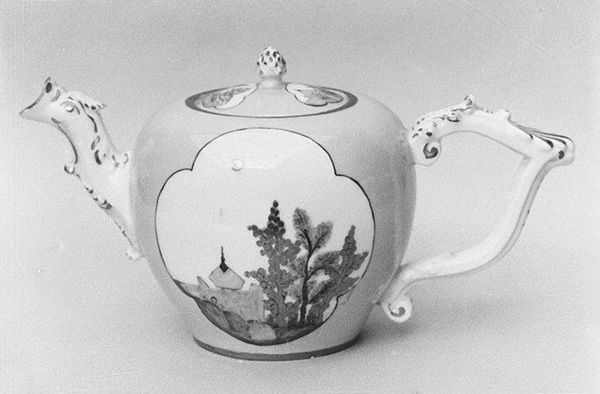
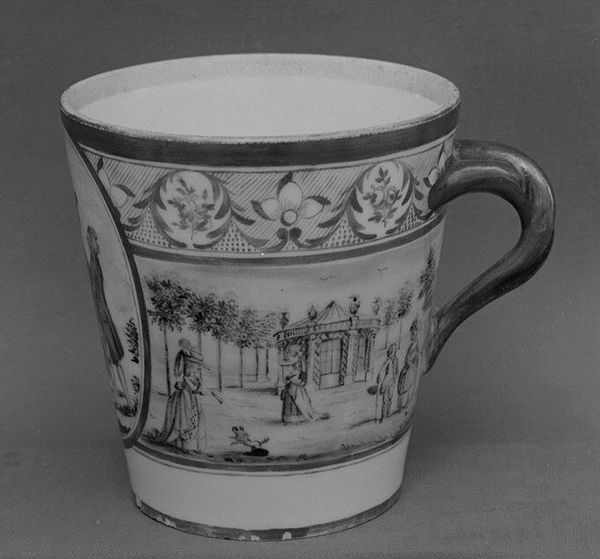
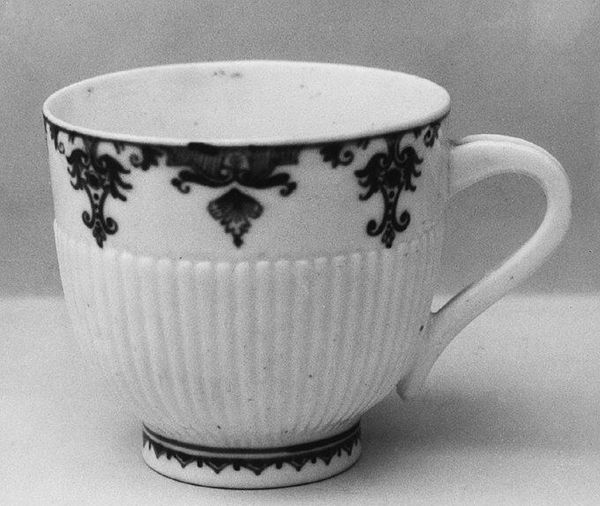
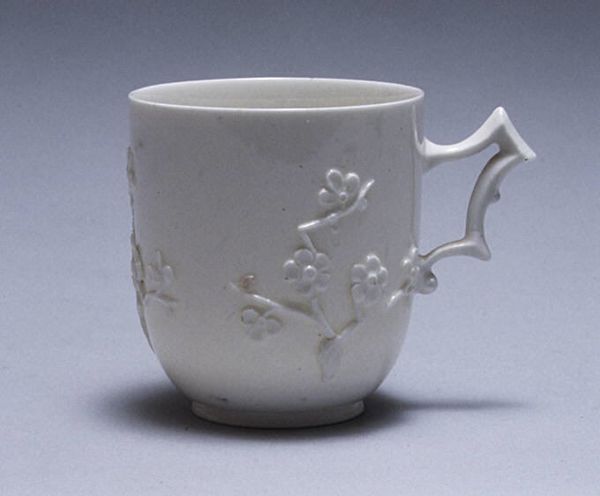
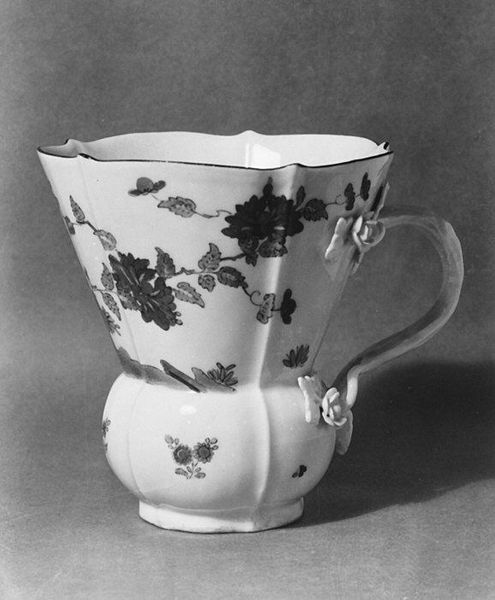
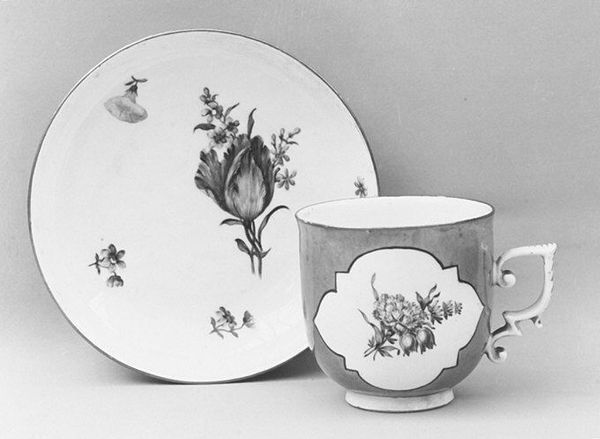
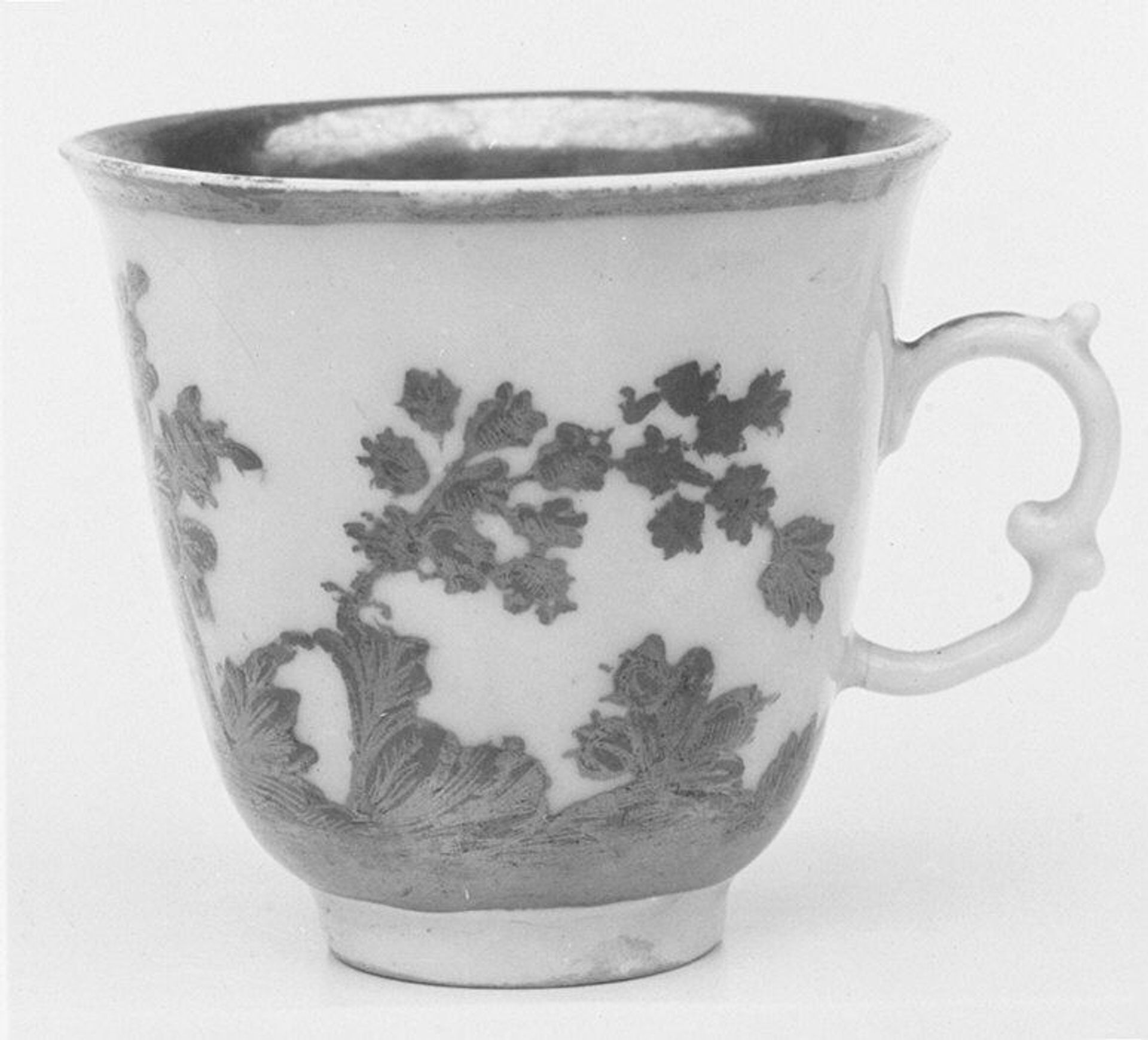
This delicate cup was produced by the Meissen Manufactory, a pioneering force in European porcelain. Reflect on the cultural and class dynamics that this object represents. Porcelain, often referred to as "white gold", held immense value and status in the 18th century. Owning such a piece signaled wealth and refinement, but also spoke to global trade networks and colonial exploitation. Consider the role of women in this context. Tea drinking became a ritualized practice among elite women, solidifying their roles within the domestic sphere. A cup like this would have been part of elaborate tea ceremonies, reinforcing social hierarchies and gendered expectations. This cup is more than just a drinking vessel; it's a symbol of power, privilege, and the complex entanglement of aesthetics and social structures.