About this artwork
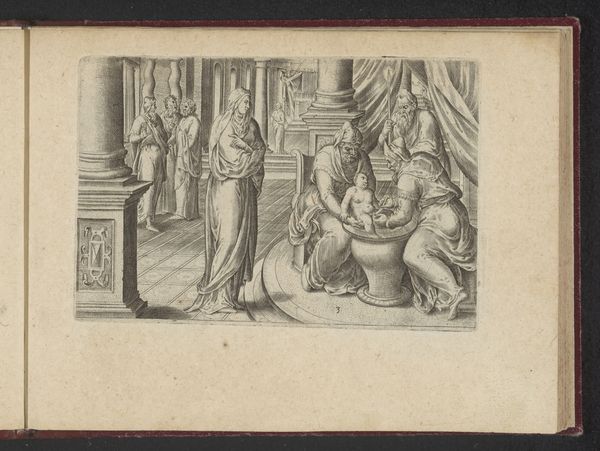
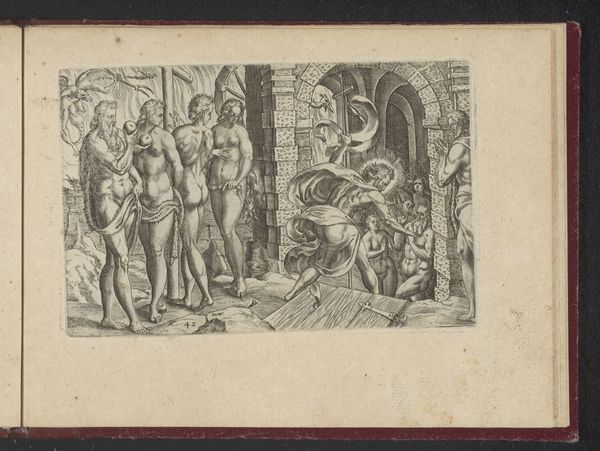
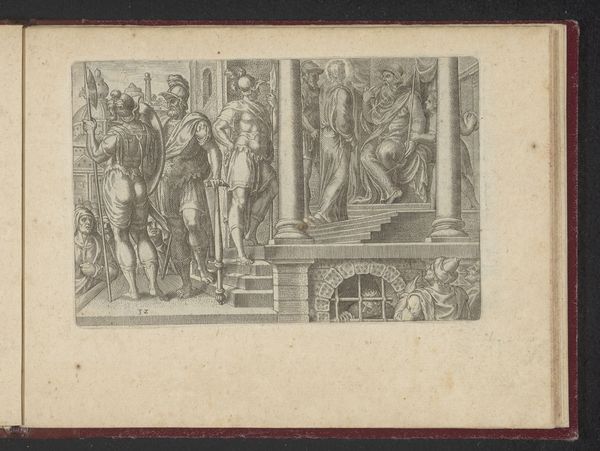
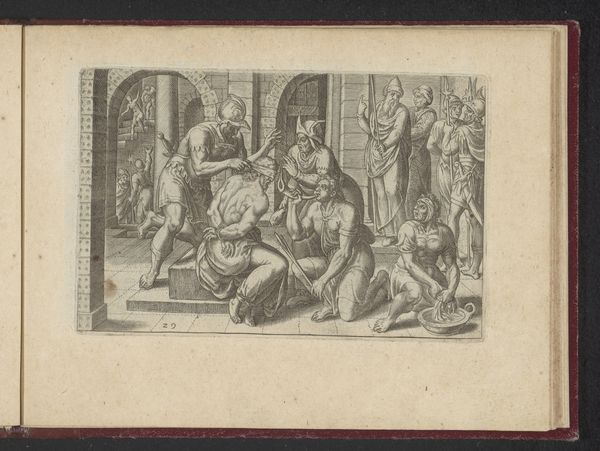
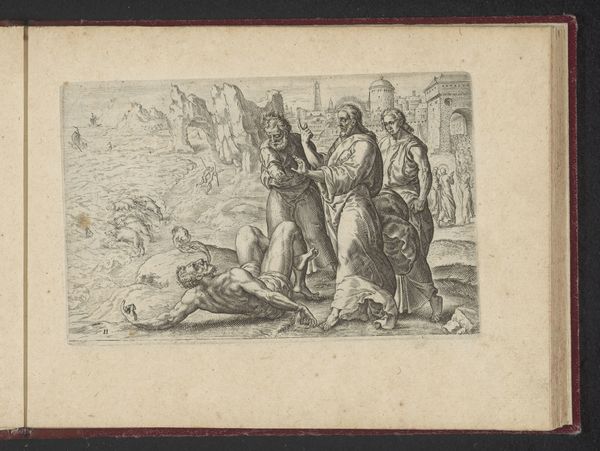
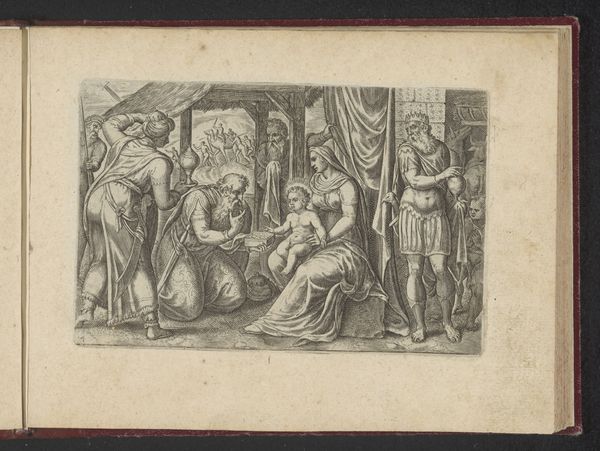
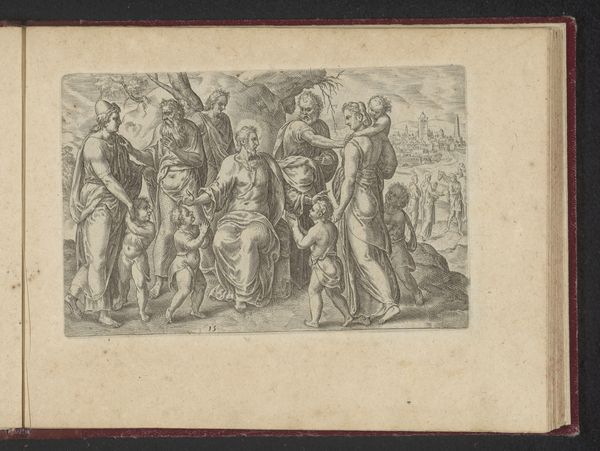
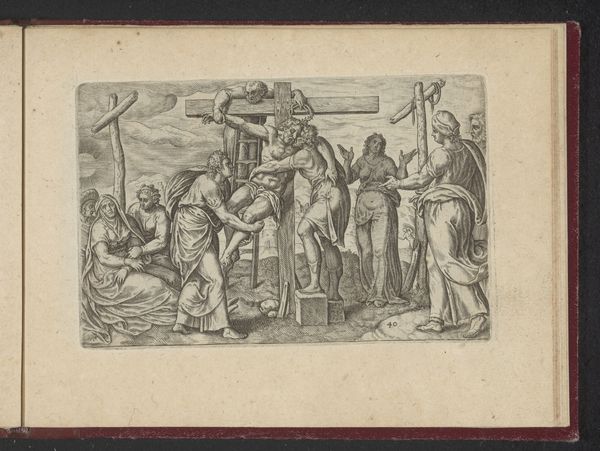
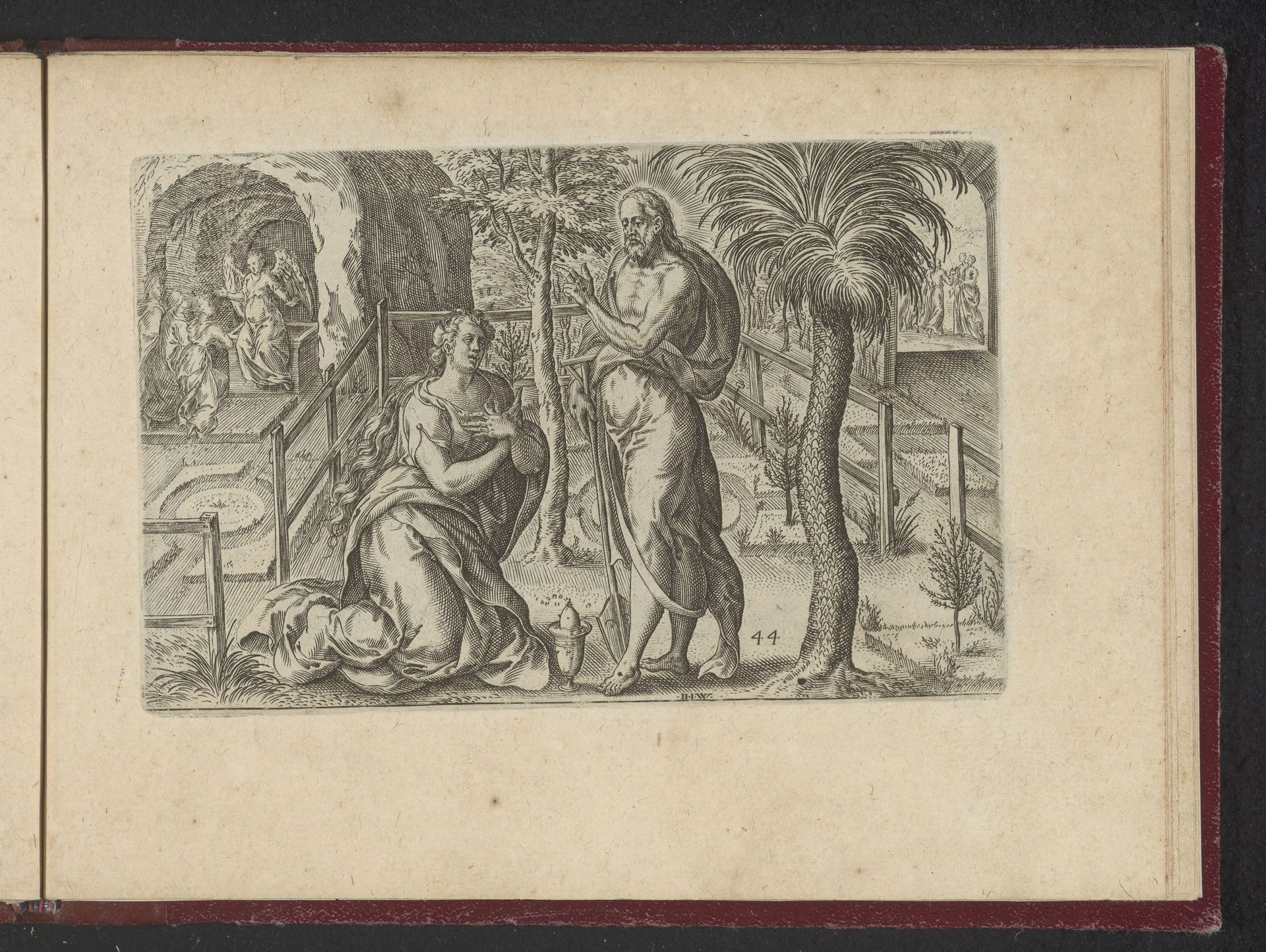
This engraving, *Noli me tangere*, was created around 1600 by Wierix, an artist working amidst the religious and political turmoil of the Dutch Golden Age. The scene depicts the moment after the resurrection of Christ, when Mary Magdalene recognizes him. The title, “Noli me tangere,” Latin for “Do not touch me,” comes from Christ’s words to her. It is interesting that the image captures the intimate encounter between Mary and Jesus at a time when the status of women was so precarious. Was it a moment of spiritual comfort or a statement about the role of women's faith? The image certainly invites us to contemplate the complex ways in which faith, gender, and authority intersect. Consider the emotional depth of this encounter. Wierix asks us to reflect on the power of faith, love, and human connection in a world marked by uncertainty and change.

Artwork details
- Medium
- engraving
- Dimensions
- height 92 mm, width 139 mm, height 137 mm, width 183 mm
- Location
- Rijksmuseum
- Copyright
- Rijks Museum: Open Domain
Tags
Comments
Share your thoughts
About this artwork
This engraving, *Noli me tangere*, was created around 1600 by Wierix, an artist working amidst the religious and political turmoil of the Dutch Golden Age. The scene depicts the moment after the resurrection of Christ, when Mary Magdalene recognizes him. The title, “Noli me tangere,” Latin for “Do not touch me,” comes from Christ’s words to her. It is interesting that the image captures the intimate encounter between Mary and Jesus at a time when the status of women was so precarious. Was it a moment of spiritual comfort or a statement about the role of women's faith? The image certainly invites us to contemplate the complex ways in which faith, gender, and authority intersect. Consider the emotional depth of this encounter. Wierix asks us to reflect on the power of faith, love, and human connection in a world marked by uncertainty and change.
Comments
Share your thoughts