About this artwork
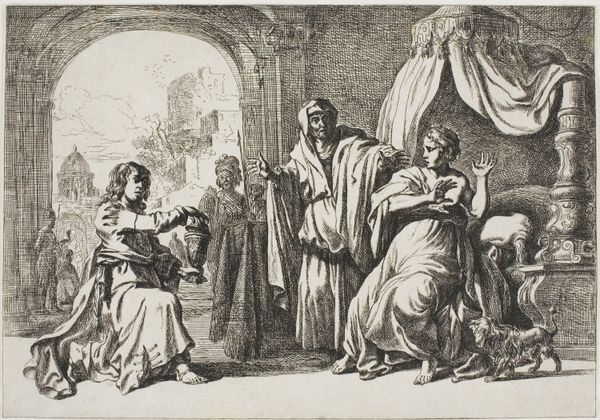
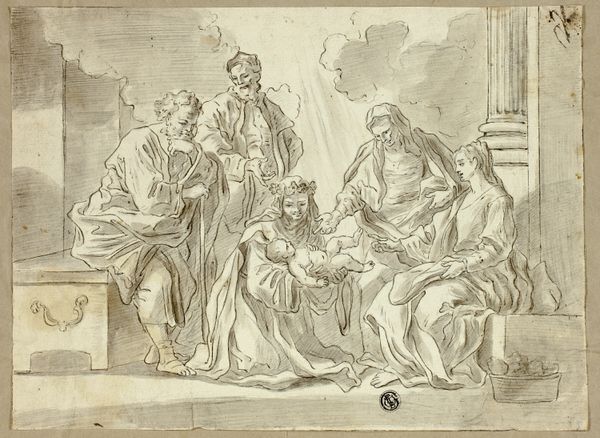
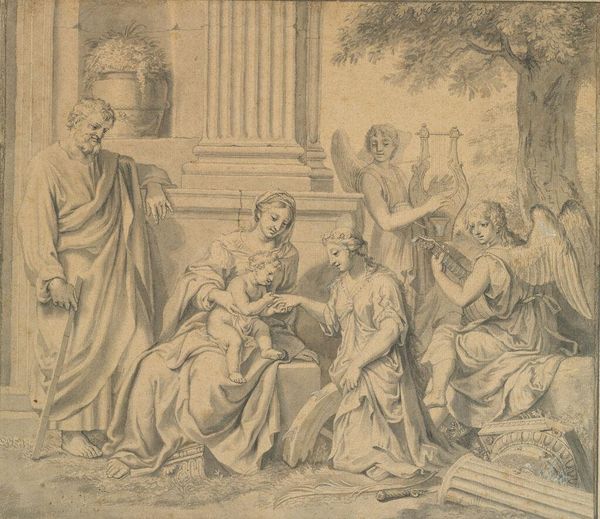
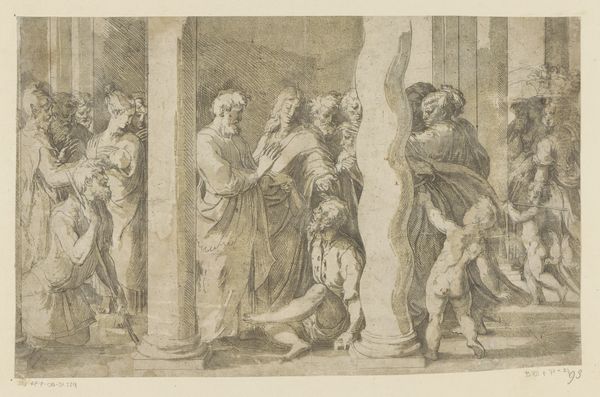
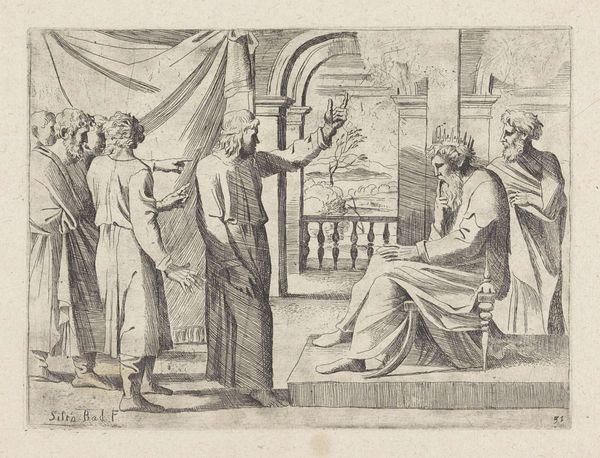
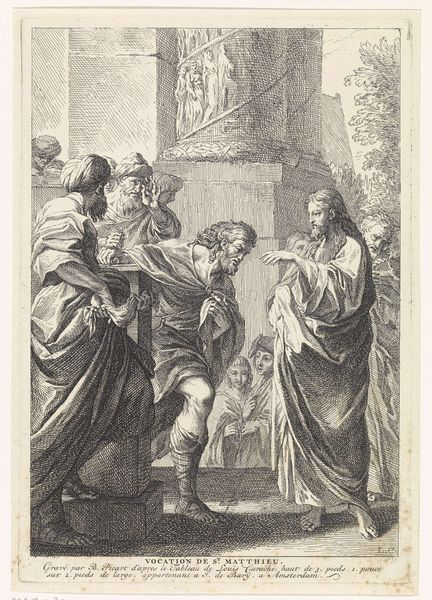
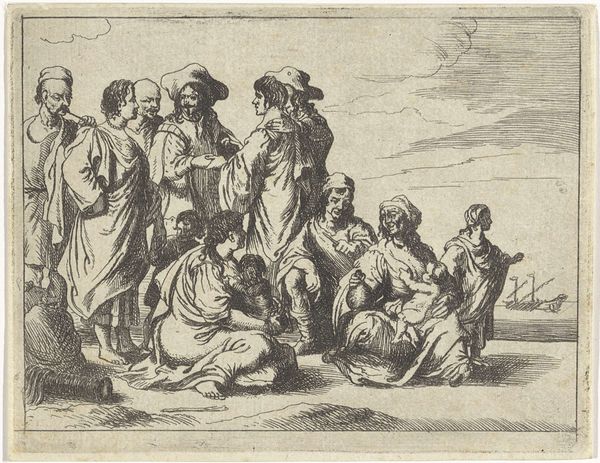
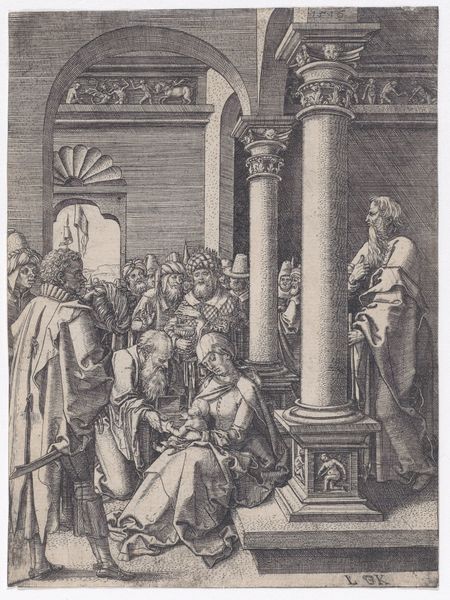
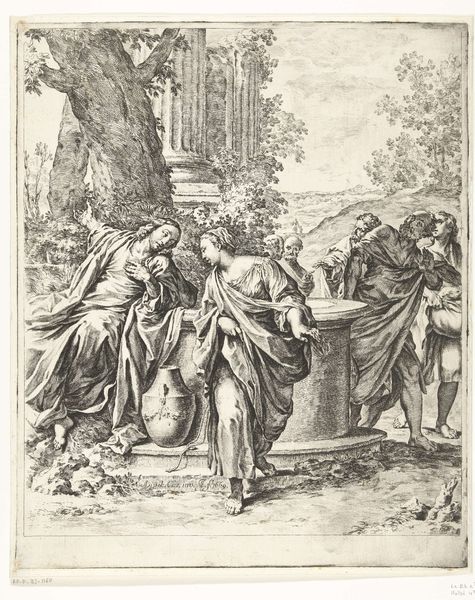
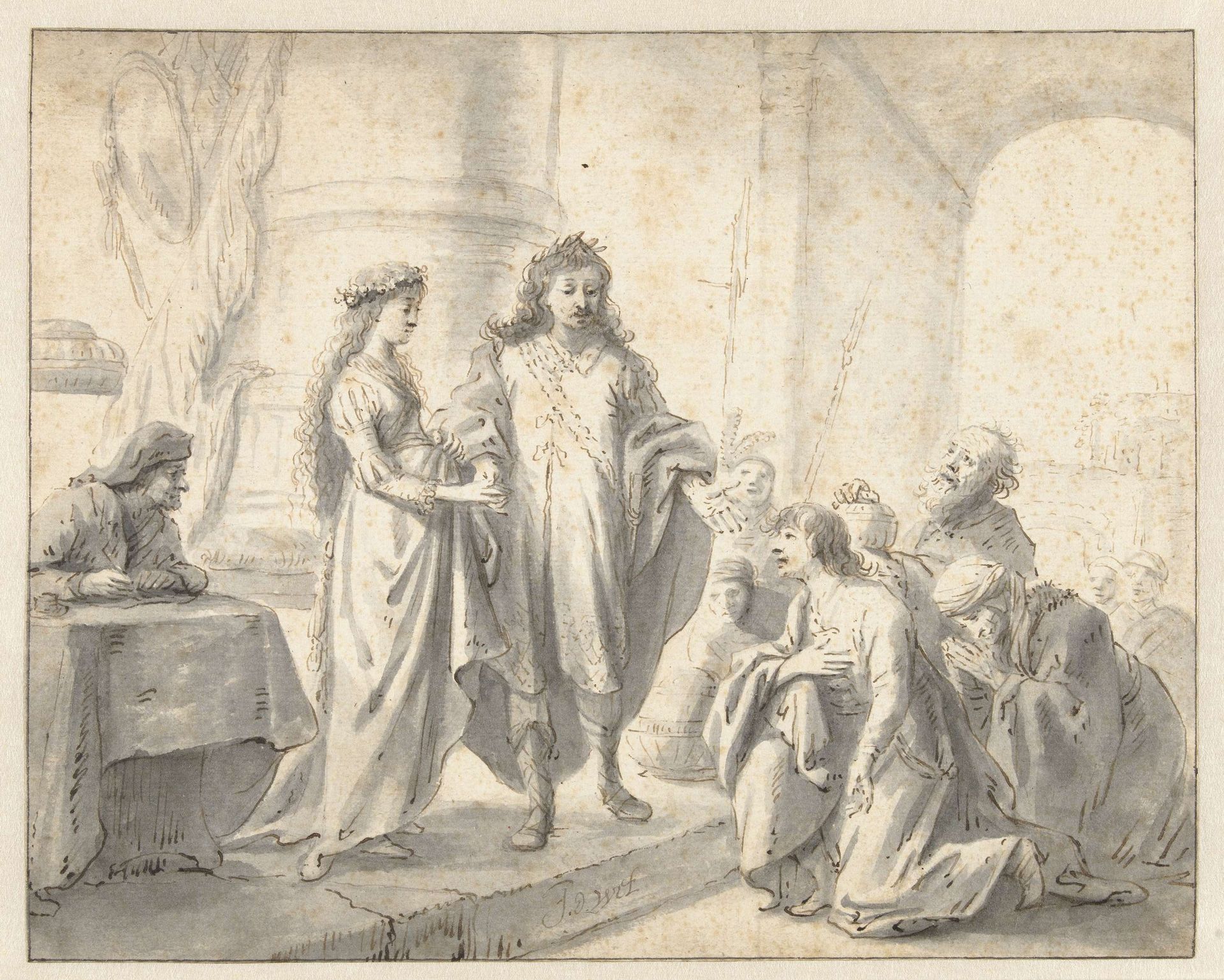
Jacob de Wet's pen drawing illustrates Scipio Africanus and the betrothed. Scipio embodies Roman virtue, exemplified by his noble gesture of returning a captured bride to her fiancé. The wreath on the bride's head symbolizes purity and honor, resonating with ancient Greek traditions where wreaths were awarded for victory and virtue. Compare this to Botticelli's "Primavera," where Flora is adorned with flowers, symbolizing fertility and renewal. The wreath reappears throughout art history, each time imbued with layers of cultural memory and subconscious associations. The emotional intensity of the figures—Scipio's magnanimity, the bride’s demure gratitude, and the fiancé’s ardent supplication—evokes powerful psychological responses, engaging viewers on a deep, subconscious level. This motif has a non-linear progression, resurfacing and evolving across different historical contexts, embodying both the continuity and transformation of cultural symbols.

Artwork details
- Medium
- drawing, paper, ink, charcoal
- Dimensions
- height 175 mm, width 220 mm
- Copyright
- Rijks Museum: Open Domain
Tags
Comments
Share your thoughts
About this artwork
Jacob de Wet's pen drawing illustrates Scipio Africanus and the betrothed. Scipio embodies Roman virtue, exemplified by his noble gesture of returning a captured bride to her fiancé. The wreath on the bride's head symbolizes purity and honor, resonating with ancient Greek traditions where wreaths were awarded for victory and virtue. Compare this to Botticelli's "Primavera," where Flora is adorned with flowers, symbolizing fertility and renewal. The wreath reappears throughout art history, each time imbued with layers of cultural memory and subconscious associations. The emotional intensity of the figures—Scipio's magnanimity, the bride’s demure gratitude, and the fiancé’s ardent supplication—evokes powerful psychological responses, engaging viewers on a deep, subconscious level. This motif has a non-linear progression, resurfacing and evolving across different historical contexts, embodying both the continuity and transformation of cultural symbols.
Comments
Share your thoughts