c. 1928 - 1929
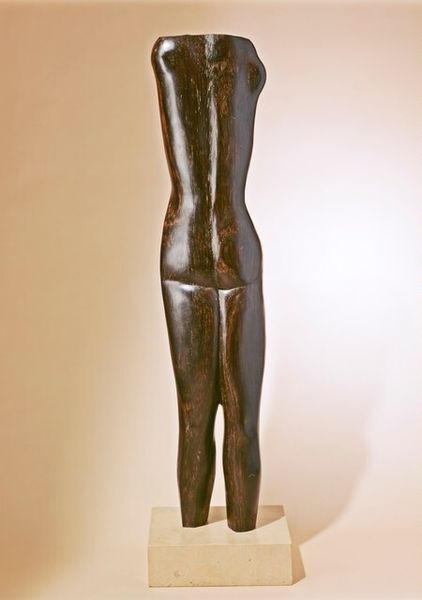
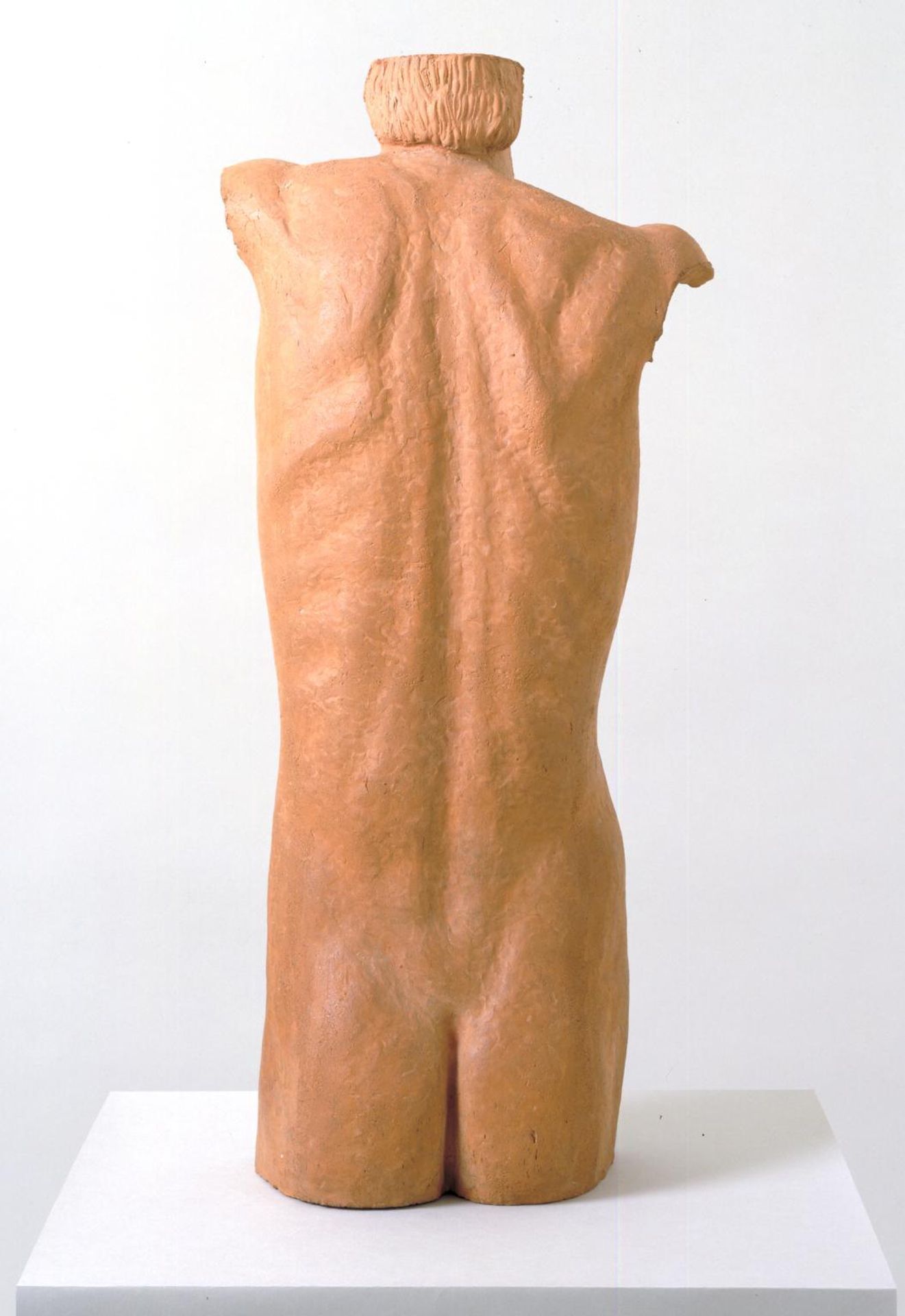
Torso of a Young Man

Listen to curator's interpretation
Curatorial notes
Curator: Here we have Arturo Martini’s “Torso of a Young Man,” currently residing in the Tate Collections. Editor: It’s striking how tactile it seems. You can almost feel the rough texture of the terracotta. There's a vulnerability in the exposed back. Curator: Martini was a complex figure. He grappled with Fascist aesthetics in pre-war Italy, and there are arguments that his work promoted those ideals of idealized masculinity. Editor: Yet, there’s a fragility here that complicates that reading. The missing limbs, the raw material—it feels less like a celebration of power and more like a study of incompleteness. How does this fit into the broader conversations around body image? Curator: It’s interesting to consider its reception in post-war Italy. Martini later rejected his earlier artistic leanings, so it creates a tension between the artist's intent and the socio-political context. Editor: Ultimately, it’s a deeply evocative piece that speaks to the fragmented nature of identity and the historical weight carried by the human form. Curator: Indeed. A fascinating object for continued reflection.